
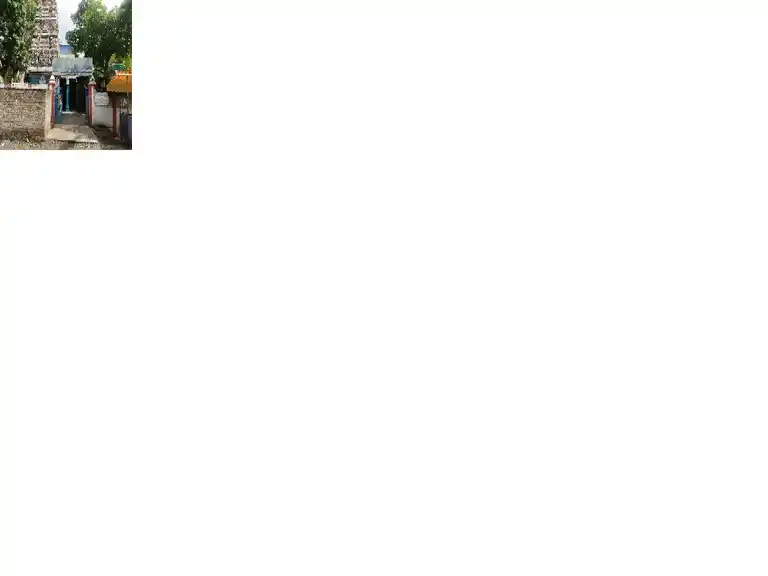
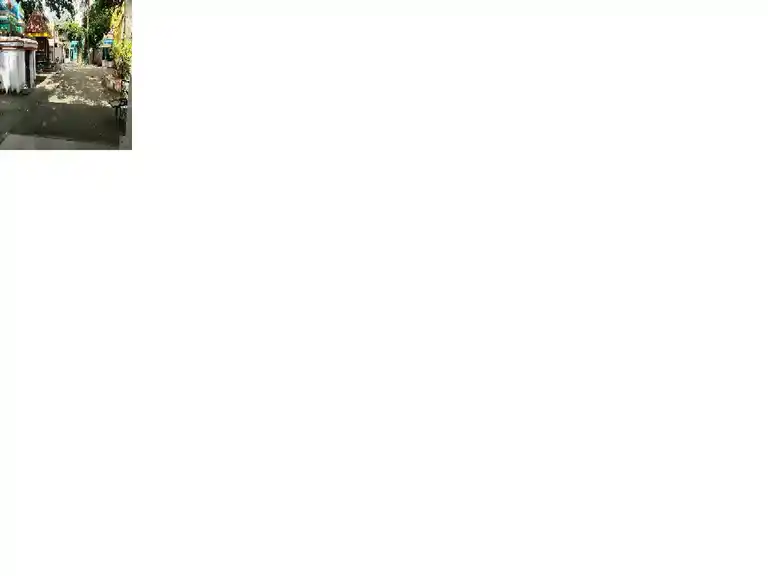
Arulmigu Karumariamman Temple
About Arulmigu Karumariamman Temple
The temple was established during the twentieth century, making it a relatively modern addition to Chennai's religious landscape. While detailed historical records are not available, the temple has become an established place of worship for the local community. Its construction reflects the continued growth of temple-building activity in Chennai's residential neighbourhoods during that period.
Daily Worship and Ritual Timings
The temple maintains regular hours for devotional access. The morning session runs from 6:00 AM to 9:00 AM, while the evening session extends from 6:00 PM to 8:30 PM. Two principal rituals structure the day: the Kala Sandhi Puja (dawn ritual) takes place from 6:30 AM to 7:00 AM, and the Sayarakshai Puja (evening ritual) occurs from 6:30 PM to 7:00 PM. These scheduled pujas represent the temple's formal worship cycle and are times when the deity receives special ceremonial attention.
Devotees typically visit during these open hours to offer prayers and receive darshan—a viewing of the deity. The morning hours are often preferred by those seeking to begin their day with spiritual observance, while evening visits allow working devotees to participate in worship.
Visiting the Temple: Practical Information
The temple is located at Kannadasan Nagar, 8th Block, Kodungaiyur, Chennai 600118. Indian-style toilet facilities are available on the premises. Visitors should dress modestly, as is customary in Hindu temples; women typically wear sarees or salwar kameez, while men wear dhotis or simple trousers and shirts. Shoes are removed before entering the sanctum, and photography policies should be confirmed with temple staff upon arrival.
The temple is accessible by local bus routes serving the Perambur area. Several vegetarian restaurants operate in the vicinity, including options within walking distance, making it convenient for devotees to combine worship with a meal.
The Sacred Precinct
The temple's architectural layout follows South Indian conventions, with the sanctum at its heart. The neem tree growing within or near the temple grounds holds spiritual significance in Hindu practice, often associated with healing and purification. The rectangular sanctum design is typical of many neighbourhood temples across Tamil Nadu, prioritising functional sacred space over elaborate ornamentation.
The temple functions as part of the broader network of goddess temples in Chennai, contributing to the spiritual infrastructure of the city's residential communities. Its modest scale and local focus distinguish it from larger, more widely known pilgrimage centres, yet it serves an important role in the devotional life of its neighbourhood.
Reaching the Temple
Kodungaiyur lies within the Perambur taluk of Chennai district. The temple can be reached via local bus services that connect to the Perambur area. Those travelling by private vehicle should use the coordinates 5.39472222, 100.395 for navigation purposes. The location is approximately 8 kilometres from central Chennai, placing it within the city's suburban residential zones.
Visitors planning a trip should note the temple's operating hours and plan accordingly, particularly if they wish to attend one of the scheduled pujas. The morning session may be preferred for those seeking a quieter, more meditative experience, while the evening ritual offers an alternative for those with daytime commitments.
How to reach
Temples near Arulmigu Karumariamman Temple
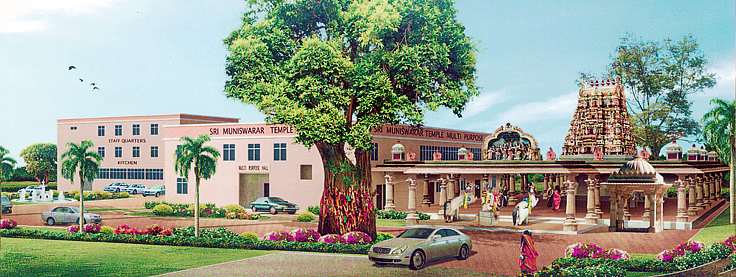
Jalan Baru Sri Muniswarar Temple
The Jalan Baru Sri Muniswarar Temple in Prai, Penang is a historic Hindu temple established in the 1870s by Indian immigrants, now renowned for blessing newly purchased vehicles…
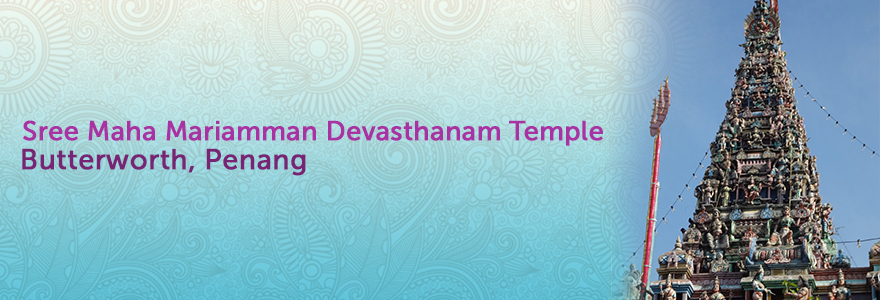
Sree Maha Mariamman Devasthanam Temple, Butterworth
Sree Maha Mariamman Devasthanam Temple in Butterworth is the largest and oldest Hindu temple in the area, dedicated to Goddess Mariamman and serving the Tamil Hindu community si…
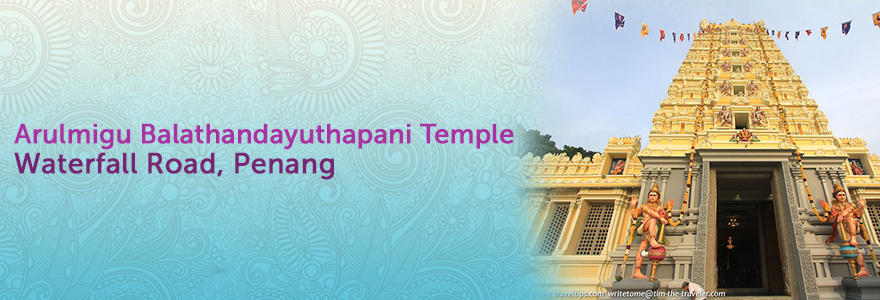
Arulmigu Balathandayuthapani Temple, Penang
A hilltop Hindu temple in Penang dedicated to Lord Murugan, featuring a seven-storey 21.6-meter gopuram and claimed to be the largest Lord Murugan temple outside India.
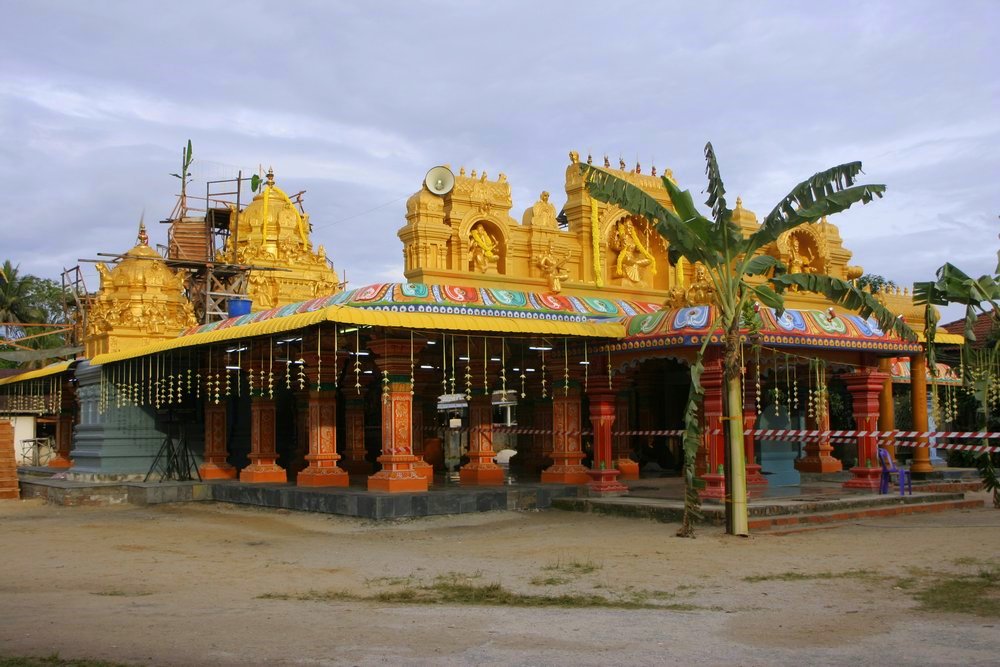
Arulmigu Maha Muthu Mariamman Thevasthanam
Arulmigu Maha Muthu Mariamman Thevasthanam is a Hindu temple dedicated to Goddess Mariamman located in Gopeng, Kampar District, Perak, Malaysia, built in 1962 with Dravidian arc…