Chhinnamasta Temple, Rajrappa
About Chhinnamasta Temple, Rajrappa
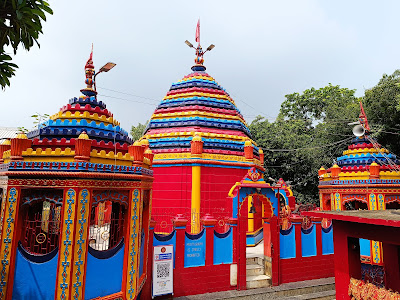
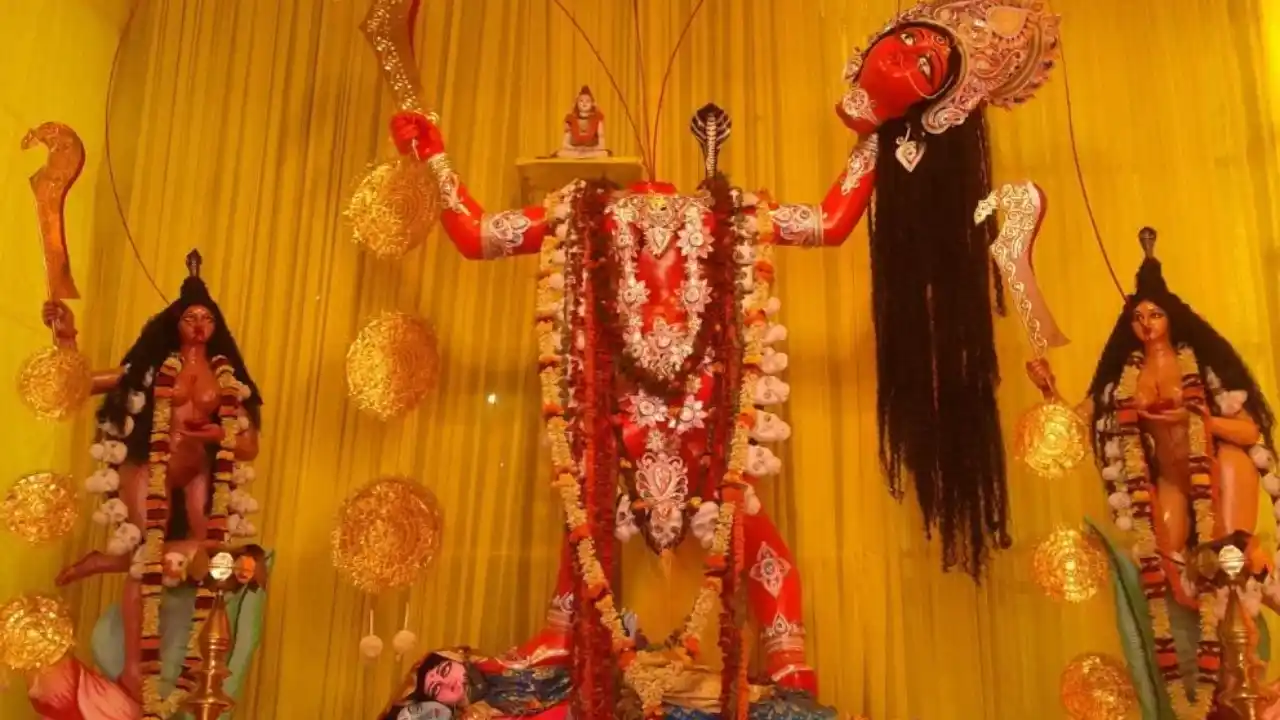
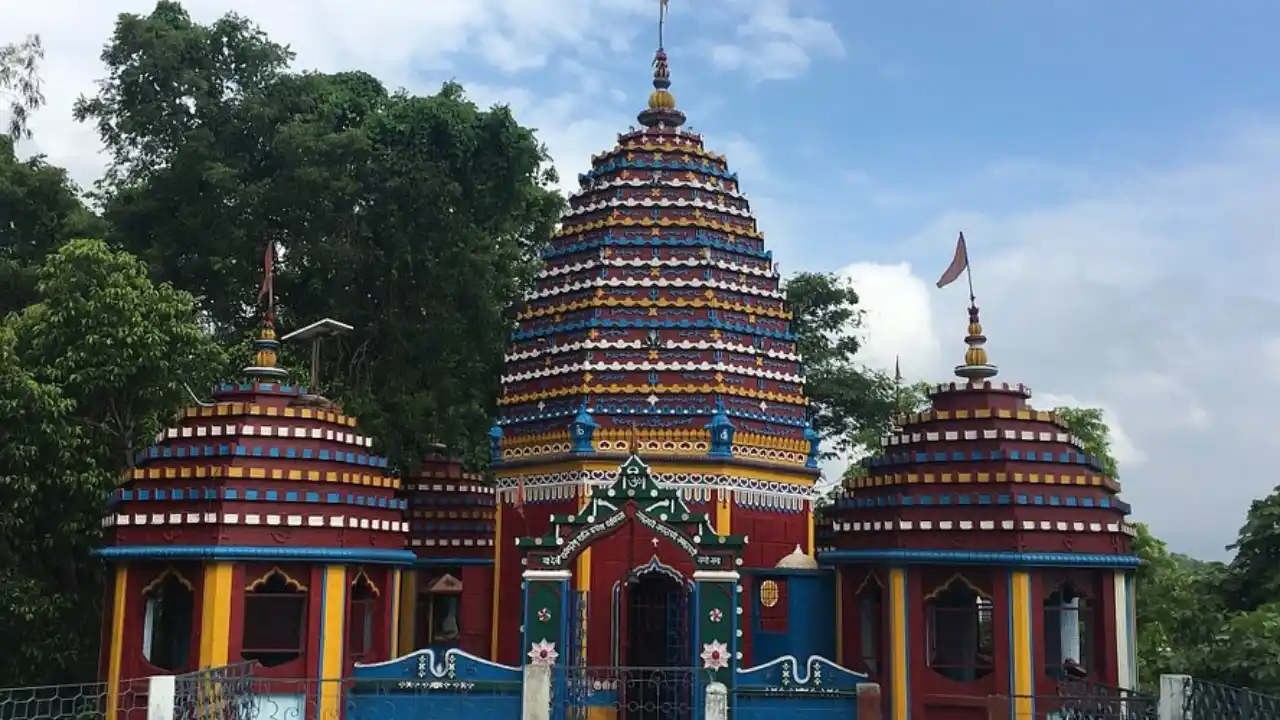
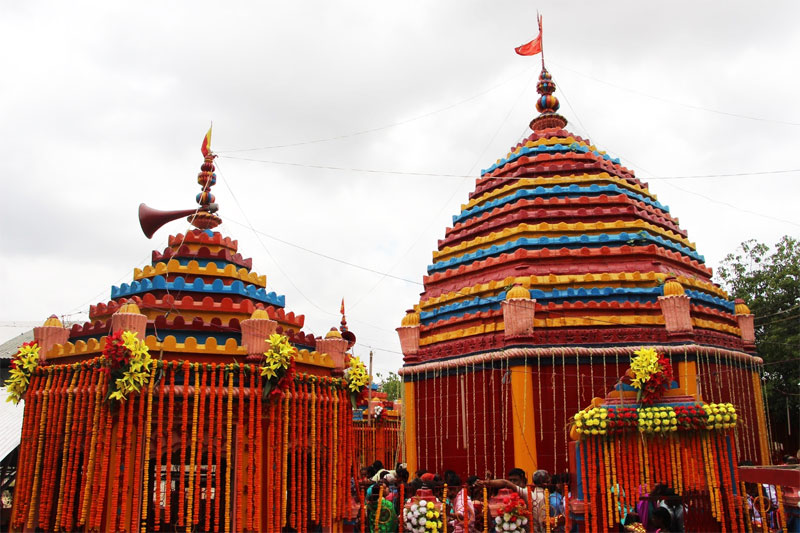
The temple dates to the ancient period, specifically the Tantric Age, though precise historical records are not detailed in available sources. What distinguishes Chhinnamasta Temple architecturally is its deliberate tantric design—a style that reflects the esoteric philosophical and ritual systems associated with goddess worship in this tradition. The main shrine is accompanied by ten additional temples dedicated to other deities including Surya (the sun god), Hanuman, and Shiva, creating a complex of interconnected sacred spaces.
The temple is managed by a local committee operating under the Ramgarh District administration, ensuring that daily operations and maintenance serve both the spiritual needs of devotees and the practical requirements of pilgrims visiting from Jharkhand, West Bengal, and Bihar.
Daily Darshan and Ritual Worship
The temple opens for morning darshan at 4:30 AM, remaining accessible until noon. After a closure period for cleaning and preparation from 12:00 PM to 3:30 PM, evening darshan resumes at 3:30 PM and continues until 9:00 PM. Two principal aartis (ritual worship ceremonies) structure the day: the Mangala Aarti begins at 5:00 AM with chanted prayers to the Devi, while the Sandhya Aarti takes place at 6:30 PM, often performed beside the river.
Tuesdays and Fridays are considered especially auspicious for worship at this temple. Devotees may arrange special pujas at the temple counter, and during Navratri—the nine-day festival cycle—fire rituals (havans) are incorporated into these observances. Prasad in the form of coconut and sweets is distributed following worship. The temple also maintains a free meal service (bhandara) offering pure vegetarian food prepared without onion, garlic, or eggs, served from 11:00 AM to 2:00 PM and again from 6:30 PM to 8:30 PM.
Festivals and Lunar Observances
Navratri draws significant numbers of pilgrims to Rajrappa, as the nine-day festival honours the goddess in her multiple forms and energies. Full moon and new moon nights also attract devotees, as lunar cycles hold particular importance in tantric spiritual practice and ritual timing. During these major observances, the temple intensifies its worship schedule with additional aartis and heightened ceremonial activity.
Planning Your Visit
The most pleasant season for visiting Rajrappa extends from October through March, when weather conditions favour travel and extended stays. The temple is located in Ramgarh District, approximately 30 kilometres from the town of Ramgarh and 80 kilometres from Ranchi, the state capital of Jharkhand.
Accommodation is available through the Yatri Niwas (pilgrim lodge) and dharamshala, with rooms ranging from ₹200 to ₹1,000 depending on type and amenities; all rooms include attached bathrooms. Booking can be arranged on-site at the temple office (open 8:00 AM to 8:00 PM) or by phone inquiry. Standard check-in time is 10:00 AM, with checkout at 9:00 AM the following day. Valid identification—such as Aadhaar, voter ID, or passport—is required for accommodation. A monitored parking area operates near the temple gate for visitor vehicles.
The temple office remains available from 6:00 AM to 8:00 PM for inquiries and assistance. All offerings should be made through official temple channels; devotees are advised to avoid giving donations to unauthorized persons. The temple's location at the river confluence means that many visitors combine their darshan with ritual bathing at the sangam before entering the shrine.
How to reach

You may also visit
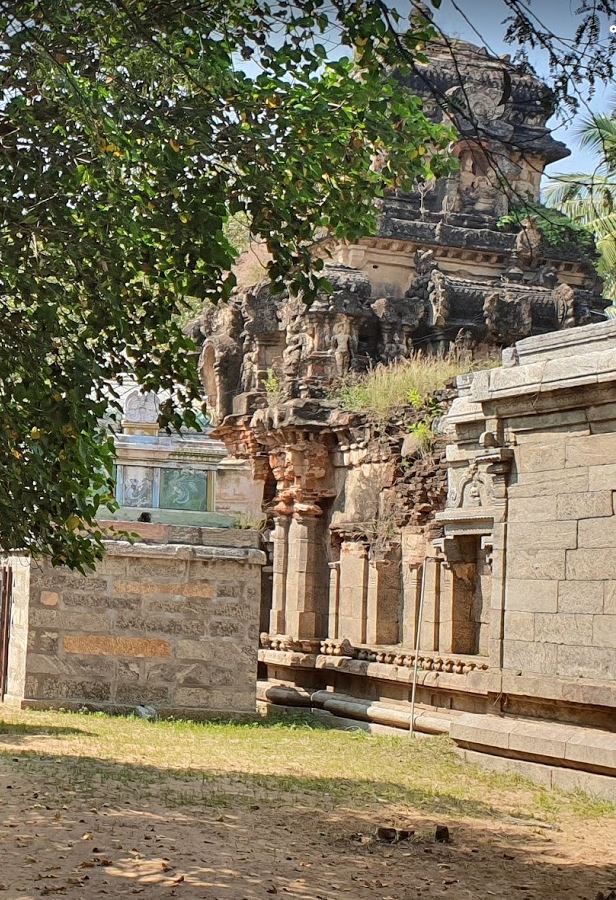
Agatheeswarar Temple, Karur
Agatheeswarar Temple in Thirumukkudalur, Karur district, is an ancient Hindu shrine dedicated to Shiva, situated at the sacred confluence of three rivers and believed to be over 1000 years old.
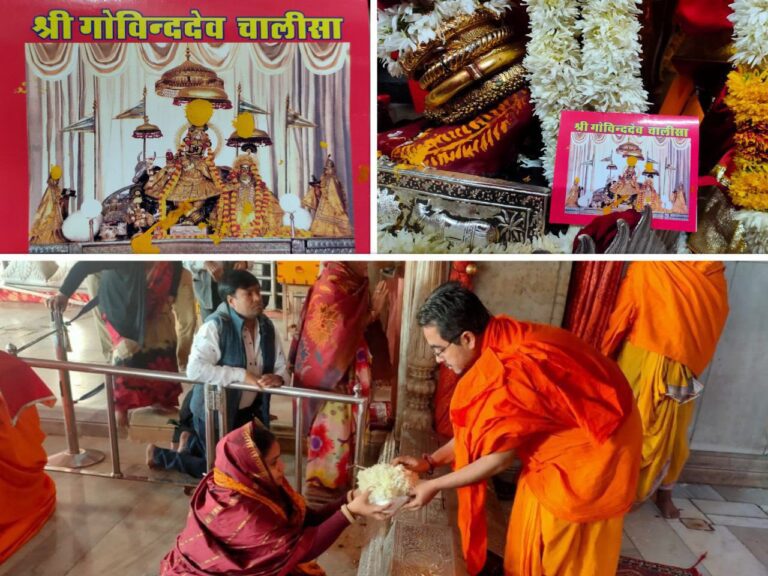
Kalyanji Temple
Kalyanji Temple in Jaipur's Chandpol Bazaar is an ancient Krishna shrine established in the 1820s, renowned for its seven daily aartis and special avatar darshan ceremonies during Akha Teej and Patottsav festivals.
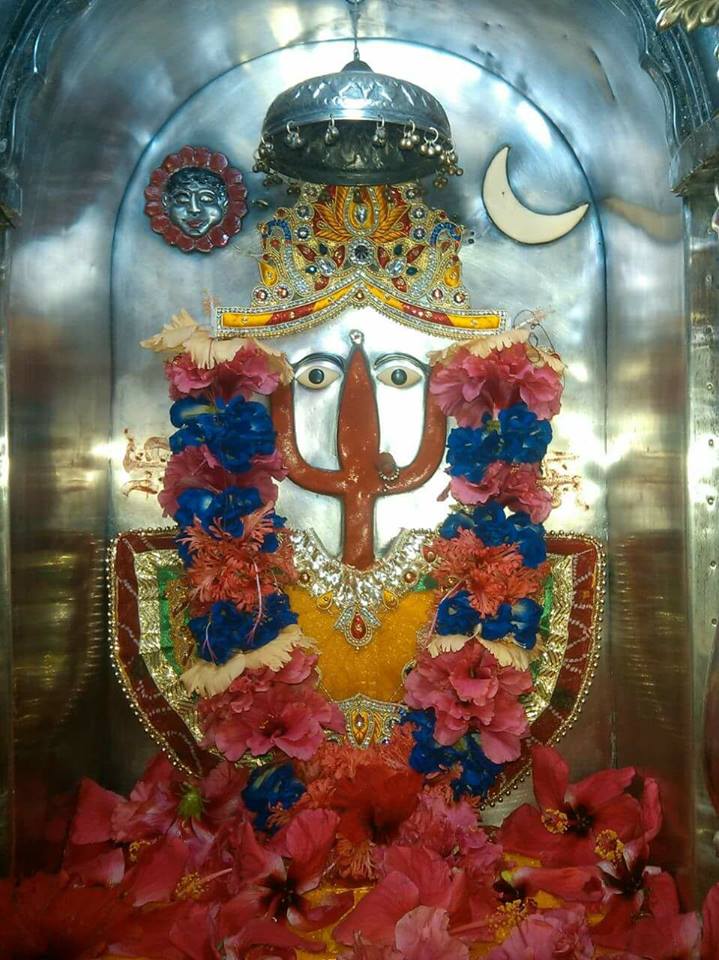
Rani Sati Mandir Mahuda
Rani Sati Mandir in Mahuda, Dhanbad District, is a Hindu temple established in 1992 that serves as a spiritual center for the local community and attracts devotees seeking blessings.