

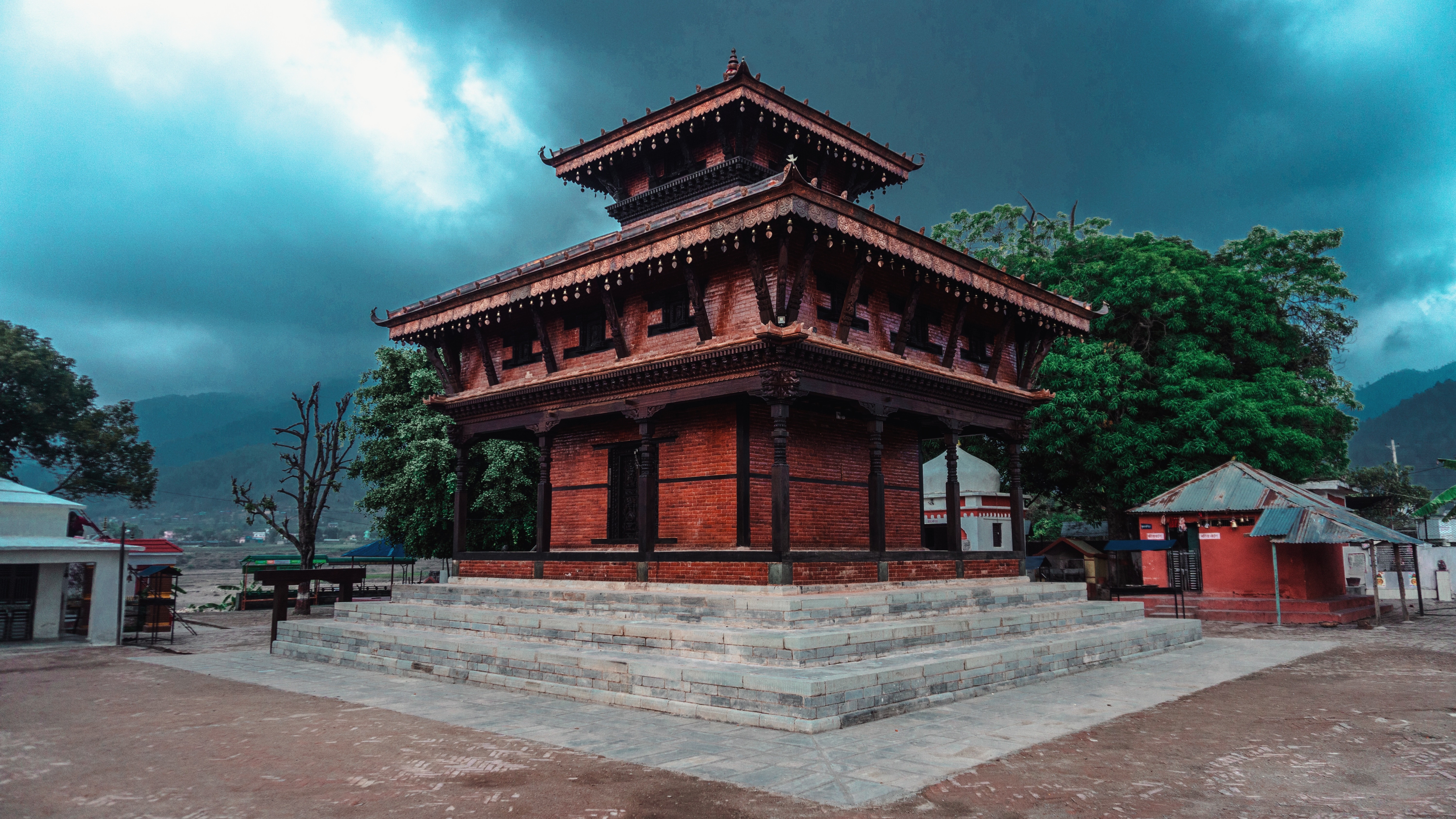
Ambikeshwori Temple
About Ambikeshwori Temple
The temple stands on the northern bank of the Katuwa Khola river, approximately one and a half kilometres north of Ghorahi town in Ward 18 of Ghorahi sub-metropolitan city. Situated in Dang district, the temple benefits from its position within a populated area, making it reasonably accessible to pilgrims. The coordinates 28.045, 82.48777778 mark its precise location for those planning a visit.
Visitors should plan their journey with local transport options in mind, as the temple's accessibility depends on road conditions and available services in the Ghorahi area. The riverbank setting provides a natural landscape for the sacred space.
The Sacred Site
The temple's setting on the Katuwa Khola's bank creates a natural sanctuary for worship. The Dang Valley itself, as one of South Asia's largest valleys, provides a geographical context that has historically supported settlement and pilgrimage. The temple's recognition as the most popular Shaktipeetha in Dang district reflects its spiritual importance to the local and regional communities.
The dual naming of the site—both Ambikeshwori Temple and Maiko Than—suggests layers of local devotional practice and cultural significance that have developed over time.
Visiting the Temple
Visitors to Ambikeshwori Temple should approach with the respect appropriate to a major pilgrimage site. As a Shaktipeetha, the temple maintains the sanctity expected at such sacred centres. Modest dress is advisable when visiting Hindu temples, and devotees typically remove footwear before entering the inner sanctum.
The riverbank location means visitors should be prepared for the natural environment. Those planning to visit should check locally for current darshan timings and any seasonal considerations that might affect access. The temple's status as a significant pilgrimage destination suggests it likely maintains regular worship schedules, though specific timings should be confirmed before travel.
Pilgrimage and Devotion
The temple draws pilgrims from across the Mid-Western Region of Nepal, reflecting the widespread reverence for Shaktipeetha sites. Devotees visit to seek blessings, perform rituals, and participate in the spiritual practices associated with goddess worship. The connection to the Swasthani Purana—a sacred text that narrates stories of the goddess—provides the mythological foundation for the temple's sanctity.
Pilgrimage to such sites typically involves acts of devotion, circumambulation, and offerings. The presence of a river adds to the spiritual significance, as water features prominently in Hindu ritual practice.
Planning Your Visit
Visitors should allow adequate time for their journey to Ghorahi and the temple itself. The distance of one and a half kilometres from the town centre is manageable on foot or by local transport. Those travelling from outside the district should arrange accommodation in Ghorahi town.
Before visiting, confirm current access conditions and any local festivals or observances that might affect visiting hours. The temple's importance to the region means it likely maintains consistent worship practices, but local conditions can vary seasonally. Respectful behaviour, appropriate dress, and awareness of ongoing rituals will enhance both the visitor's experience and the sanctity of the space.
How to reach

Temples near Ambikeshwori Temple
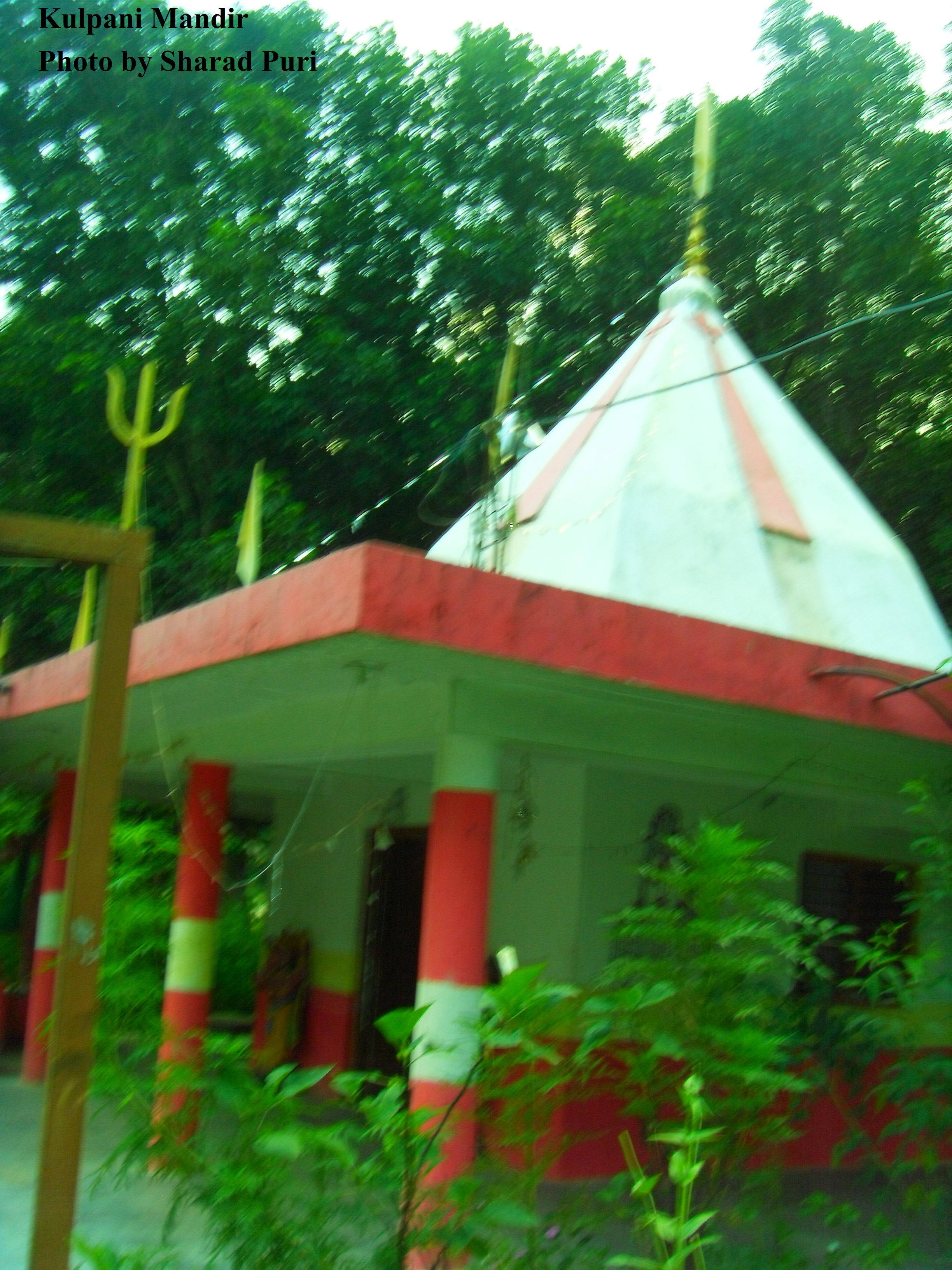
Kulpani Mandir
Kulpani Mandir is a Shiva temple located in the rural Gadhawa area of Dang Deukhuri District, Nepal, where devotees worship through traditional offerings to the Lingam.
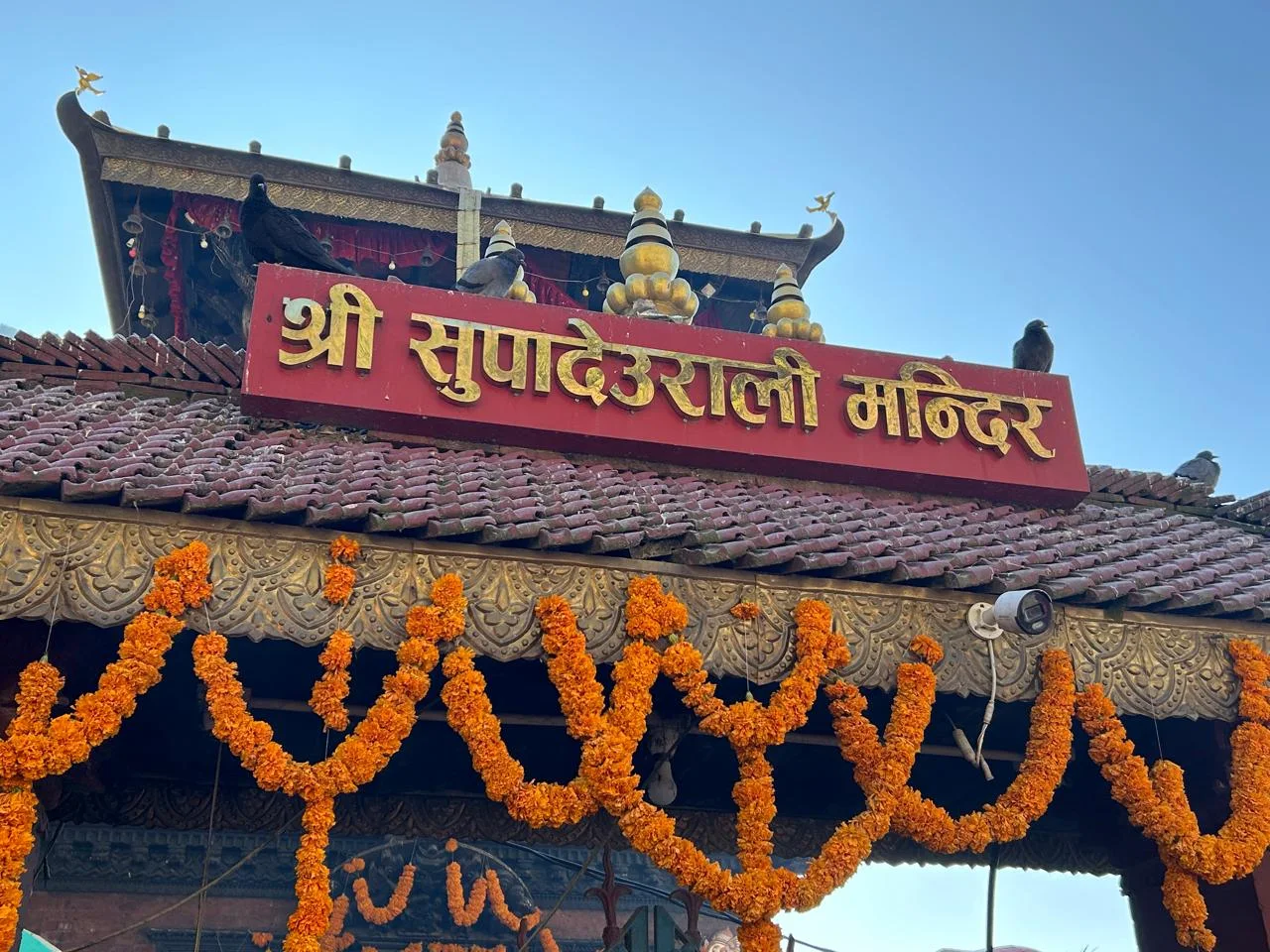
Supa Deurali Temple
Supa Deurali Temple, perched at 4,500 feet on the Mahabharat Range in Arghakhanchi, Nepal, is a centuries-old shrine dedicated to Goddess Supadevi, revered for fulfilling the si…
Aakashdevi Temple
Aakashdevi Temple, also known as Tarakhase Temple, is a 13-storied Hindu goddess shrine located in Bahigaun Tarakhase, Nepal, recognized as the tallest temple in Arghakhanchi Di…

Rishikesh Temple
Bharat Mandir in Rishikesh is the oldest temple dedicated to Lord Vishnu, traditionally consecrated by Adi Shankaracharya, serving as a major spiritual destination in Uttarakhand.
Bhairabsthan Temple
Bhairabsthan Temple is a Hindu shrine dedicated to Bhairav located 9 km northwest of Tansen in Palpa district, Nepal, established during the Sena dynasty period and renowned for…
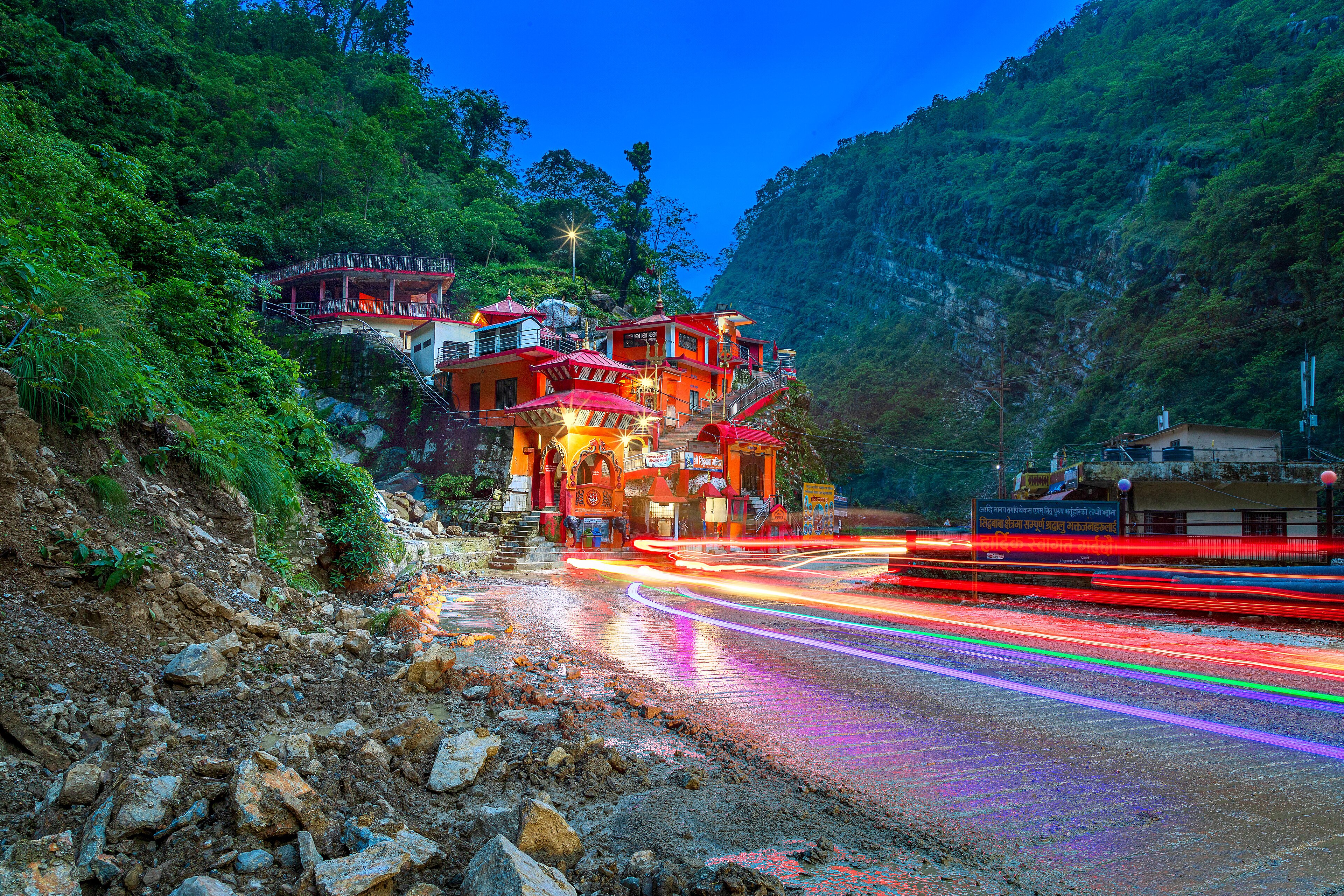
Siddha Baba Temple
Siddha Baba Temple is a Hindu shrine dedicated to Shiva located in Dobhan, Palpa district, Nepal, revered by devotees across the region for fulfilling wishes.