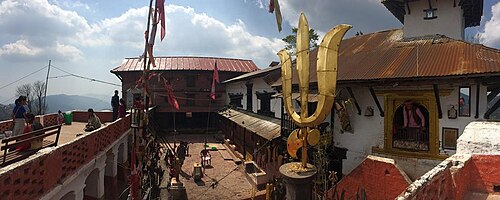
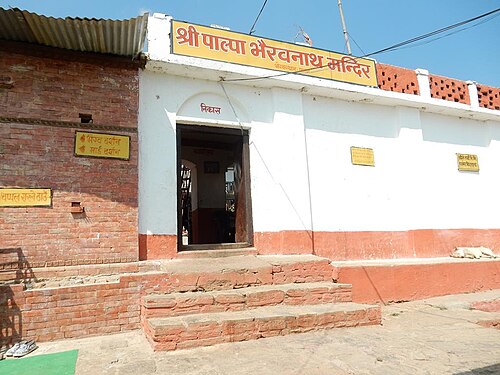
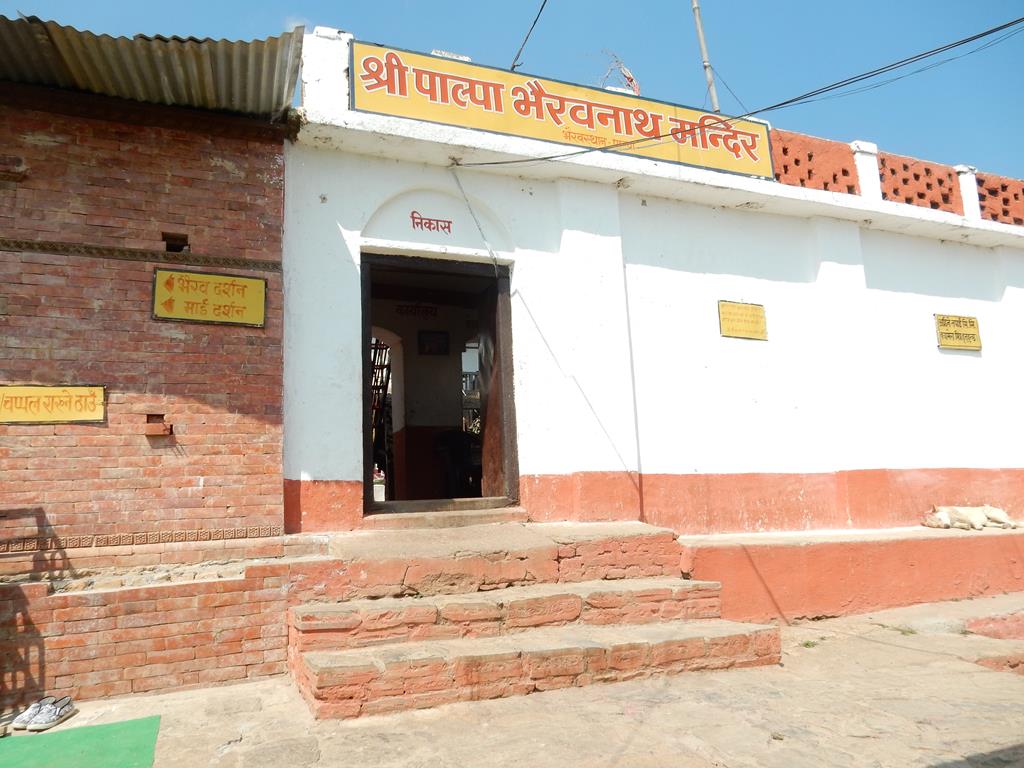
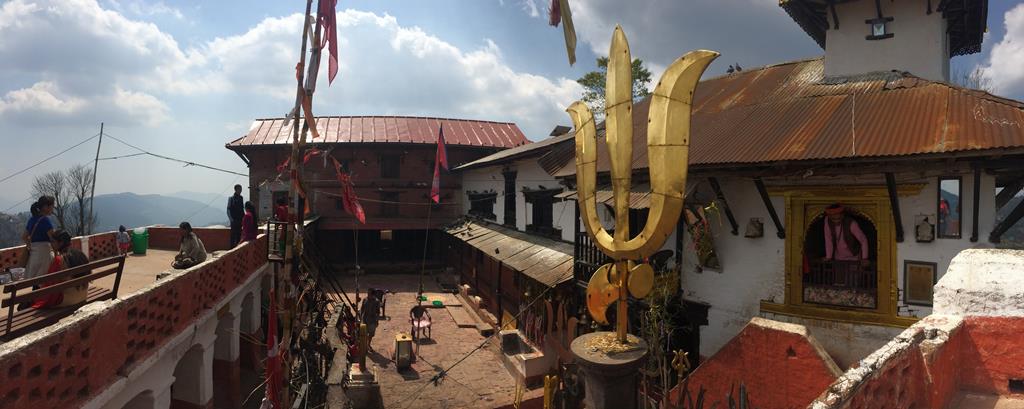
Bhairabsthan Temple
About Bhairabsthan Temple
Certain periods carry particular spiritual significance for devotees visiting this temple. Tuesdays and Saturdays are observed as auspicious days for worship and prayer. The Dashain festival, Nepal's major autumn celebration falling in September and October, draws widespread devotional activity across Hindu temples throughout the country. Within Dashain, Mahaastami—the eighth day of the nine-day festival—represents a focal point for worship at Bhairabsthan Temple. Additionally, the month of Mangsir, typically spanning November and December, marks another period when religious observance intensifies. Visitors planning a pilgrimage should consider these timings to experience the temple during periods of active worship and community gathering.
Visiting the Temple: Practical Considerations
The temple's location in hill terrain requires appropriate preparation. Visitors should wear sturdy footwear suitable for uneven mountain paths and clothing appropriate to the elevation's climate. The journey from Tansen involves approximately nine kilometres of travel through Palpa district topography, and the ascent itself forms part of the pilgrimage experience in Himalayan temple traditions.
Specific daily darshan hours and ritual schedules for Bhairabsthan Temple are not documented in available sources. Visitors should inquire locally or contact the temple administration regarding current worship timings before travelling. Standard courtesies observed at Hindu temples include removing shoes before entering sanctified spaces, maintaining respectful behaviour, and following instructions provided by temple staff. Offerings of flowers and incense form customary practice at such shrines.
Festival Observance and Community Worship
Dashain holds deep significance across Nepal and among Hindu communities regionally. The festival's themes of victory and divine protection align with Bhairav's role as a protective deity. During Dashain, temples experience increased visitation, elaborate rituals, and community participation. Mahaastami, falling on the eighth day of the festival, draws particular devotional focus. The month of Mangsir similarly marks a period when worship activities intensify across the region's temples. Visitors during these seasons should expect the temple to be active with worship and potentially crowded with other pilgrims.
Planning Your Journey
Before travelling to Bhairabsthan Temple, confirm current access conditions with local sources or temple contacts, as mountain temples can be affected by seasonal weather and local circumstances. The temple's location makes it accessible as part of broader travel through Palpa district. Those combining this visit with exploration of Tansen and surrounding areas can integrate it into a larger regional itinerary. Respect for the sacred nature of the site and awareness of local customs will enhance both the spiritual experience and interactions with the community that maintains this temple.
How to reach
You may also visit
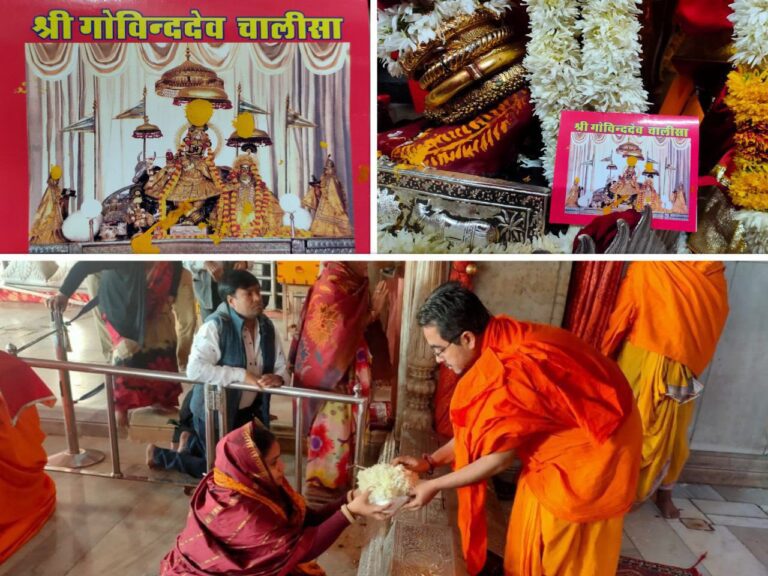
Kalyanji Temple
Kalyanji Temple in Jaipur's Chandpol Bazaar is approximately two centuries old and renowned for displaying the twenty-four avatars of Krishna, visible only twice yearly during Akha Teej and Patottsav festival.
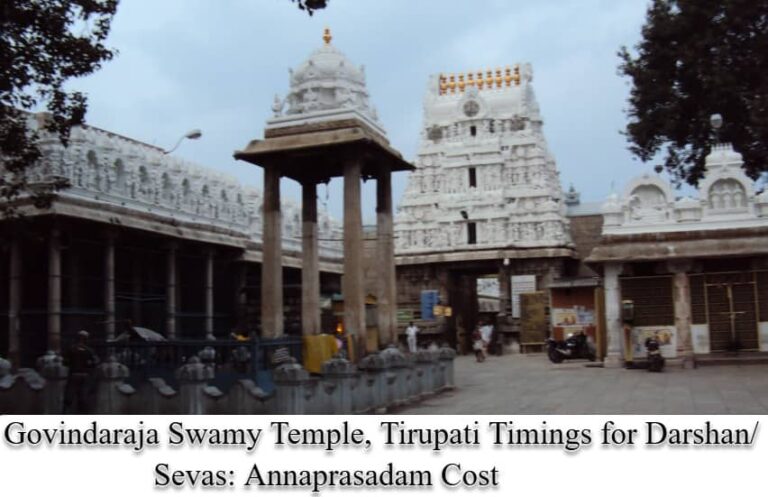
Govindarajaswamy Temple
Sri Govindarajaswamy Temple in Tirupati is an ancient Vaishnavaite shrine consecrated in 1130 AD by Saint Ramanuja, where the presiding deity rests in eternal Yoga Nidra on the serpent Adisesha.
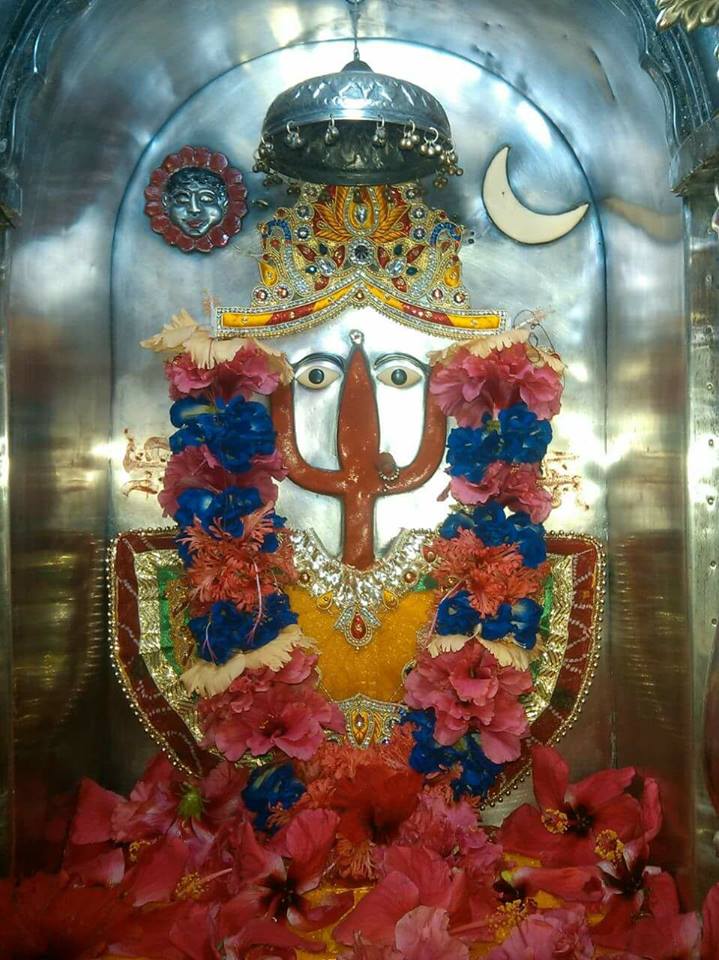
Rani Sati Mandir Mahuda
Rani Sati Mandir in Mahuda, Dhanbad District, is a Hindu temple established in 1992 that serves as a spiritual center for the local community and attracts devotees seeking blessings.