Aakashdevi Temple
About Aakashdevi Temple
The defining feature of Aakashdevi Temple is its thirteen-storied construction, an ambitious vertical design that distinguishes it from most other temples in Arghakhanchi District. This multi-tiered structure represents a significant architectural undertaking for its time and location. The stacked storeys create a distinctive silhouette that serves as a visual marker for the surrounding area.
The temple's architectural approach—building upward rather than outward—reflects particular design choices made by its builders. While the sources do not detail the interior layout, materials, or decorative elements, the sheer scale of the structure suggests careful planning and considerable resources were invested in its construction.
Visiting the Temple
Aakashdevi Temple is located at coordinates 28.0377809, 83.2072097 in Bahigaun Tarakhase, Chhatradev Rural Municipality, Arghakhanchi District, Nepal. Visitors planning a pilgrimage should note this specific location when arranging travel.
The sources provided do not include information about darshan timings, aarti schedules, accommodation facilities, or other visitor amenities. Prospective visitors are advised to contact local authorities or the temple directly to confirm current opening hours, any entry requirements, and available facilities before planning their visit. The remote location in a rural municipality suggests that advance planning regarding transportation and provisions would be prudent.
Reaching the Temple
Aakashdevi Temple is situated in a rural area of Arghakhanchi District in western Nepal. The specific route and transportation options from major towns or cities are not detailed in the available sources. Visitors should seek current information about road conditions and local transport from tourism offices in nearby towns or from the Chhatradev Rural Municipality administration.
The Goddess and Worship Tradition
The temple is dedicated to a Hindu goddess, though the specific identity of the primary deity is not recorded in the available sources. Hindu goddess temples across Nepal and the broader region typically observe daily worship practices and mark significant festivals in the Hindu calendar. Devotees traditionally visit such temples seeking blessings and spiritual connection with the divine feminine principle.
Without specific information about which goddess form is enshrined here, visitors should approach the temple with the reverence appropriate to any sacred Hindu shrine. Local priests or temple staff can provide guidance on proper conduct and ritual participation upon arrival.
Practical Information for Visitors
Visitors to Aakashdevi Temple should be prepared for a rural setting in a mountainous district of Nepal. Appropriate footwear for potentially uneven terrain and weather-appropriate clothing are advisable. The high-altitude location of Arghakhanchi District means that weather conditions can vary significantly by season.
As with most Hindu temples, visitors should dress modestly and respectfully. Specific dress codes or other visitor guidelines for this particular temple are not documented in available sources; it is best to inquire locally or contact the temple in advance. Carrying sufficient water and provisions is recommended given the rural location. Mobile connectivity may be limited, so planning travel carefully and informing others of your itinerary is sensible practice.
How to reach
Temples near Aakashdevi Temple
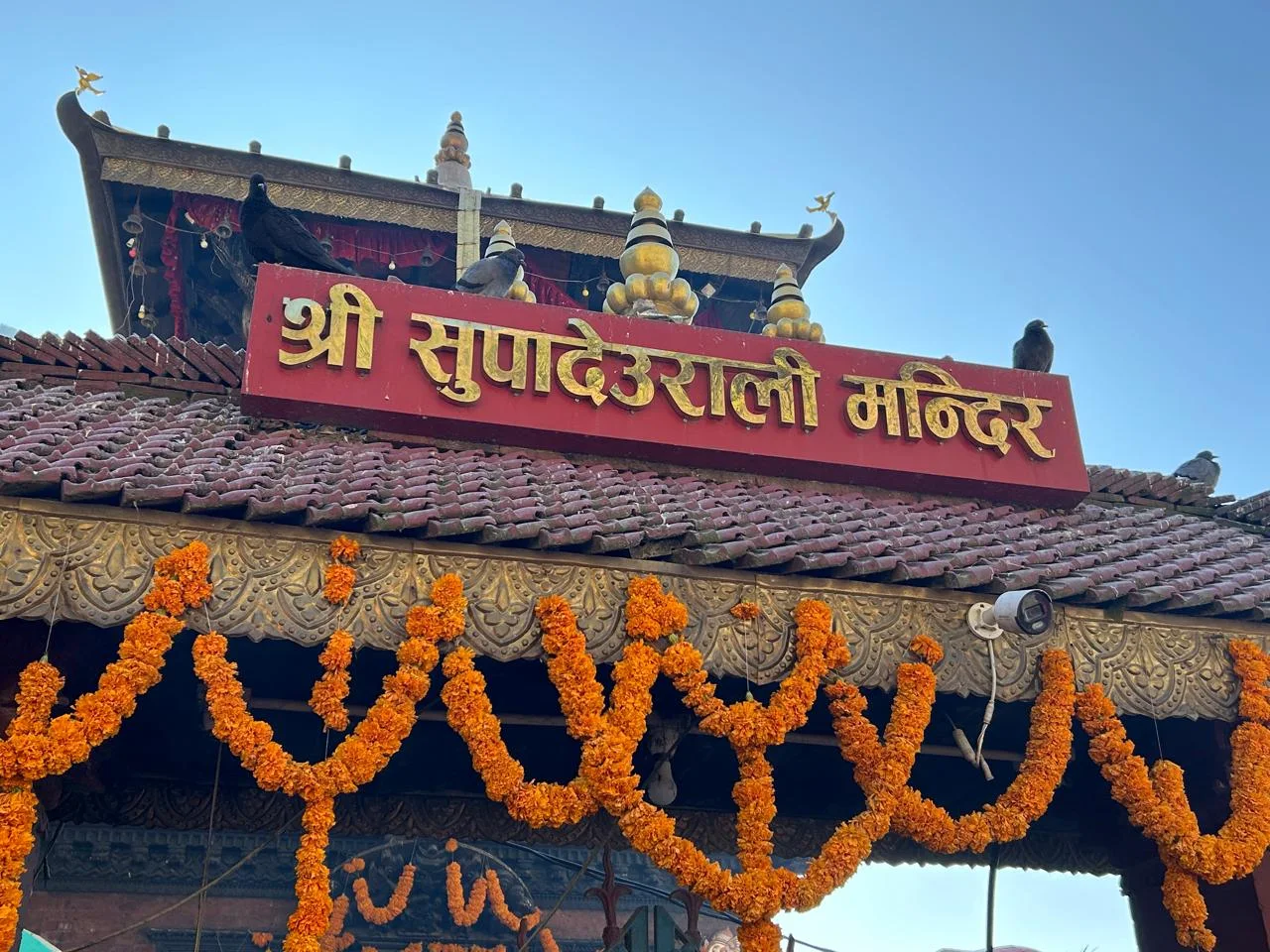
Supa Deurali Temple
Supa Deurali Temple, perched at 4,500 feet on the Mahabharat Range in Arghakhanchi, Nepal, is a centuries-old shrine dedicated to Goddess Supadevi, revered for fulfilling the si…

Rishikesh Temple
Bharat Mandir in Rishikesh is the oldest temple dedicated to Lord Vishnu, traditionally consecrated by Adi Shankaracharya, serving as a major spiritual destination in Uttarakhand.
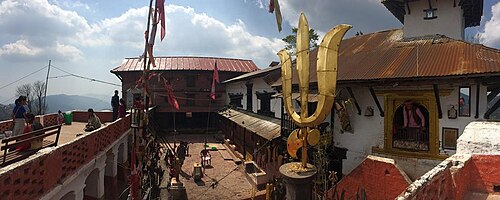
Bhairabsthan Temple
Bhairabsthan Temple is a Hindu shrine dedicated to Bhairav located 9 km northwest of Tansen in Palpa district, Nepal, established during the Sena dynasty period and renowned for…
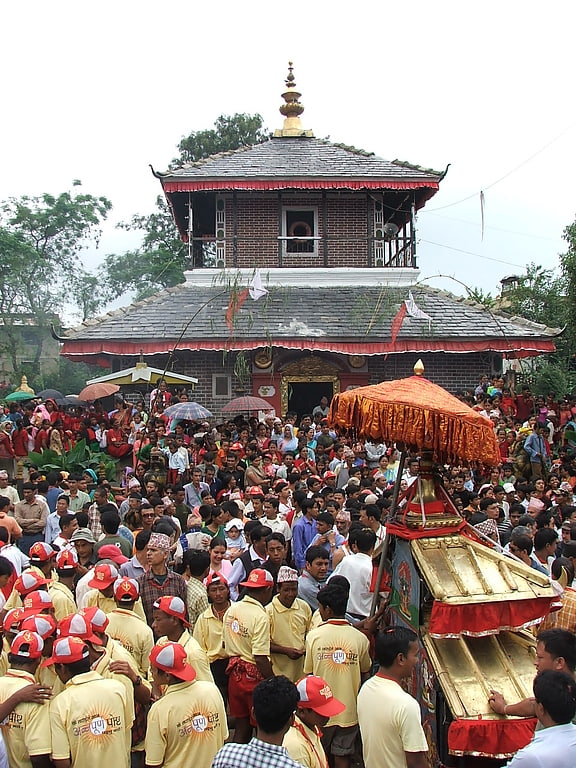
Rana Ujeshwori Bhagwati temple
The Rana Ujeshwori Bhagwati temple in Tansen, Palpa district, was constructed by Ujir Singh Thapa to honor Goddess Bhagwati following Nepal's victory in the Anglo-Nepali War. Th…
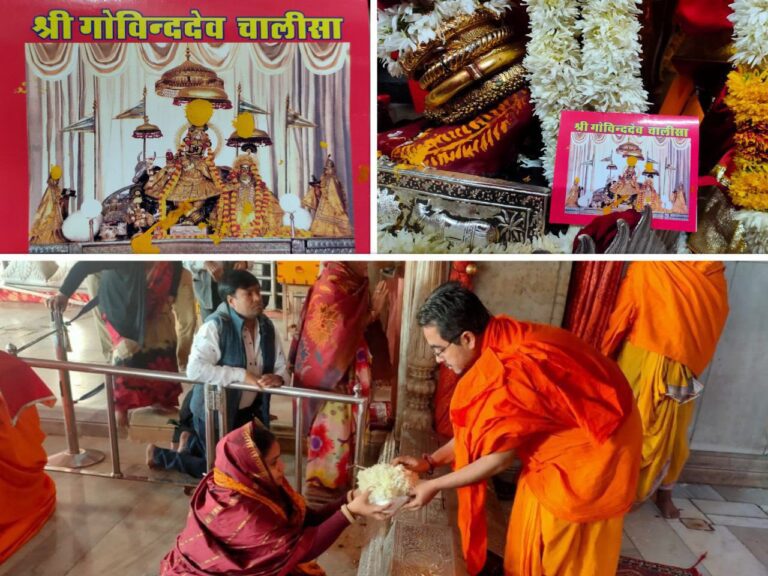
Mandavya Temple
Sri Mandavya Narayana Swamy Temple is a historic Hindu shrine dedicated to Vishnu located in Samarlakota, Kakinada district, Andhra Pradesh, drawing devotees particularly during…
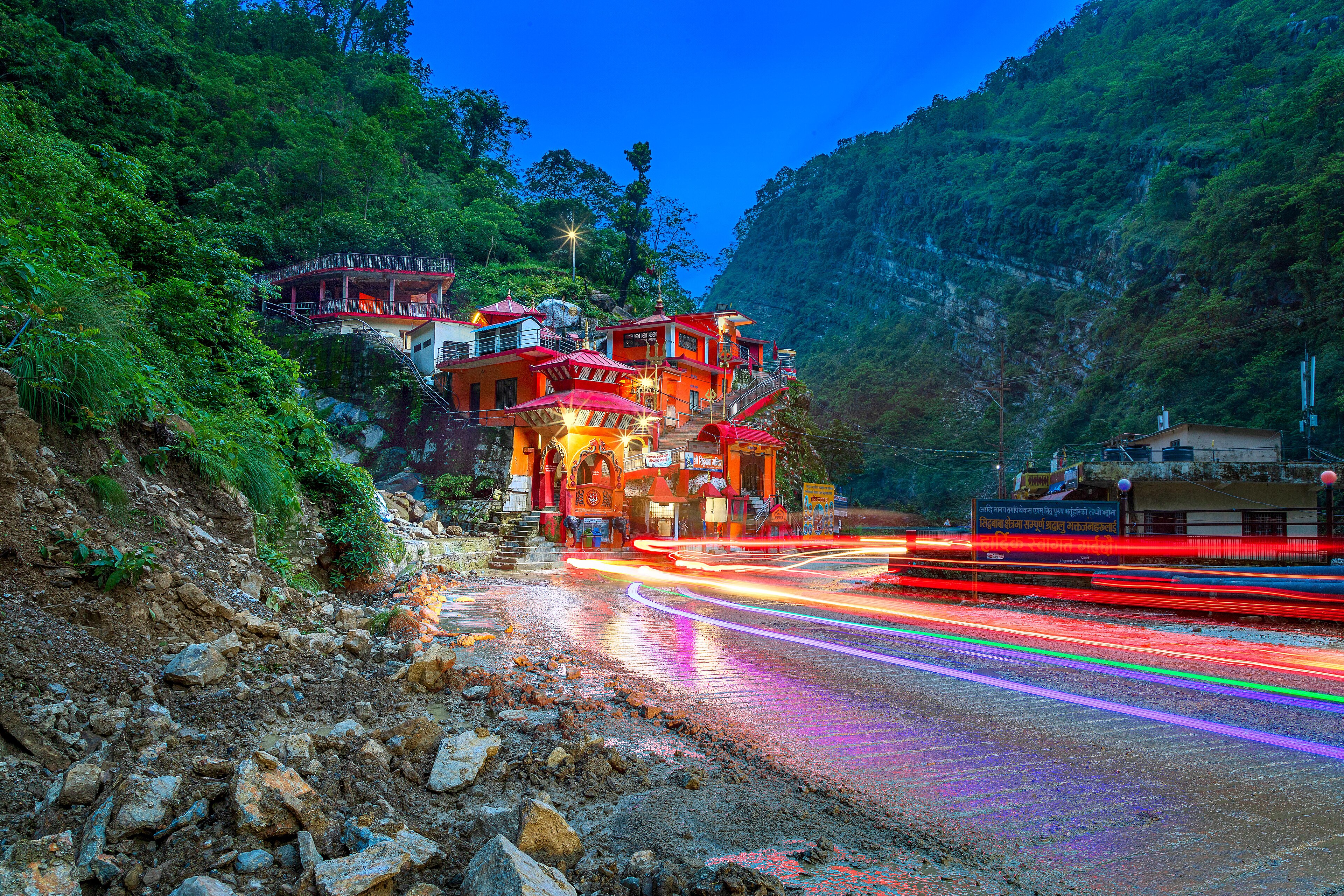
Siddha Baba Temple
Siddha Baba Temple is a Hindu shrine dedicated to Shiva located in Dobhan, Palpa district, Nepal, revered by devotees across the region for fulfilling wishes.