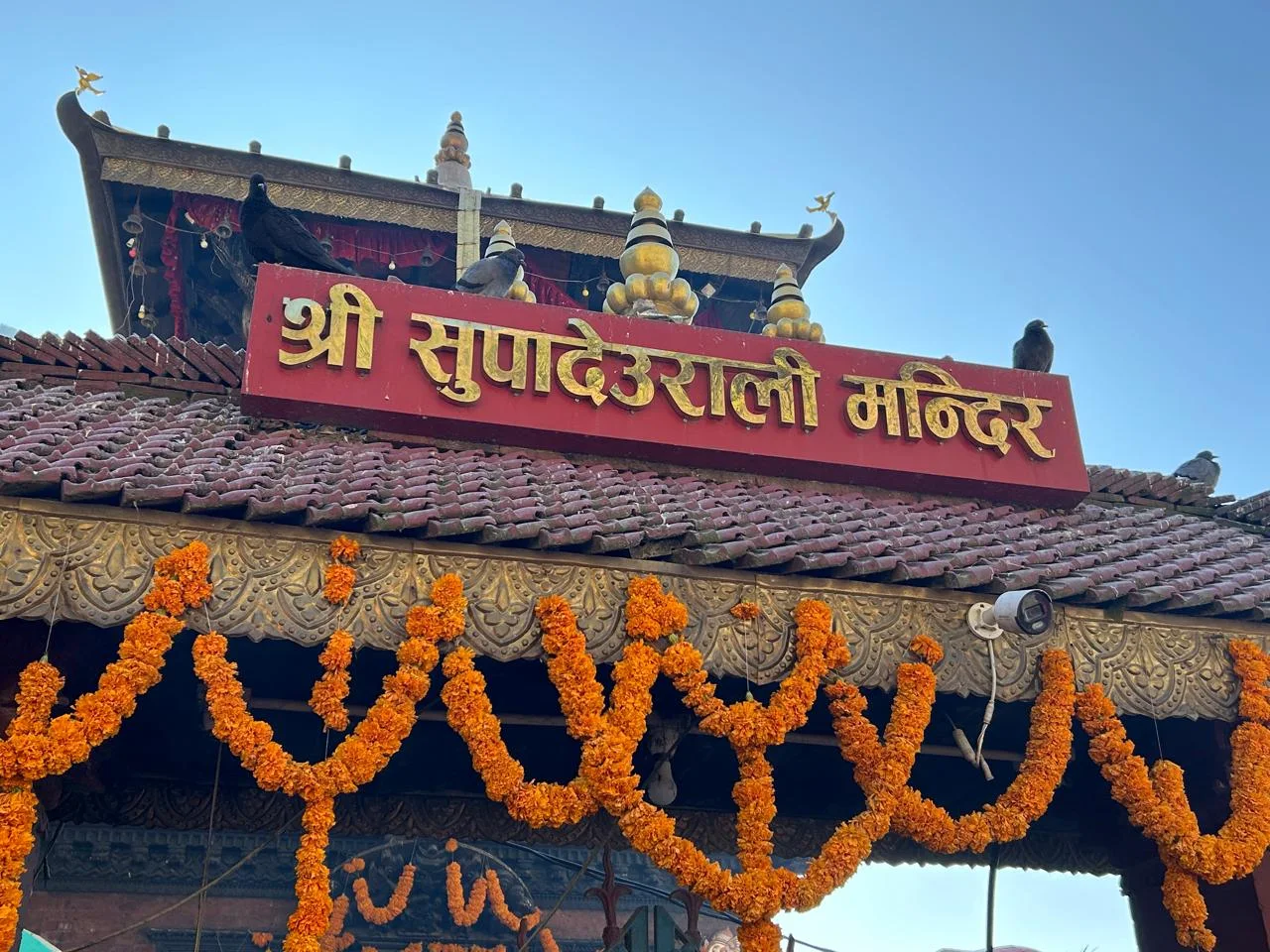
Supa Deurali Temple
About Supa Deurali Temple
The temple was established in 1543 during the Baise-Chaubise era, built under the patronage of King Biswa Pal Shah of the Khanchi kingdom. This five-hundred-year history grounds the shrine in Nepal's medieval period and connects it to the region's political and spiritual heritage.
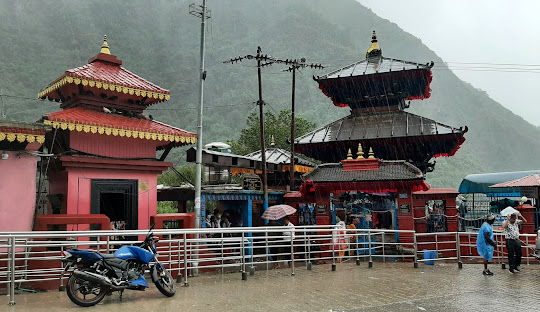
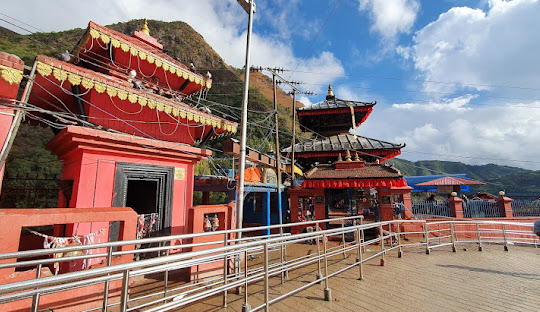
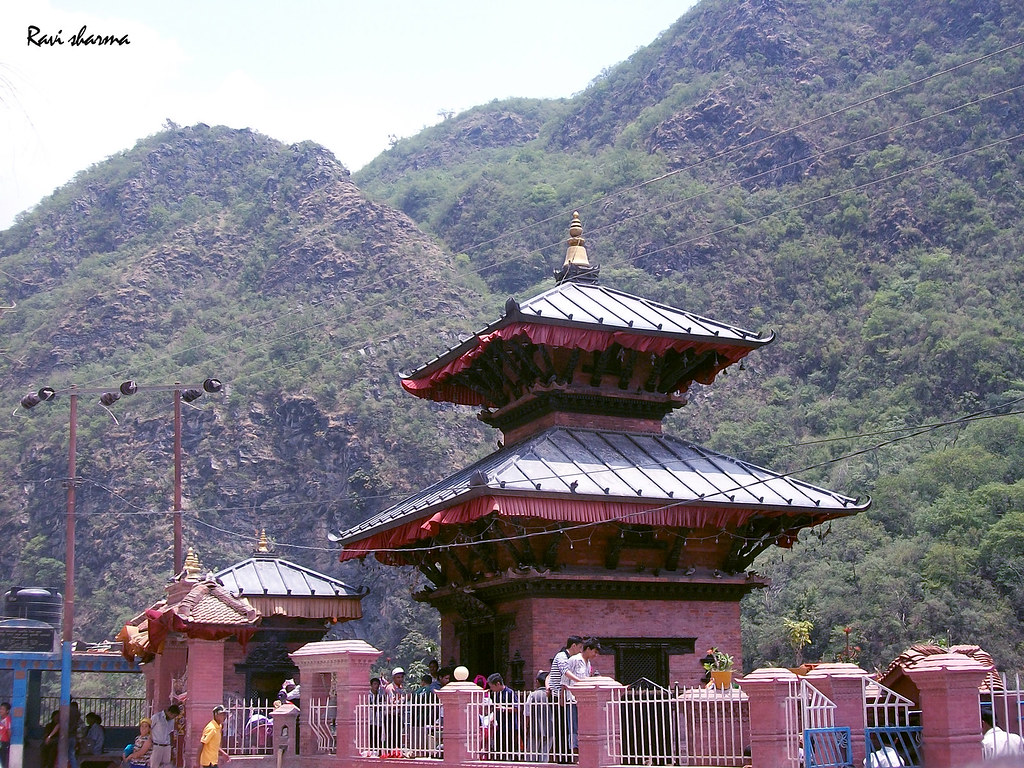
The structure follows Newari pagoda architecture, a multi-tiered design characteristic of the Newari tradition. Perched at approximately 4,500 feet on the Mahabharat Range, the temple occupies a dramatic cliff-side location surrounded by forested hills, rocky terrain, and waterfalls. This integration of built form with natural landscape—where the pagoda's vertical lines echo the mountain setting—is typical of Himalayan temple design, creating a space where architecture and environment reinforce the sense of the sacred.
Daily Worship and 24-Hour Access
Supa Deurali Temple remains open continuously, accessible to pilgrims at any hour of the day or night. This round-the-clock availability is unusual for temples in Arghakhanchi District and reflects the shrine's role as a destination for those seeking urgent spiritual intervention or traveling at unconventional times.
Daily pujas and ritual offerings structure worship at the site. Devotees make offerings called bhakal, which sustain the temple's operations. Early morning and evening hours typically draw larger gatherings of worshippers, though the twenty-four-hour access means visitors can time their darshan according to their own schedules and circumstances.
Community Support Through Pilgrimage
The temple receives approximately 15 million Nepali rupees annually in donations from devotees. Rather than serving only the shrine's maintenance, these offerings fund two local schools and village development projects in the surrounding area. This integration of spiritual practice with community welfare means that a visitor's offering directly supports education and infrastructure for the local population.
The temple thus functions simultaneously as a place of worship and as a center of social investment, demonstrating how pilgrimage sites can sustain local institutions and development beyond their purely religious function.
Festivals and Gatherings
The Nepali New Year draws large gatherings of devotees to the temple, making this period a particularly significant time for pilgrimage and celebration. Beyond this major observance, the sources do not detail other specific festivals or their dates, though daily worship continues throughout the year.
Visiting the Temple: Practical Information
The temple is located in Sandhikharka municipality, Arghakhanchi District, Lumbini Province, Nepal, at coordinates 27.9002247, 83.1336951. Visitors should prepare for the high-altitude mountain setting and terrain surrounding the shrine.
As with Hindu temples generally, modest dress is appropriate—covering shoulders and knees shows respect for the sacred space. The twenty-four-hour access means pilgrims can visit according to their own schedules, though the sources do not specify particular restrictions or requirements for entry. Visitors should be aware of the altitude and the natural landscape, which includes waterfalls and suspension bridges in the surrounding area. The sources do not detail specific accommodation or dining facilities at or immediately near the temple, so visitors should plan accordingly based on their needs and the distance they are traveling.
How to reach
You may also visit
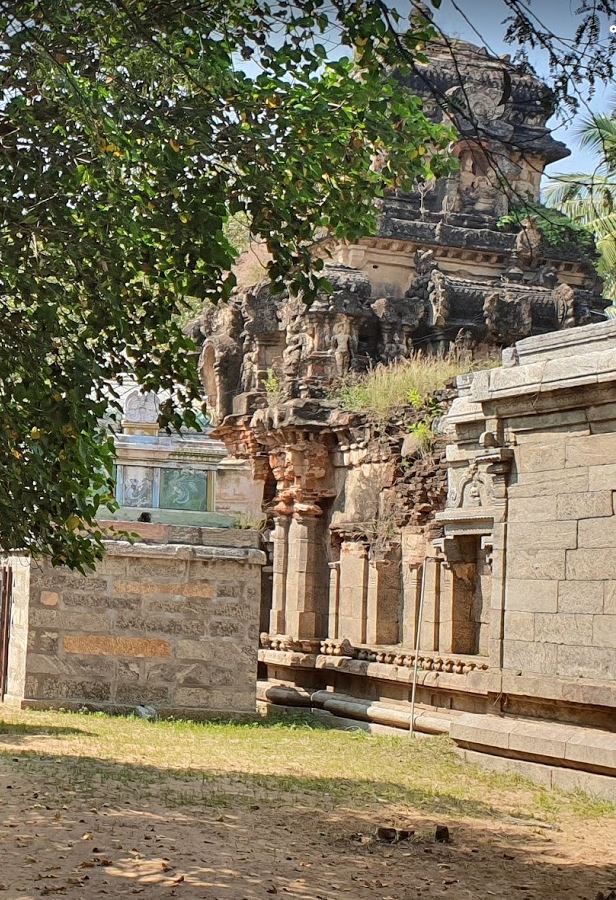
Agatheeswarar Temple, Karur
Agatheeswarar Temple in Thirumukkudalur, Karur district, is an ancient Hindu shrine dedicated to Shiva, situated at the sacred confluence of three rivers and believed to be over 1000 years old.
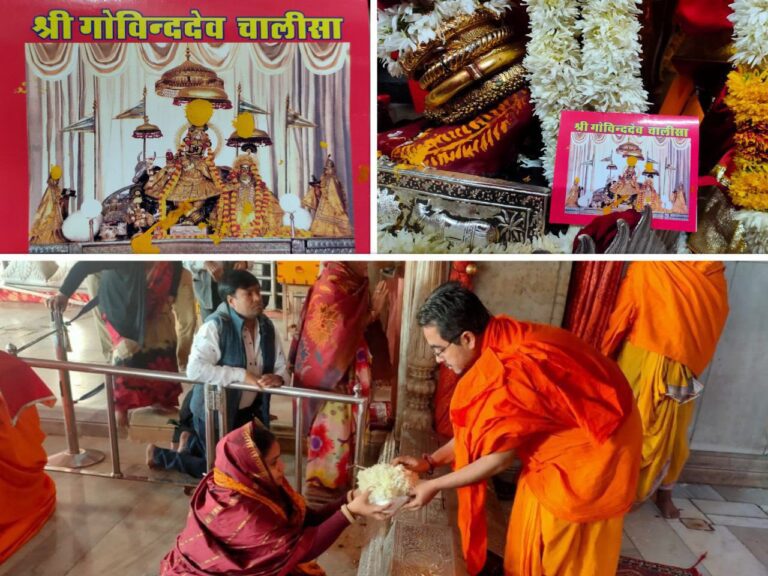
Kalyanji Temple
Kalyanji Temple in Jaipur's Chandpol Bazaar is an ancient Krishna shrine established in the 1820s, renowned for its seven daily aartis and special avatar darshan ceremonies during Akha Teej and Patottsav festivals.
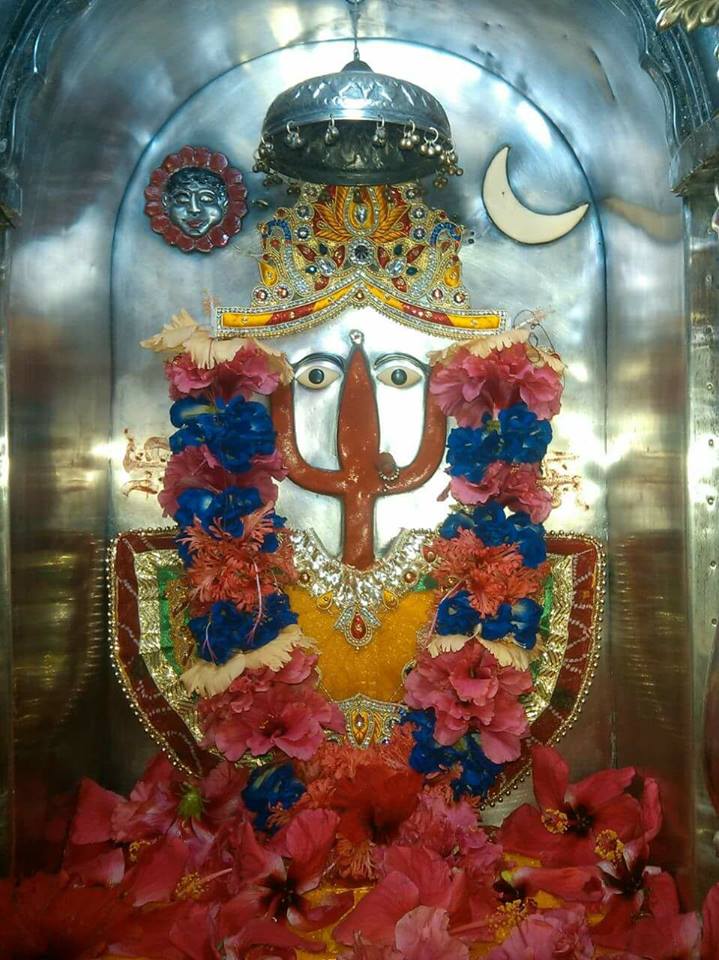
Rani Sati Mandir Mahuda
Rani Sati Mandir in Mahuda, Dhanbad District, is a Hindu temple established in 1992 that serves as a spiritual center for the local community and attracts devotees seeking blessings.