
Rishikesh Temple
About Rishikesh Temple
The temple opens for darshan in two sessions: morning hours from 6:00 AM to 12:00 PM, and evening hours from 4:00 PM to 9:00 PM. Both sessions include formal aartis—the ritual of offering light to the deity. The morning aarti marks the beginning of the day's worship, while the evening aarti concludes it. Exact timings may vary with seasonal changes and festival observances, so confirming times upon arrival or in advance is advisable.
Visitors should plan their visit according to these windows. The morning session typically draws fewer crowds than the evening, making it suitable for those seeking a quieter darshan experience. As with most Hindu temples, modest dress is expected; visitors should cover shoulders and knees as a mark of respect.
Best Time to Visit
The optimal period to visit Bharat Mandir falls between October and March, when Rishikesh's climate is most pleasant. During these months, temperatures are moderate, making the journey to the temple and time spent in worship more comfortable. The cooler weather also aligns with the broader pilgrimage season across North India, when many devotees undertake sacred journeys.
Visiting during this window also means better conditions for exploring the wider Rishikesh area, which contains numerous other temples and ashrams. However, this popularity does bring larger crowds, particularly at major sites in the region, so early morning visits may offer a more peaceful experience.
Worship of Vishnu
Bharat Mandir's dedication to Vishnu, the preserver deity in the Hindu trinity, places it within a vast tradition of Vaishnava worship. Temples dedicated to Vishnu typically emphasize themes of divine protection, cosmic order, and the deity's various incarnations. Devotees visit such temples seeking blessings for wellbeing, guidance, and spiritual progress.
The choice of Vishnu as the presiding deity reflects Rishikesh's role as a centre for multiple Hindu philosophical and devotional schools, many of which hold Vishnu in central importance.
Visiting Information and Etiquette
Entry to the temple is free. Visitors should arrive during the designated darshan hours and be prepared for the possibility of queues, particularly during evening hours and weekends. Photography policies vary at temples; it is courteous to ask permission before photographing the sanctum or rituals.
Temple etiquette includes removing footwear before entering the inner sanctum, circumambulating the deity clockwise as a sign of respect, and accepting prasad (blessed food offering) with the right hand if offered. Visitors unfamiliar with temple customs should observe others and follow their lead. Those wishing to arrange special pujas, VIP darshan slots, or assistance can contact the temple coordinators in advance through official channels.
Location and Access
Bharat Mandir is situated in Rishikesh, Uttarakhand, in northern India. The town itself is well-connected by road and rail to major cities in North India. Rishikesh lies approximately 25 kilometres from Haridwar, a major pilgrimage centre, and about 20 kilometres from Dehradun's airport. Local transport within Rishikesh includes auto-rickshaws and buses; the temple's central location makes it accessible to most visitors staying in the town.
Those planning a visit should confirm current darshan and aarti timings before arrival, as schedules may shift with festivals and seasonal observances. Early morning visits are generally recommended for a more serene experience of the temple's worship.
How to reach
Temples near Rishikesh Temple
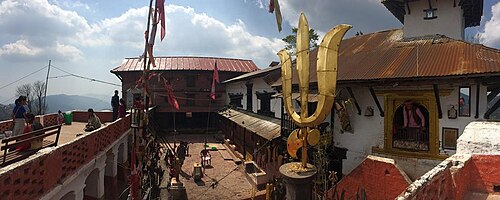
Bhairabsthan Temple
Bhairabsthan Temple is a Hindu shrine dedicated to Bhairav located 9 km northwest of Tansen in Palpa district, Nepal, established during the Sena dynasty period and renowned for…
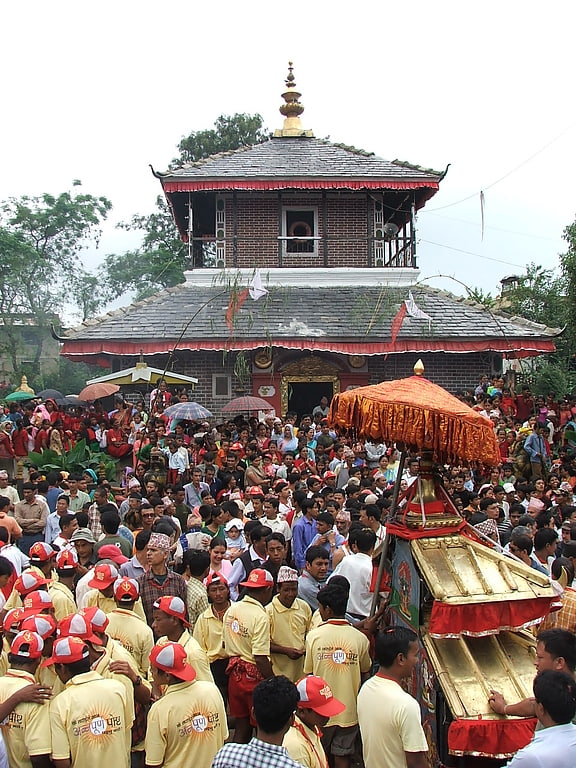
Rana Ujeshwori Bhagwati temple
The Rana Ujeshwori Bhagwati temple in Tansen, Palpa district, was constructed by Ujir Singh Thapa to honor Goddess Bhagwati following Nepal's victory in the Anglo-Nepali War. Th…
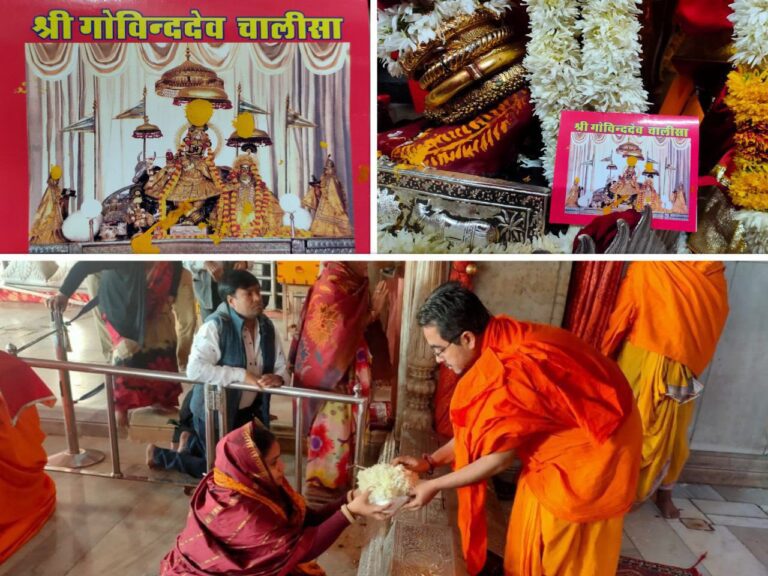
Mandavya Temple
Sri Mandavya Narayana Swamy Temple is a historic Hindu shrine dedicated to Vishnu located in Samarlakota, Kakinada district, Andhra Pradesh, drawing devotees particularly during…
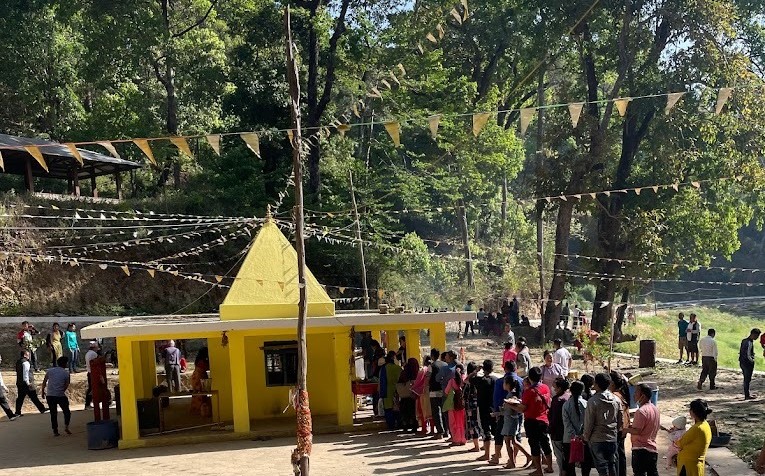
Satyawati temple
Satyawati Temple in Palpa, Nepal is dedicated to the Magar community goddess Satyawati and sits at 1400 meters elevation near a sacred lake. Approximately 300,000 pilgrims from…
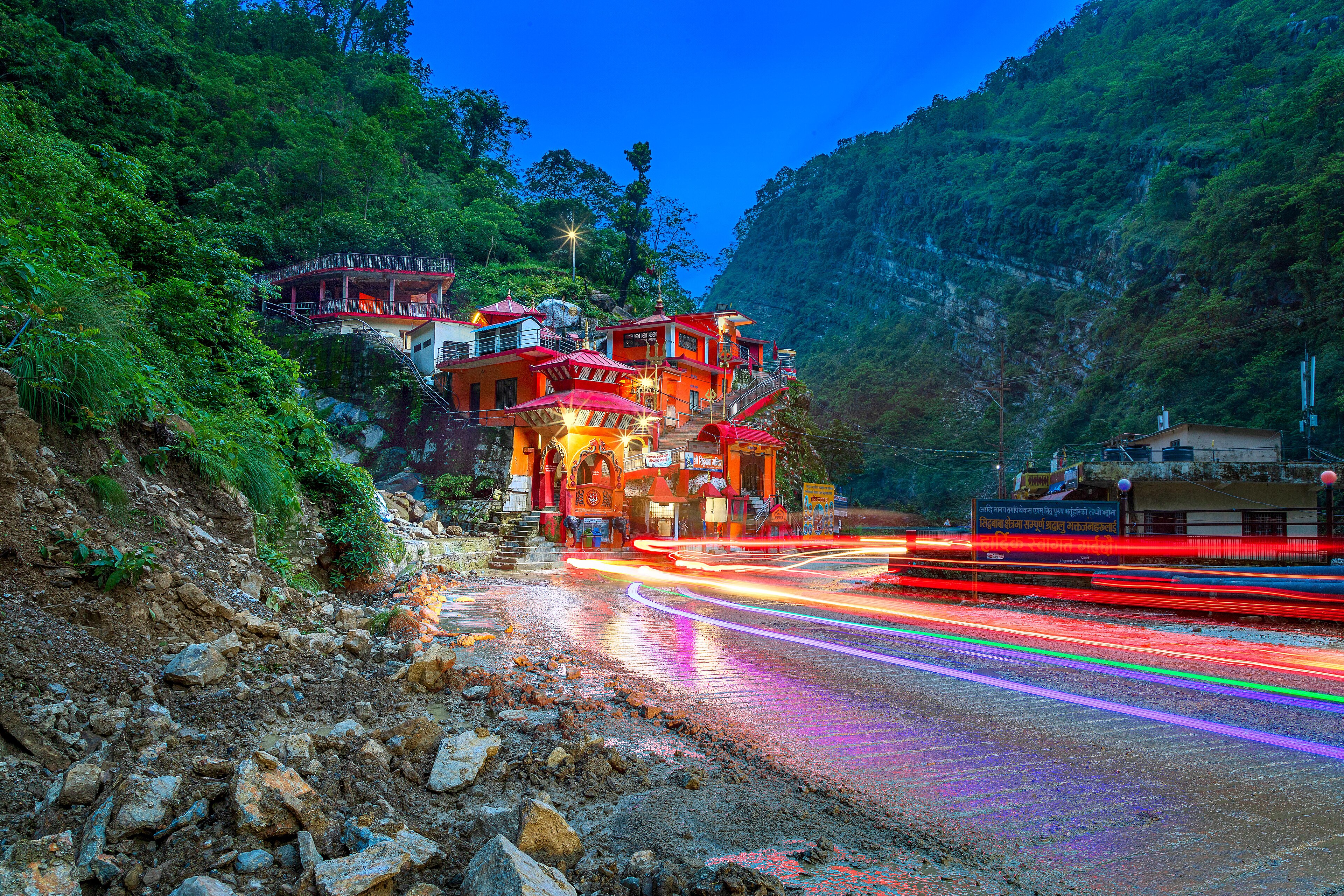
Siddha Baba Temple
Siddha Baba Temple is a Hindu shrine dedicated to Shiva located in Dobhan, Palpa district, Nepal, revered by devotees across the region for fulfilling wishes.
Aakashdevi Temple
Aakashdevi Temple, also known as Tarakhase Temple, is a 13-storied Hindu goddess shrine located in Bahigaun Tarakhase, Nepal, recognized as the tallest temple in Arghakhanchi Di…