AmbigerGudi Temple Complex - Western Temple
About AmbigerGudi Temple Complex - Western Temple
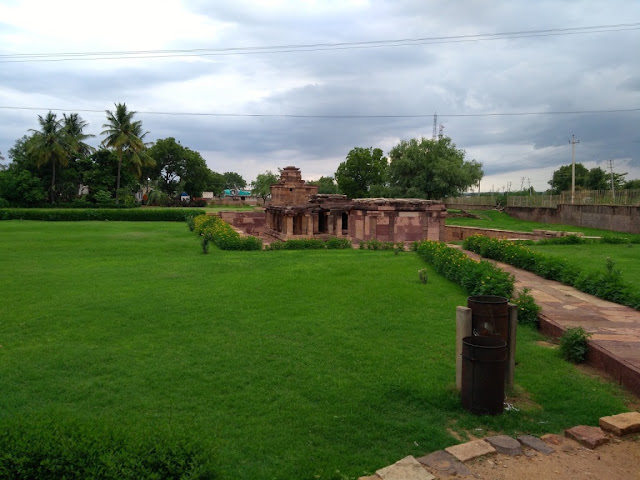
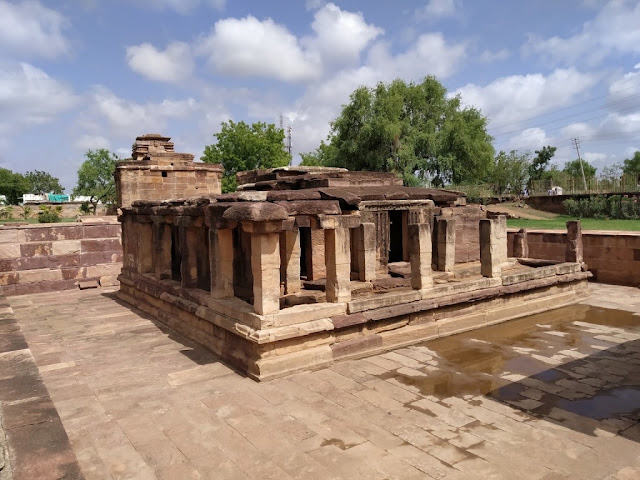
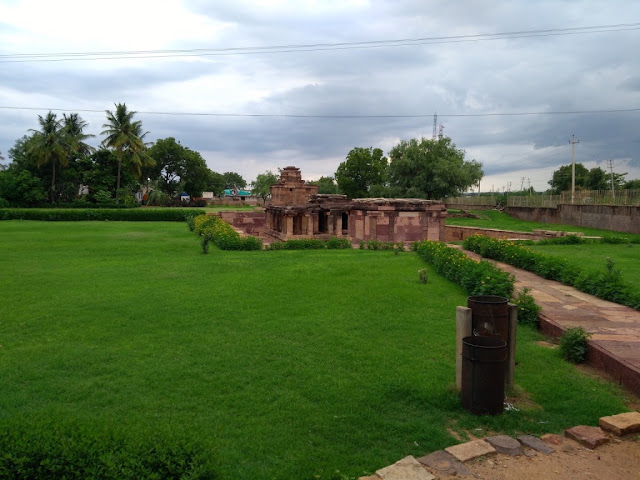
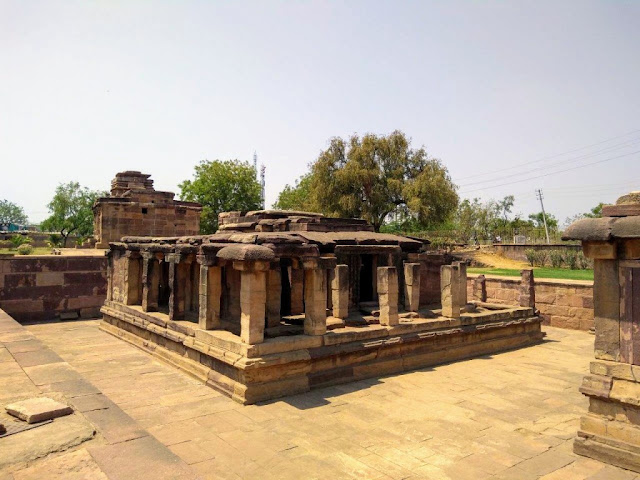
The Western Temple of the AmbigerGudi complex stands in Kalligudda village within Aihole, Bagalkot District, Karnataka, positioned along the banks of the Malaprabha river. The temple sits within a landscape rich in early medieval religious architecture, part of a cluster of monuments that reflect centuries of devotional practice in this region. The coordinates 16.019472°N, 75.884166°E mark its precise location on State Highway 133, making it accessible to those exploring Aihole's archaeological heritage.
Historical and Architectural Significance
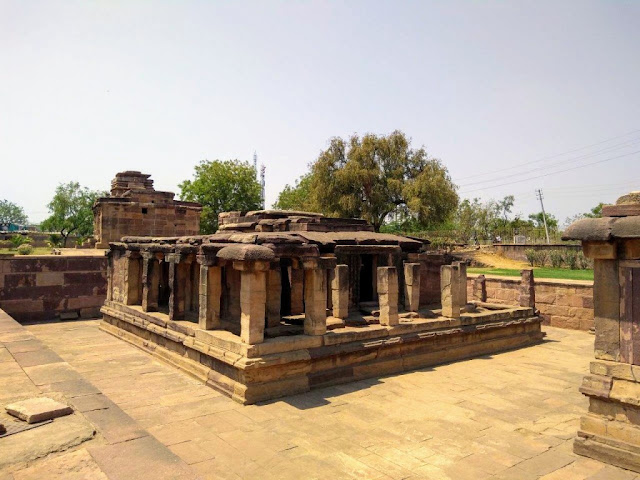
The Western Temple dates to the 6th–8th century CE, a period of remarkable architectural innovation under the Chalukya dynasty. This timeframe places it among Karnataka's earliest stone temples, representing a formative phase in South Indian temple design. The structure exemplifies Chalukya architectural principles characteristic of Aihole's temple tradition. As an ASI (Archaeological Survey of India) protected monument, the temple receives formal conservation status, reflecting its historical importance to Indian architectural heritage. Visitors should approach the structure with awareness of its antiquity and fragile condition.
The Deity and Worship Tradition
The primary deity of this particular temple is not recorded in available sources. Visitors approaching the temple should be prepared that identifying the central focus of worship may require consultation with temple staff or local guides familiar with the complex's layout and history. This uncertainty reflects the challenges of interpreting early medieval temple sites where inscriptions may be worn or absent. The temple's position within a larger complex suggests it functioned as part of a coordinated sacred landscape rather than in isolation.
Visiting the Temple
No formal darshan timings or aarti schedules are documented for this monument. As an ASI-protected archaeological site rather than an actively managed pilgrimage temple with regular services, visitors should verify current access conditions before traveling. The temple's status as a protected structure means it may have restricted visiting hours or require permissions. Local authorities in Aihole or the ASI office can provide current information about access and any conservation work in progress. Modest dress is appropriate when visiting any Hindu temple site, and visitors should move respectfully through the space.
Exploring the Complex
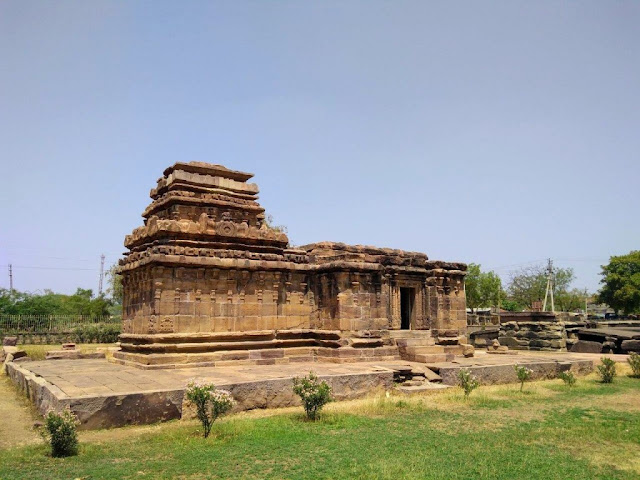
The AmbigerGudi complex comprises multiple temples, with the Western Temple being one distinct structure within the group. The broader complex, situated on the Malaprabha riverbank, offers context for understanding early Chalukya religious architecture and settlement patterns. Visitors with scholarly or archaeological interest may benefit from guidebooks specific to Aihole's monuments, which often provide comparative analysis of the complex's temples and their stylistic features. The river setting itself contributes to the site's character and may offer quieter moments for reflection.
Reaching the Temple
The temple is located on State Highway 133 near Kalligudda in Aihole, within Bagalkot District. Aihole is accessible by road from larger towns in the region. Visitors should arrange transportation in advance, as public transport to specific archaeological sites may be limited. The nearest significant town is Badami, also in Bagalkot District, which has broader accommodation and transport connections. Planning a visit to multiple Aihole monuments in a single trip is practical, as several temples and archaeological sites cluster in this area.
How to reach
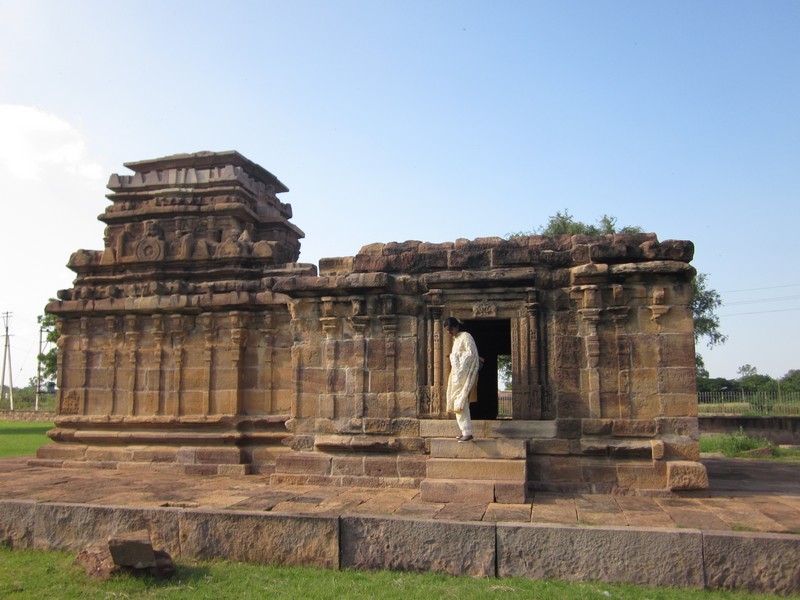
Temples near AmbigerGudi Temple Complex - Western Temple
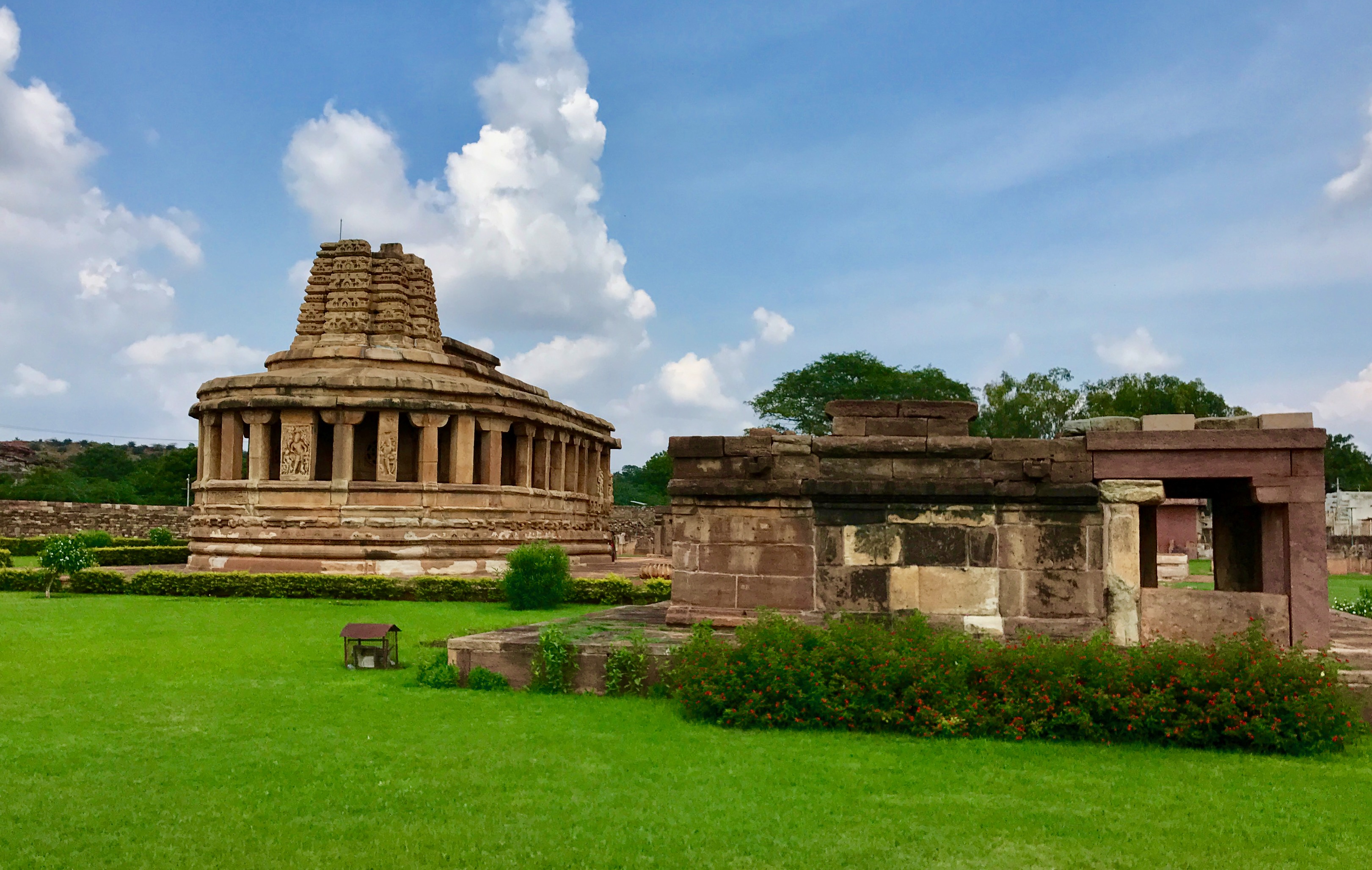
Basavanna Temple Aihole
Basavanna Temple in Aihole is part of the ancient temple complex known as the Cradle of Indian Temple Architecture, featuring structures from the Chalukya period.
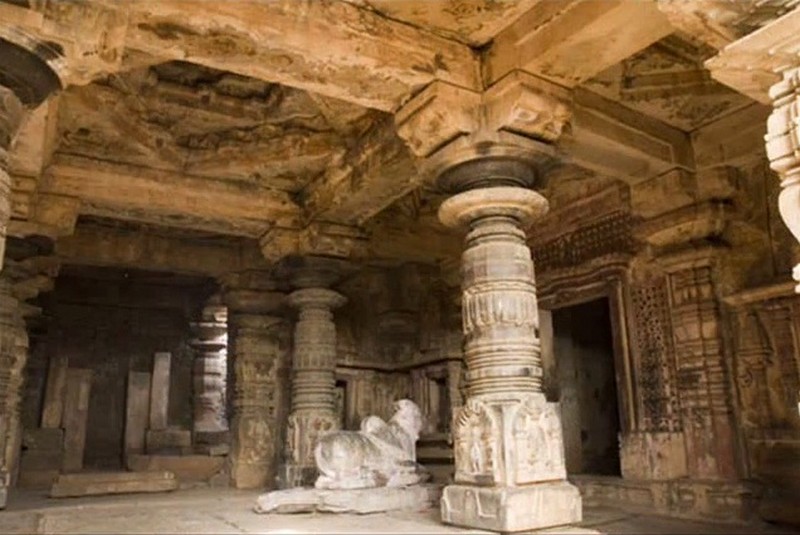
Galaganatha Temples Aihole
Galaganatha Temples in Aihole is a complex of ancient Hindu temples recognized as a Monument of National Importance, representing the architectural heritage of the Chalukya period.
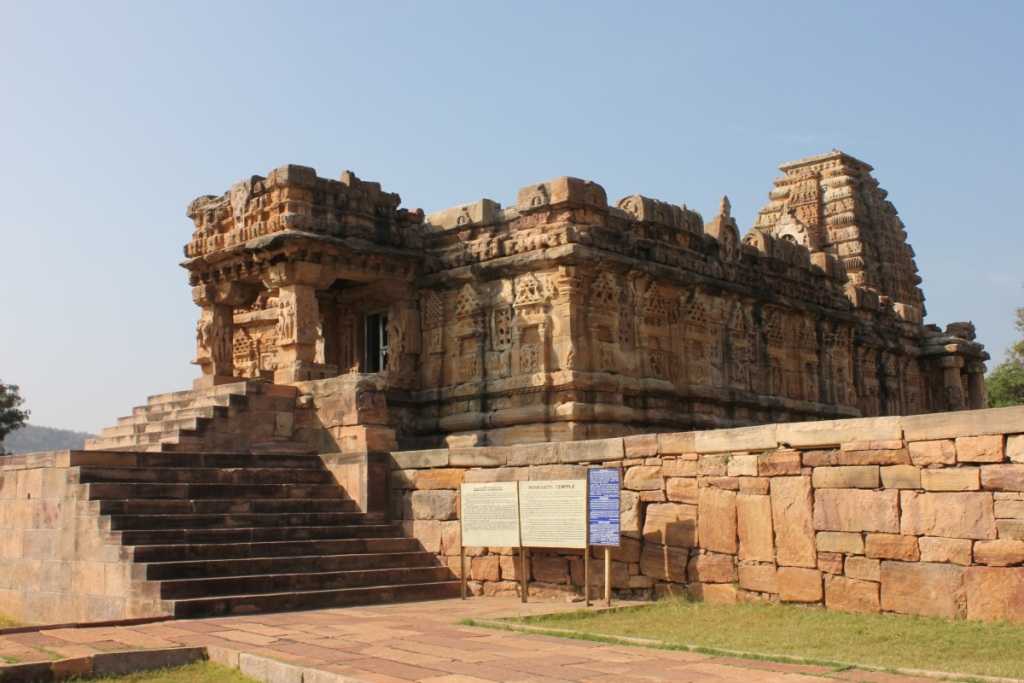
Papanatha temple
Papanasanathar Temple in Papanasam, Tamil Nadu is a Shiva shrine situated by the Thamirabarani waterfalls, traditionally visited for spiritual purification.

Mahakuta group of temples
The Mahakuta group of temples is an ancient complex dedicated to Lord Shiva, located in Bagalkot district, Karnataka. Built by the early Chalukya dynasty in the 6th or 7th centu…
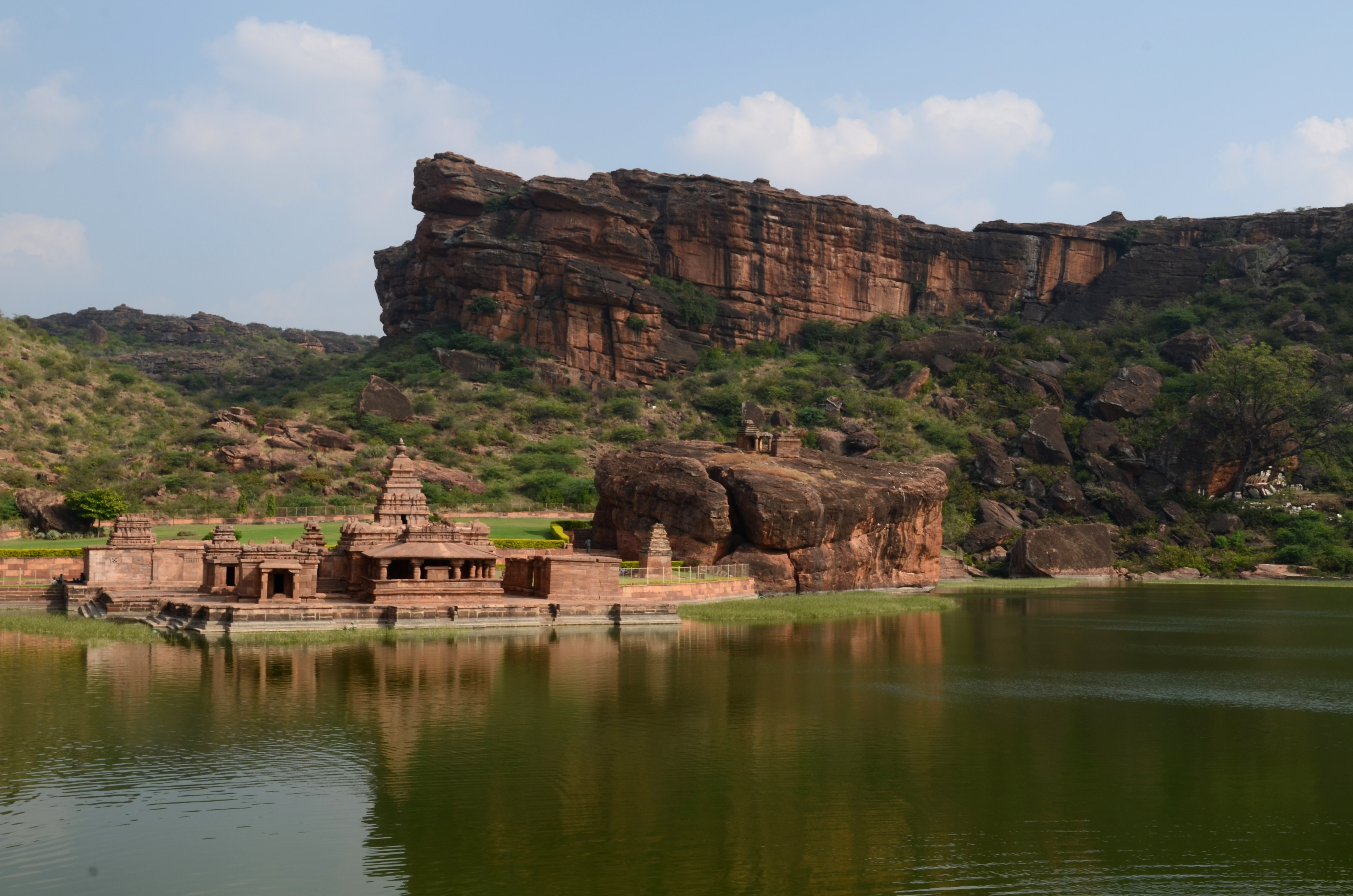
Bhutanatha group of temples, Badami
The Bhutanatha group of temples in Badami, Karnataka, comprises multiple shrines dedicated to Shiva spanning from the 7th to 12th centuries, showcasing both Dravidian and Nagara…
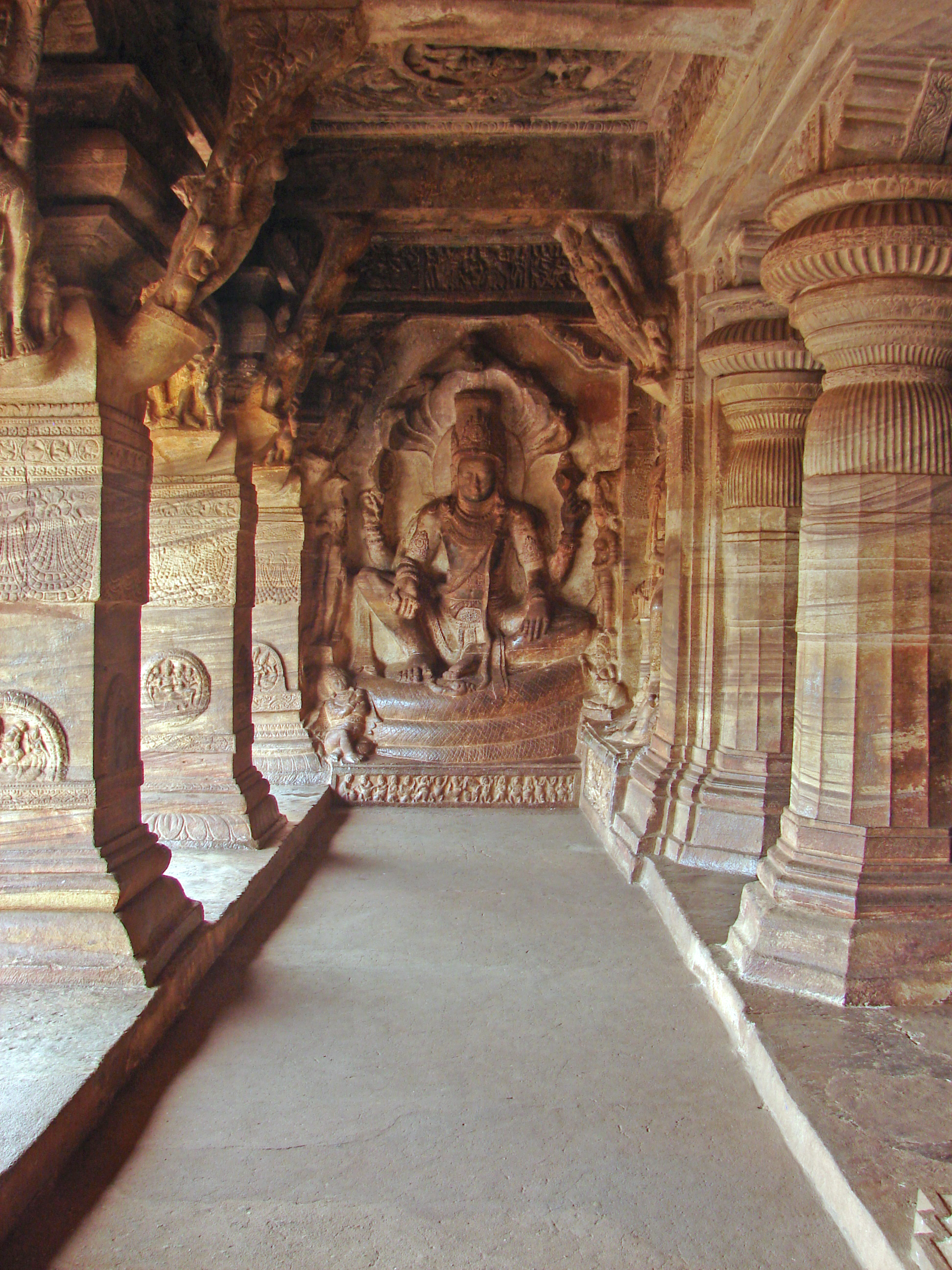
Badami cave temples
The Badami Cave Temples are a group of Hindu, Jain, and Buddhist rock-cut caves dating to the 6th century, carved during the Chalukya dynasty's reign and representing significan…