

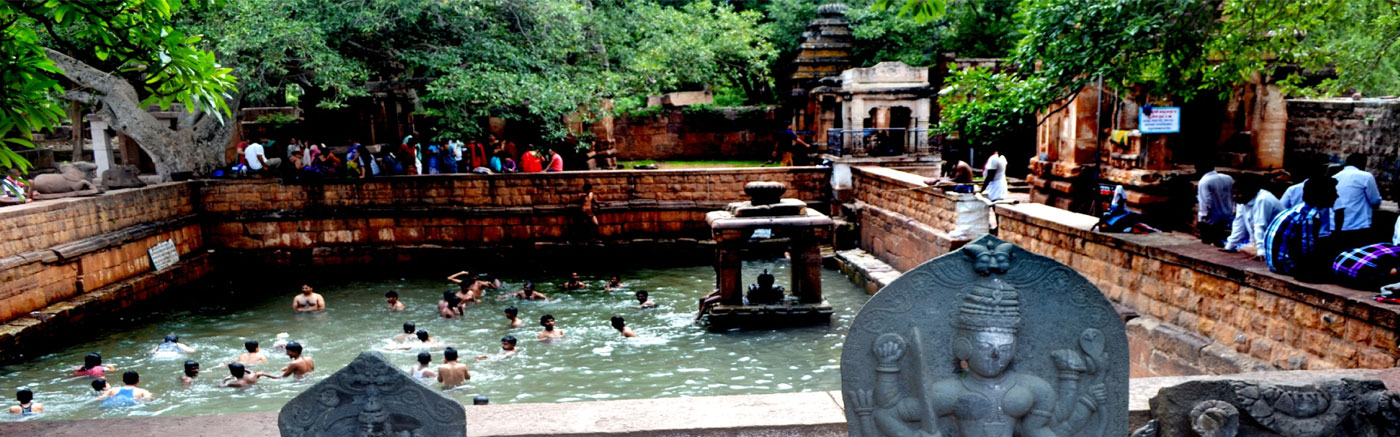
Mahakuta group of temples
About Mahakuta group of temples
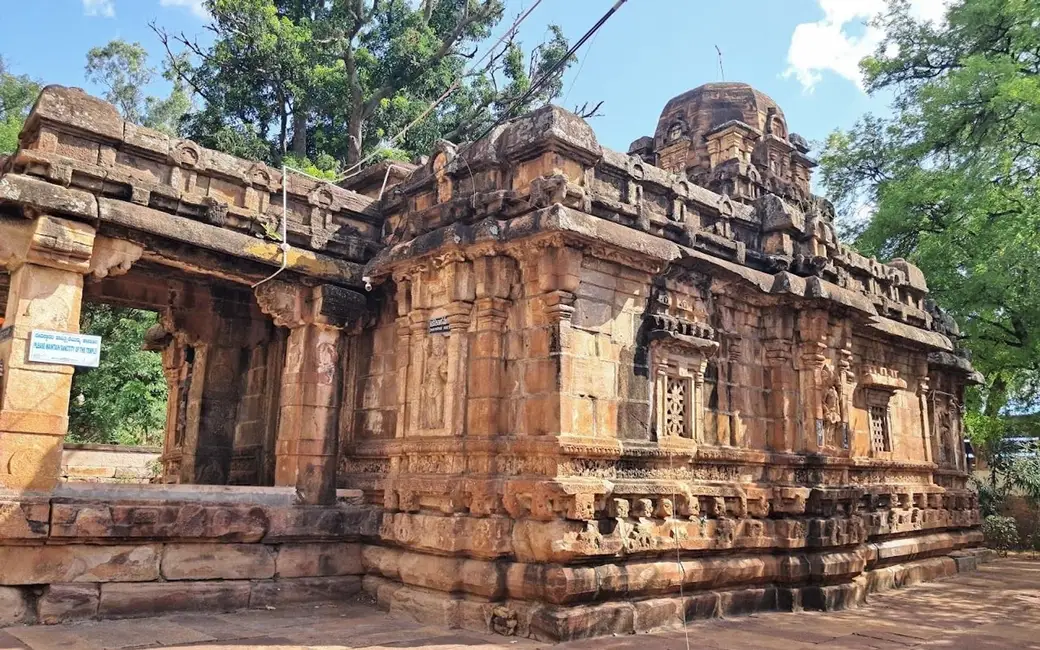
The temples were established during the 6th and 7th centuries CE under the patronage of the early Chalukya dynasty of Badami. The dating rests on architectural analysis—the style aligns closely with contemporary temples at nearby Aihole—and on two significant inscriptions found within the complex. The Mahakuta Pillar inscription, composed in Sanskrit and Kannada script, dates to between 595–602 CE, while an inscription of Vinapoti, a concubine of king Vijayaditya, dates to between 696–733 CE and is written in Kannada. These records anchor the site firmly within the early Chalukya period, a formative era in South Indian temple architecture.
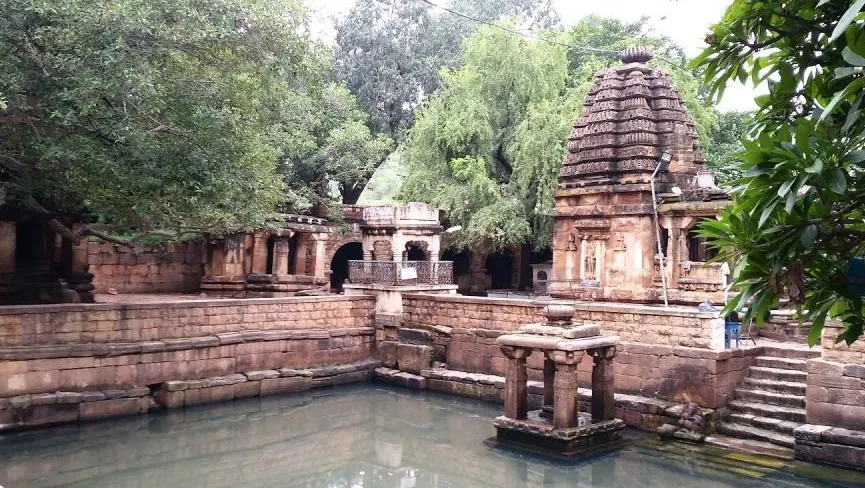
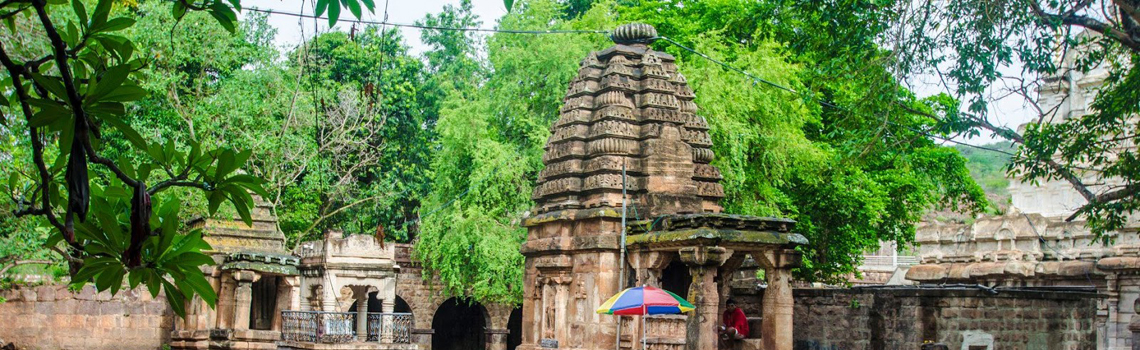
The temples display Dravidian architectural characteristics typical of the period. The complex includes representations of sacred forms such as the four-faced linga and images of Veerbhadra and other deities, elements that reflect the Shaiva theological and artistic traditions of the age. The site is protected as an ASI (Archaeological Survey of India) monument, ensuring its preservation for future generations.
Daily Worship and Darshan
The temple welcomes visitors daily from 6:00 AM to 8:00 PM, with free entry for all devotees. A range of ritual services are performed throughout the day, including Rudrabhisheka, Archana, Abhisheka, and Nagaprathishte, conducted in both Sanskrit and Kannada to accommodate worshippers from different linguistic backgrounds. These rituals form part of the living practice at the site, allowing devotees to participate in traditional forms of worship.
Best Times to Visit
The winter months from November to February offer the most comfortable conditions for visiting. Within these months, the morning hours between 8:00 AM and 12:00 PM are particularly suitable for darshan and exploration of the complex. The temple becomes especially vibrant during its festival season and the annual brahmotsavam, when special rituals and celebrations draw larger gatherings of devotees and create an atmosphere of heightened spiritual activity.
Festivals and Observances
Major festivals observed at Mahakuteshwara include Maha Shivaratri, which falls in February or March, and Lalit Poornima or Buddha Jayanti, observed in May or October. During these occasions, the temple organizes special events and annadanam—the distribution of free food to devotees—reflecting the tradition of communal participation in sacred celebrations. These festival periods offer visitors an opportunity to witness the temple's rituals and community life at their most active.
Practical Information for Visitors
The temple is located in Mahakuta village, Bagalkot district, Karnataka (coordinates: 15.91666667, 75.75). Visitors should dress modestly, as is customary at Hindu temples; removal of footwear before entering the sanctum is standard practice. The site functions as an active place of worship, so visitors are expected to conduct themselves respectfully during darshan and ritual times.
How to Reach Mahakuta
By air, visitors can arrive at Belgaum Airport or Hubli Airport, then travel onward to Bagalkot and Badami. By train, the UBL SUR PASS (Train No. 56906) connects Hubli to Bagalkot with a 13:00 departure, while the BASAVA EXPRESS (Train No. 17307) runs from Bangalore to Bagalkot, departing at 17:00. By road, Bagalkot is 122.6 km from Hubli via NH52, 83.8 km from Bijapur via NH52, 140.5 km from Belgaum via the Bachi-Raichur Highway, and 529 km from Bangalore via NH48. From Bagalkot, Mahakuta village is accessible by local transport.
How to reach
Temples near Mahakuta group of temples
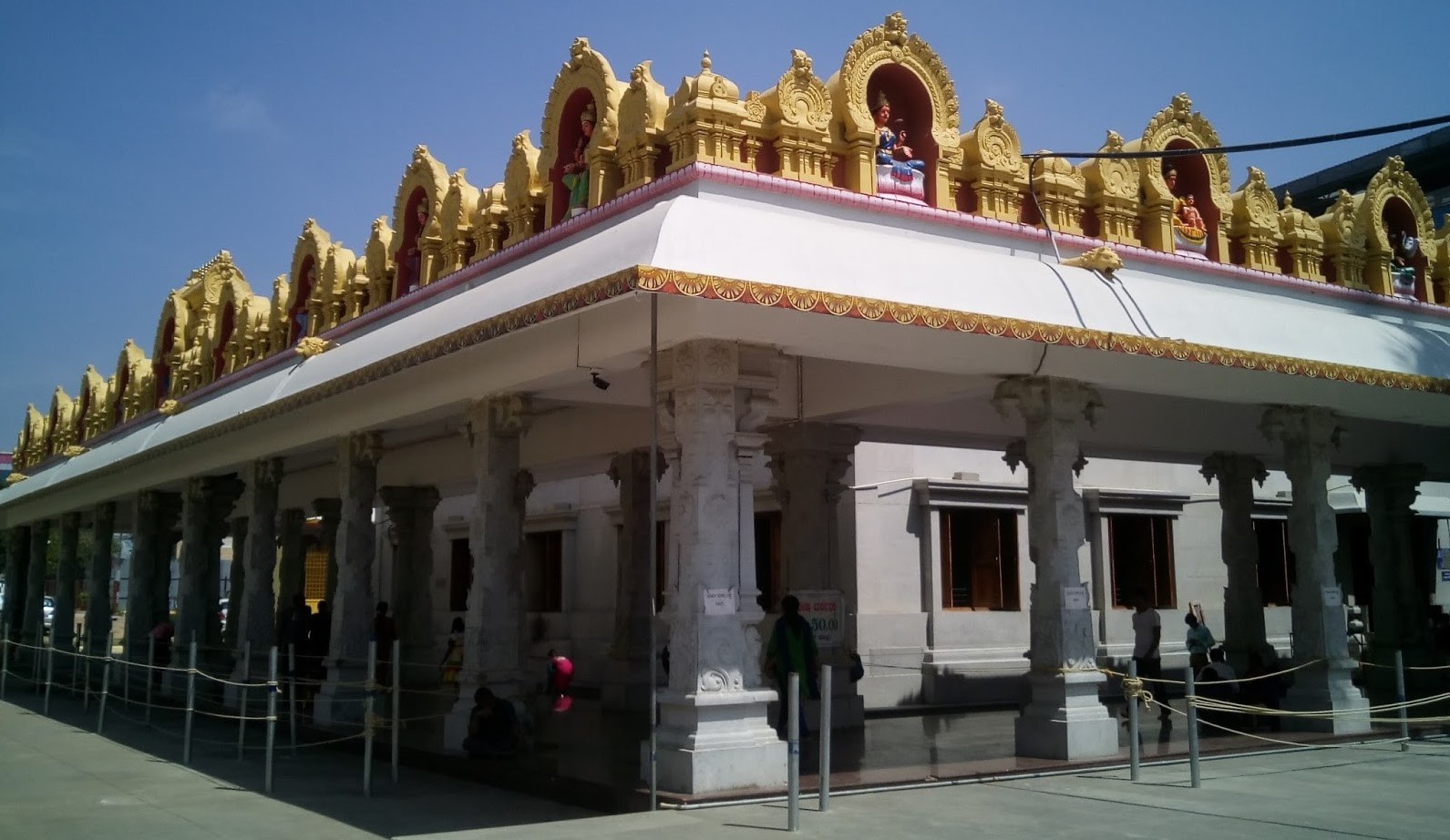
Banashankari Amma Temple
Banashankari Amma Temple in Bangalore is dedicated to Goddess Banashankari, an incarnation of Parvati, and is known for its distinctive Rahu-kala worship rituals performed on sp…
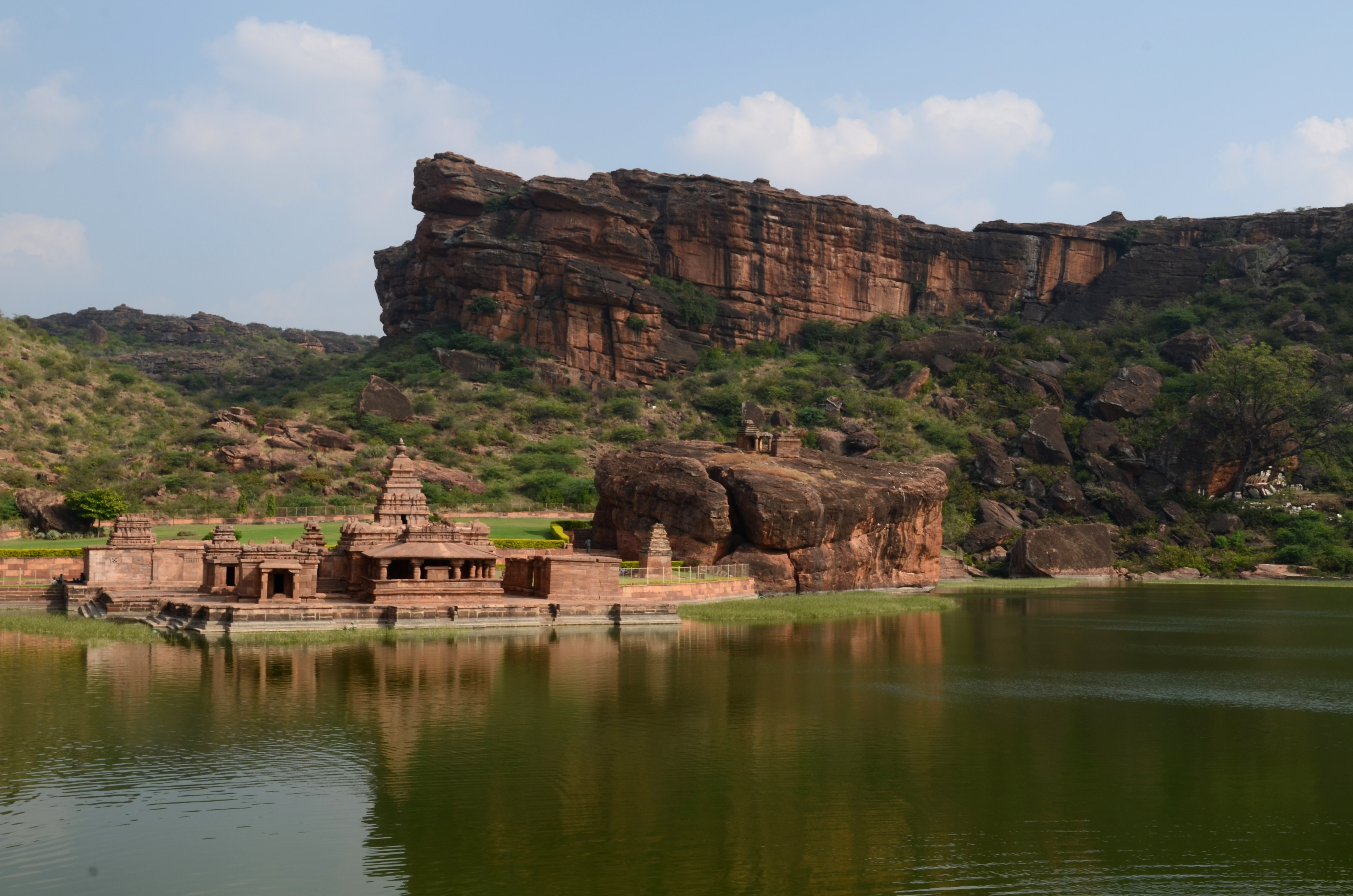
Bhutanatha group of temples, Badami
The Bhutanatha group of temples in Badami, Karnataka, comprises multiple shrines dedicated to Shiva spanning from the 7th to 12th centuries, showcasing both Dravidian and Nagara…
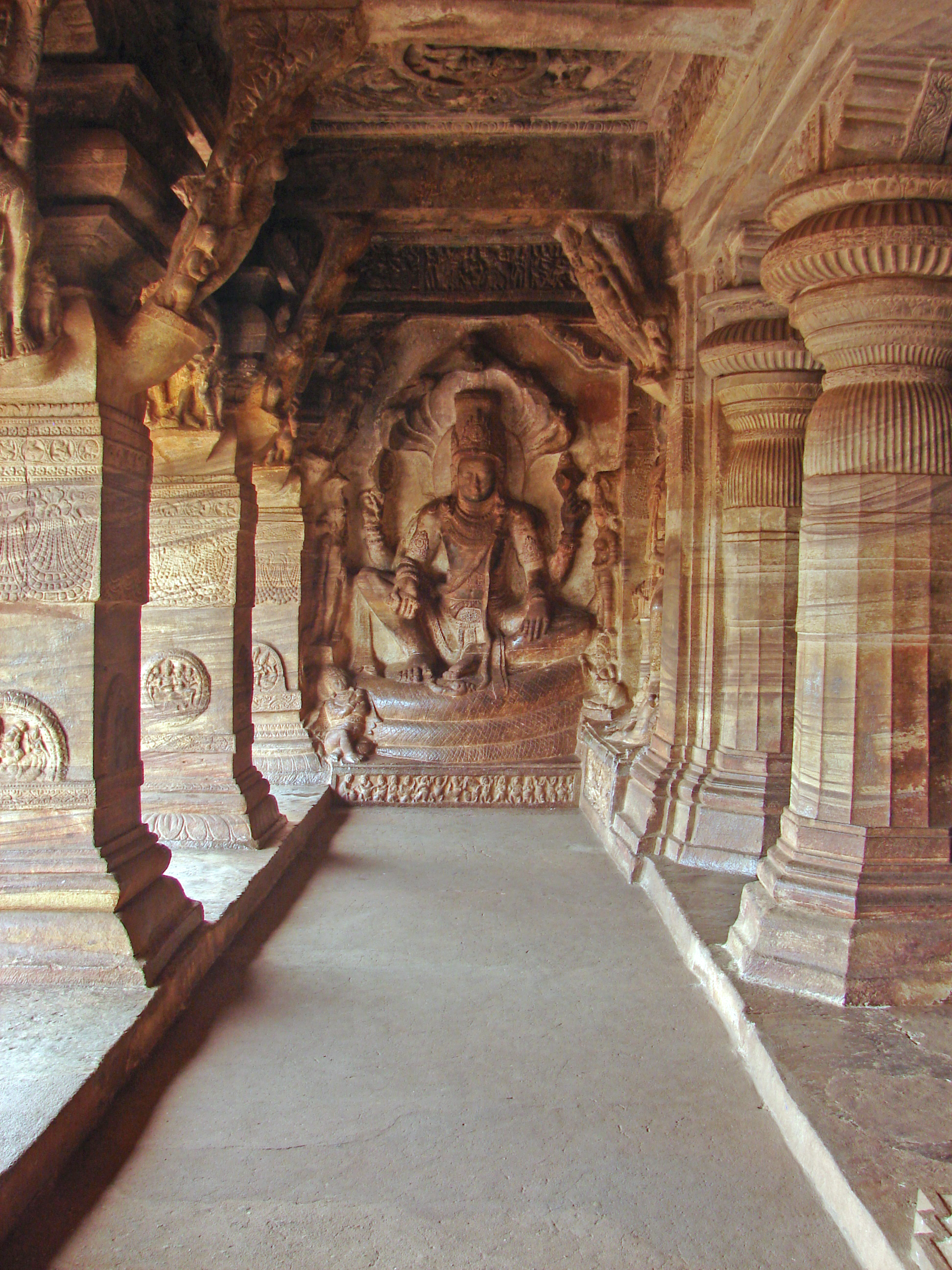
Badami cave temples
The Badami Cave Temples are a group of Hindu, Jain, and Buddhist rock-cut caves dating to the 6th century, carved during the Chalukya dynasty's reign and representing significan…
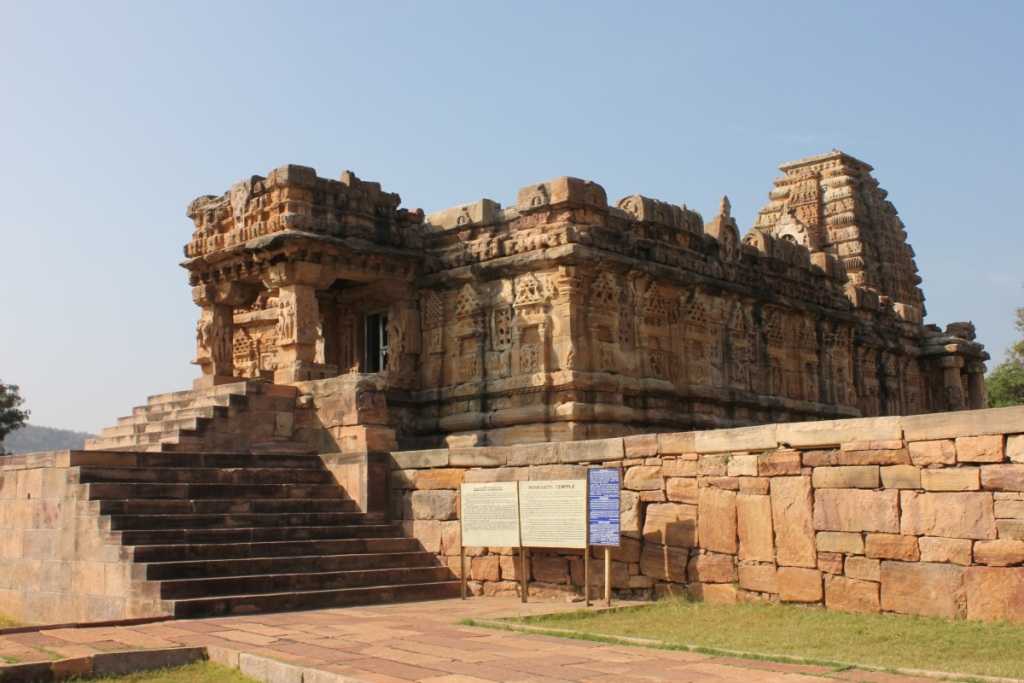
Papanatha temple
Papanasanathar Temple in Papanasam, Tamil Nadu is a Shiva shrine situated by the Thamirabarani waterfalls, traditionally visited for spiritual purification.
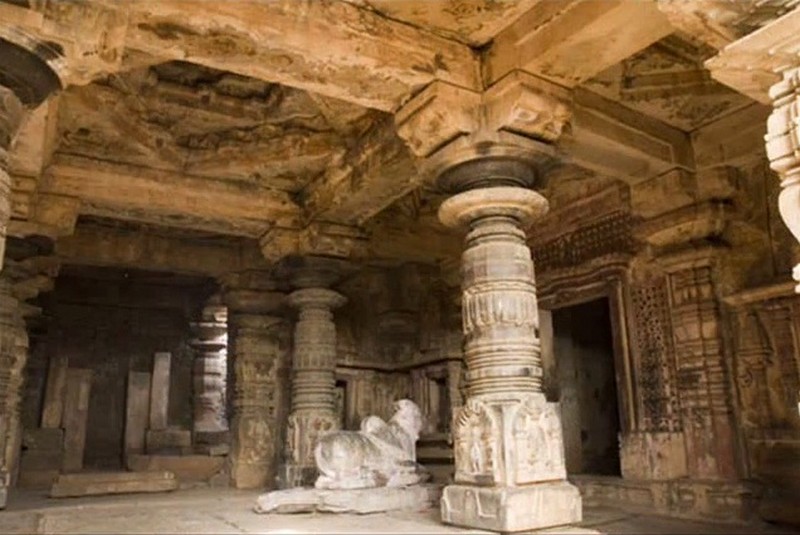
Galaganatha Temples Aihole
Galaganatha Temples in Aihole is a complex of ancient Hindu temples recognized as a Monument of National Importance, representing the architectural heritage of the Chalukya period.
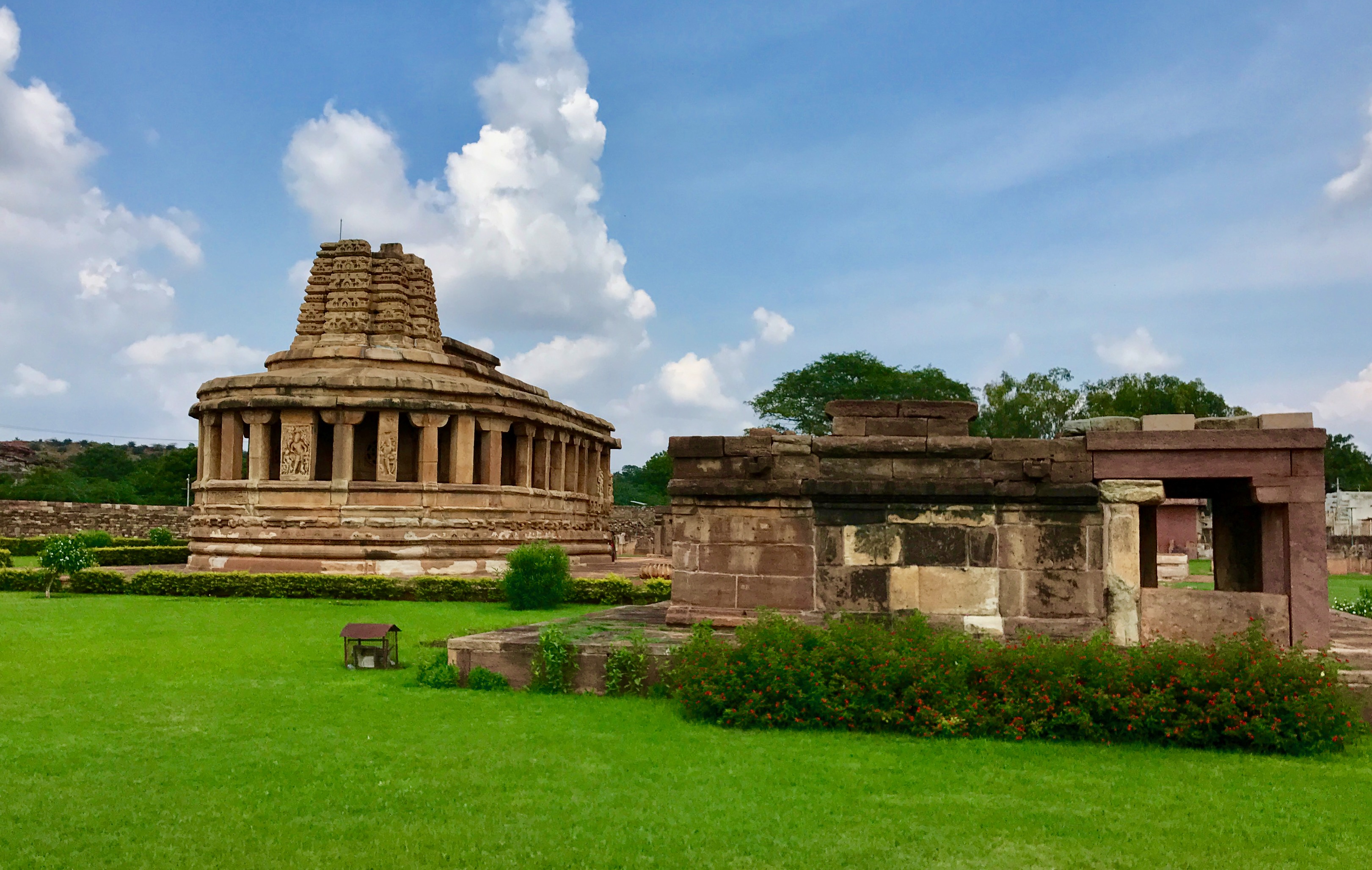
Basavanna Temple Aihole
Basavanna Temple in Aihole is part of the ancient temple complex known as the Cradle of Indian Temple Architecture, featuring structures from the Chalukya period.