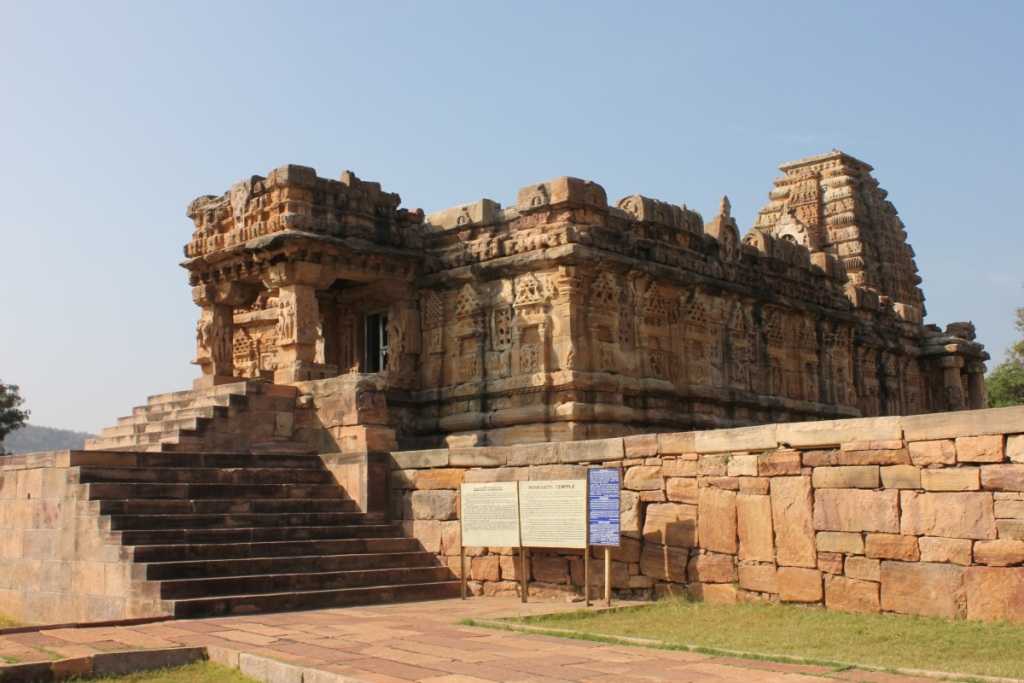
Papanatha temple
About Papanatha temple
The temple opens for darshan in two sessions throughout the day. Morning darshan runs from 6:00 AM to 12:00 PM, allowing early risers and those following dawn worship practices to visit. The evening session operates from 4:00 PM to 9:00 PM, accommodating those whose schedules permit only later visits. Both a morning aarti and an evening aarti are performed, marking the principal moments of ritual worship when the deity receives formal veneration. These timings are subject to variation depending on festival observances and seasonal adjustments, so confirming exact times before your visit is advisable.
Planning Your Visit
The most favorable period to visit extends from October through March, when the climate in Tamil Nadu is cooler and more comfortable for travel and outdoor movement around the temple grounds. This window avoids the intense heat of summer months and the heavy monsoon season. Visitors should dress modestly, as is customary at Hindu temples—this typically means covering shoulders and knees. The temple's location near waterfalls means the ground may be wet or slippery in places, particularly during or after the monsoon season, so appropriate footwear that provides grip is practical.
Specific facilities and amenities at the temple are not detailed in available sources, so it is wise to contact the temple directly before visiting if you have particular needs or questions about accommodation, prasadam availability, or accessibility arrangements. The temple can be reached via the town of Papanasam in Tenkasi district; local transport options and the precise route depend on your starting point, and local inquiry or consultation with transport services in the region will provide the most current guidance.
The Significance of Papanasam
The name Papanasam itself derives from Sanskrit roots meaning the destruction or removal of sin—papa (sin) and nasam (destruction). This etymological foundation reflects the temple's primary spiritual appeal. Devotees have long regarded this site as particularly potent for those seeking expiation and spiritual cleansing. The combination of the sacred deity, the sanctified waters of the Thamirabarani, and the temple's established reputation creates a destination specifically sought by those undertaking acts of penance or spiritual renewal within the Shaivite tradition.
Worship Practices and Etiquette
As a Shiva temple, Papanasanathar Temple follows the ritual patterns typical of Shaivite worship in South India. Devotees traditionally approach the sanctum with reverence, circumambulating the shrine and receiving blessings. The performance of aartis—the waving of lamps before the deity—marks moments of heightened spiritual intensity in the daily cycle. Visitors should remove footwear before entering the inner sanctum, maintain silence or speak softly within the temple precincts, and avoid pointing at or turning one's back to the deity. Photography policies vary by temple; it is courteous to ask permission before photographing.
Reaching Papanasam
Papanasam is located in Tenkasi district, accessible by road from major towns in the region. The coordinates 15.94753924, 75.81634563 mark the temple's precise location for those using GPS navigation. Visitors traveling from larger cities in Tamil Nadu should plan their journey accounting for local road conditions and transport availability. The nearest significant town, Tenkasi, serves as a reference point for navigation and may offer better transport connections to other parts of the state.
How to reach
Temples near Papanatha temple

Mahakuta group of temples
The Mahakuta group of temples is an ancient complex dedicated to Lord Shiva, located in Bagalkot district, Karnataka. Built by the early Chalukya dynasty in the 6th or 7th centu…
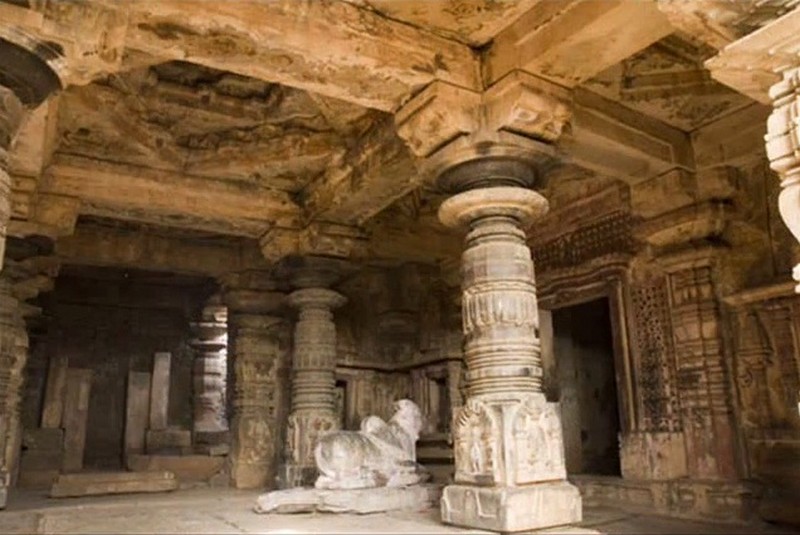
Galaganatha Temples Aihole
Galaganatha Temples in Aihole is a complex of ancient Hindu temples recognized as a Monument of National Importance, representing the architectural heritage of the Chalukya period.
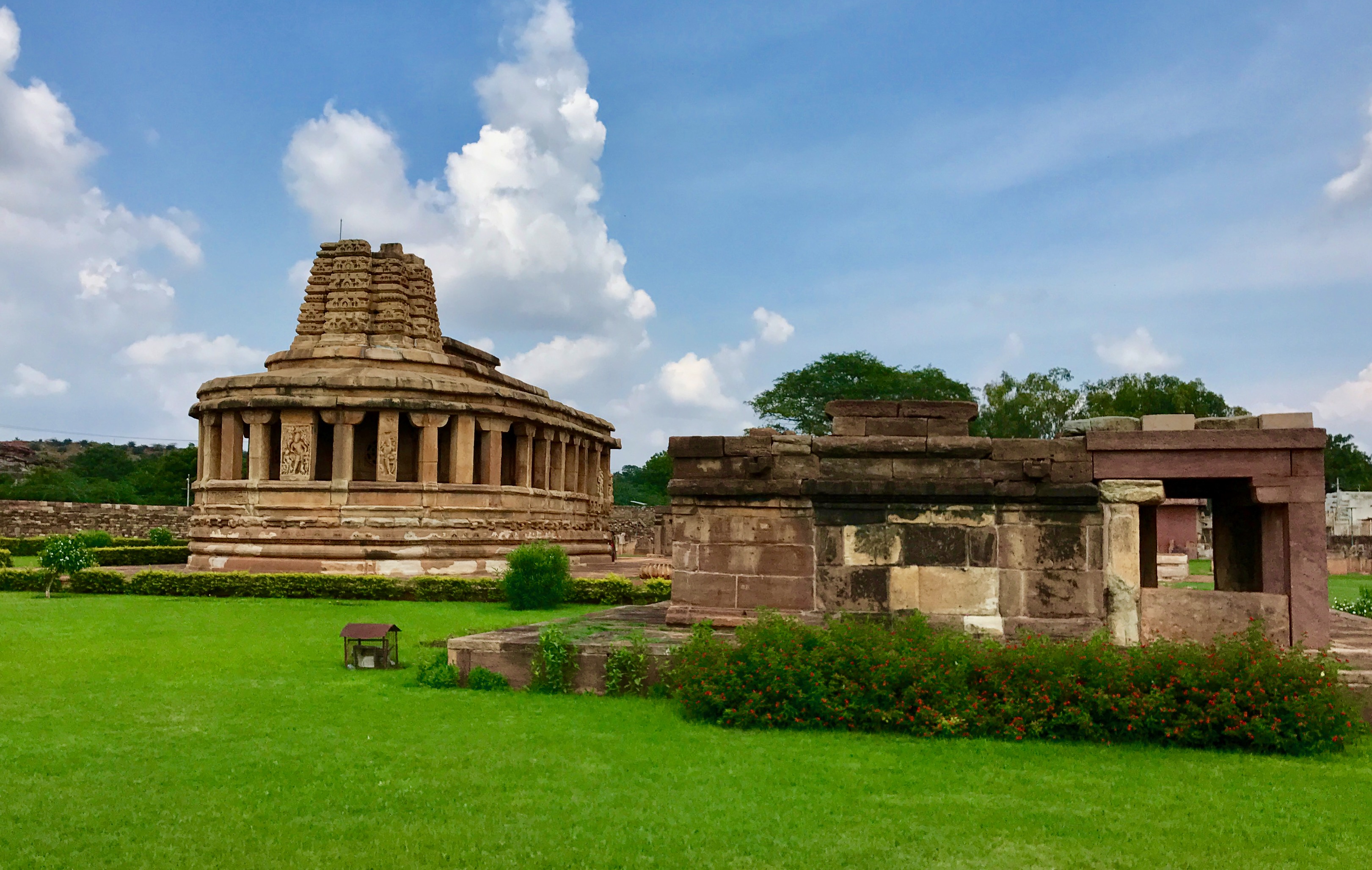
Basavanna Temple Aihole
Basavanna Temple in Aihole is part of the ancient temple complex known as the Cradle of Indian Temple Architecture, featuring structures from the Chalukya period.
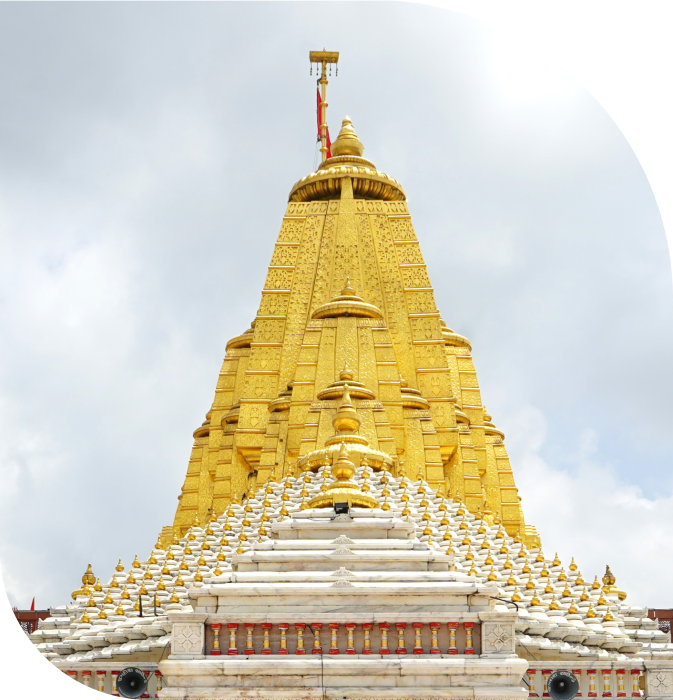
AmbigerGudi Temple Complex - Western Temple
Ambigera Gudi Complex in Aihole, Karnataka comprises three temples, with the main structure believed to date from the 10th century featuring Nagara-style architecture and intric…
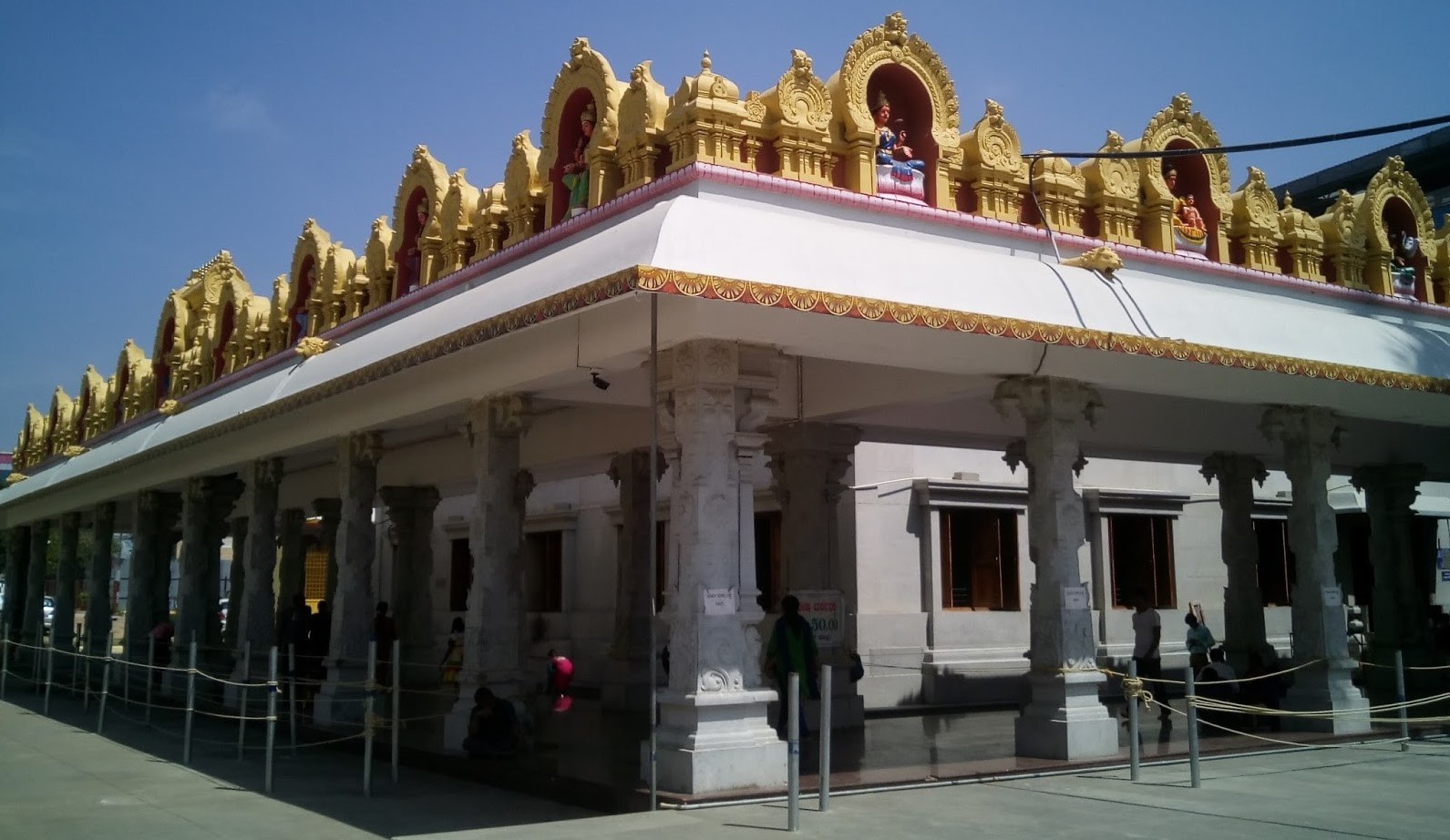
Banashankari Amma Temple
Banashankari Amma Temple in Bangalore is dedicated to Goddess Banashankari, an incarnation of Parvati, and is known for its distinctive Rahu-kala worship rituals performed on sp…
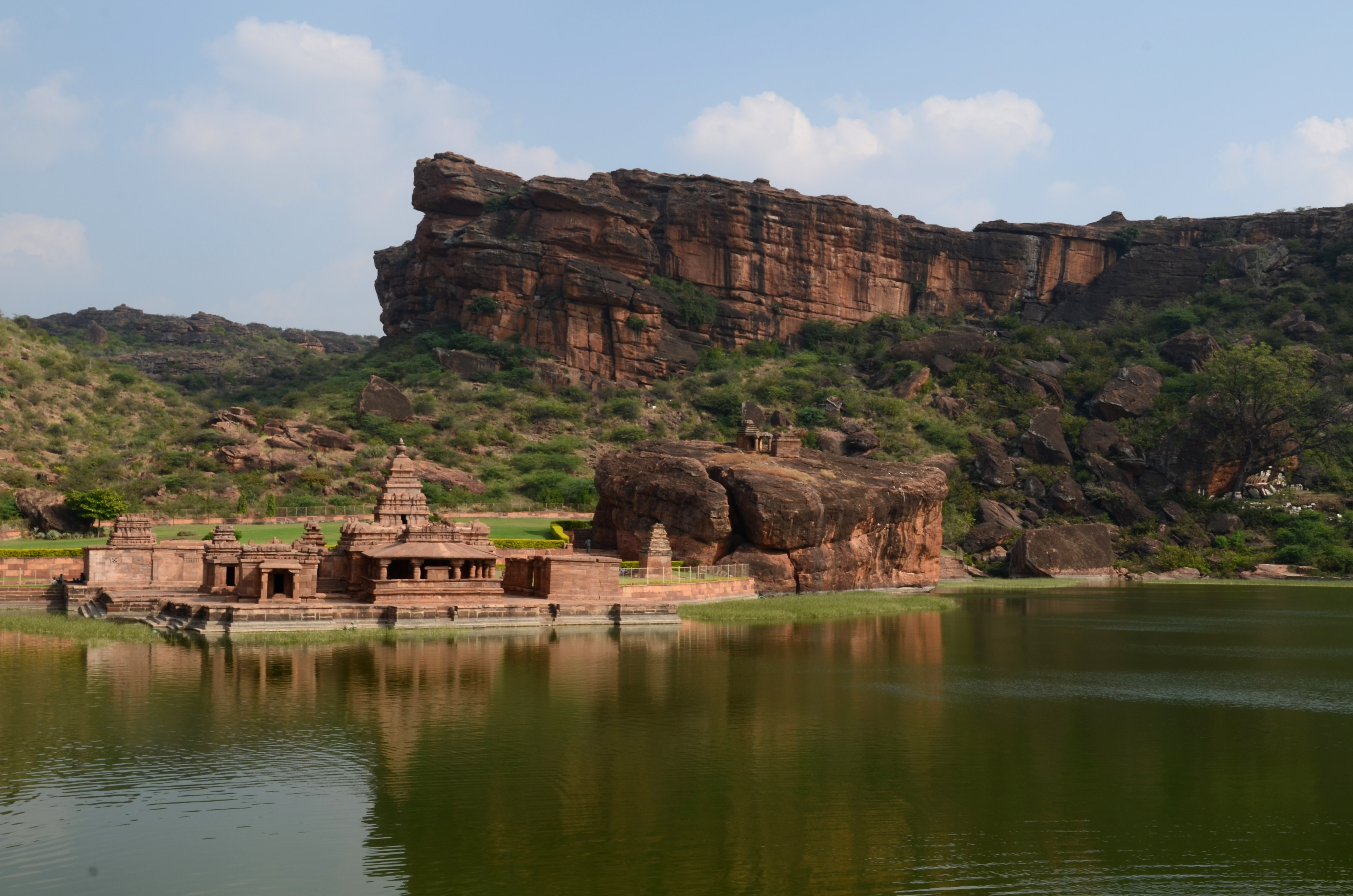
Bhutanatha group of temples, Badami
The Bhutanatha group of temples in Badami, Karnataka, comprises multiple shrines dedicated to Shiva spanning from the 7th to 12th centuries, showcasing both Dravidian and Nagara…