Ahalya Sthan
About Ahalya Sthan
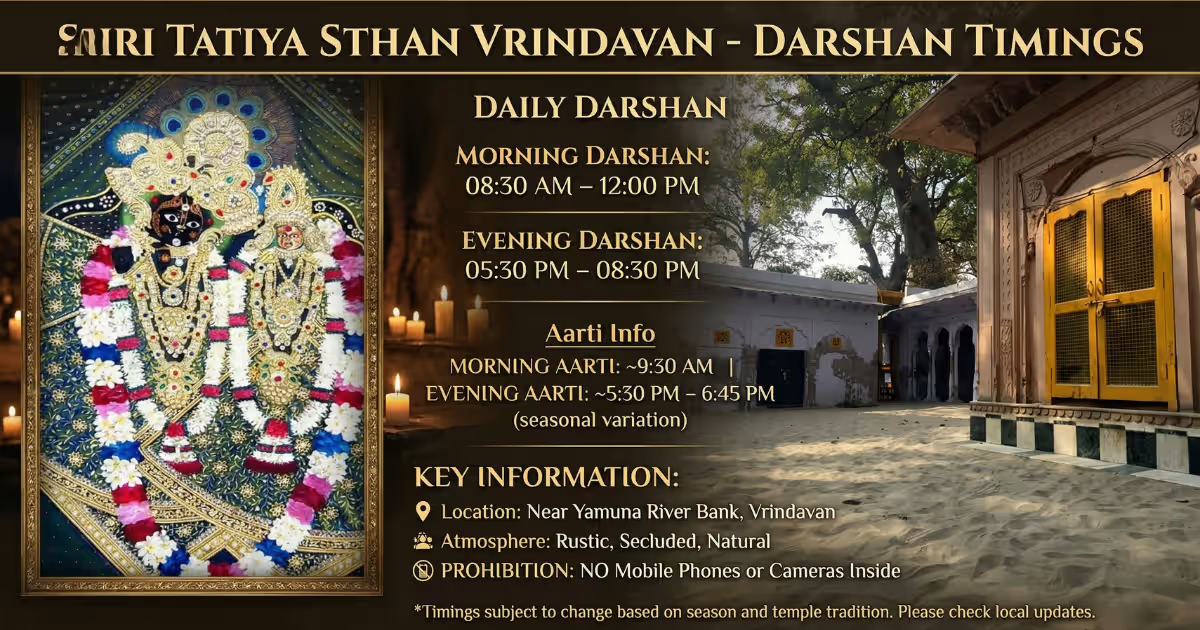
Morning darshan is available from 08:30 to 12:00, with the morning aarti performed around 09:30. Evening darshan runs from 17:30 to 20:30, and the evening aarti takes place between 17:30 and 18:45. These timings remain consistent throughout the year, though minor adjustments may occur during peak seasons.
The aartis here employ candlelight rather than electric illumination, a practice that creates an intimate spiritual atmosphere quite distinct from the bright, amplified ceremonies found in larger temples. Arriving 30 to 40 minutes before the scheduled aarti time allows visitors to settle into the space and participate fully in the ritual.
Best Times to Visit
Early mornings between 08:30 and 10:30 offer the greatest peace and silence. The air carries freshness at this hour, and visitor numbers remain minimal, making it ideal for those seeking quiet reflection or unrushed darshan. The natural soundscape—birdsong, wind, the proximity of the Yamuna—becomes audible in these hours.
Evening visits during aarti provide a different but equally valued experience. The candlelit setting, the sound of bells, and the presence of other devotees create a grounded spiritual atmosphere. While evenings attract slightly more visitors than mornings, the temple never becomes crowded by the standards of major Vrindavan temples. Your choice between morning and evening should depend on whether you prioritize solitude or a more emotionally resonant communal setting.
Visitor Conduct and Etiquette
The temple maintains strict discipline regarding visitor behavior. Mobile phones and cameras are not permitted within the premises—a rule enforced to preserve the sanctity and silence of the space. This restriction, while uncommon at many temples, reflects the ashram's commitment to maintaining an environment free from distraction and documentation.
Dress modestly and respectfully. Visitors should wear clothing that covers shoulders and knees. Behavior should remain quiet and reverent throughout your time at the temple. The ashram's traditional character means that loud conversation, hurried movement, or casual demeanor are out of place. Approach the space as you would a place of serious spiritual practice rather than a tourist destination.
Location and Access
Ahalya Sthan is situated near the Yamuna River in Vrindavan at coordinates 26.312496445332, 85.81446141243. The proximity to the river is both a geographical fact and a spiritual significance—the Yamuna holds central importance in Vrindavan's religious geography and in the devotional traditions associated with the region.
Vrindavan is accessible by road from Mathura, approximately 60 kilometres away. Those arriving by train typically reach Mathura Junction and travel onward to Vrindavan by taxi, auto-rickshaw, or local transport. Within Vrindavan itself, local guides and residents can direct visitors to the temple's exact location near the river. The ashram's quieter setting means it lies somewhat removed from the main temple clusters, making specific directions or local assistance helpful for first-time visitors.
What to Expect
This temple offers an experience fundamentally different from Vrindavan's larger, more commercialized sacred sites. There are no crowds, no loud announcements, no rush. The environment remains deliberately simple and undistracted. Expect to encounter other devotees engaged in genuine spiritual practice rather than casual tourism.
The candlelit evening aartis and the silent morning hours create spaces for personal reflection and connection. If you come seeking the sensory intensity and communal energy of major temples, you will be disappointed. If you seek a place where the traditional ashram approach to spiritual life remains intact, where silence itself becomes part of the offering, Ahalya Sthan provides exactly that.
How to reach
Temples near Ahalya Sthan
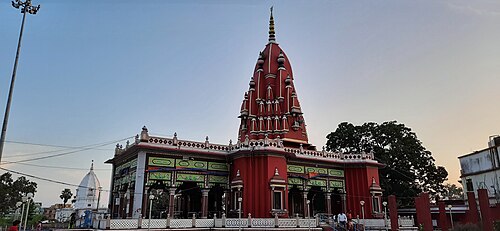
Shyama Mai Temple
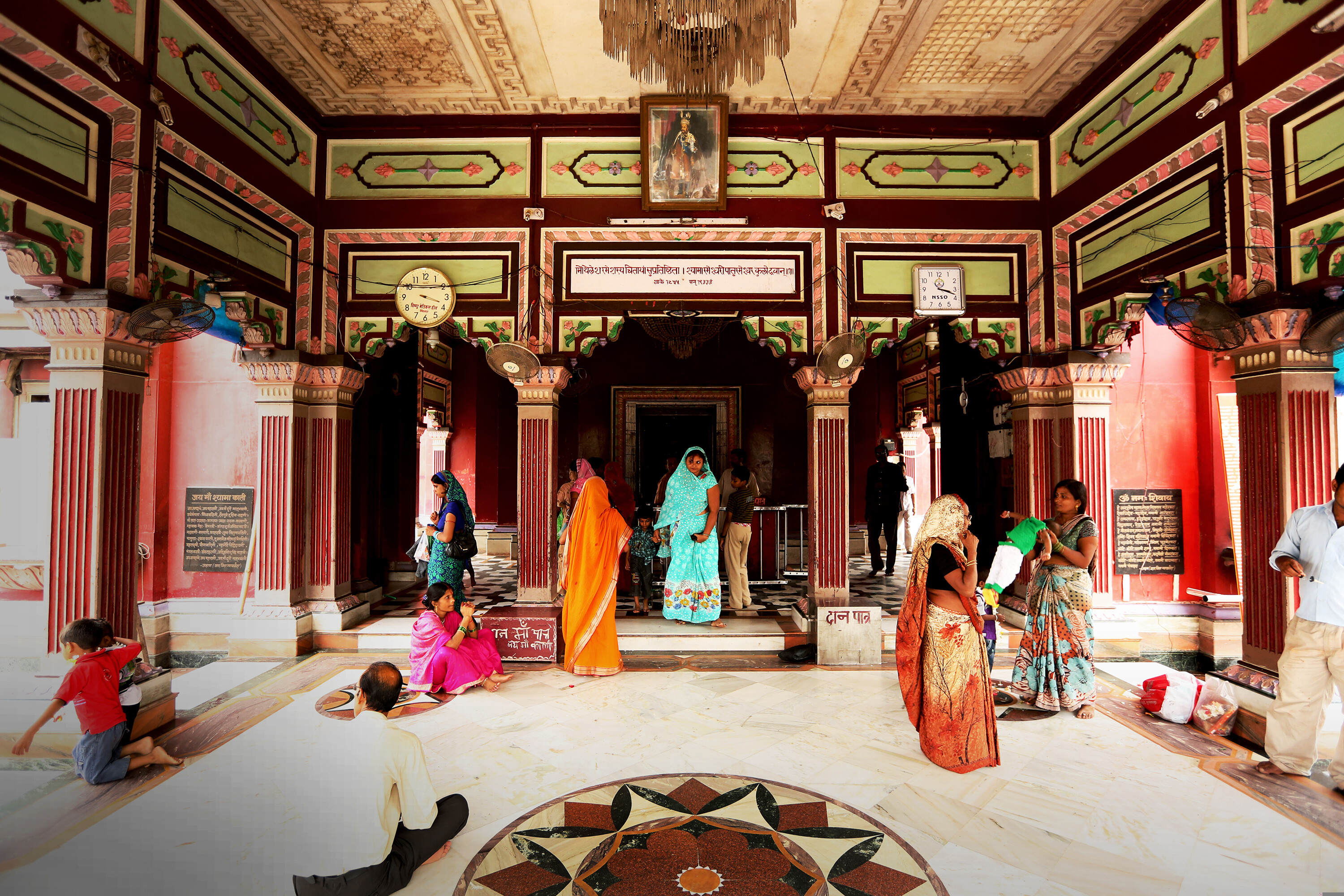
Shyama Mai Temple in Darbhanga, Bihar is a Kali shrine built in 1933 on the cremation ground of Maharaja Rameshwar Singh, serving as a major center for goddess worship and Mangl…

Kapileshwar Temple
Kapileshwar Temple in Madhubani District, Bihar, is a revered Shiva shrine where a sacred Linga was installed by the sage Kapila. The temple draws devotees especially during Shr…

Baba Mukteshwarnath Dham
Baba Mukteshwarnath Dham is a Hindu temple dedicated to Lord Shiva located in Deohar village, Madhubani district, Bihar. Regarded as one of the finest temples in the region, it…
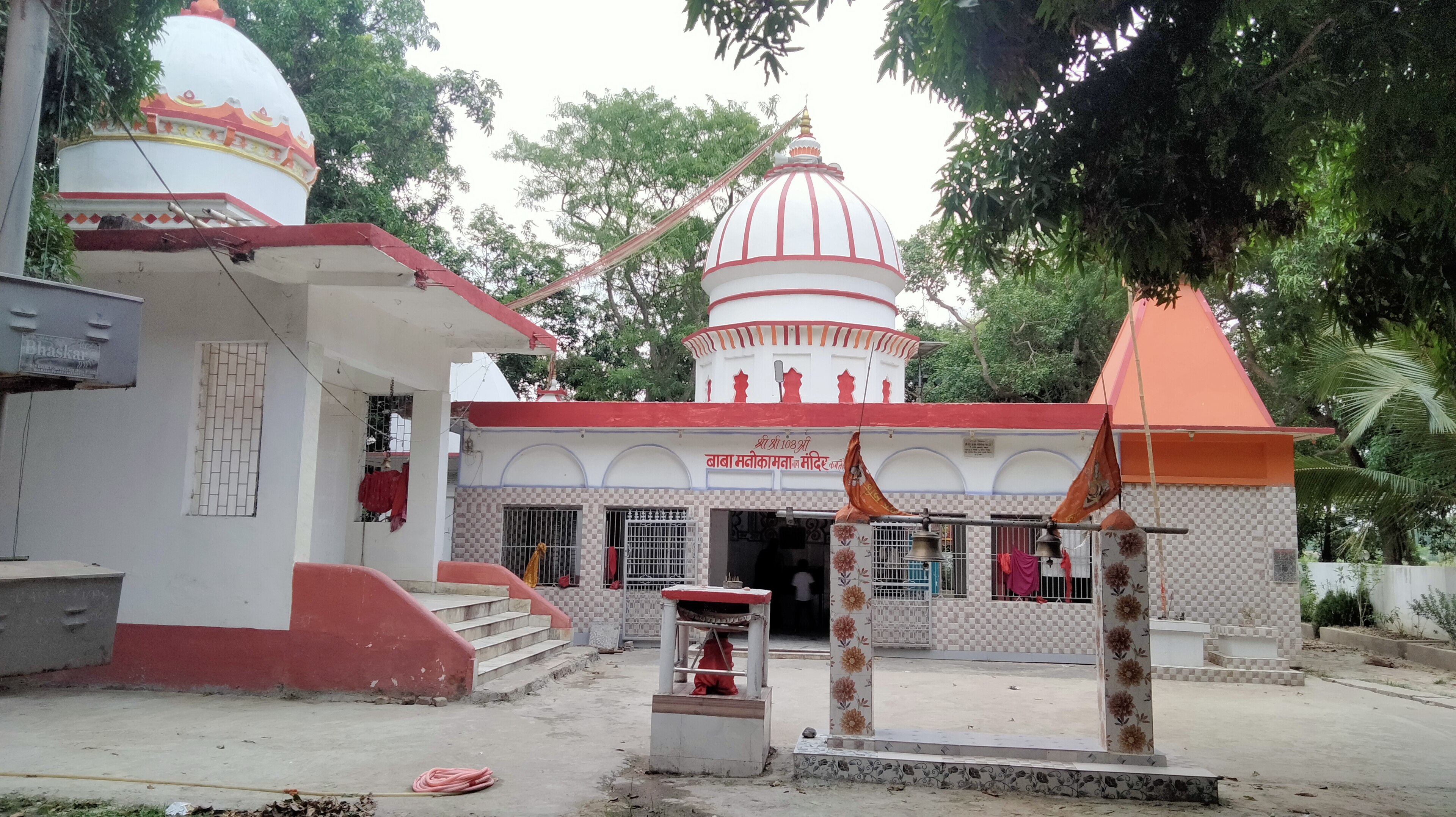
Manokamna Mandir
Manokamna Mandir is an ancient Hindu temple in Kamtaul village, Madhubani district, Bihar, believed to date from the Treta Yuga and associated with the Ramayana.
Basuki Nath Mahadev Mandir
Basuki Nath Mahadev Mandir is an ancient Hindu temple dedicated to Lord Shiva, located in Basuki Bihari village in Madhubani district, Bihar. Built by the Chaudhary family of Ma…
Swami Bodhayan Mandir
Swami Bodhayan Mandir honours the Vedic sage Bodhayan, believed to be born in Bongaon village and creator of the Baudhayana sutras. The temple combines devotional worship with s…