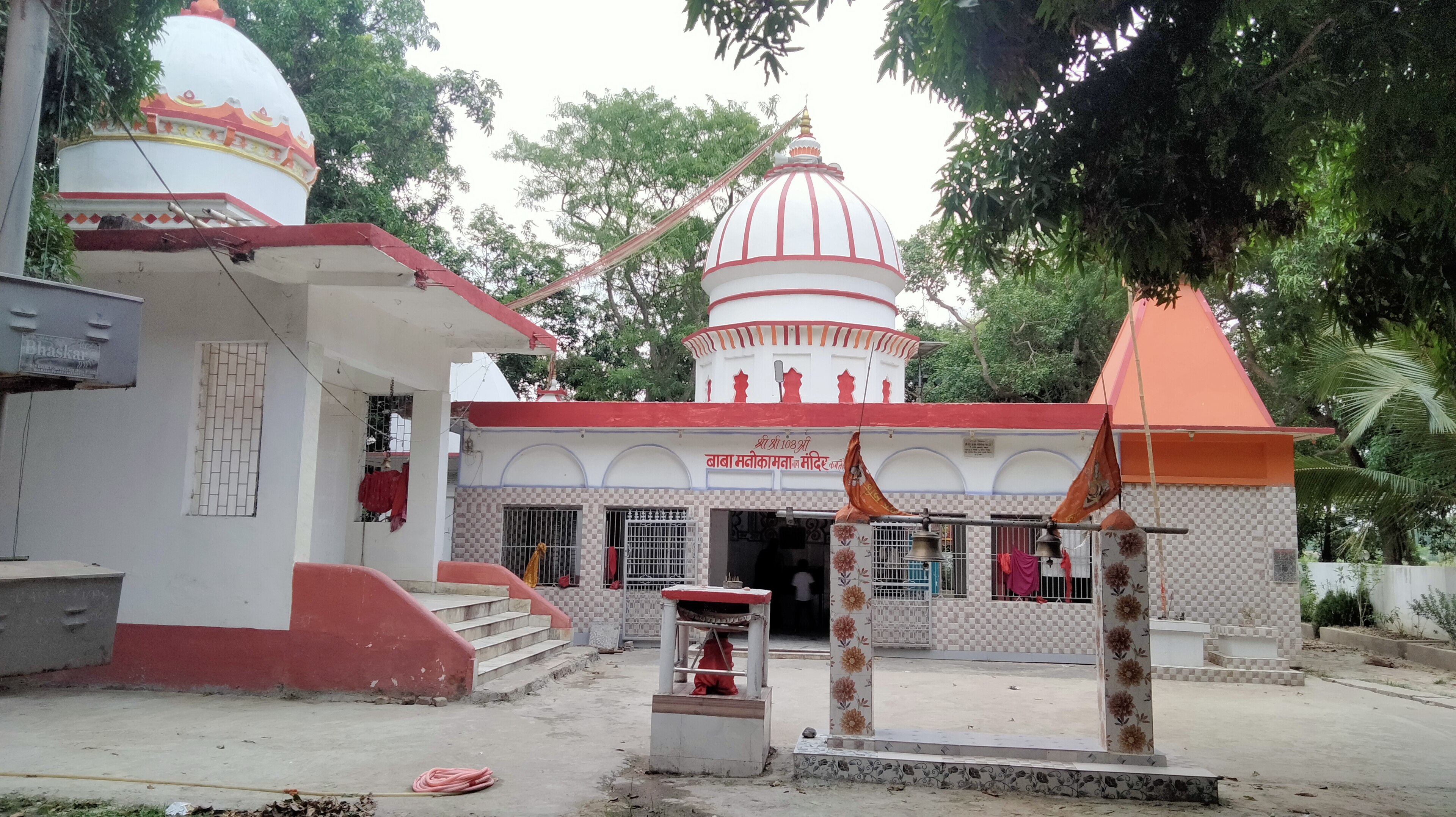
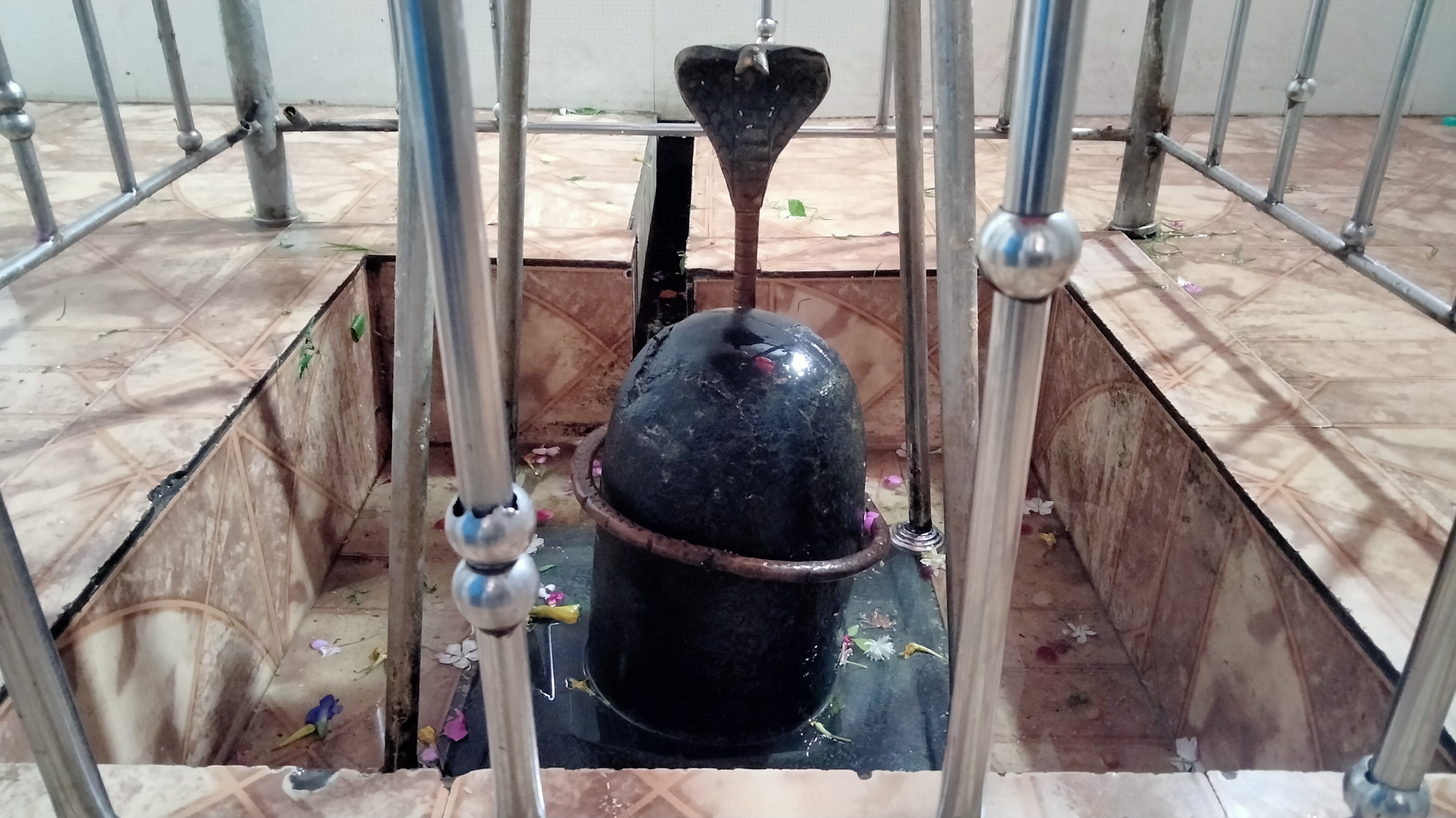
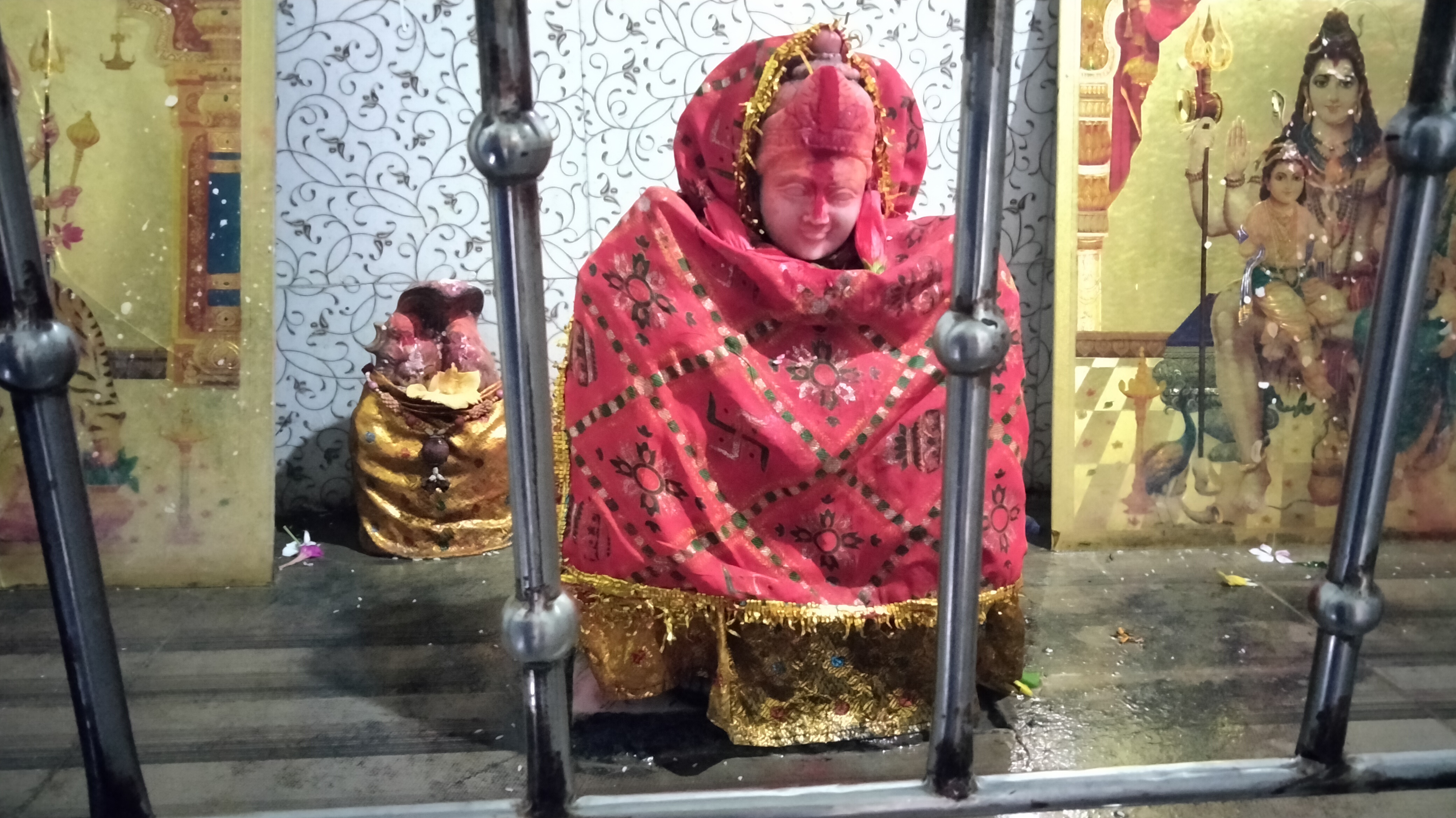
Manokamna Mandir
About Manokamna Mandir
As with most Hindu temples, visitors should approach with respectful intention. Modest dress is customary when entering temple spaces—loose, covered clothing that reaches the knees and shoulders is generally appropriate. Footwear is typically removed before entering the sanctum. Specific darshan timings, aarti schedules, and any particular protocols observed at this temple should be confirmed with local sources or by contacting the temple directly, as these details are not documented in available records.
The temple's location in a village setting suggests a more intimate scale than major urban pilgrimage centers. Visitors should be prepared for limited commercial facilities and should plan accordingly for refreshment and accommodation needs.
The Ramayana Connection
The temple's association with the Ramayana places it within a broader landscape of sacred sites connected to this epic narrative. The Ramayana recounts the life and deeds of Lord Rama and remains central to Hindu devotional practice across India. Temples linked to Ramayana themes typically attract devotees seeking blessings related to dharma (righteousness), protection, and spiritual fulfillment. The specific nature of this temple's Ramayana connection—whether it commemorates a particular event, location, or figure from the epic—is not detailed in available sources.
The Treta Yuga Tradition
According to Hindu cosmology, the Treta Yuga represents the second of four great ages in the cosmic cycle. Temples traditionally dated to this era are understood as repositories of ancient spiritual power and continuity. The attribution of Manokamna Mandir to the Treta Yuga reflects a tradition of venerating sites believed to possess primordial sanctity. Such temples often serve as focal points for communities seeking connection to deeper layers of Hindu spiritual heritage.
Practical Information for Visitors
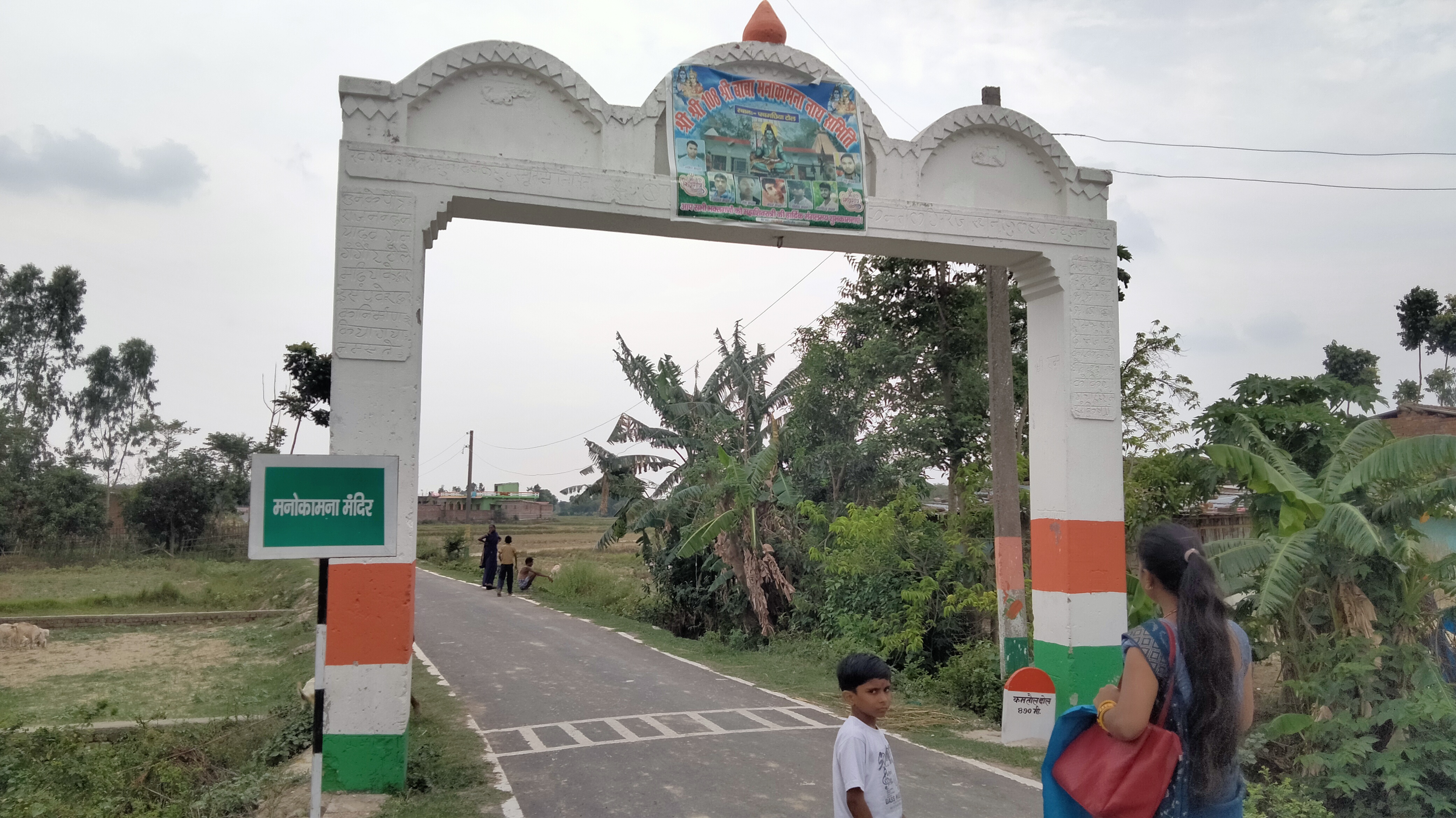
Detailed information regarding daily darshan hours, aarti timings, puja services, accommodation options, and facilities at Manokamna Mandir is not available through standard sources. Visitors are advised to contact the temple or local authorities in Kamtaul village or Harlakhi block for current operational details. The village setting suggests that visitors may need to arrange accommodation in nearby towns within Madhubani district.
The best approach is to reach out to local contacts or the temple administration before planning a visit, particularly if traveling from a distance. This will ensure you have accurate information about access, worship practices, and any seasonal considerations that may affect your pilgrimage.
How to reach
You may also visit
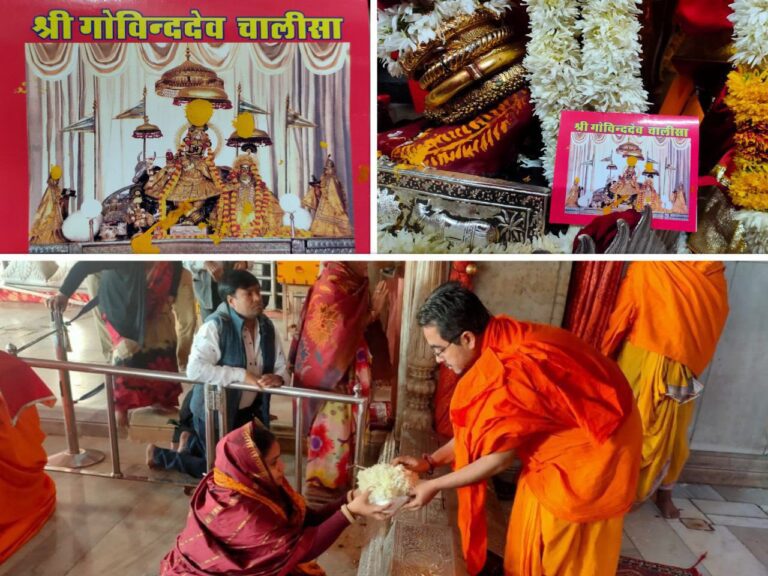
Kalyanji Temple
Kalyanji Temple in Jaipur's Chandpol Bazaar is an ancient Krishna shrine established in the 1820s, renowned for its seven daily aartis and special avatar darshan ceremonies during Akha Teej and Patottsav festivals.
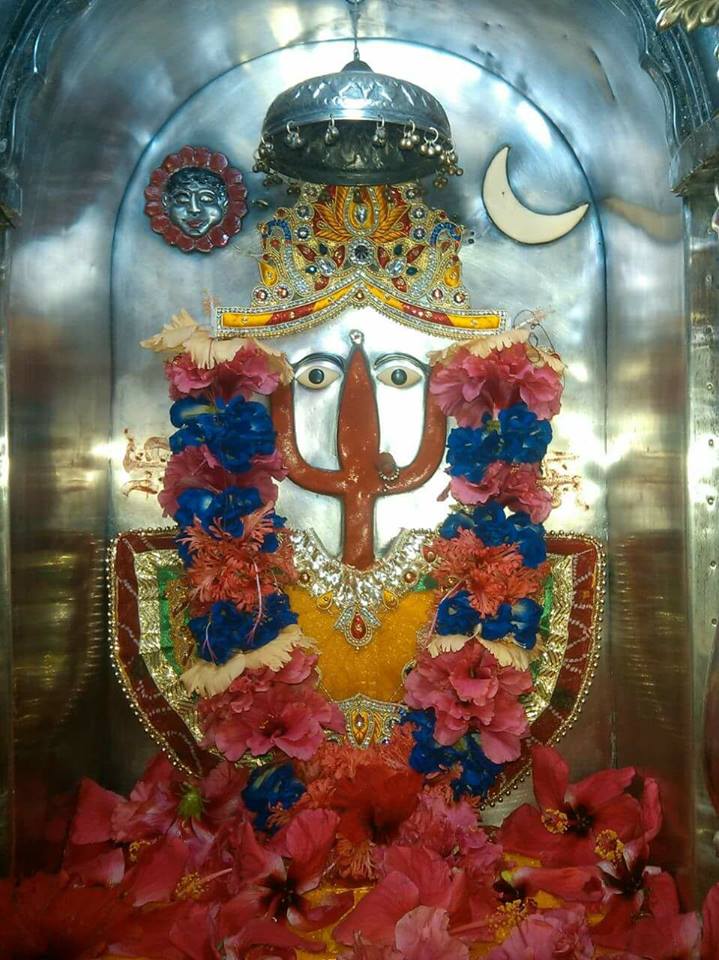
Rani Sati Mandir Mahuda
Rani Sati Mandir in Mahuda, Dhanbad District, is a Hindu temple established in 1992 that serves as a spiritual center for the local community and attracts devotees seeking blessings.
Narbadeshwar Temple
The Narbadeshwar Temple in Hamirpur district, Himachal Pradesh, is a shrine dedicated to Lord Shiva, located in the Sujanpur Tira area.