Swami Bodhayan Mandir
About Swami Bodhayan Mandir
The temple complex occupies 25 acres of land, a substantial holding donated by local landlords to support the shrine's development. The most striking feature of the grounds is an ancient banyan tree called Bodhayansar, which holds central spiritual significance. This tree is understood to be the seat where Bodhayan performed his spiritual austerities and meditative practice. The tree thus serves as both a physical anchor and a spiritual symbol, connecting the present-day visitor to the sage's historical presence on this land.
The site itself carries the name Bodhayana Tapobhumi—literally, the land of Bodhayan's austerities—reflecting its designation as a space dedicated to spiritual discipline and learning. Within the temple grounds stands Baudhayan Sarovar, a lake constructed as part of the temple's development. This water feature contributes to the contemplative atmosphere of the complex, creating a setting suited to reflection and study.
Temple Structure and Worship
The main temple houses an idol of Bhagwan Bodhayan, the central focus of worship. Outside the temple premises stands an idol of Sarvabhaum Vasudevacharya, a scholar whose research identified and validated the historical and spiritual significance of the site. This dual presence—the sage himself and the modern scholar who recovered his legacy—reflects the temple's dual character as both a place of devotion and a centre of learning.
The temple is maintained by Acharya Shivam Das, who serves as the resident priest. Worship here follows practices typical of Hindu shrines dedicated to sages and philosophers, where devotion centres on honouring the spiritual and intellectual contributions of the revered figure rather than on the mythological narratives associated with deity worship.
Festivals and Observances
The temple observes Bhagwan Bodhayan Jayanti, a celebration of the sage's birth that draws devotees and scholars with interest in Vedic traditions. Guru Poornima, the full moon day dedicated to honouring spiritual teachers, is also marked here—a festival observed across Hindu temples as a time to acknowledge one's teachers and guides. These occasions provide opportunities for those studying Vedic philosophy and the work of Bodhayan to gather and reflect on his contributions.
Visiting: Practical Information
Specific opening hours and darshan timings are not documented in available sources. Visitors planning a visit should contact the temple directly or make inquiries locally in Bongaon village to confirm current timings and any seasonal variations. As with most Hindu temples, modest dress is customary—covering shoulders and knees is appropriate. Footwear is typically removed before entering the inner sanctum.
The temple's rural setting in Bajpatti block requires careful travel planning. The nearest major city is Sitamarhi, the district headquarters. Visitors should confirm local transport options and accommodation facilities in the immediate area before travelling, as services in a village setting may be limited.
How to Reach
Swami Bodhayan Mandir is located in Bongaon village, Bajpatti block, Sitamarhi district, Bihar, at coordinates 26.544347°N, 85.618609°E. Sitamarhi district is accessible by road from Patna and other major centres in Bihar. Visitors using public transport should plan to reach Sitamarhi first, then arrange local transport to Bongaon village. The rural location makes having a vehicle or arranging transport in advance advisable for a comfortable journey.
How to reach
Temples near Swami Bodhayan Mandir
Basuki Nath Mahadev Mandir
Basuki Nath Mahadev Mandir is an ancient Hindu temple dedicated to Lord Shiva, located in Basuki Bihari village in Madhubani district, Bihar. Built by the Chaudhary family of Ma…
Manokamna Mandir
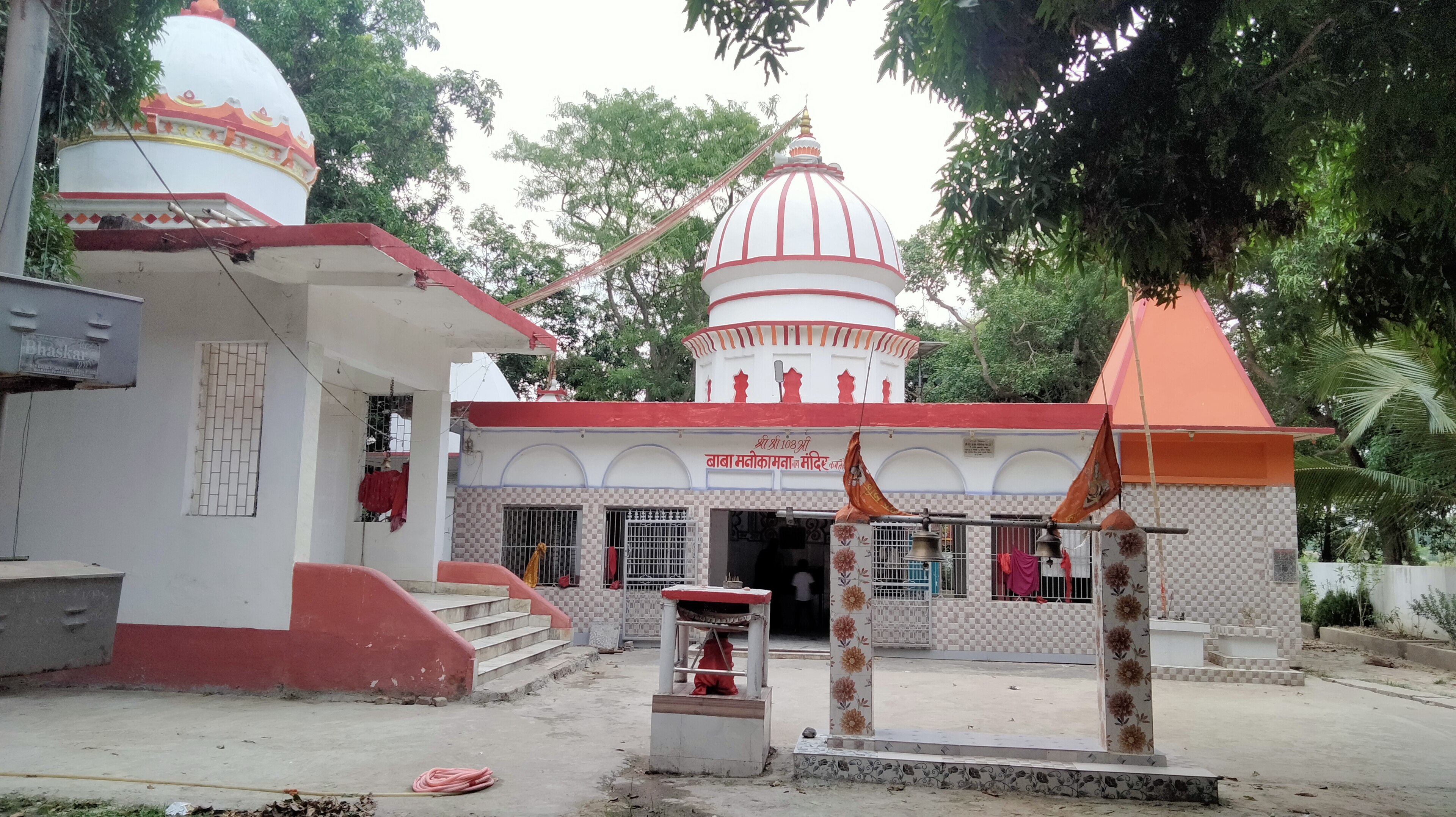
Manokamna Mandir is an ancient Hindu temple in Kamtaul village, Madhubani district, Bihar, believed to date from the Treta Yuga and associated with the Ramayana.
Ahalya Sthan
Ahilya Asthan is an ancient temple in Darbhanga, Bihar, dedicated to Goddess Ahilya, the wife of Sage Gautama. According to legend, this is the site where she was liberated from…
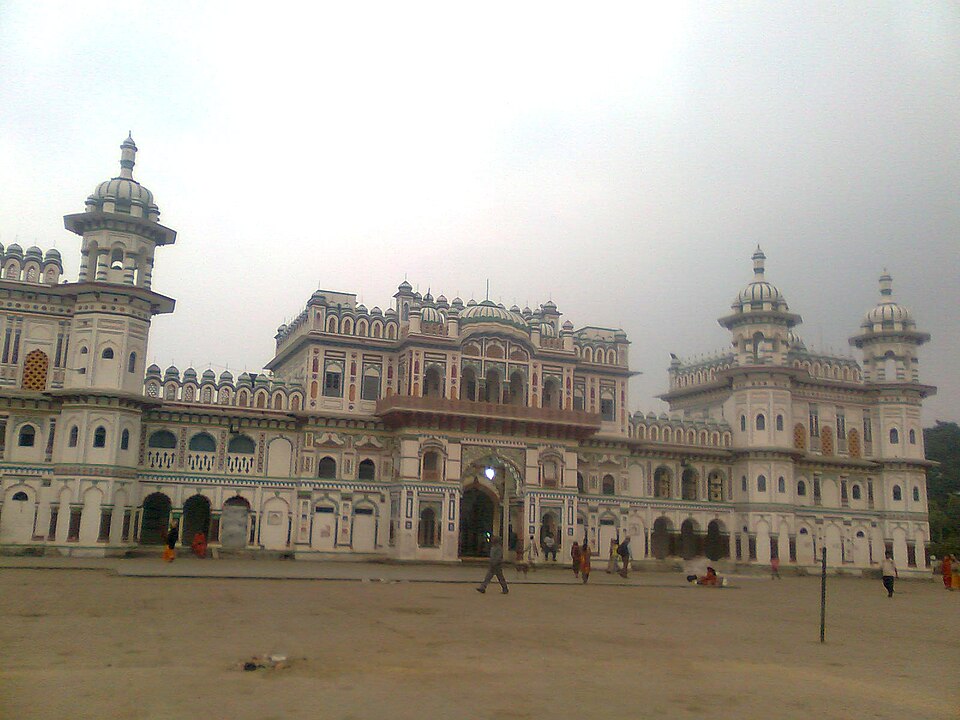
Janaki Mandir
Janaki Mandir is a striking white marble temple in Janakpur, Nepal, built in 1910 to honor the goddess Sita at her legendary birthplace and marriage site.
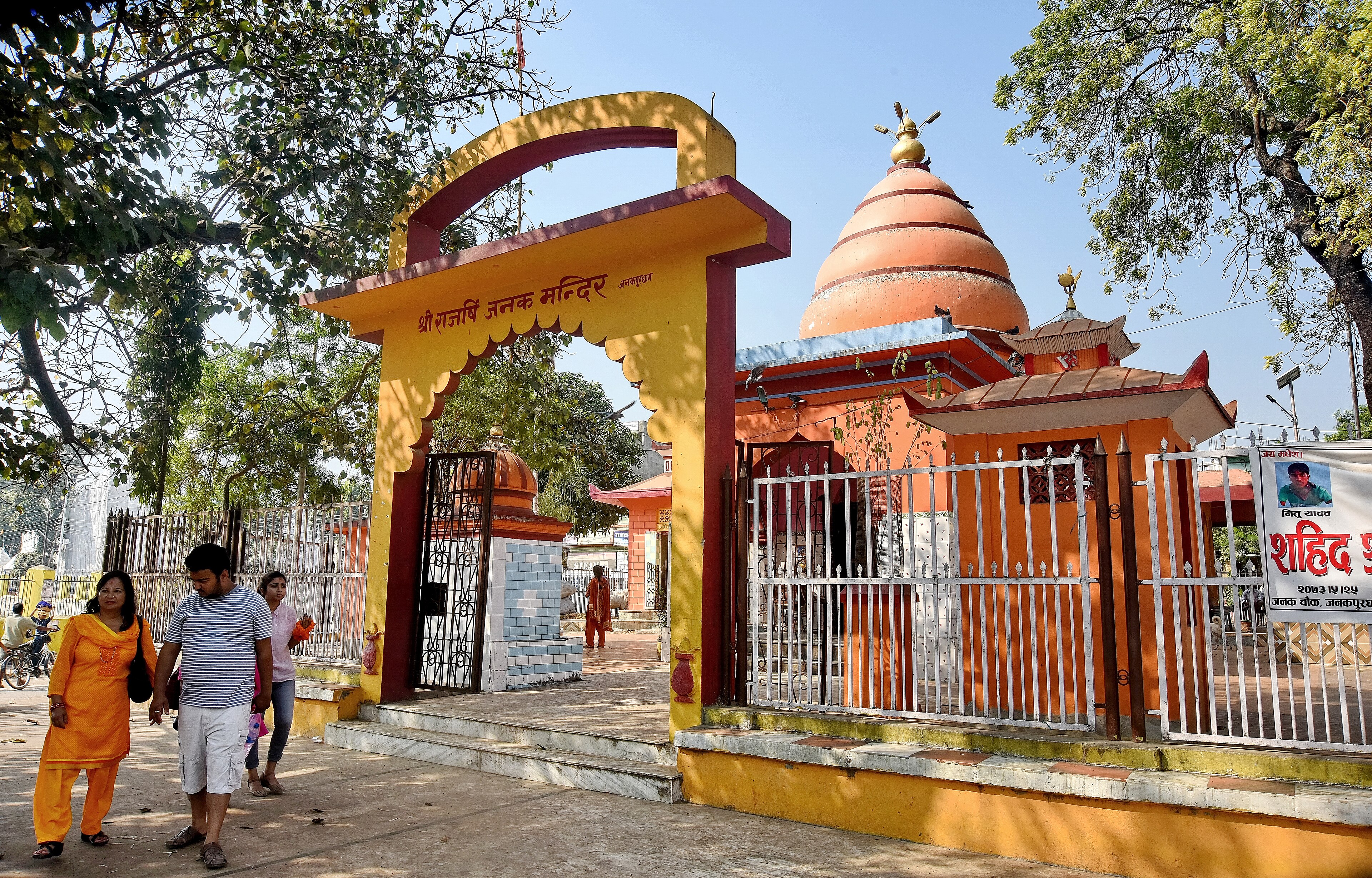
Rajarshi Janak Mandir
Rajarshi Janak Mandir is a Hindu temple in Janakpur, Nepal, dedicated to the legendary Vedic King Janaka of the ancient Videha Kingdom, located at Janak Chowk.
Kapileshwar Temple
Kapileshwar Temple in Madhubani District, Bihar is a revered Shiva shrine where a sacred Linga was installed by the sage Kapila. The temple draws devotees especially during Shra…