Yeh Pulu
About Yeh Pulu
The temple is situated in the Ubud region of Bali, accessible to those visiting the cultural heart of the island. Ubud serves as a hub for temple tourism, and Yeh Pulu can be incorporated into broader explorations of the area's religious and archaeological sites. Visitors should arrange transport in advance, as the site's specific location requires deliberate travel rather than casual foot traffic from central Ubud.
Visiting the Temple
As a functioning temple within the Balinese Hindu tradition, Yeh Pulu observes customary protocols for visitors. Temples in Bali typically require respectful dress, including sarongs or long skirts and shirts that cover the shoulders. Visitors should approach the site with awareness that it remains an active place of worship alongside its role as an archaeological attraction. Photography may be permitted in certain areas, though visitors should always ask permission before photographing sacred spaces or individuals engaged in worship.
The site's dual nature as both temple and archaeological site means that visiting hours and access may vary. It is advisable to confirm current opening times and any entrance requirements before arrival, as these details can change seasonally or due to religious observances.
The Carvings and What They Reveal
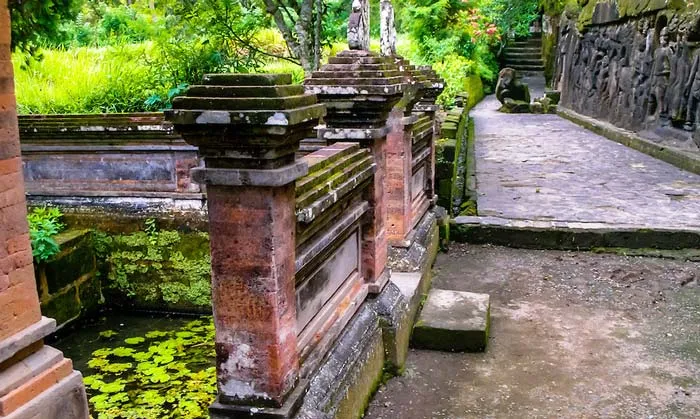
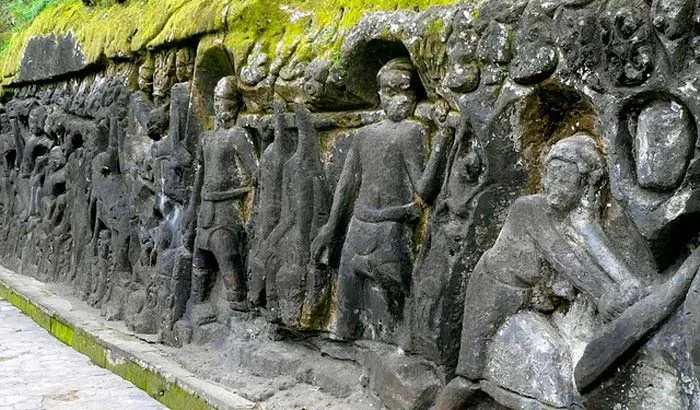
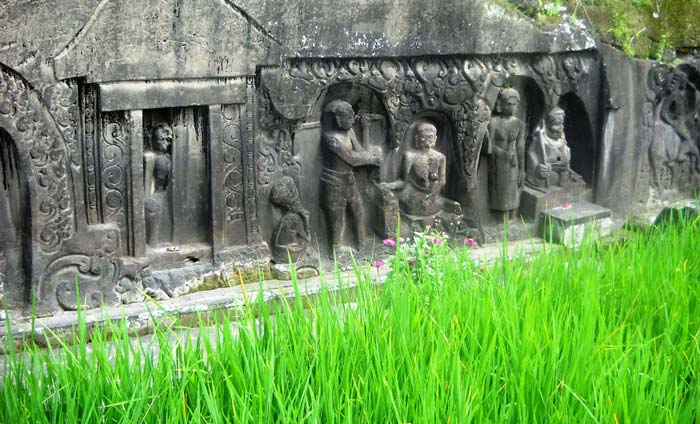
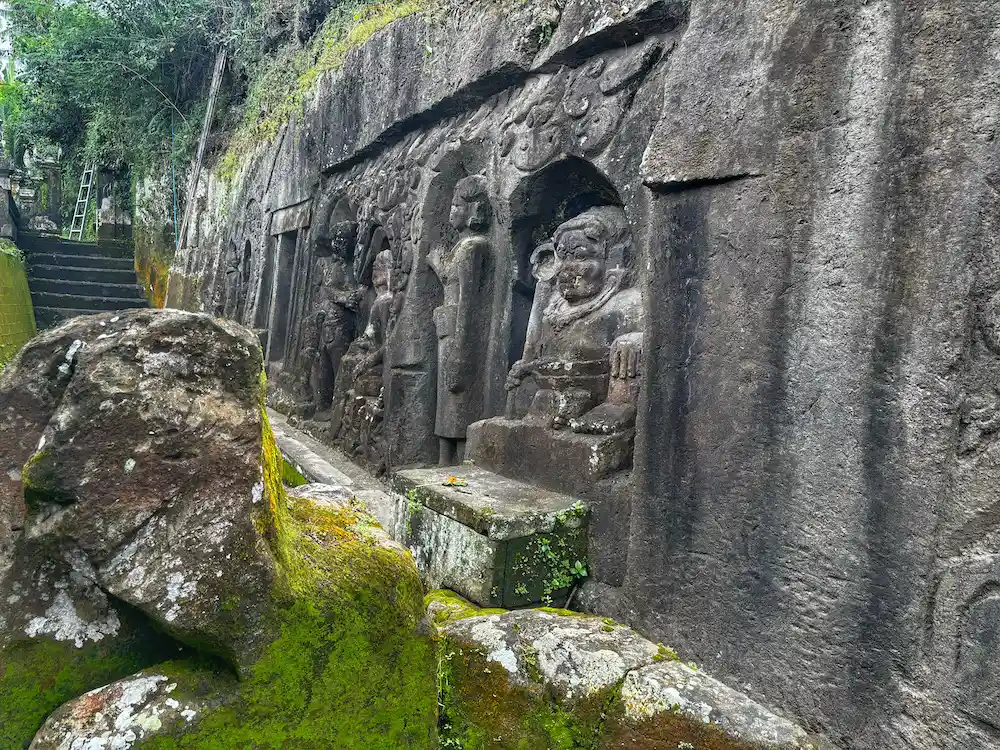
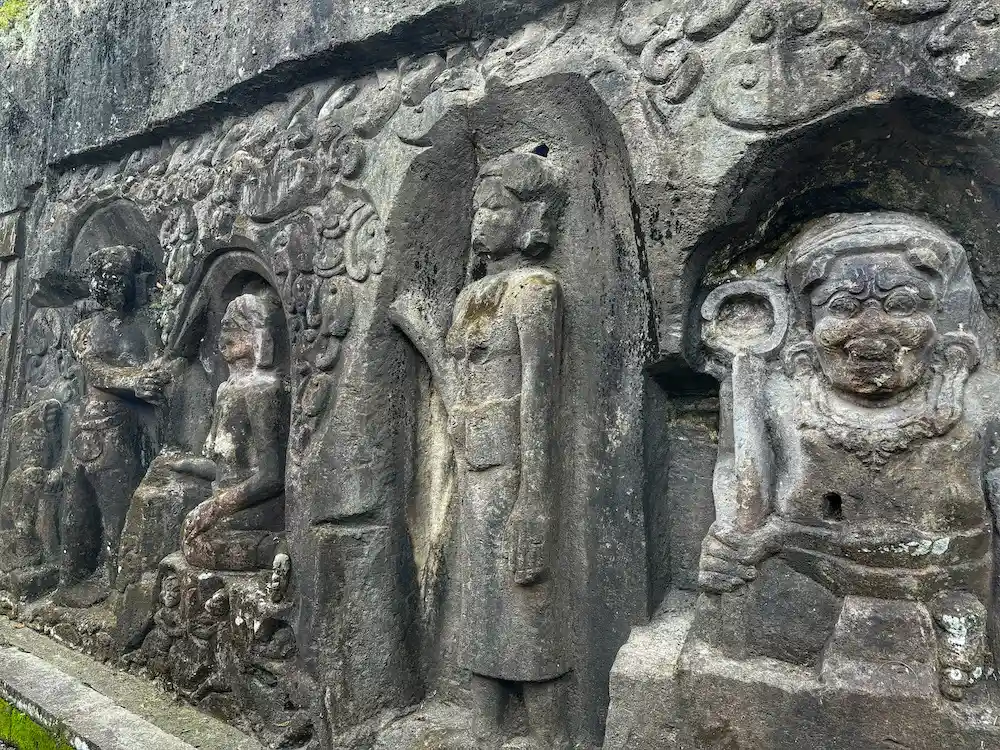
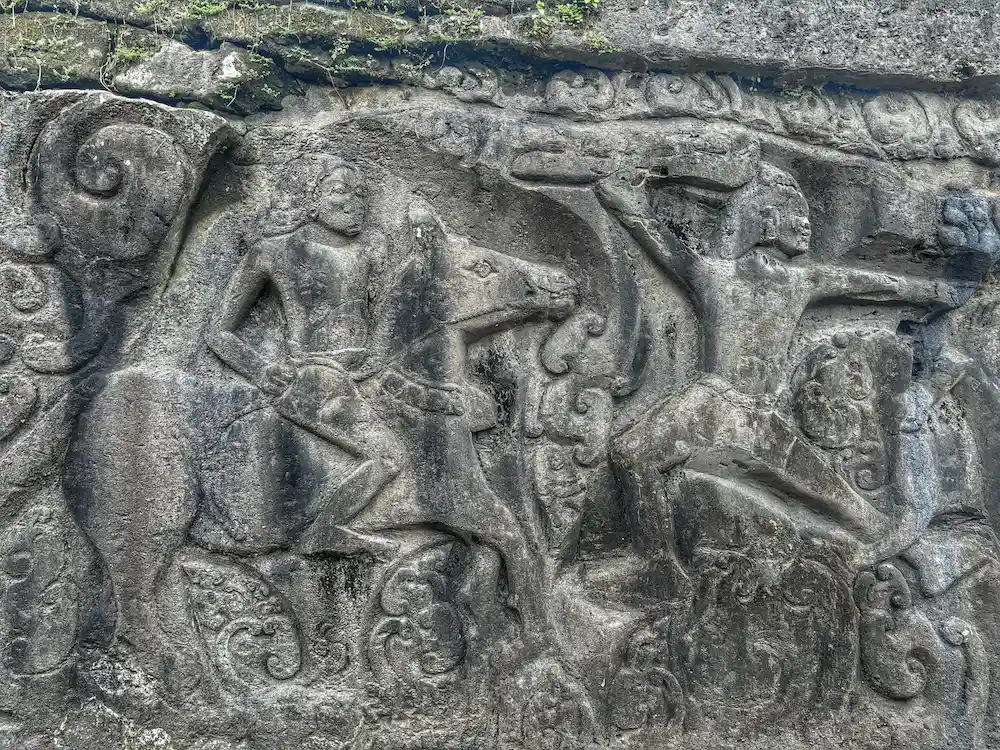
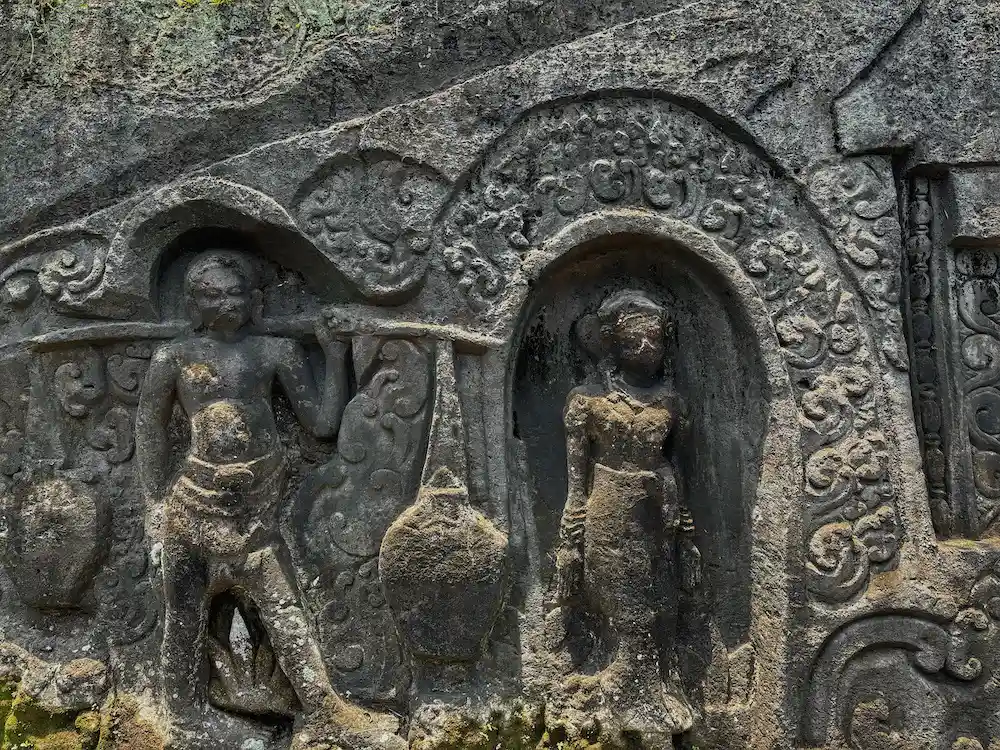
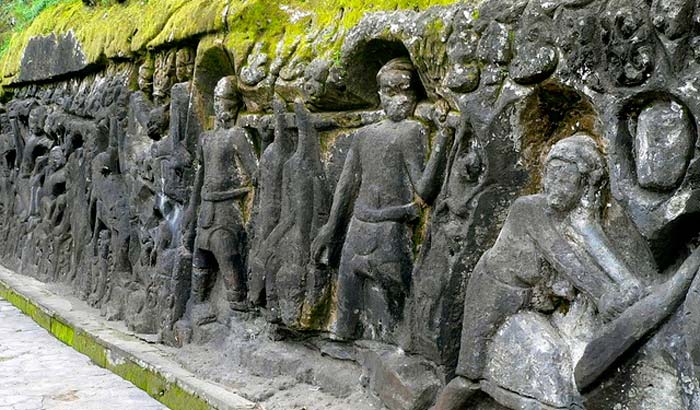
The stone reliefs at Yeh Pulu provide tangible evidence of Balinese artistic skill and cultural narratives from earlier periods. These carvings represent the kind of detailed stonework that characterizes significant Balinese temples, offering visitors the opportunity to examine craftsmanship and iconography up close. The reliefs serve as historical documents, preserving scenes and subjects that illuminate aspects of Balinese life, belief, and artistic convention. For those with interest in Southeast Asian archaeology or Hindu-Buddhist artistic traditions, the carvings merit careful observation and study.
Practical Considerations for Visitors
Visitors should be prepared for the tropical Balinese climate, including heat and humidity. Comfortable walking shoes are recommended, as exploring the carved areas may involve uneven terrain. Water and sun protection are essential. The site's archaeological nature means that some areas may be cordoned off for preservation purposes, and visitors should respect any barriers or restrictions in place.
As with all Balinese temples, visitors should be mindful of ongoing religious activities. If ceremonies or rituals are taking place, maintaining a respectful distance and following any guidance from temple staff is important. The site's significance to the local community means that visitor behavior should reflect appropriate reverence for a sacred space.
Incorporating Yeh Pulu into Broader Exploration
Yeh Pulu fits within the wider landscape of Balinese temple tourism centered on Ubud. The region contains numerous other temples and cultural sites, allowing visitors to develop a more comprehensive understanding of Balinese Hinduism and artistic heritage through multiple visits. Day tours in the Ubud area often include temple visits alongside natural attractions such as rice terraces and waterfalls, providing context for understanding how temples integrate into the broader Balinese landscape and culture.
How to reach
Temples near Yeh Pulu
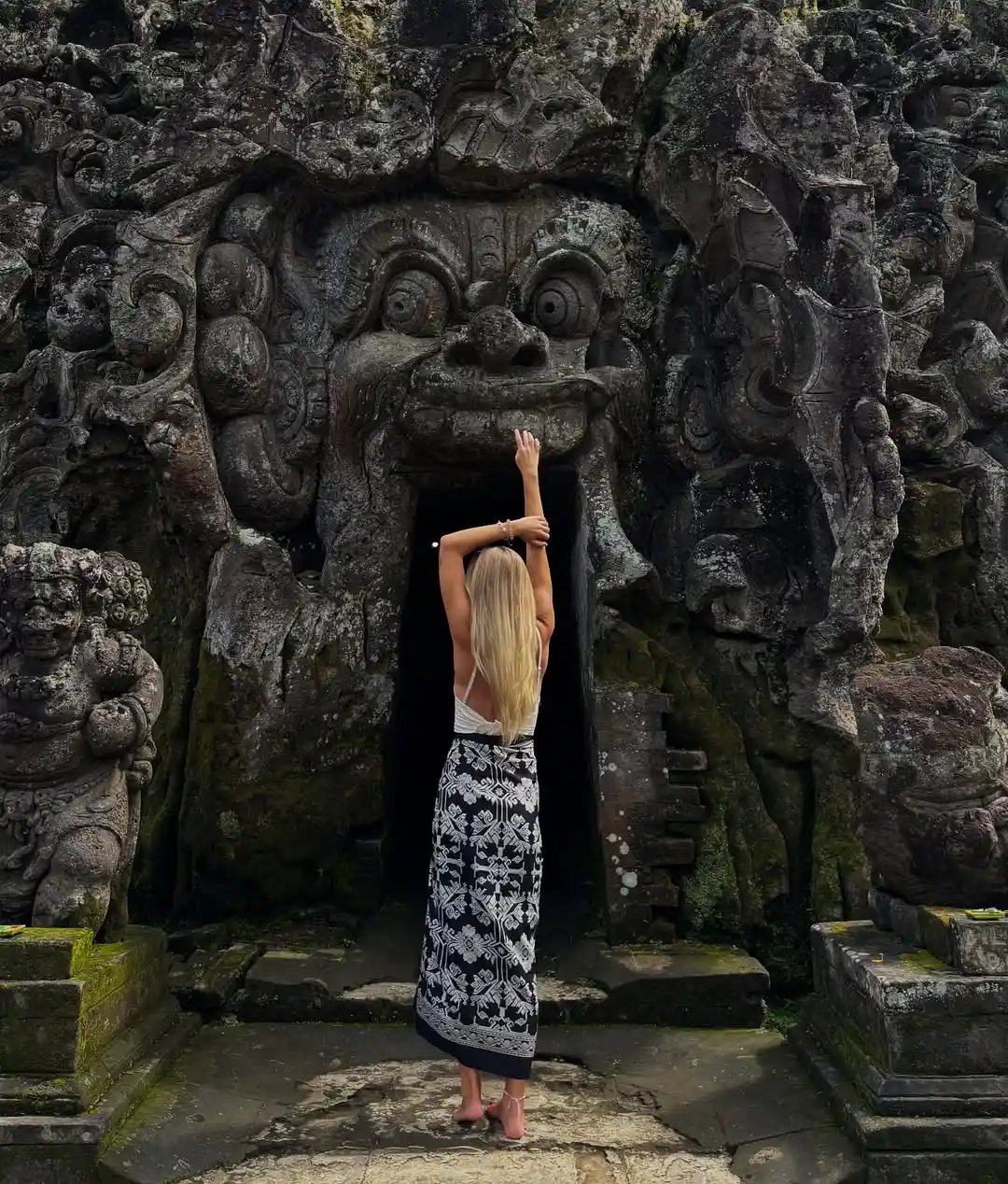
Goa gajah
Goa Gajah, the Elephant Cave, is an 11th-century sanctuary carved into stone near Ubud, featuring a distinctive demon-faced entrance and serving as a rare meeting place for Hind…
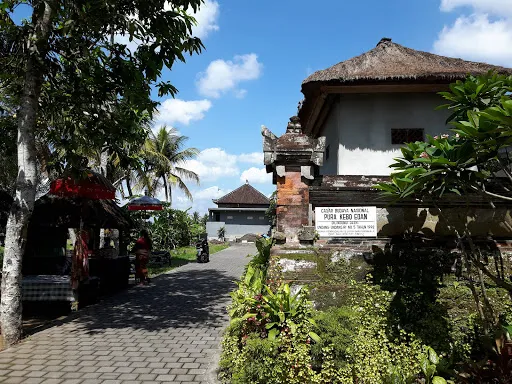
Pura Kebo Edan
Pura Kebo Edan is a 14th-century Hindu temple in Gianyar, Bali, renowned for its three-and-a-half-meter-high statue of a figure standing over a corpse, exemplifying classical Ba…
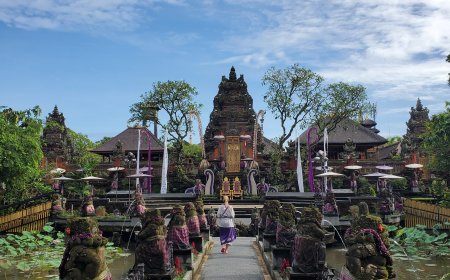
Taman Sari Temple
Taman Sari Temple is a Hindu coastal shrine in Buleleng Regency, northern Bali, featuring 33 shrines and serving as a sacred purification site for devotees.
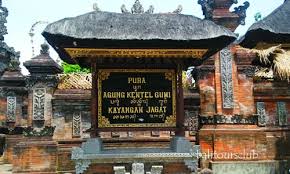
Pura Agung Kentel Gumi
Pura Agung Kentel Gumi is one of Bali's three principal temples (Kahyangan Tiga), serving as the spiritual center for seeking world harmony and prosperity. Located in Tusan vill…
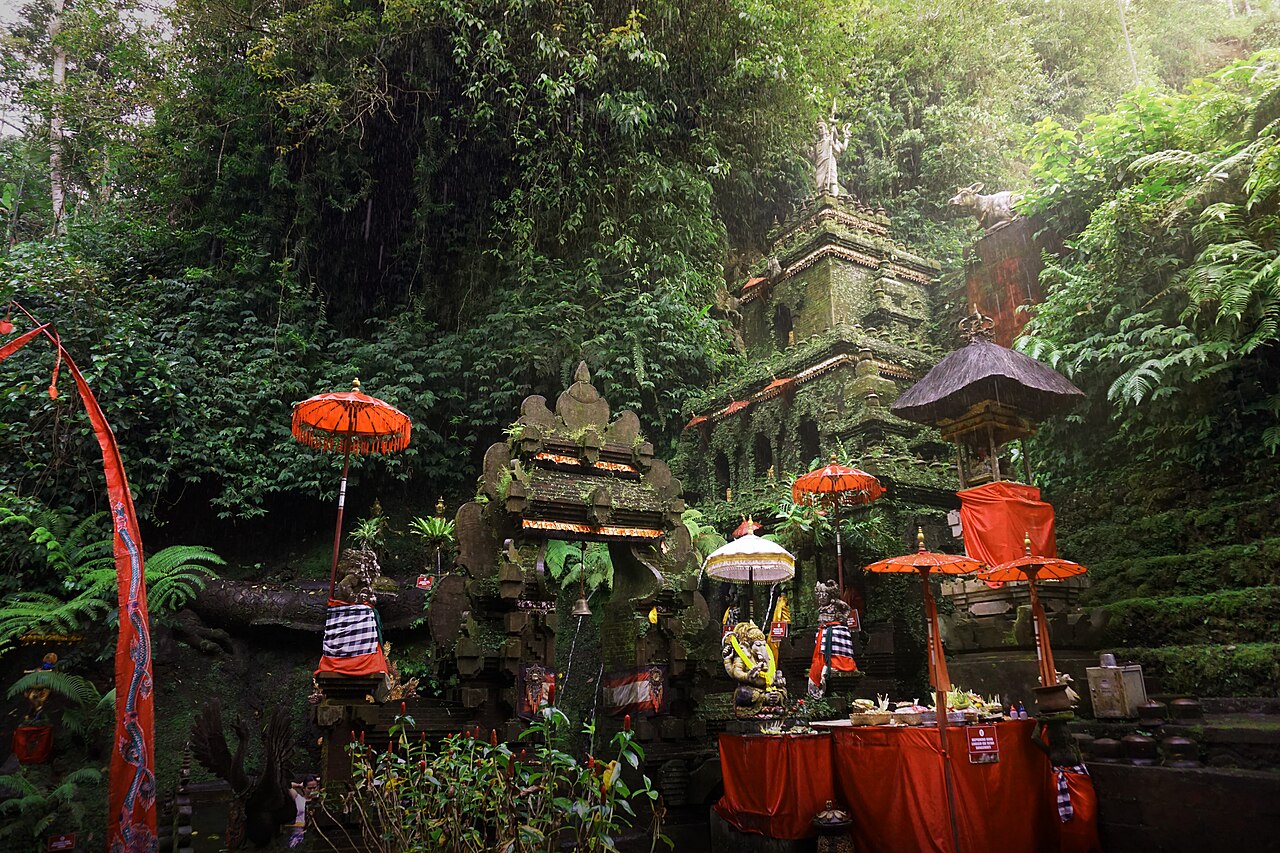
Pura Taman Pecampuhan Sala
Pura Taman Pecampuhan Sala is a sacred water temple nestled in a forested volcanic canyon near Ubud, Bali, renowned for its melukat water purification rituals conducted at natur…
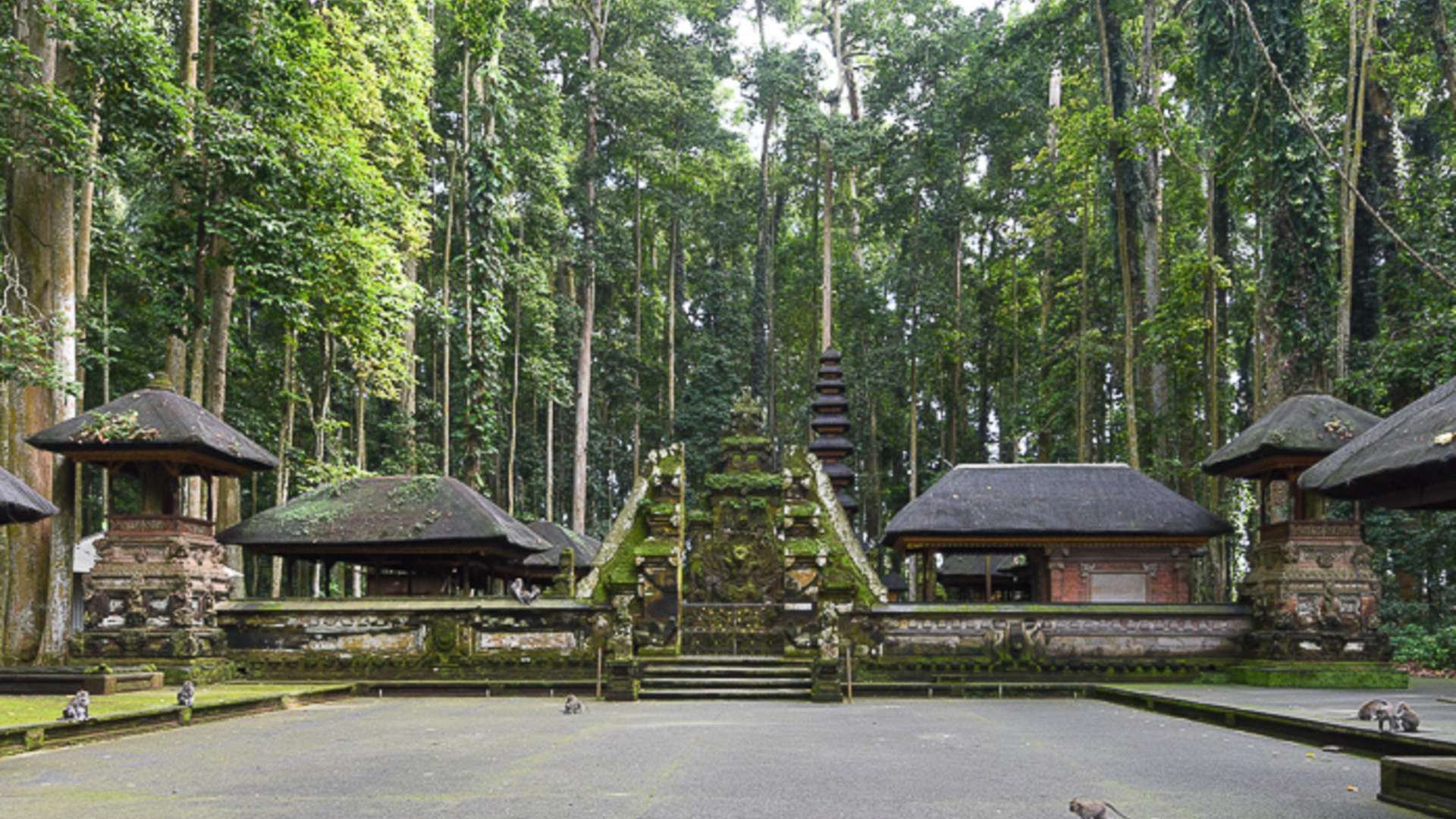
Pura Pucak Bukit Sari
Pura Pucak Bukit Sari is an ancient temple located within the sacred Sangeh forest in Badung, Bali, known for its integration with a natural sanctuary of monkeys and towering nu…