Goa gajah
About Goa gajah
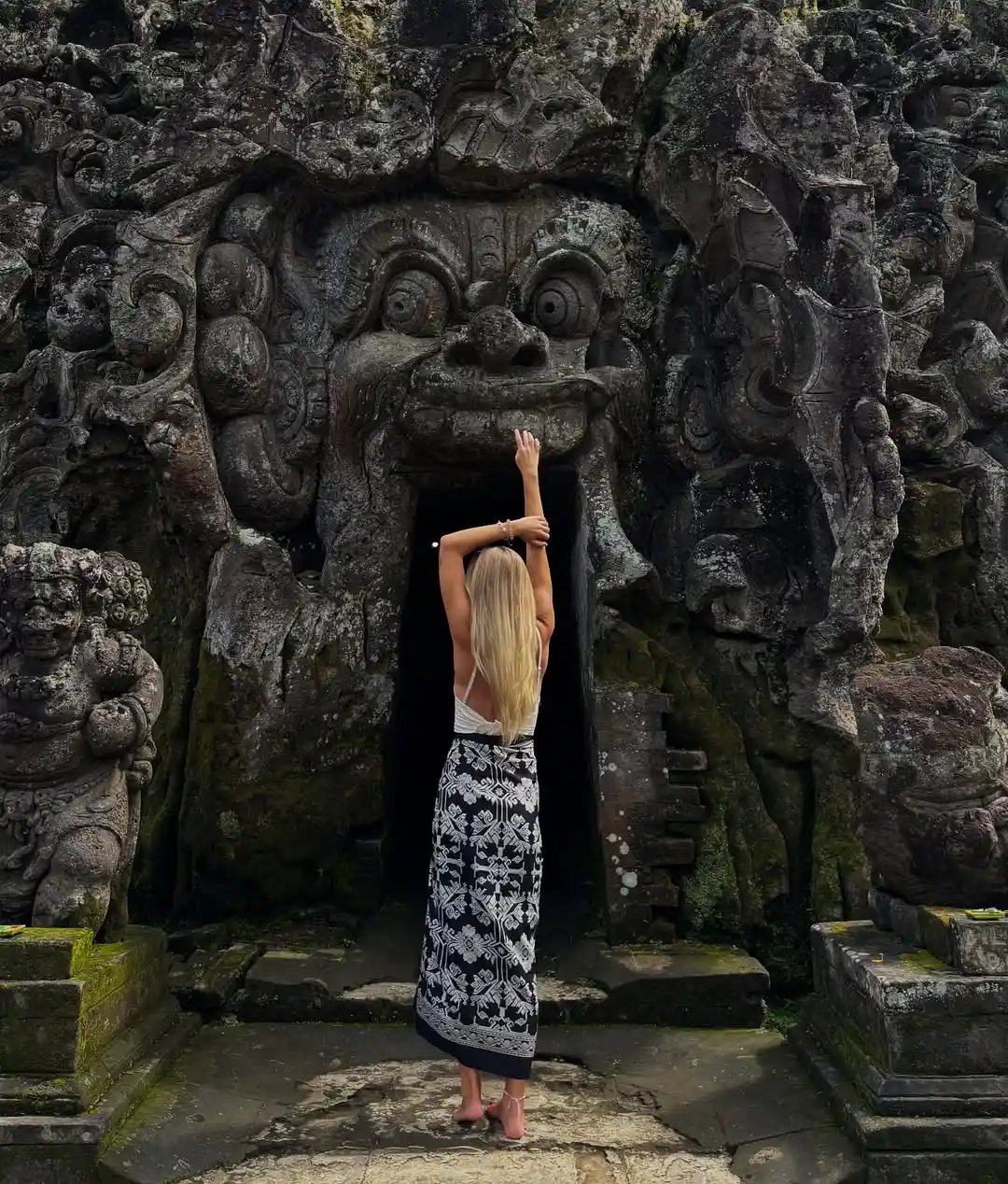
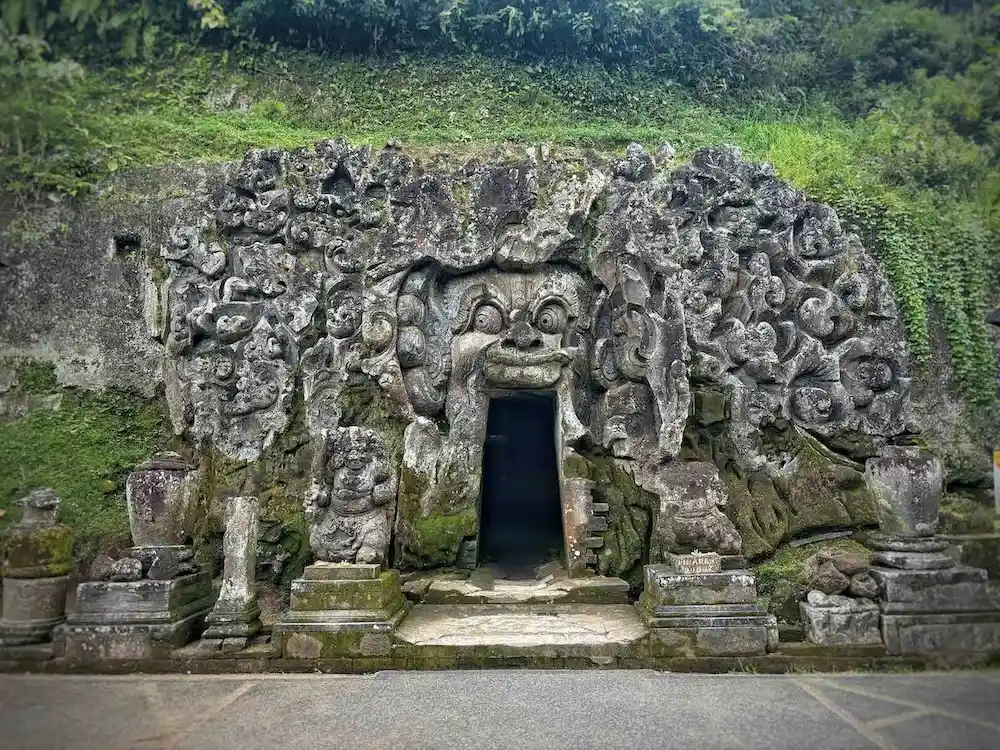
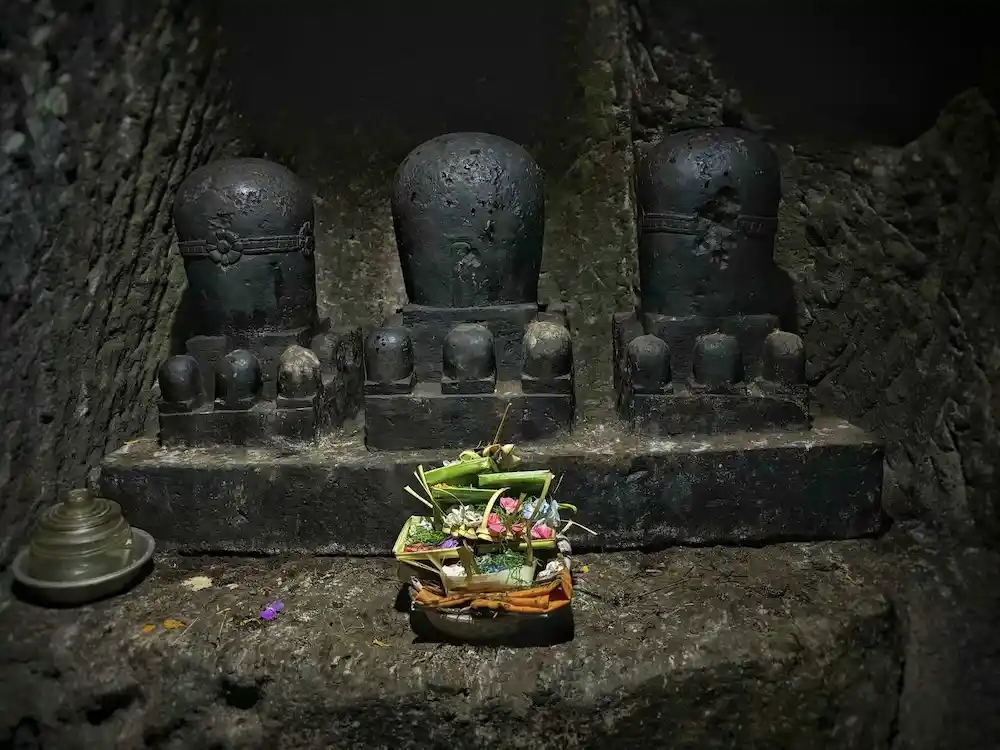
Goa Gajah functions as a cave temple rather than a conventional shrine structure. The sanctuary centers on a natural cave formation, its entrance and interior decorated with intricate stone carvings that reflect the artistic traditions of the period. Moss and roots drape the stone surfaces, creating an atmosphere where the built environment and natural growth have merged over centuries. The temple also contains sacred pools, which form part of the spiritual landscape and reflect the importance of water in Hindu practice. These pools and the cave's shadowed spaces create a contemplative environment distinct from open-air temples elsewhere on the island.
Sacred Pools and Ritual Spaces
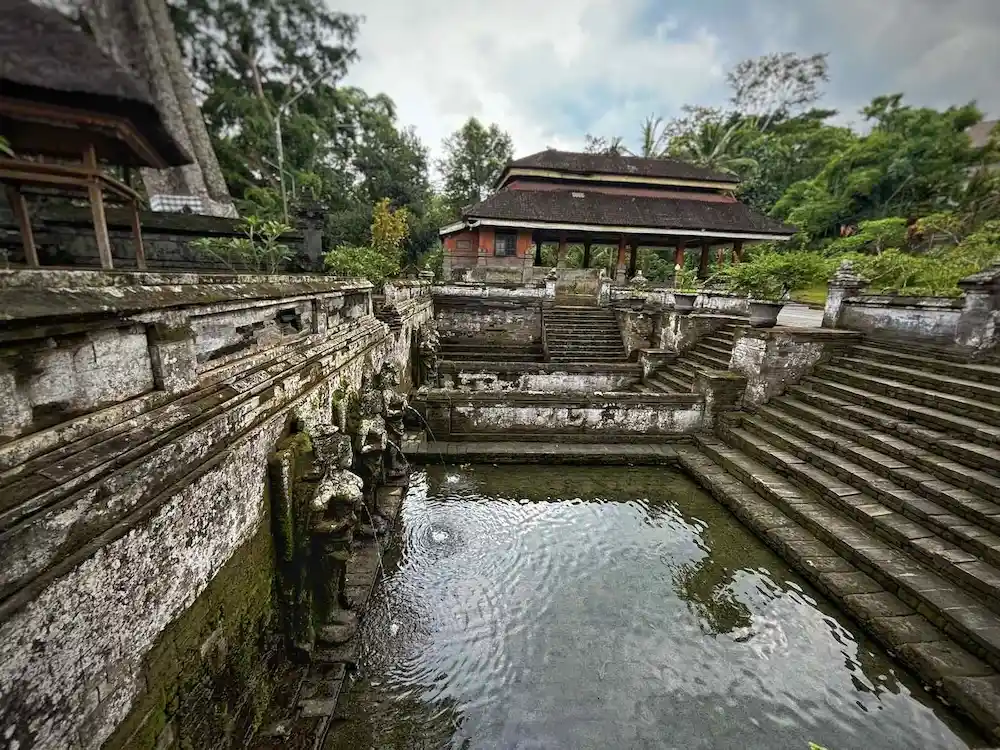
Water features prominently at Goa Gajah, with sacred pools integrated into the temple grounds. These pools serve ritual purposes within the Hindu tradition and contribute to the site's spiritual character. The combination of cave, stone carvings, and water creates distinct zones for devotion and purification. Visitors will encounter these elements as they move through the temple, each contributing to the overall sense of a place designed for spiritual engagement rather than casual observation.
Visiting Practicalities
The temple opens daily from 8:00 AM to 6:00 PM. Entry costs 50,000 IDR. The dry season, from April through September, offers the most comfortable visiting conditions with cooler temperatures and clearer skies. Arriving before 10:00 AM provides a quieter experience, as tour groups tend to arrive later in the day. Plan for one to two hours to explore the site without rushing. The terrain includes uneven paths, stone steps, and exposed roots, which may challenge visitors with mobility difficulties, though those comfortable with such surfaces generally manage the site. Wear sturdy footwear and modest clothing appropriate to a sacred space—covered shoulders and knees are respectful. Bring water, as the shaded cave environment can be cool but the surrounding grounds offer limited shelter.
Etiquette and Conduct
As an active Hindu temple, Goa Gajah requires respectful behavior from visitors. Remove shoes before entering certain areas, follow any posted restrictions, and observe silence in meditation spaces. Photography may be restricted in some sections; ask locally before photographing. Avoid touching carvings or disturbing the pools. The site remains a place of worship, not merely a tourist attraction, and conduct should reflect this understanding. If uncertain about appropriate behavior in any area, observe what local devotees do or ask temple staff for guidance.
Getting There
Goa Gajah lies on the outskirts of Ubud, approximately 15 minutes by vehicle from the town center. Taxis, ride-hailing apps, and motorbike rentals provide accessible transport options from Ubud's main areas. Many visitors arrange visits through local tour operators, which often include transport and context about the site. The address—Bedulu, Blahbatuh, Gianyar Regency, Bali—can be entered into navigation apps for precise directions. The temple's location within Ubud's cultural landscape makes it a natural addition to visits exploring the region's temples, rice terraces, and artistic traditions.
How to reach
Temples near Goa gajah
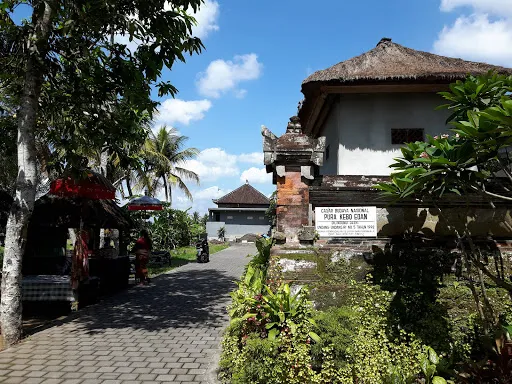
Pura Kebo Edan
Pura Kebo Edan is a 14th-century Hindu temple in Gianyar, Bali, renowned for its three-and-a-half-meter-high statue of a figure standing over a corpse, exemplifying classical Ba…
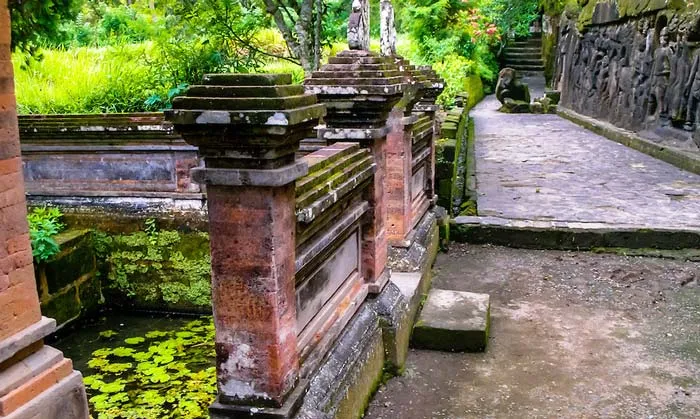
Yeh Pulu
Yeh Pulu is an ancient temple in Ubud, Bali, renowned for its intricate stone carvings that showcase the artistic heritage of medieval Balinese civilization.
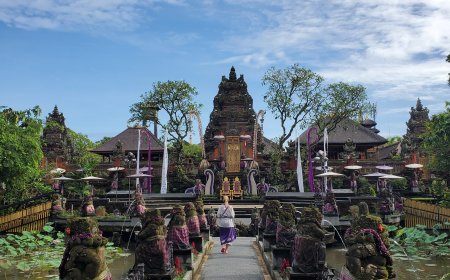
Taman Sari Temple
Taman Sari Temple is a Hindu coastal shrine in Buleleng Regency, northern Bali, featuring 33 shrines and serving as a sacred purification site for devotees.
Pura Agung Kentel Gumi
Pura Agung Kentel Gumi is one of Bali's three principal temples (Kahyangan Tiga), serving as the spiritual center for seeking world harmony and prosperity. Located in Tusan vill…
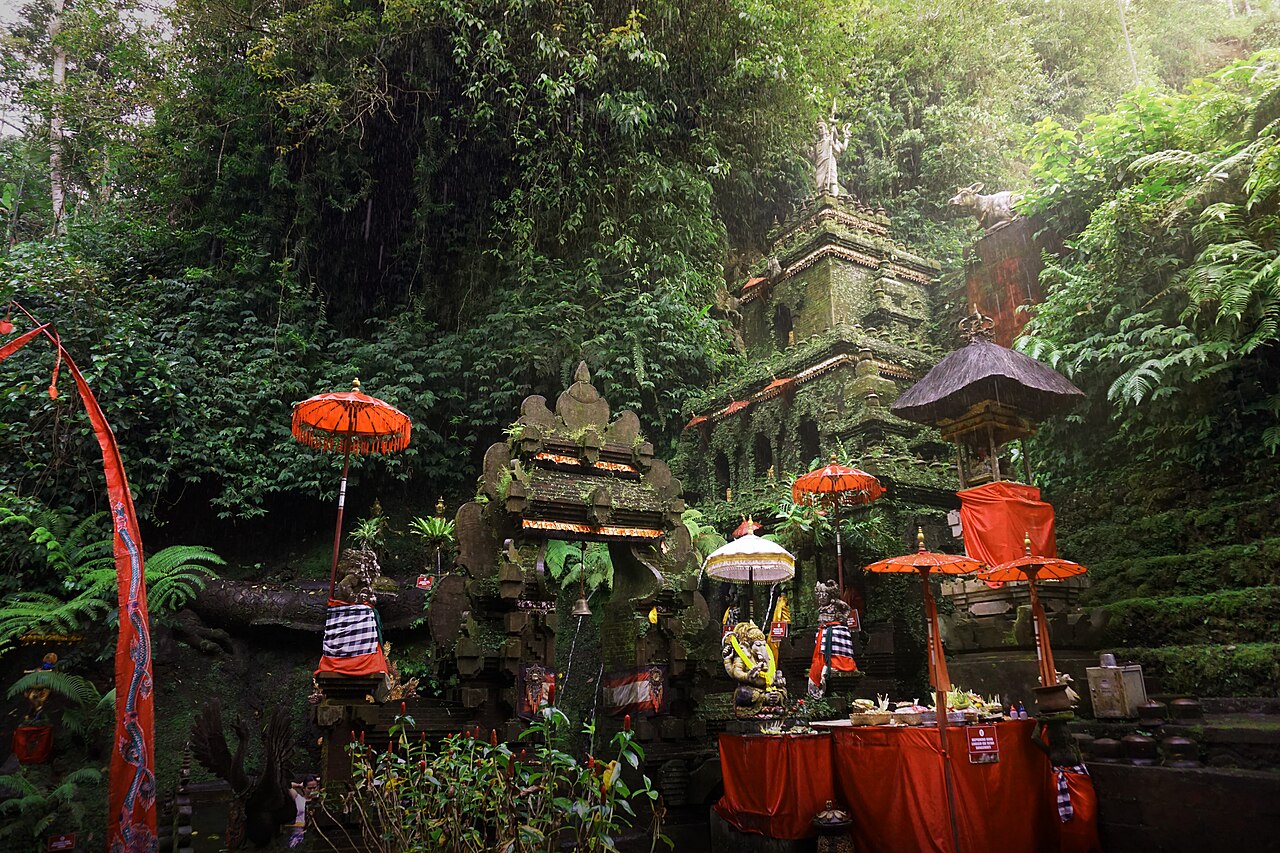
Pura Taman Pecampuhan Sala
Pura Taman Pecampuhan Sala is a sacred water temple nestled in a forested volcanic canyon near Ubud, Bali, renowned for its melukat water purification rituals conducted at natur…
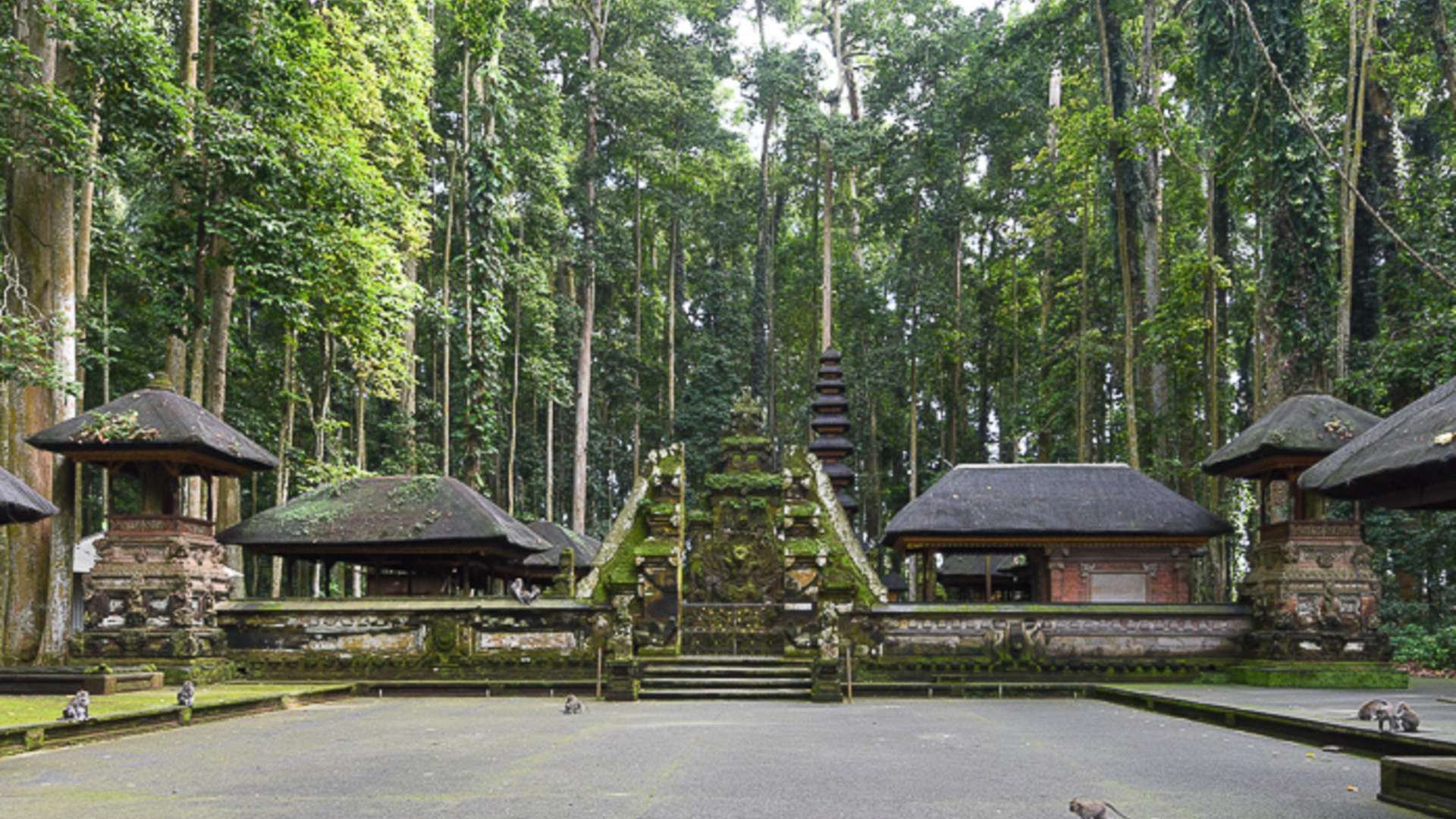
Pura Pucak Bukit Sari
Pura Pucak Bukit Sari is an ancient temple located within the sacred Sangeh forest in Badung, Bali, known for its integration with a natural sanctuary of monkeys and towering nu…