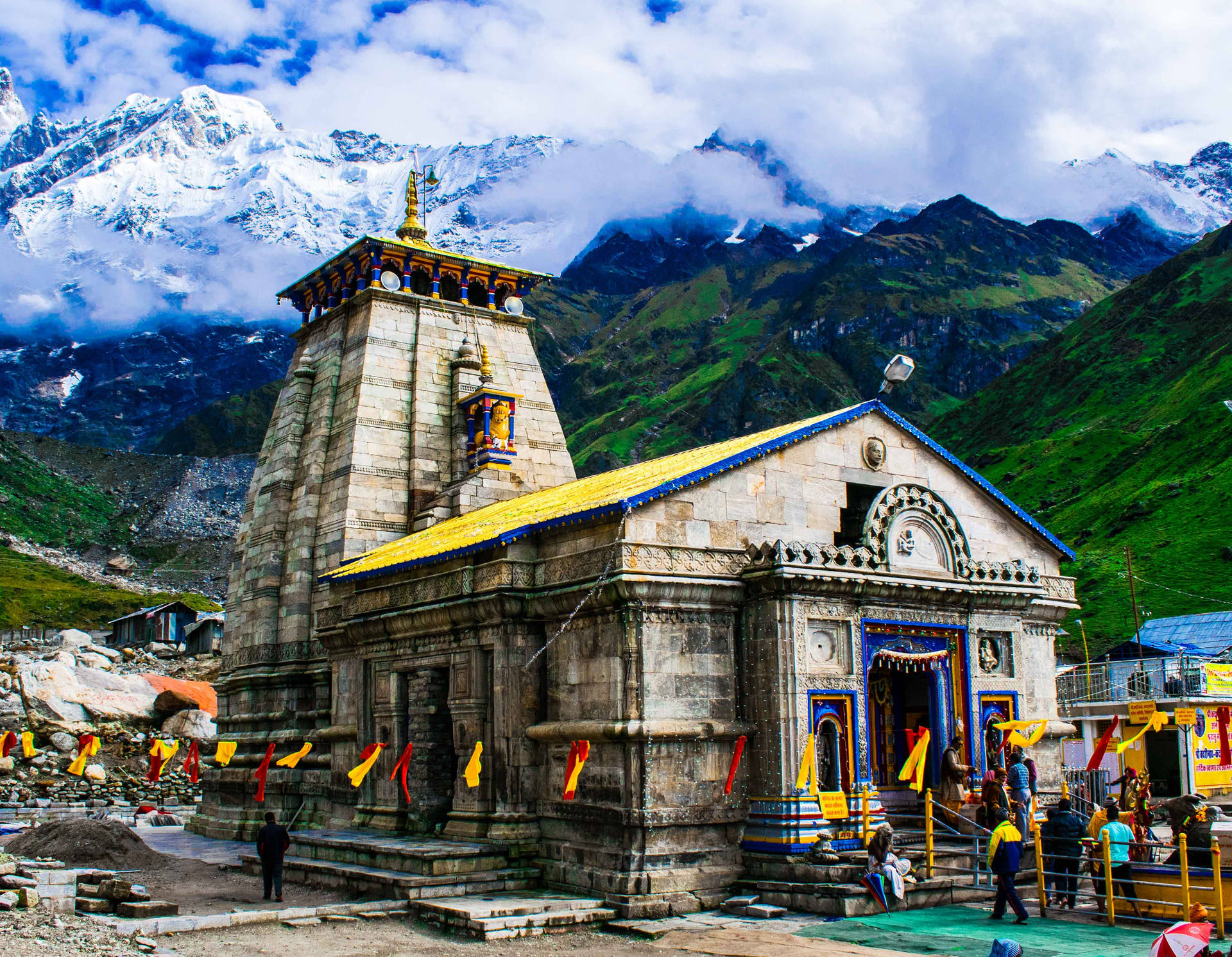

Kedarnath Temple
About Kedarnath Temple
The temple welcomes visitors only between April and November, a seven-month window determined entirely by weather conditions. The best visiting period falls between Akshaya Tritiya and Bhai Dooj, though these specific dates should be confirmed with current temple schedules. Pilgrims should be aware that the high altitude brings extreme cold, low humidity, increased ultraviolet radiation, and reduced oxygen pressure—conditions that pose genuine health risks.
Before undertaking the journey, visitors are advised to check weather forecasts through the India Meteorological Department (https://mausam.imd.gov.in/) and review health advisories from Uttarakhand Tourism. The State Emergency Operation Center can be reached at 0135-2710334 or toll-free at 1070 should assistance be needed during the visit.
Practical Information for Pilgrims
Pilgrims traveling to Kedarnath should complete registration formalities before beginning their journey. Vehicle permits and green cards for visiting the Char Dham shrines can be generated through the official portal. Helicopter shuttle services are available through https://heliyatra.irctc.co.in for those unable to undertake the overland trek.
Accommodation and other facilities are managed by the Shri Badarinath Kedarnath Temple Committee (BKTC), which oversees not only Kedarnath but forty-five other temples throughout Uttarakhand. The committee can provide information about lodging options and pilgrim services. Donations to the temple can be made through registered or guest user accounts on the official website.
Historical Establishment and Management
Tradition holds that Kedarnath Temple was established by Adi Guru Shankaracharya, the eighth-century philosopher and spiritual reformer. The temple's management structure evolved significantly over time. Under an 1899 scheme, oversight was divided between the Rawal (temple priest) and the Tehri Darbar, an arrangement that eventually proved ineffective. The Shri Badarinath Kedarnath Temple Committee was formally constituted under an 1939 Act to provide unified administration and better serve pilgrims visiting these high-altitude shrines.
Reaching Kedarnath
The temple is situated at coordinates 30.733335, 79.066659 in the Garhwal Himalayas. Access is possible by road during the open season, though the mountain terrain and weather conditions make travel challenging. Helicopter services offer an alternative for those with mobility concerns or time constraints. Detailed travel information and current route conditions should be obtained from the BKTC or Uttarakhand tourism authorities before departure.
How to reach
You may also visit
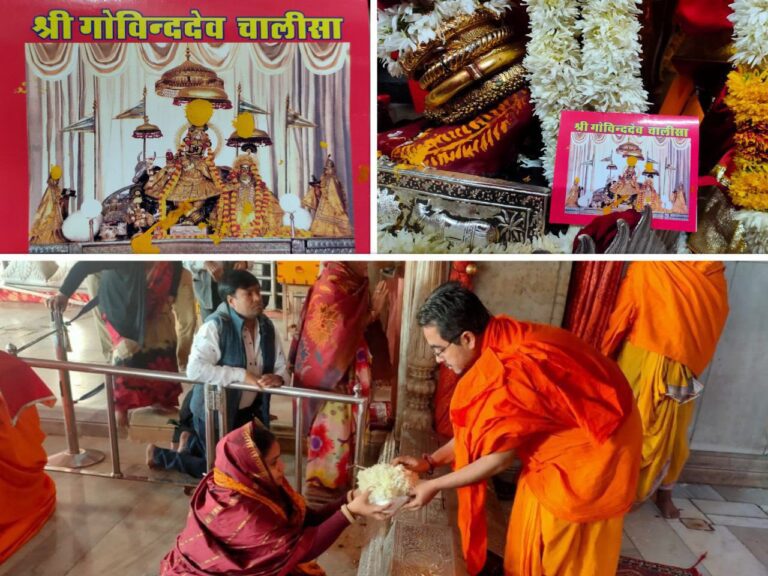
Kalyanji Temple
Kalyanji Temple in Jaipur's Chandpol Bazaar is approximately two centuries old and renowned for displaying the twenty-four avatars of Krishna, visible only twice yearly during Akha Teej and Patottsav festival.
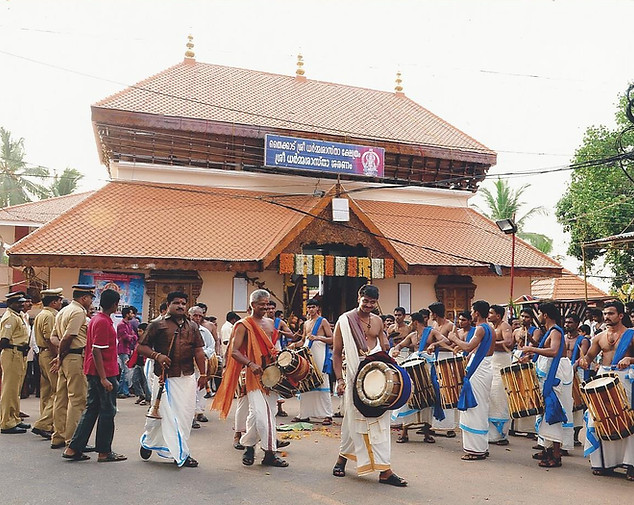
Sastha (Ayyappan) Temple
Sree Dharma Sastha Temple in Thycaud, Thiruvananthapuram, is a centuries-old shrine where the deity manifests as Dhanwanthari, the divine healer, holding the sacred blue lotus.

Govindarajaswamy Temple
Sri Govindarajaswamy Temple in Tirupati is an ancient Vaishnavaite shrine consecrated in 1130 AD by Saint Ramanuja, where the presiding deity rests in eternal Yoga Nidra on the serpent Adisesha.