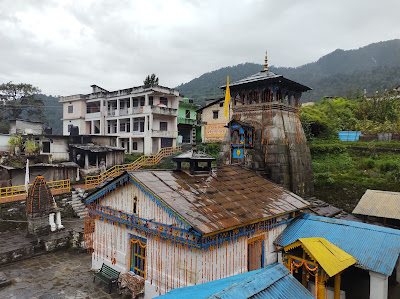
Triyuginarayan Temple
About Triyuginarayan Temple
The temple's architectural design follows the principles established by the philosopher-saint Adi Shankaracharya in the construction of the Kedarnath Temple, reflecting a continuity of sacred building tradition across the Garhwal region. The principal shrine houses a silver image of Lord Vishnu, two feet in height, depicted with Goddess Lakshmi and Goddess Saraswati beside him.
Within the temple complex stands Brahma Shila, a sacred stone marking the exact location where Shiva and Parvati were united in marriage. This stone is revered as the most sacred point of the entire temple grounds. The Saraswati Ganga, a holy stream, originates within the temple courtyard and flows to fill four sacred bathing ponds: Rudra Kund, Vishnu Kund, Brahma Kund, and Saraswati Kund. Pilgrims traditionally bathe in these kunds as an act of purification before entering the main sanctum.
Darshan and Daily Worship
The temple opens daily for darshan in two sessions: 05:00 to 11:00 in the morning, and 14:00 to 23:00 in the afternoon and evening. These extended hours accommodate both early-rising pilgrims and those arriving later in the day. During peak seasons, darshan queues can extend to one or two hours; visitors seeking shorter waits should consider visiting during off-season periods or the quieter afternoon hours. The temple remains open 365 days a year, allowing devotees to visit throughout the calendar.
The Jamloki Brahmins serve as the chief worshippers and custodians of the temple, maintaining both the sacred fire and the daily rituals. Visitors participating in worship should follow standard temple etiquette: remove footwear before entering the sanctum, dress modestly, and approach the deity with respect. Those wishing to offer samidha to the eternal flame may do so as an act of devotion.
Pilgrimage Significance and Regional Connections
Triyuginarayan Temple forms an essential stop on the Kedarnath Yatra route and is included in the six pilgrim circuits developed by the Government of Uttarakhand, connecting Rudraprayag, Tungnath, Kedarnath, and other sacred shrines. The temple's sanctity is recorded in ancient Hindu scriptures including the Skanda Purana, Vishnu Purana, and Shiva Purana, with a dedicated Sthala-Purana documenting the complete divine history and spiritual significance of this site.
Visiting Information and Practical Considerations
The best time to visit is during spring and autumn, when Himalayan weather remains mild and pleasant. Winter months bring harsh conditions that may make travel difficult. Parking is available at the temple site, though a short walk is required to reach the shrine itself; those with mobility concerns should be aware that this path may present challenges.
The temple is located at coordinates 30.65236111, 78.98236111 in Triyuginarayan Village, Rudraprayag District. Visitors should plan their journey with attention to seasonal weather patterns and allow time for the walk from the parking area to the temple entrance. The combination of high altitude and mountain terrain means that those unaccustomed to such conditions should pace themselves accordingly.
How to reach
You may also visit
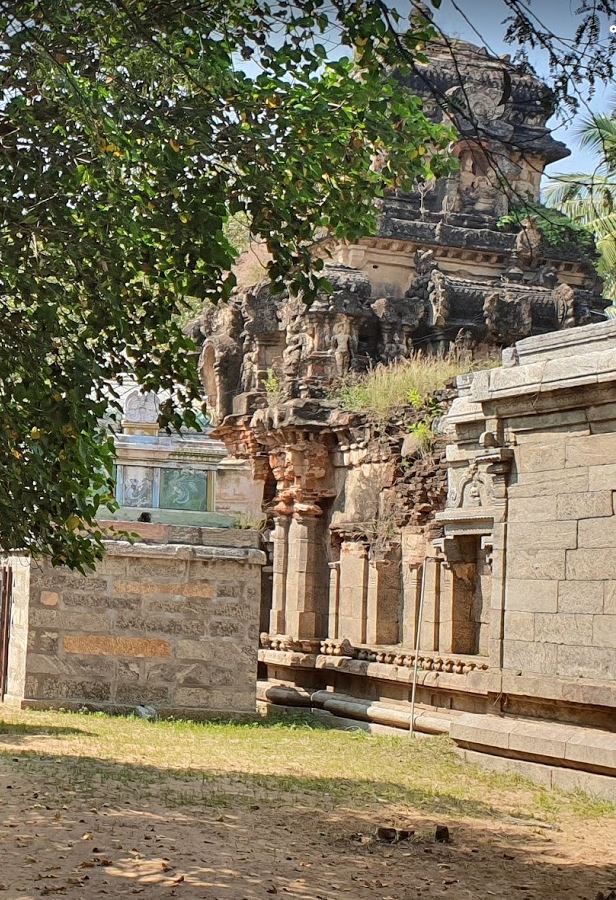
Agatheeswarar Temple, Karur
Agatheeswarar Temple in Thirumukkudalur, Karur district, is an ancient Hindu shrine dedicated to Shiva, situated at the sacred confluence of three rivers and believed to be over 1000 years old.
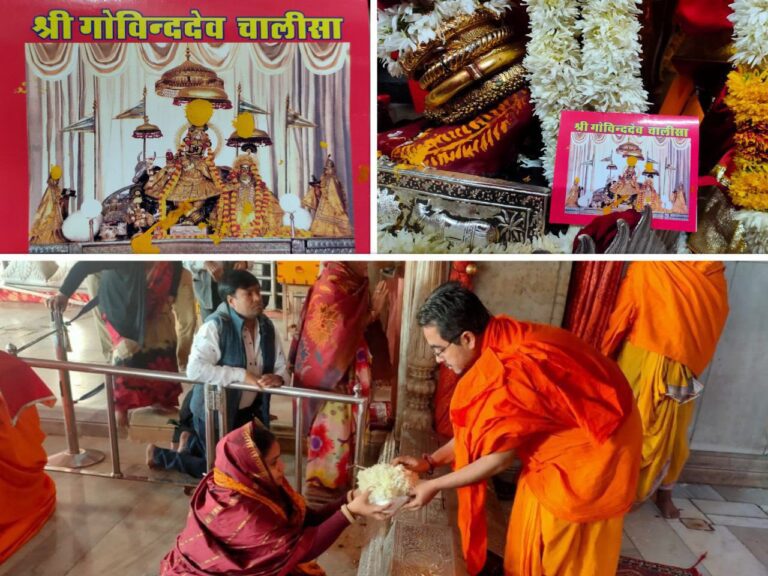
Kalyanji Temple
Kalyanji Temple in Jaipur's Chandpol Bazaar is an ancient Krishna shrine established in the 1820s, renowned for its seven daily aartis and special avatar darshan ceremonies during Akha Teej and Patottsav festivals.
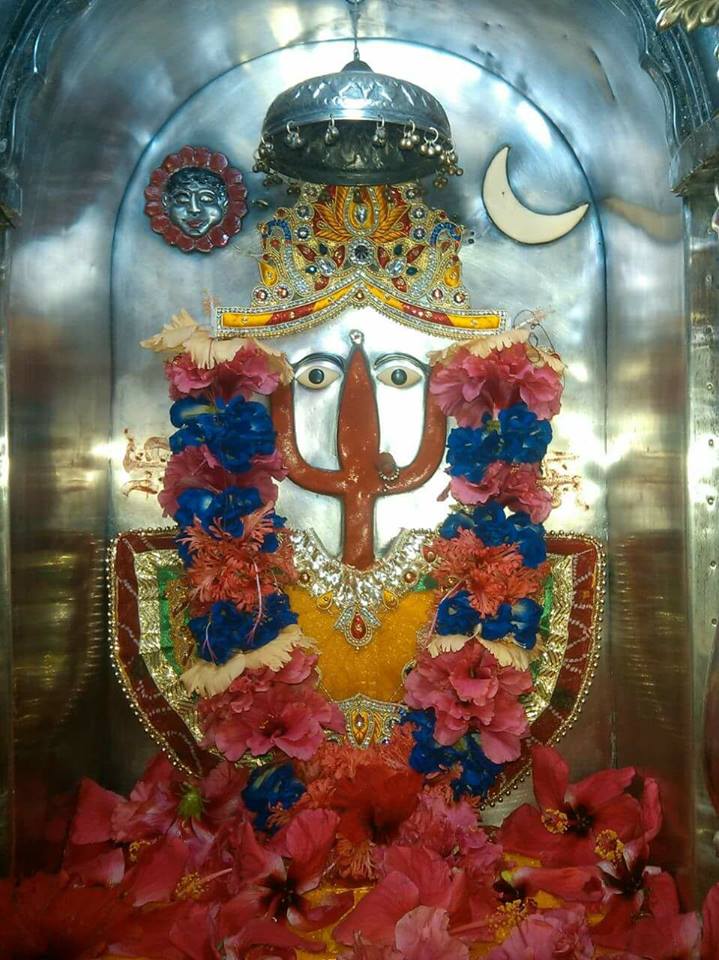
Rani Sati Mandir Mahuda
Rani Sati Mandir in Mahuda, Dhanbad District, is a Hindu temple established in 1992 that serves as a spiritual center for the local community and attracts devotees seeking blessings.