Wat Kamphaeng Laeng
About Wat Kamphaeng Laeng
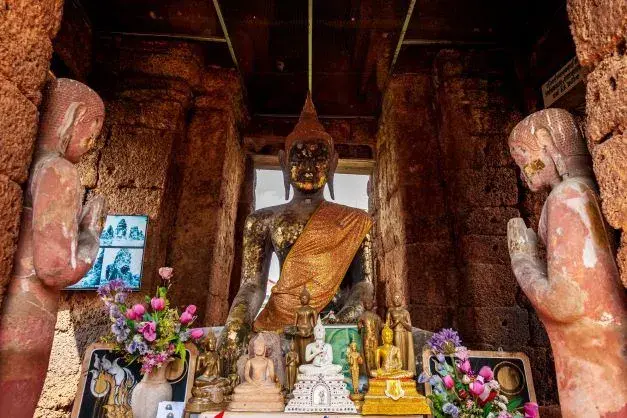
The temple's journey from abandonment to active heritage site reflects broader patterns of how sacred spaces are maintained and valued. For an extended period, Wat Kamphaeng Laeng fell into disuse. A Chinese community later leased land from the Office of National Buddhism to establish orchards and gardens on the grounds. When the site was eventually re-established as an active temple with resident monks, these former occupants relocated, and the monastic community assumed responsibility for both the functioning temple and the preservation of the ancient structures. This transition proved significant: the site moved from being a ruin exposed to weathering and neglect to a place under continuous care and daily use.
The Fine Arts Department formally recognized Wat Kamphaeng Laeng as an ancient monument, registering it in the Royal Gazette in 1935. In 1954, the temple was formally established as a Vipassana meditation center, and its name was changed to "Wat Thep Prasat Sila Laeng"—a designation that honors both the Khmer sacred architecture (Thep Prasat) and the laterite material (Sila Laeng) that characterizes the site. This dual naming reflects the temple's dual identity: a functioning Buddhist monastery and a preserved Khmer heritage site.
Architecture and Sacred Space
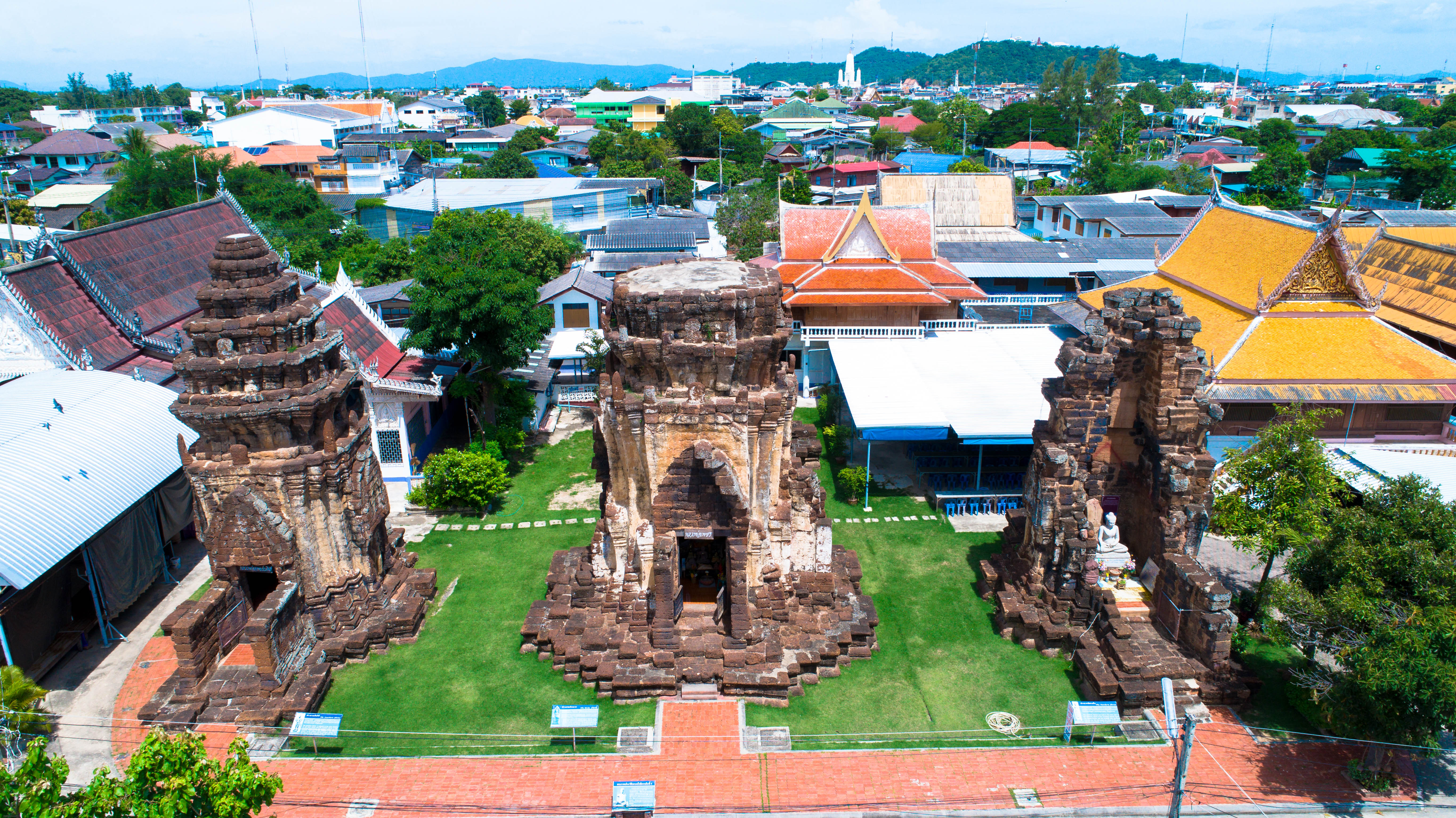
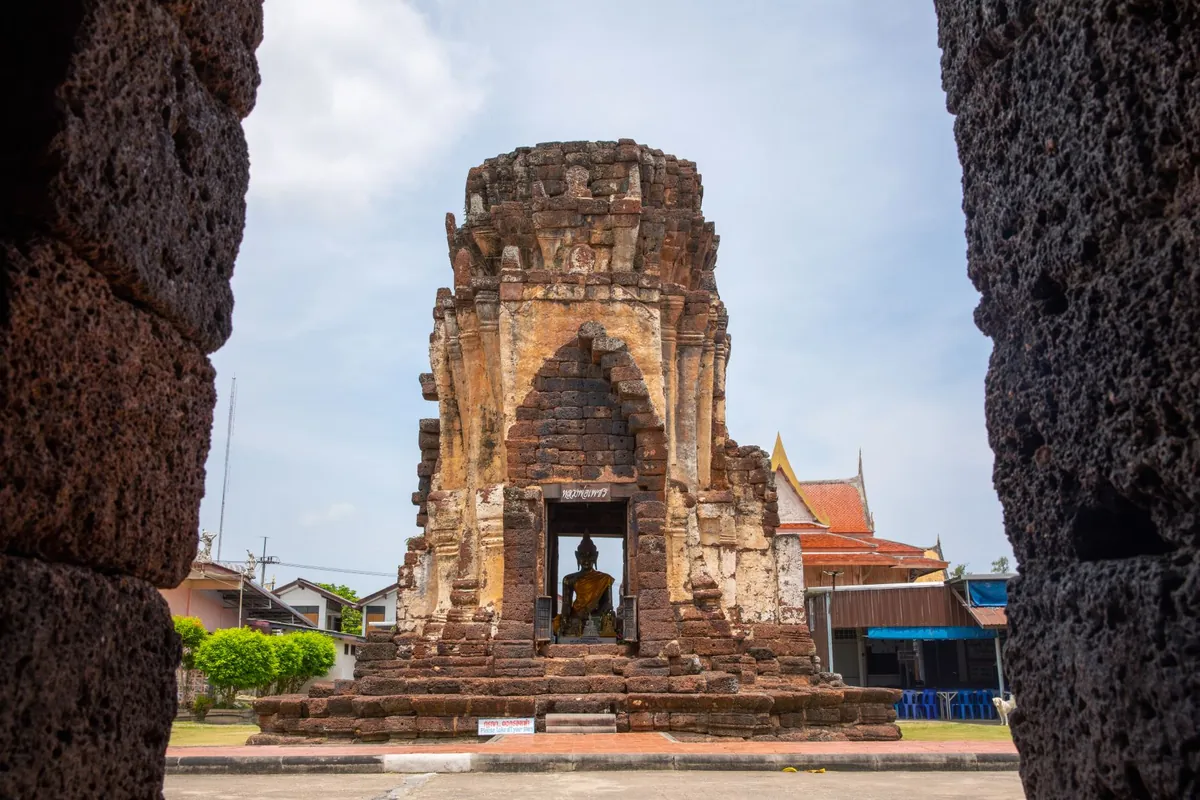
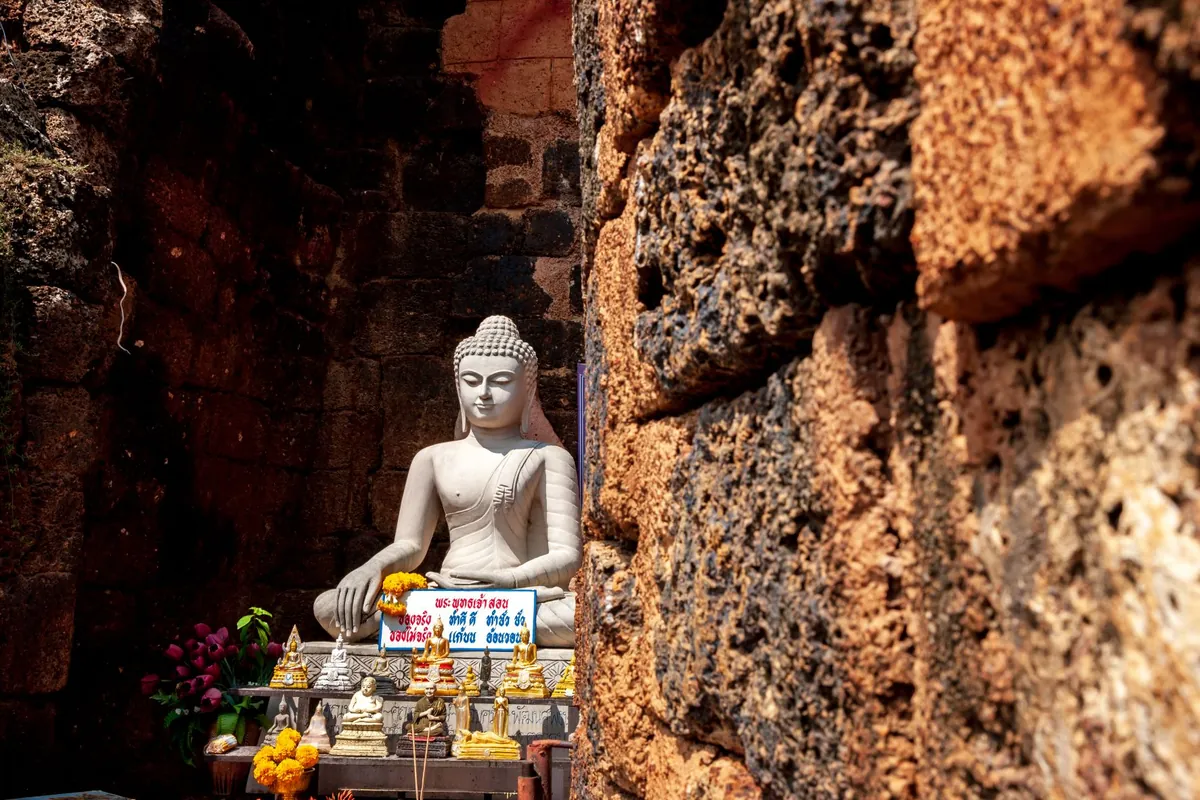
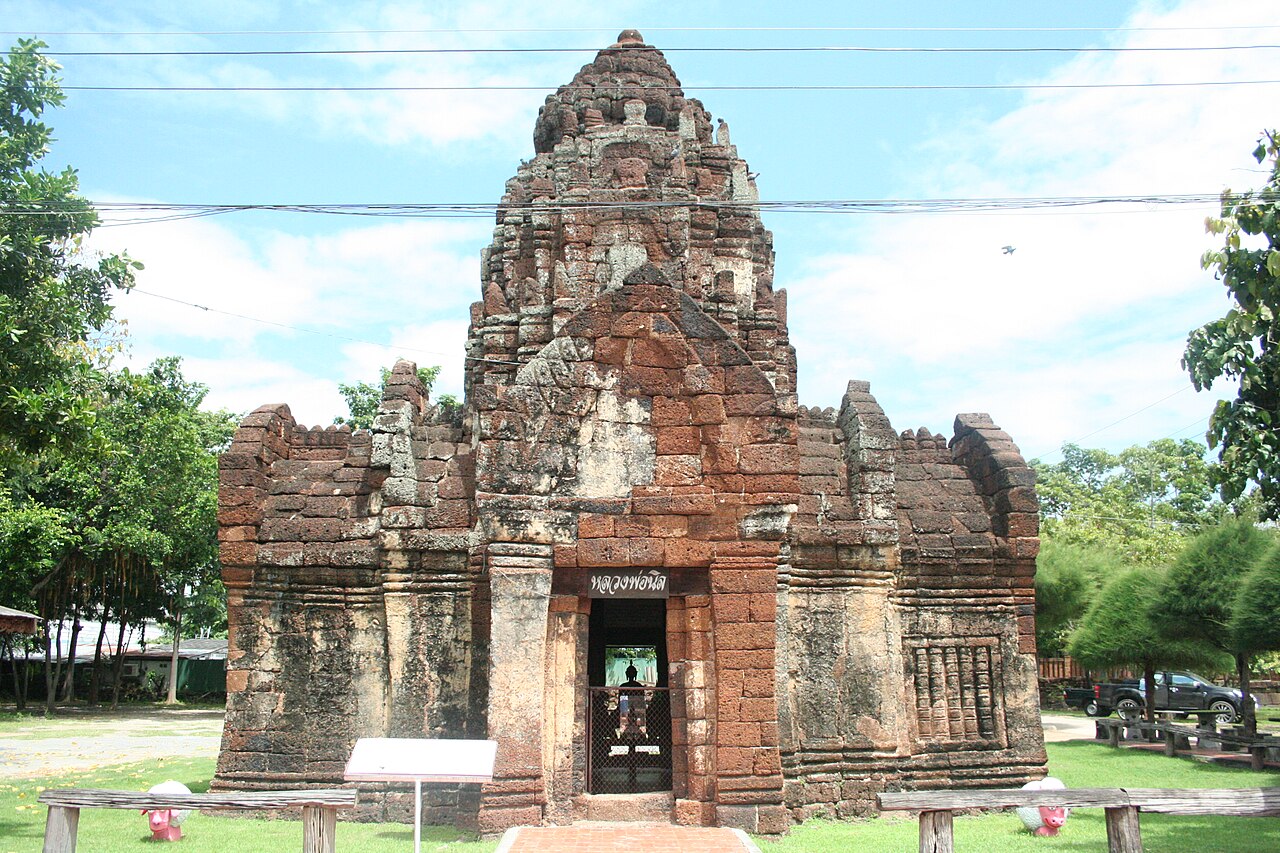
The defining feature of Wat Kamphaeng Laeng is its laterite sanctuary complex, which frames the sacred area with stone walls that have endured for centuries. The proportions of the towers and the gateway structure function almost like a picture frame, helping visitors mentally reconstruct how the monument appeared in its complete, original form. The warm tones of the laterite, combined with surviving decorative elements, create a visual experience quite different from temples built with brick, stucco, or gilded materials.
The site's archaeological significance lies partly in its association with the Bayon style, the architectural tradition linked to Jayavarman VII's reign. For those interested in Khmer art and religious architecture, the temple offers direct evidence of how Hindu-Buddhist cosmological concepts were expressed in stone during the height of Khmer influence in the region. The sanctuary remains naturally integrated into the daily life of the temple, rather than cordoned off as a museum piece.
Visiting the Temple
Wat Kamphaeng Laeng is open daily from 08:00 to 17:00. The temple is located in Tha Rap Subdistrict, Mueang Phetchaburi District, approximately one kilometer east of the Phetchaburi River. As an active Buddhist monastery, visitors should observe standard temple etiquette: dress modestly (covering shoulders and knees), remove shoes before entering buildings, and maintain respectful behavior in the presence of monks. The atmosphere is notably calm and contemplative, reflecting the temple's role as both a meditation center and a living place of worship rather than a staged tourist attraction.
The site is easily accessible from Phetchaburi town and requires no special permits or advance arrangements to visit. Visitors should be prepared for the outdoor nature of much of the site and bring water, particularly during warmer months. Photography is generally permitted, though it is courteous to ask permission before photographing monks or active worship areas.
How to reach

Temples near Wat Kamphaeng Laeng
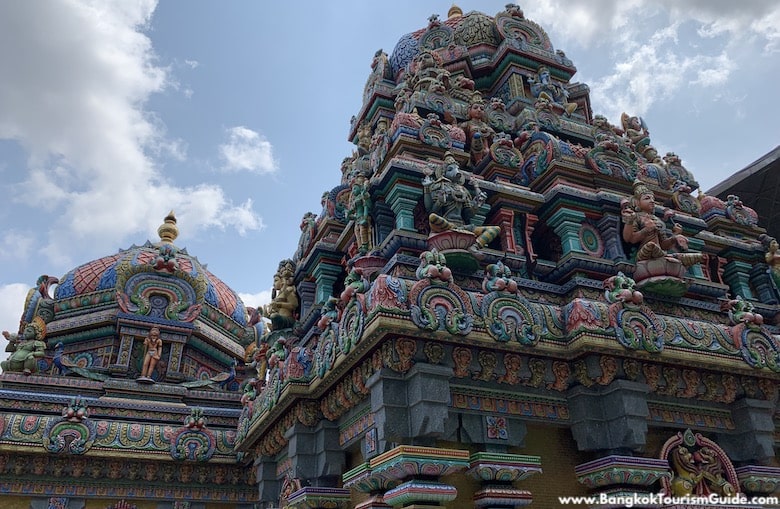
Sri Maha Mariamman Temple, Bangkok
Sri Maha Mariamman Temple, established in 1879 on Silom Road, is Bangkok's principal Hindu shrine featuring South Indian Dravidian architecture and serving the city's Tamil and…

Devasathan
Devasathan refers to the Tirumala Tirupati Devasthanams (TTD), the administrative body managing the Sri Venkateswara Swamy Temple at Tirumala. The primary deity is Lord Venkates…
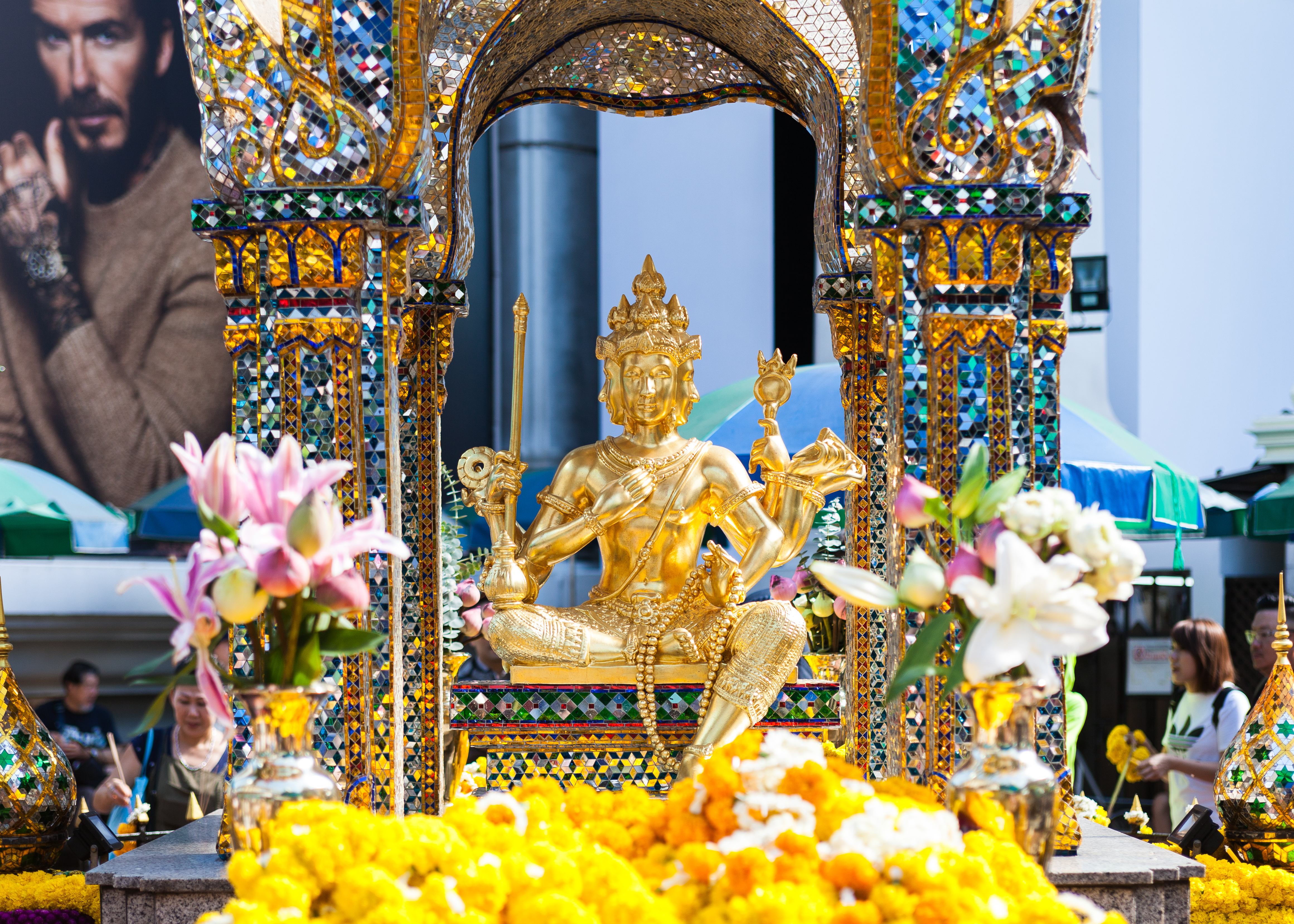
Erawan Shrine
The Erawan Shrine in Bangkok houses a golden four-faced statue of Phra Phrom (Brahma), one of Thailand's most venerated shrines, where devotees offer garlands, incense, and comm…
Shiva Shrine
Shiva Shrine in Bangkok is a Hindu temple dedicated to Lord Shiva, the deity of destruction and transformation. Established in 1879, it serves as a spiritual sanctuary for devot…