
Shiva Shrine
About Shiva Shrine
Lord Shiva, one of Hinduism's principal deities, embodies the principle of transformation and renewal. In Hindu philosophy, Shiva is understood as the destroyer who completes cycles of time, making way for new creation. The iconography associated with Shiva—including the serpent and symbols of stillness—reinforces the contemplative nature of worship here. The presence of Ganesha, Shiva's son, alongside the primary deity reflects the interconnected nature of Hindu devotional practice. For Indian expatriates in Bangkok and local Thai worshippers alike, this shrine provides a space to engage with these spiritual traditions in a setting adapted to its Thai context.
Daily Worship and Rituals
The temple remains open throughout each day, welcoming visitors at any hour. The primary ritual observance is the Sandhya aarti, held daily at 19:00 (7 p.m.), marking the transition between day and evening with formal worship. This regular rhythm of ritual provides structure to the temple's spiritual life and offers devotees a consistent opportunity for darshan—direct viewing of the deity. The temple office can be reached at +66832389635 should visitors wish to confirm timings or seek additional information before their visit.
Festivals Observed
The temple observes several significant festivals throughout the year. Vasant Panchami, celebrated on 23 January, marks the onset of spring and includes Saraswati puja. Ganesh Chaturthi, observed on 14 September, is a ten-day festival particularly significant in Maharashtra's devotional calendar. Karwa Chauth, falling on 29 October, is observed by those fasting for the wellbeing of spouses. During these festival days, the temple is typically at its busiest and most elaborately decorated. Visitors planning to attend festivals should confirm exact dates with the temple office, as timings may vary from the standard schedule.
Visiting Information and Facilities
The shrine is located at 141/71 Ram Inthra 71 Road (Soi Khubon 27) in Bang Khen District, approximately 20 minutes by taxi from Bangkok's city centre. Footwear stands and cloakrooms are available near the main entrance for visitor convenience. Dharamshalas and hotels within walking distance provide accommodation options for those wishing to stay nearby. The temple can be reached by bus or taxi to Ramintra; from Soi Khu Bon, the walk to the temple is approximately 1.5 kilometres, ending at Yaek 27, with the shrine a further 600 metres beyond. Visitors should dress respectfully, removing footwear before entering the sanctum as is customary in Hindu temples.
A Sanctuary for Meditation and Prayer
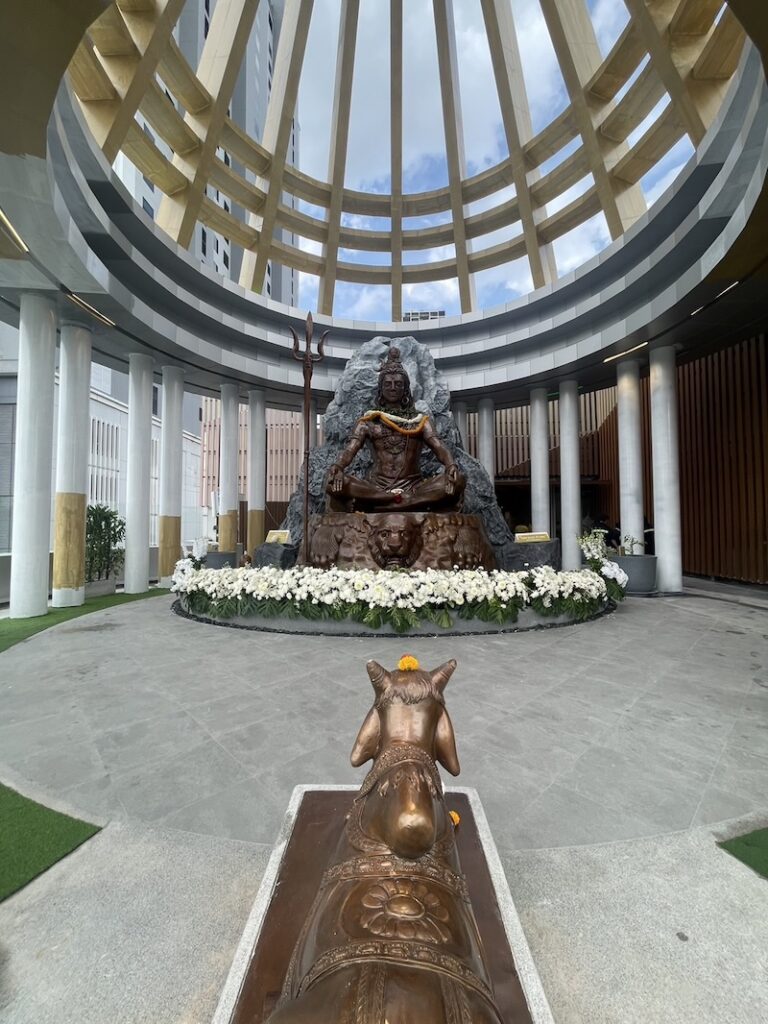
Beyond its role as a place of ritual worship, Shiva Shrine functions as a meditation sanctuary—a quiet space for spiritual practice and reflection. For those experiencing homesickness or seeking connection to Hindu spiritual traditions while away from India, the temple offers an authentic atmosphere infused with Indian devotional practice. The combination of the golden Shiva statue, the presence of elephants, and the overall design creates an environment conducive to contemplation. The temple's relative obscurity among mainstream tourists means it remains a peaceful retreat rather than a crowded pilgrimage site, allowing for genuine spiritual engagement.
How to reach
Temples near Shiva Shrine
Erawan Shrine
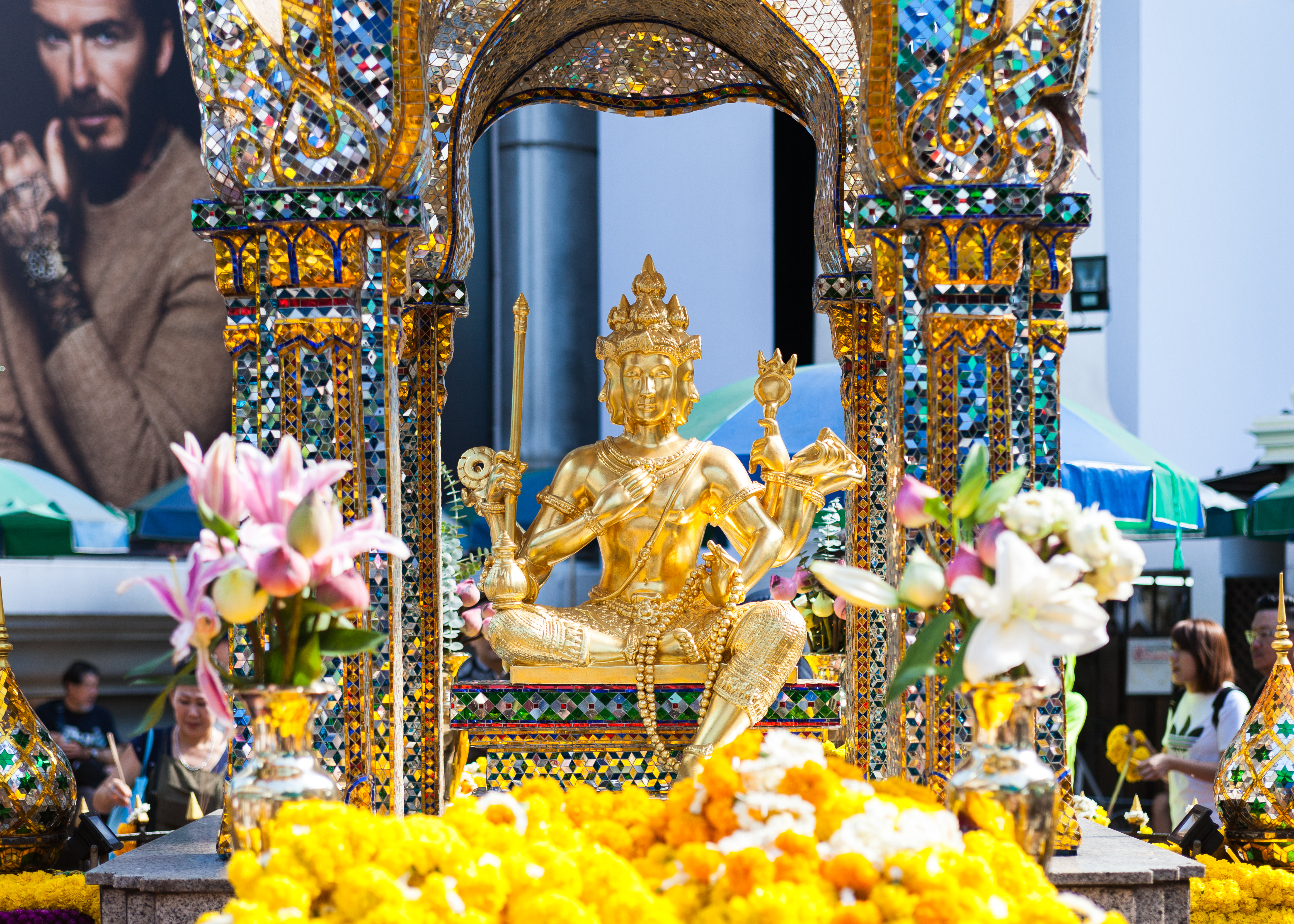
The Erawan Shrine in Bangkok houses a golden four-faced statue of Phra Phrom (Brahma), one of Thailand's most venerated shrines, where devotees offer garlands, incense, and comm…

Devasathan
Devasathan refers to the Tirumala Tirupati Devasthanams (TTD), the administrative body managing the Sri Venkateswara Swamy Temple at Tirumala. The primary deity is Lord Venkates…
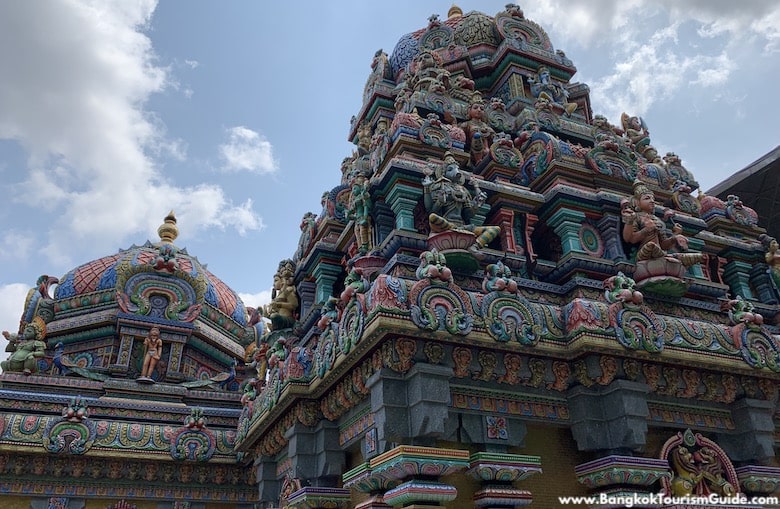
Sri Maha Mariamman Temple, Bangkok
Sri Maha Mariamman Temple, established in 1879 on Silom Road, is Bangkok's principal Hindu shrine featuring South Indian Dravidian architecture and serving the city's Tamil and…
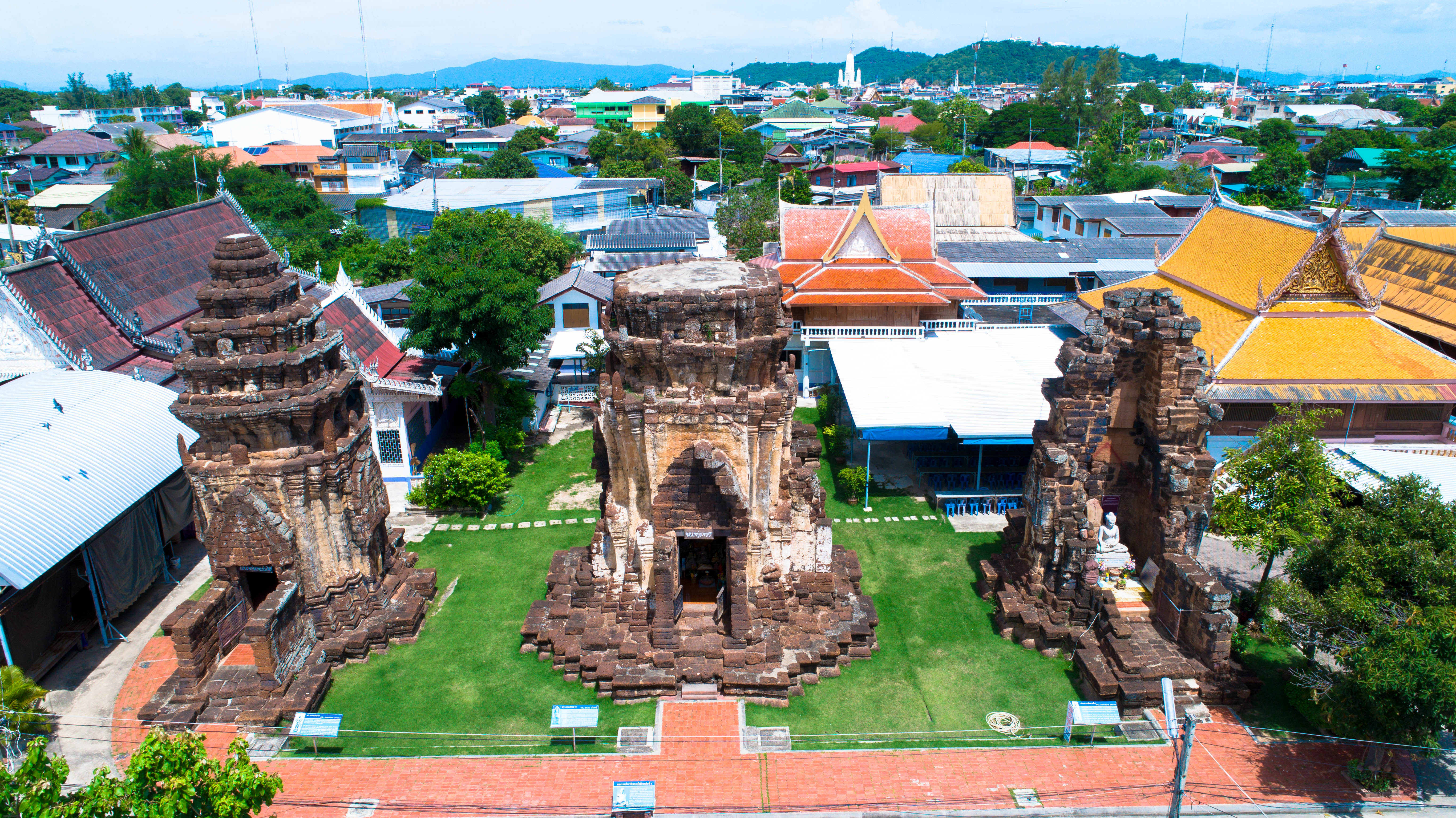
Wat Kamphaeng Laeng
Wat Kamphaeng Laeng is an ancient Khmer sanctuary in Phetchaburi, originally built as a Hindu temple in the 13th century during Jayavarman VII's reign and later converted to Bud…