Sri Maha Mariamman Temple, Bangkok
About Sri Maha Mariamman Temple, Bangkok
The temple maintains a structured rhythm of daily worship that invites both regular devotees and visiting pilgrims. Three principal ceremonies mark each day: the Morning Puja at 06:00, the Noon Puja at 12:00, and the Evening Aarti at 19:30. These regular observances form the foundation of devotional life at the shrine and provide multiple opportunities for darshan—viewing the deity—throughout the day.
Beyond these daily rituals, the temple performs abhishekam on auspicious occasions and festival days. This ceremonial bathing of the deities with milk and sacred substances represents an act of reverence and ritual purification. Devotees may also request archana, an offering made on their behalf in which the deity's names are recited while flowers and camphor are presented, allowing worshippers to seek blessings and protection through this traditional form of worship.
Festivals and Celebrations
Navaratri, observed in September and October, represents the temple's most significant annual celebration. This nine-night festival honours the Goddess through intensive worship, culminating in the spectacular Silom procession—a street procession that carries the deities through central Bangkok, drawing thousands of devotees and observers. The procession transforms the surrounding area into a vivid expression of Hindu faith and Tamil cultural identity, making this period the most vibrant time to experience the temple's spiritual life.
Deepavali, the festival of lights, is celebrated in October or November with special pujas and festive gatherings that unite Bangkok's Tamil and broader Hindu communities. Thai Pongal, the Tamil harvest thanksgiving, is observed in January with offerings of newly cooked rice and prayers of gratitude for the year's bounty. The temple also marks other significant dates in the Hindu calendar, including Karwa Chauth, Guru Purnima, and Raksha Bandhan, each bringing its own observances and community participation.
Visiting the Temple: Practical Information
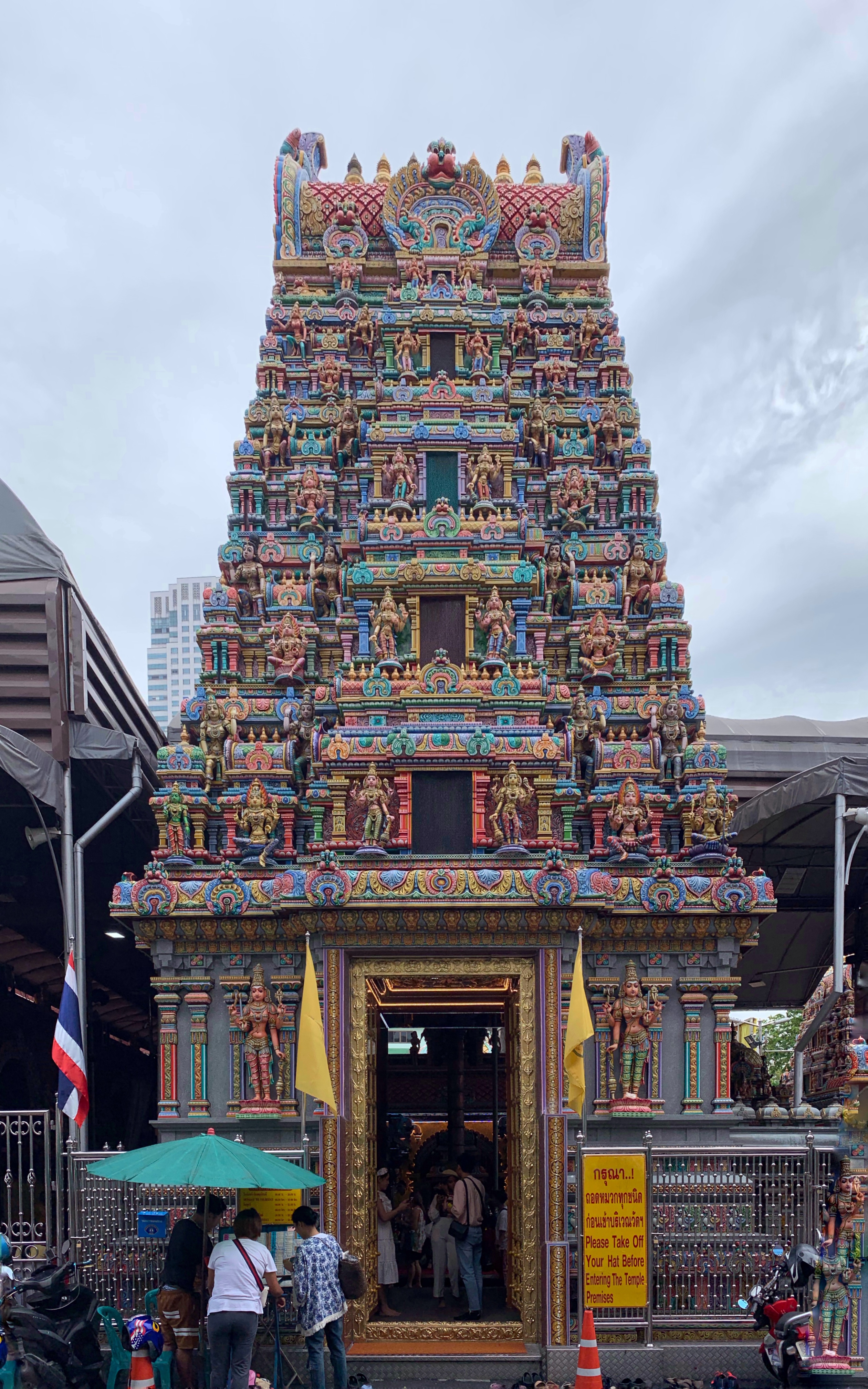
The temple is open daily from 06:00 to 19:30. Visitors should dress modestly, with shoulders and knees covered, and remove footwear before entering the shrine—practices that reflect the reverent atmosphere maintained within. These conventions are standard across Hindu temples and help preserve the sanctity of the worship space.
The most comfortable season to visit is November through February, when Bangkok's weather is cooler and drier, making for more pleasant conditions during darshan. However, those seeking the temple's most vibrant and energetic atmosphere should plan a visit during Navaratri in September or October, when festival celebrations transform the space and draw the largest gatherings. Note that timings may vary on festival days, so confirming with the temple before travelling is advisable.
Getting There
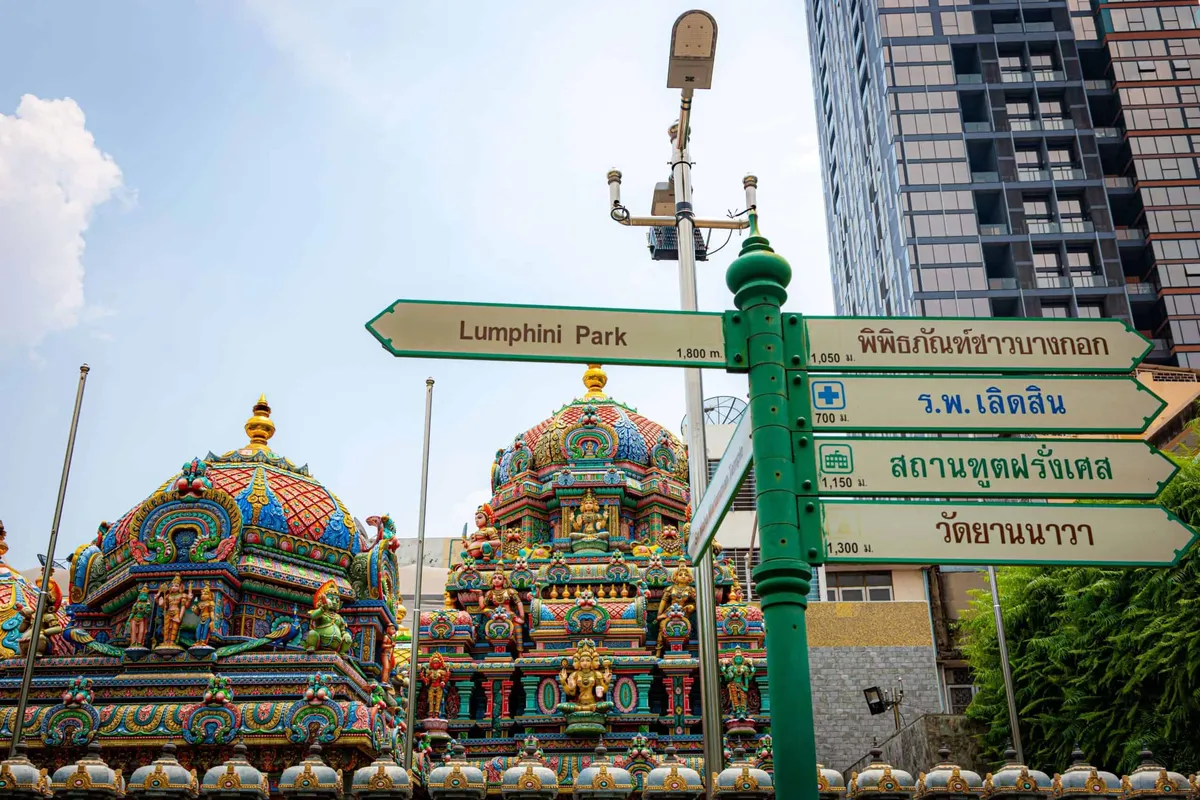
Sri Maha Mariamman Temple is located at Pan Road, Silom, Bang Rak, Bangkok 10500, Thailand (coordinates 13.72425°N, 100.52291667°E). The temple's central location makes it readily accessible by multiple transport options. The BTS Skytrain serves the area via Surasak station, from which the temple is a short walk along Silom and Pan Road. The Silom district is also served by the MRT and Chao Phraya boat services, offering flexibility for visitors exploring Bangkok's broader spiritual landscape.
For those arriving by air, Suvarnabhumi Airport lies approximately 30 kilometres away, while Don Muang Airport is about 25 kilometres distant. The temple's position in central Bangkok makes it a natural stop for visitors interested in the city's diverse religious heritage.
How to reach
You may also visit
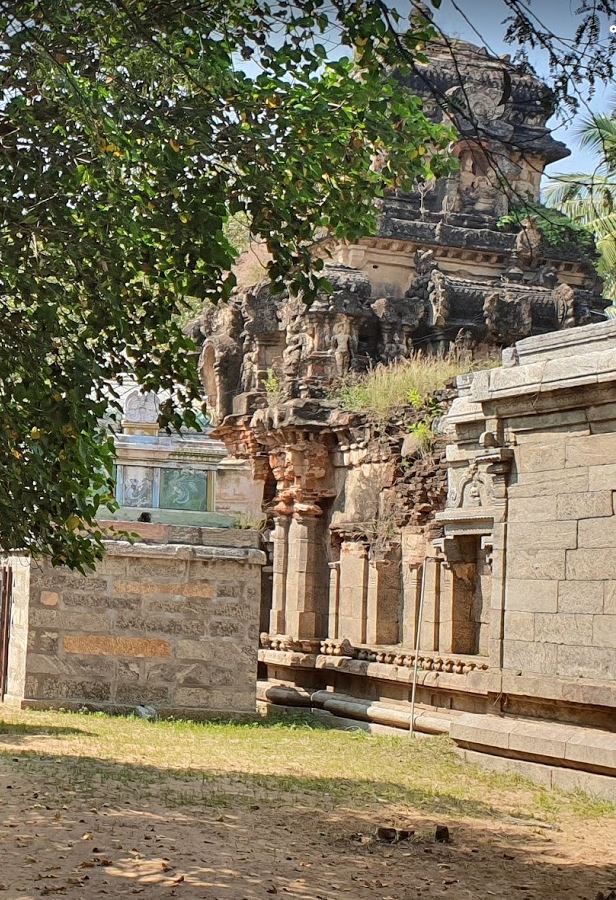
Agatheeswarar Temple, Karur
Agatheeswarar Temple in Thirumukkudalur, Karur district, is an ancient Hindu shrine dedicated to Shiva, situated at the sacred confluence of three rivers and believed to be over 1000 years old.
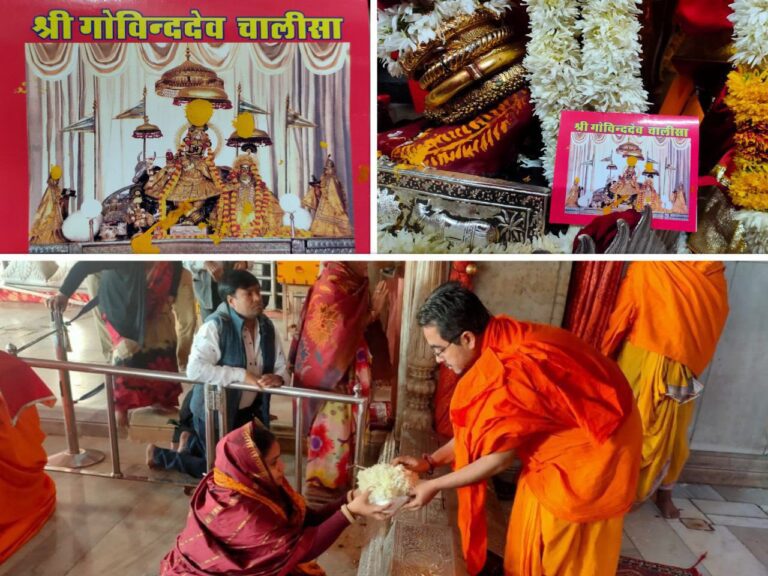
Kalyanji Temple
Kalyanji Temple in Jaipur's Chandpol Bazaar is an ancient Krishna shrine established in the 1820s, renowned for its seven daily aartis and special avatar darshan ceremonies during Akha Teej and Patottsav festivals.
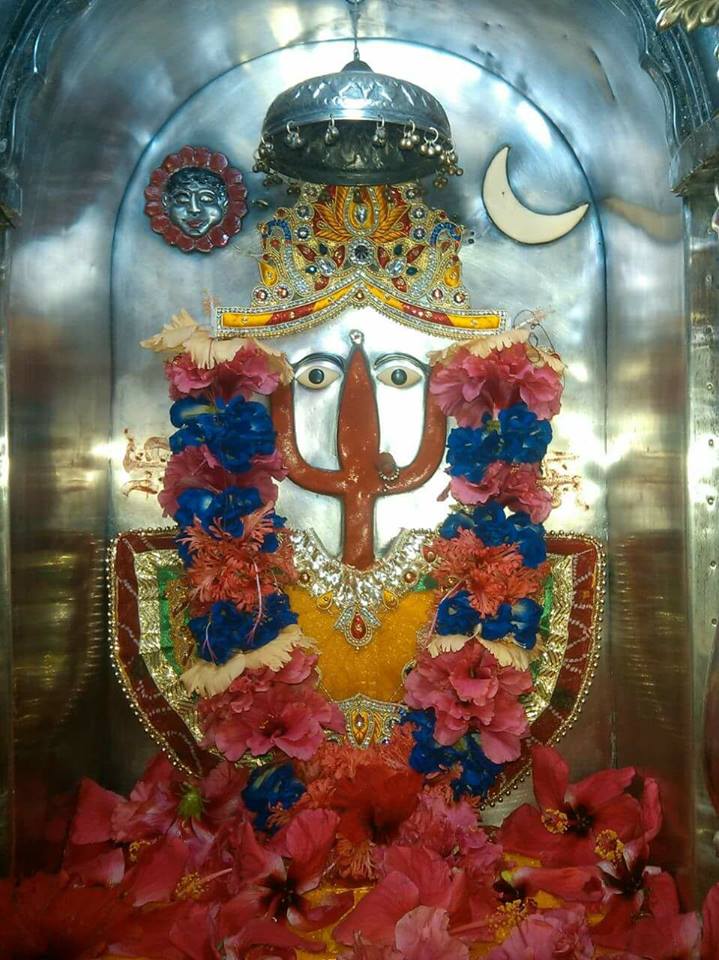
Rani Sati Mandir Mahuda
Rani Sati Mandir in Mahuda, Dhanbad District, is a Hindu temple established in 1992 that serves as a spiritual center for the local community and attracts devotees seeking blessings.