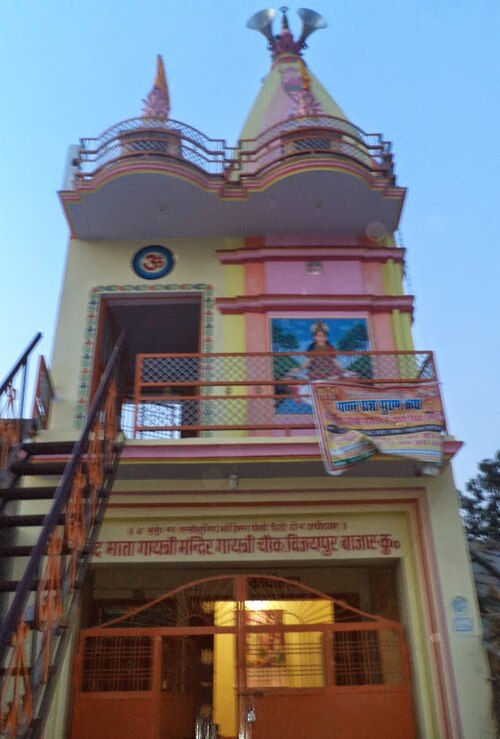

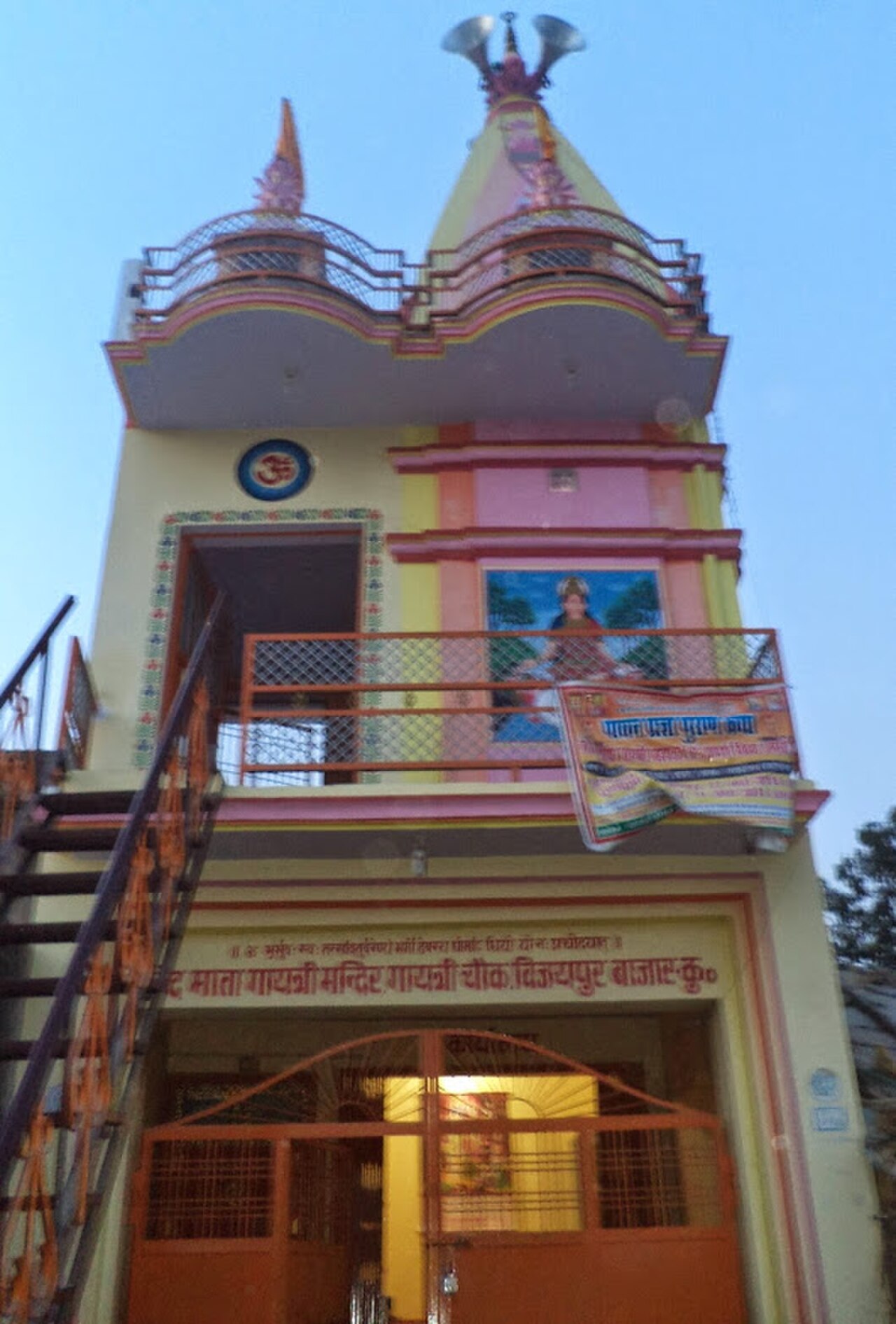
Ved Mata Gaytri Mandir
About Ved Mata Gaytri Mandir
The temple opens at 05:00 in the morning and closes at 12:00 noon, reopening at 15:00 until 20:00 in the evening. Two Maha Aartis (principal worship ceremonies) are performed daily: one at 07:00 in the morning and another at 18:20 in the evening. These aartis mark the primary occasions for collective worship and darshan of the deity.
The sanctified yajna shala (ritual space) serves as the focal point for the temple's spiritual activities. Regular yajnas (ritual fire ceremonies), Gayatri mantra recitation (japa), and satsangs (spiritual gatherings) form the backbone of worship here. Sunday satsangs and collective yajnas are particularly emphasized as ideal occasions for spiritual seekers to participate in communal practice and learning. These structured gatherings offer devotees regular opportunities to engage with Gayatri consciousness and Vedic tradition in a supportive community setting.
Festivals and Annual Observances
The temple celebrates major festivals with significant devotion. Navaratri, the nine-day festival honoring the Divine Mother in her various forms, is observed with grand ceremonies. Gayatri Jayanti, marking the birth anniversary of Maa Gayatri, and Guru Purnima, honoring the lineage of spiritual teachers, are also marked as important occasions at the mandir.
The temple's most significant annual event is the Nava Kundia Gayatri Maha Yagya, a major ritual observance. Notably, mass wedding ceremonies are organized on the final day of this yagya, reflecting the temple's integration of spiritual practice with community service and social welfare.
Best Times to Visit
October through March offers the most pleasant weather for visiting Kushinagar and the mandir. During these months, the climate is comfortable for exploration and participation in temple activities. If your visit aligns with the festival calendar—particularly Navaratri, Gayatri Jayanti, or Guru Purnima—you will experience the temple's celebrations at their fullest. Sunday visits are especially suitable for those wishing to attend the weekly satsangs and collective yajnas, which provide opportunities for spiritual engagement and learning.
Visitor Information and Etiquette
Dress modestly when visiting, as is customary at Hindu temples. Remove your footwear before entering the inner sanctum, and approach the deity and ritual spaces with respectful demeanor. The temple's timings are 05:00–12:00 in the morning and 15:00–20:00 in the evening. Photography policies should be confirmed with temple staff upon arrival, as practices may vary.
How to Reach the Temple
Kushinagar International Airport is located approximately 5–7 km from the temple, with taxis and auto-rickshaws readily available for the short journey. By rail, Kaptanganj Junction is the nearest station, roughly 20 km away; buses and taxis connect the station to Kushinagar. By road, the temple is well-connected via highways from Gorakhpur (50 km away), as well as from Patna and Lucknow, making it accessible by bus or private vehicle. The temple's address is Near Ramabhar Stupa, Kushinagar, Uttar Pradesh, India – 274403.
How to reach
You may also visit
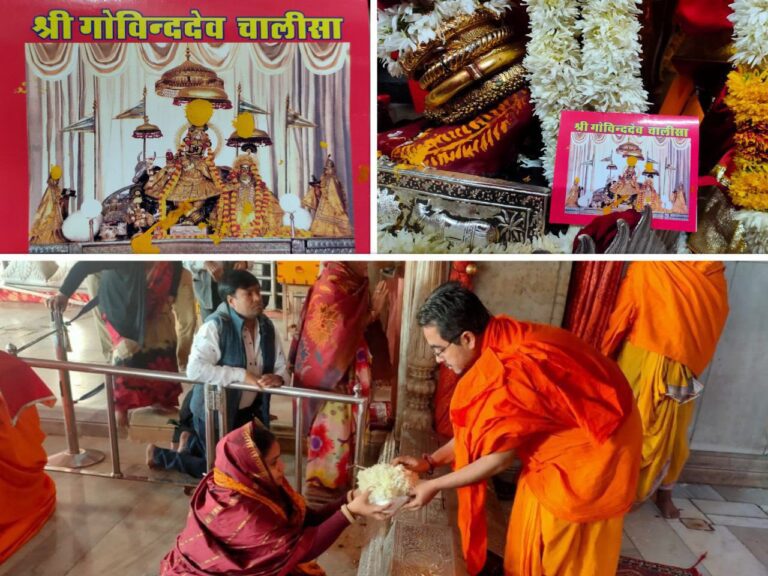
Kalyanji Temple
Kalyanji Temple in Jaipur's Chandpol Bazaar is approximately two centuries old and renowned for displaying the twenty-four avatars of Krishna, visible only twice yearly during Akha Teej and Patottsav festival.
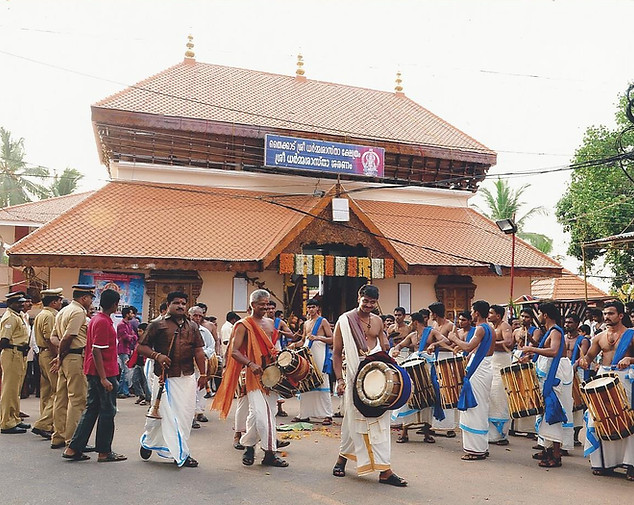
Sastha (Ayyappan) Temple
Sree Dharma Sastha Temple in Thycaud, Thiruvananthapuram, is a centuries-old shrine where the deity manifests as Dhanwanthari, the divine healer, holding the sacred blue lotus.
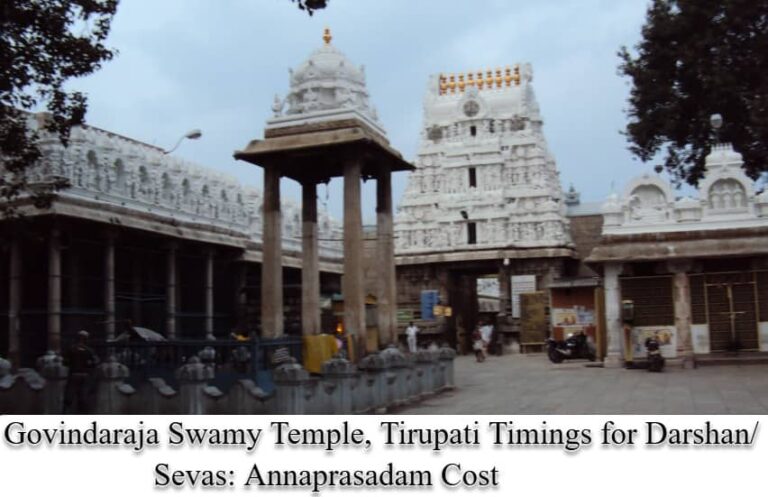
Govindarajaswamy Temple
Sri Govindarajaswamy Temple in Tirupati is an ancient Vaishnavaite shrine consecrated in 1130 AD by Saint Ramanuja, where the presiding deity rests in eternal Yoga Nidra on the serpent Adisesha.