


Tarkulha Devi Temple
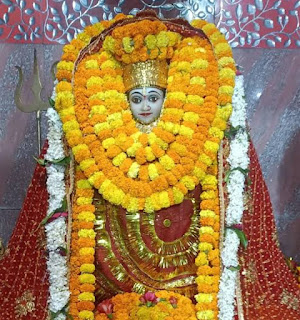
About Tarkulha Devi Temple
The temple maintains extended hours for devotees. General darshan is available from 06:30 in the morning until 20:00 in the evening. For those who wish to visit outside these hours, 24-hour access is permitted, allowing pilgrims flexibility in timing their worship. The temple's location—approximately 22 to 26 kilometres from Gorakhpur district headquarters and about 5 kilometres from Chauri Chura—makes it accessible to both local worshippers and visitors travelling through the region.
Navratri and the Annual Fair
The temple observes Navratri with particular significance, with Chaitra Navami marking a focal point in the devotional calendar. During this nine-day festival period, the temple organizes a month-long fair that draws large numbers of pilgrims. The festival season is the most prominent time for worship and community gathering at the site. Animal sacrifice, primarily of goats, is a traditional practice during Navratri, with the meat subsequently prepared and distributed as *prasad* (blessed offering) among devotees. For those who prefer alternative offerings, coconuts are also presented to the deity. Beyond Navratri, the temple serves as a venue for other religious ceremonies, including *mundan* (head-shaving rituals) and other life-cycle observances.
Visiting the Temple: Practical Information
Visitors should plan their trip with the temple's location in mind—it lies in a rural area near the Gorakhpur-Bhadohi border, requiring travel by road from nearby towns. The coordinates 26.653297, 83.538309 can assist those using GPS navigation. Modest dress is customary when visiting Hindu temples; visitors should be prepared to remove footwear before entering the sanctum. As with temples across the Shakti Pith tradition, respectful behaviour and adherence to temple protocols—such as circumambulation in the prescribed direction and acceptance of *prasad*—are expected. The extended darshan hours mean visitors can choose times that suit their schedule, whether early morning or evening visits.
The Goddess Durga in Shakti Tradition
Durga, in her various manifestations across India's sacred geography, represents divine power (*Shakti*) in its protective and transformative aspects. Temples dedicated to her, particularly those recognized as Shakti Peeths, are sites where this cosmic energy is believed to be especially present. Tarkulha Devi, as a local name for this goddess, reflects how the divine is understood and invoked within this particular community's spiritual life. The association of the temple with both devotional practice and historical memory—through the figure of Bandhu Singh—illustrates how sacred sites often hold multiple layers of meaning for their worshippers.
How to reach

You may also visit
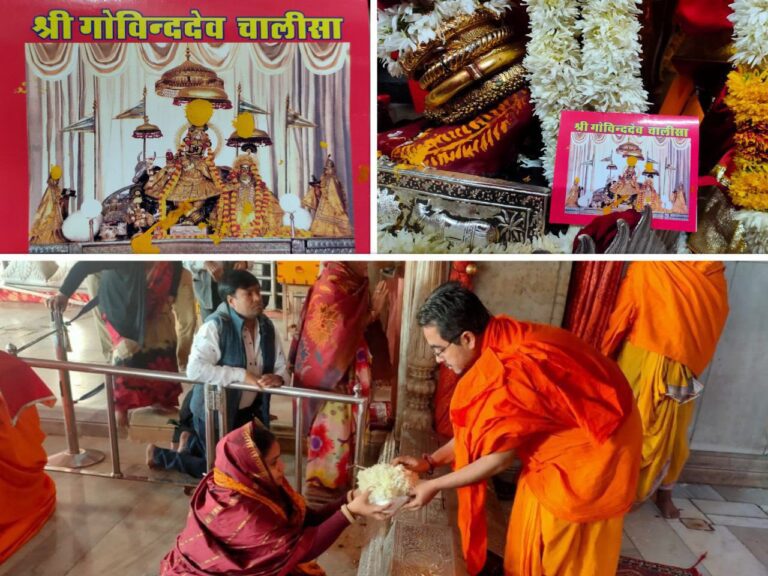
Kalyanji Temple
Kalyanji Temple in Jaipur's Chandpol Bazaar is approximately two centuries old and renowned for displaying the twenty-four avatars of Krishna, visible only twice yearly during Akha Teej and Patottsav festival.
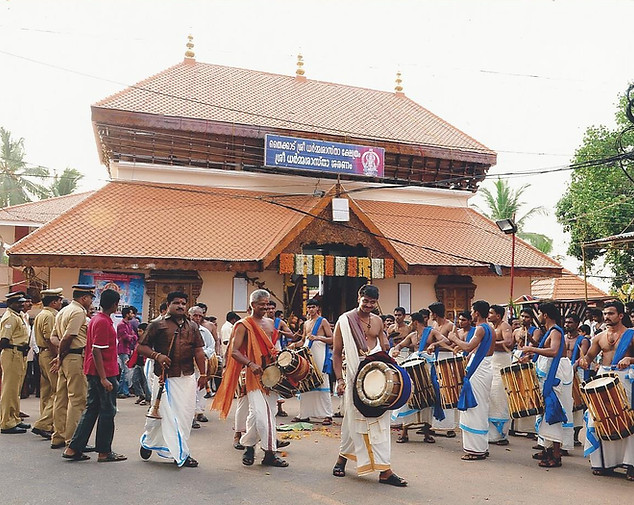
Sastha (Ayyappan) Temple
Sree Dharma Sastha Temple in Thycaud, Thiruvananthapuram, is a centuries-old shrine where the deity manifests as Dhanwanthari, the divine healer, holding the sacred blue lotus.
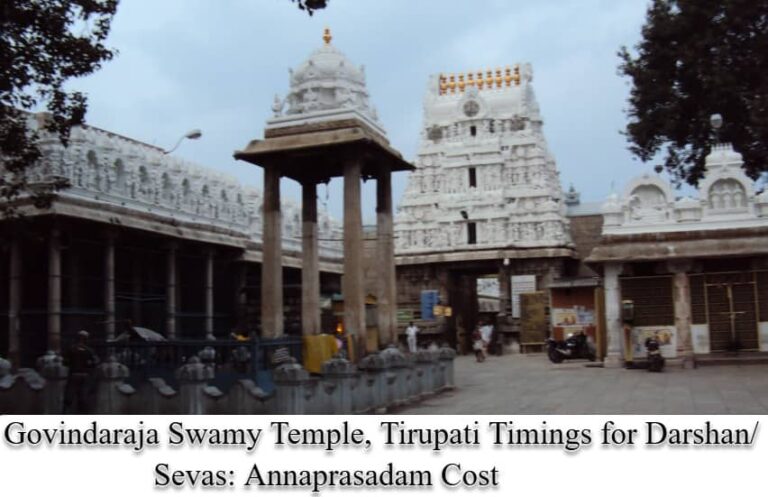
Govindarajaswamy Temple
Sri Govindarajaswamy Temple in Tirupati is an ancient Vaishnavaite shrine consecrated in 1130 AD by Saint Ramanuja, where the presiding deity rests in eternal Yoga Nidra on the serpent Adisesha.