Varagur Venkatesh Perumal Temple
About Varagur Venkatesh Perumal Temple
The temple operates on two daily schedules. The Perumal Temple opens from 06:00 to 12:00 in the morning and from 16:00 to 20:15 in the evening. A separate Shiva Temple on the grounds maintains its own timings: 06:00 to 11:30 in the morning and 16:00 to 19:45 in the evening. The Sandhya Aarti, the principal evening ritual of worship, takes place at 19:00. Visitors should note that timings may vary on festival days, and it is advisable to contact the temple office beforehand to confirm schedules, particularly during major celebrations.
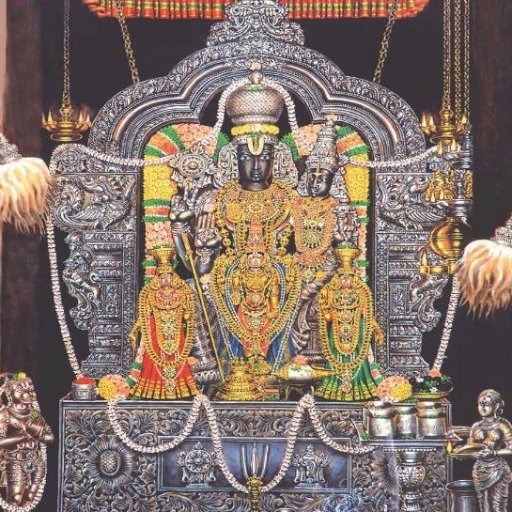
Darshan—the viewing of the deity—is the primary form of worship for visitors. Temples of this tradition typically expect visitors to remove footwear before entering the sanctum and to dress modestly. Specific dress codes or other etiquette requirements should be confirmed with the temple office, as practices vary between temples.
The Uriyadi Festival
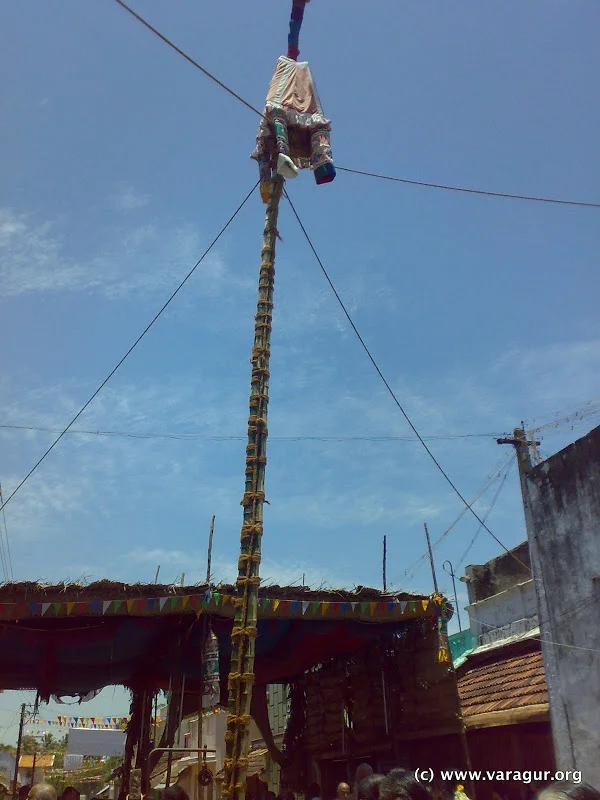
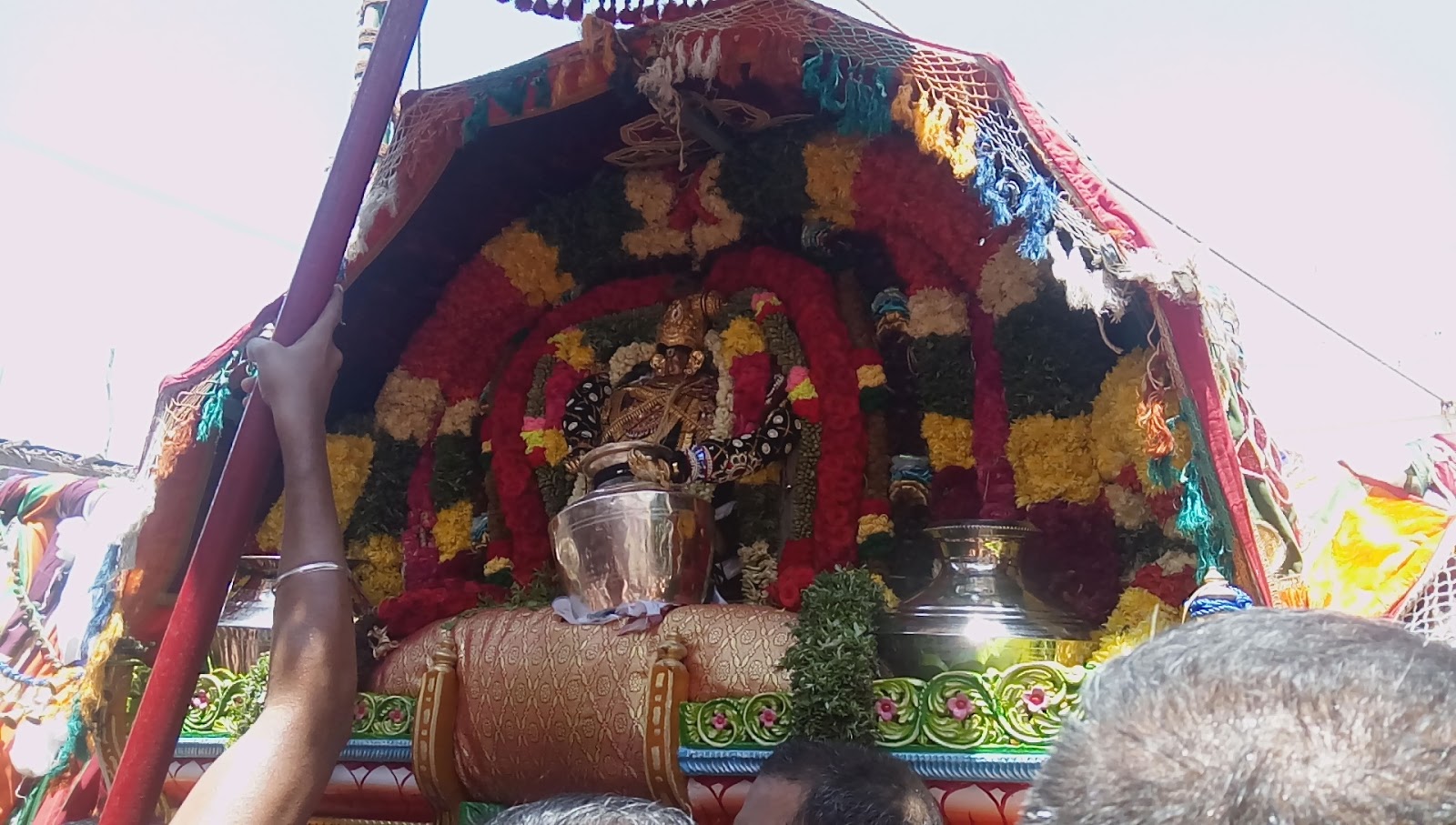
The Uriyadi Utsavam is the principal annual festival at Varagur, typically held in August or September. In 2026, the festival runs from 28 August to 7 September. The festival begins on Gayathri Japam Day, the day after Avani Avittam, and continues through the celebrations of Rukmini Kalyanam and Bhakta Utsavam. The festival's centerpiece is the Uriyadi ritual itself—the breaking of a pot suspended from a 40-foot bamboo pole—which occurs on the day following Gayathri Japam.
During the ten-day festival period, the temple hosts Veda Parayanams (recitations of the Vedas) conducted by Sanskrit scholars, along with bhajans (devotional songs) performed by various artists, many extending past midnight. The festival draws devotees from across the world, with many people of Varagur origin and non-resident Indians timing their visits to coincide with these celebrations. The festival represents a significant gathering of the community and a major occasion for worship at the temple.
Chola Architecture and Heritage
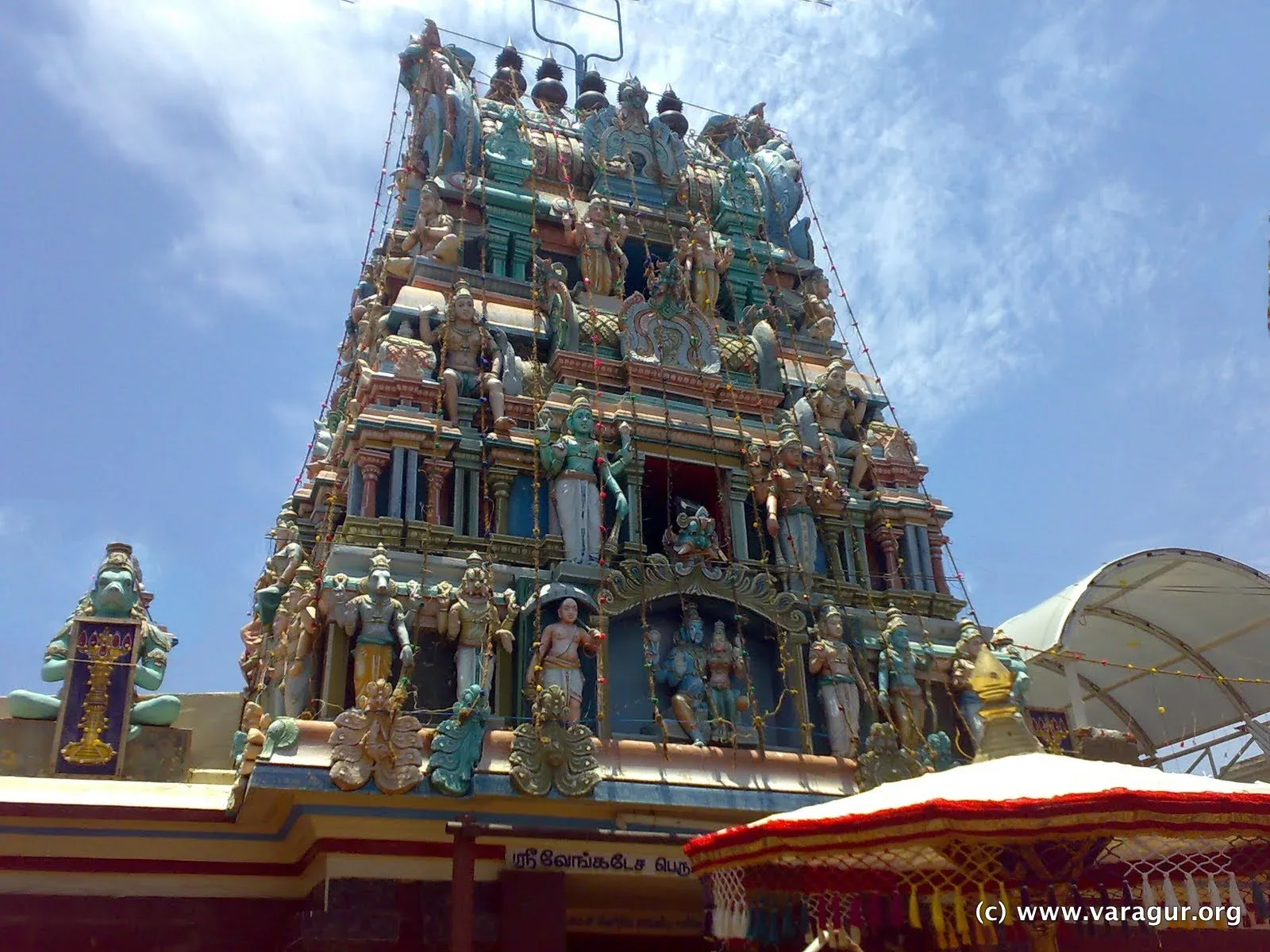
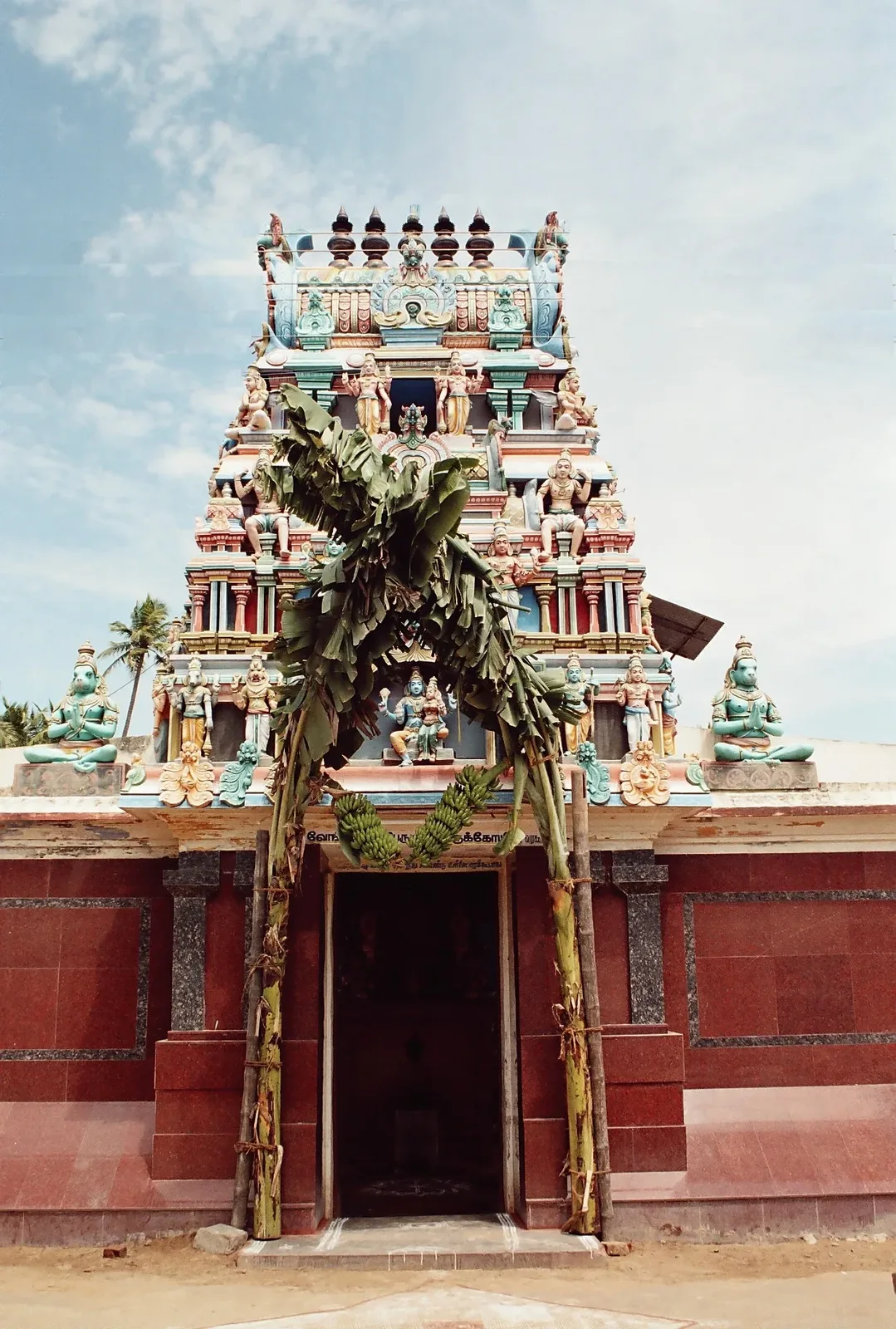
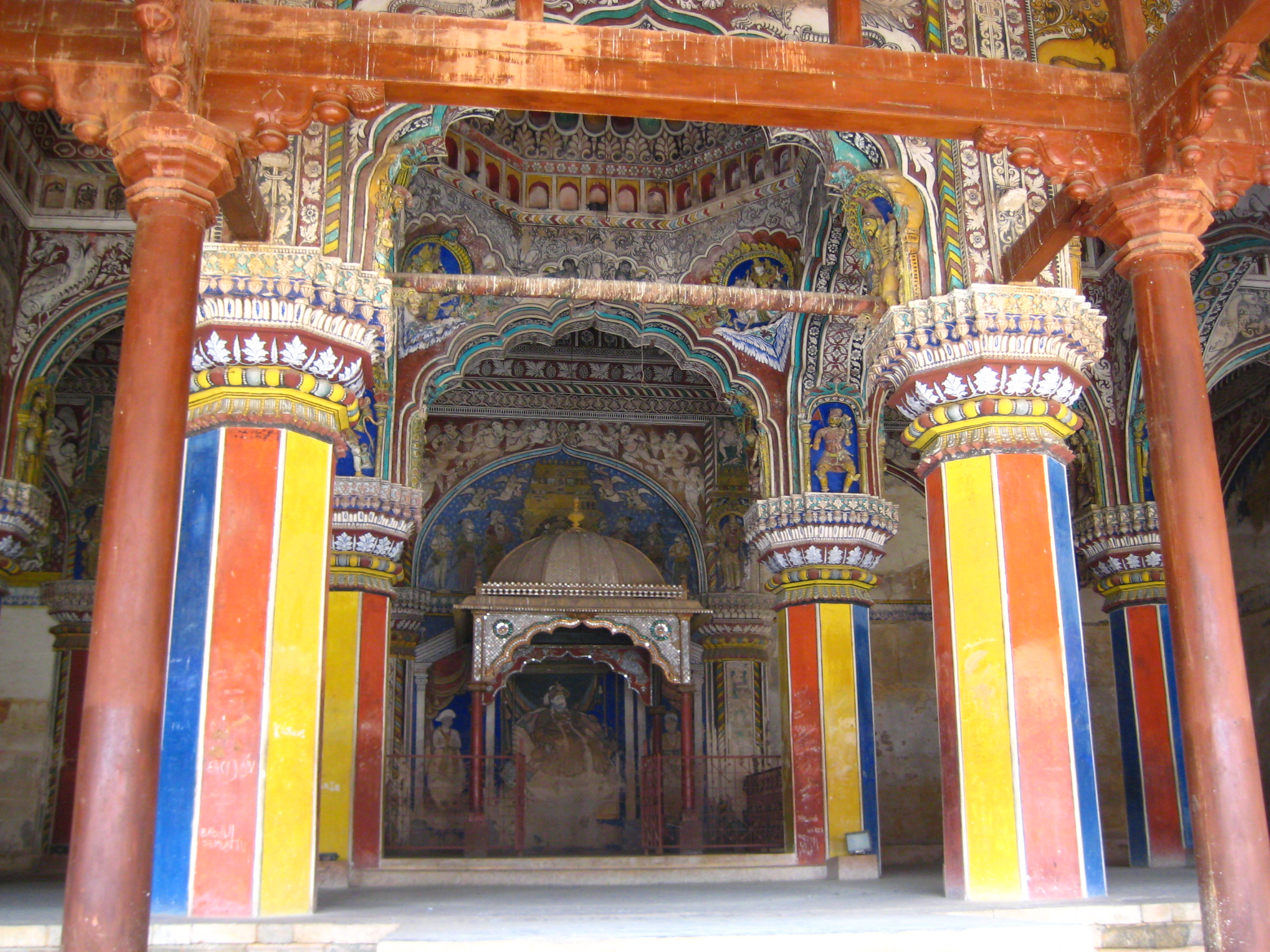
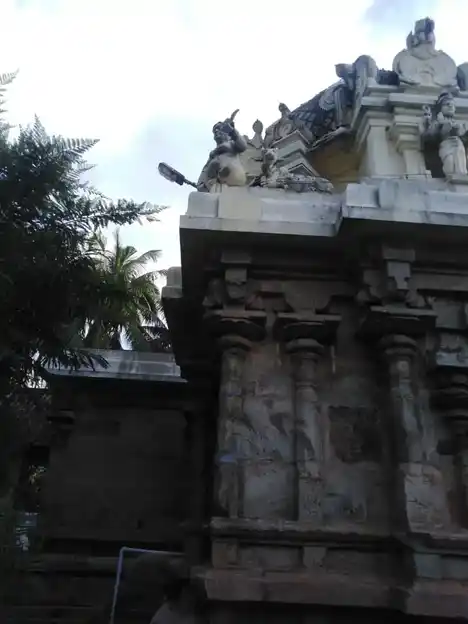
The temple's architectural significance lies in its representation of Chola-period construction techniques and sculptural traditions. The moolavar is recognized as a prime example of the artistic and technical achievements of that era. The sanctum gopuram and overall temple layout reflect the design principles characteristic of medieval South Indian temples, offering visitors insight into how such structures were conceived and built centuries ago.
The temple's longevity—maintained continuously for over 500 years—speaks to the sustained devotion of families who have shared responsibility for its management and the conduct of its rituals and festivals since Indian independence. This continuity of practice and care has preserved both the physical structure and the living traditions of worship that animate it.
Visiting Information
Varagur is located in Thanjavur district, Tamil Nadu, at coordinates 10.8431839, 78.9973661. The village sits on the Kudamurutti River, making it accessible by road from Thanjavur city. Visitors planning to attend the temple should check current timings before arrival, as schedules may shift during festivals or for special observances. The best time to visit for those wishing to experience the temple's major festival is during the Uriyadi period in late August or early September, though this also means larger crowds and potentially modified darshan arrangements.
For inquiries about the temple, the Varagur Punniya Bhoomi Trust can be contacted at trustees@varagurtrust.org or by phone at 9444409218. The trust maintains information about festival dates, special rituals, and other details relevant to planning a visit.
How to reach
Temples near Varagur Venkatesh Perumal Temple
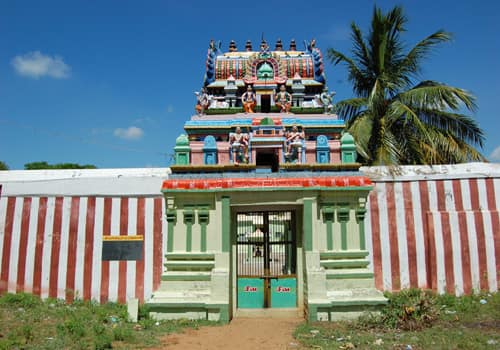
Semmeninathar Karumbeswarar Temple
Semmeninathar Karumbeswarar Temple is a Shiva temple near Vishnampettai in Thanjavur district, Tamil Nadu, celebrated in Tevaram hymns and believed to be over a thousand years old.
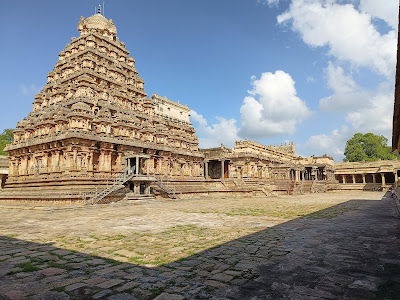
Iravathesvarar Temple, Nemam
Iravathesvarar Temple in Nemam, Thanjavur district, is a Hindu shrine dedicated to Lord Shiva, serving as a significant place of worship in Tamil Nadu.
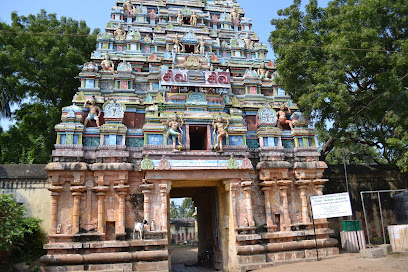
Athmanatheswarar Temple
Athmanatheswarar Temple in Thiruvalampolil, Thanjavur district, is a Shaivite shrine dedicated to Shiva and recognized as one of the Paadal Petra Sthalams in the Thevaram tradit…
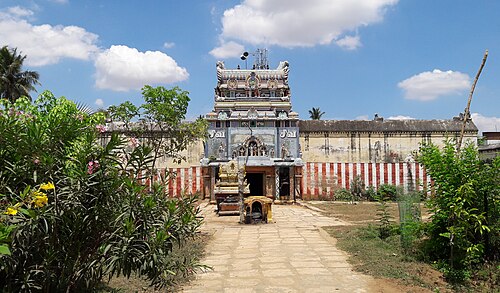
Pushpavananathar Temple, Tiruppoonturutti
Pushpavananathar Temple in Tiruppoonturutti is an ancient Shaiva shrine dedicated to Lord Shiva, revered as Pushpavananathar, and recognized as one of the 275 Paadal Petra Sthal…
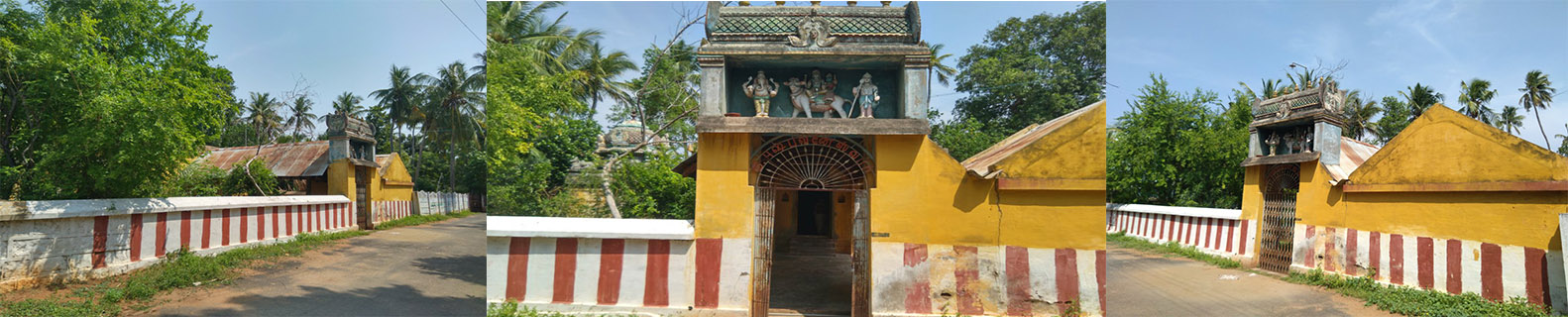
Arulmigu Pushpavaneswarar Temple
Arulmigu Pushpavaneswarar Temple in Mela Thirupanthiruthi, Thanjavur district, is an ancient Shaivite shrine dedicated to Lord Pushpavaneswarar, believed to date from the 6th–7t…
Divyagnanesvarar Temple, Koviladi
Divyagnanesvarar Temple in Koviladi is a Hindu shrine dedicated to Shiva, notable as one of the sacred sites celebrated by the Tamil Saivite saint Appar in the Vaippu Sthalams t…