Vandiyur Mariamman Temple
About Vandiyur Mariamman Temple
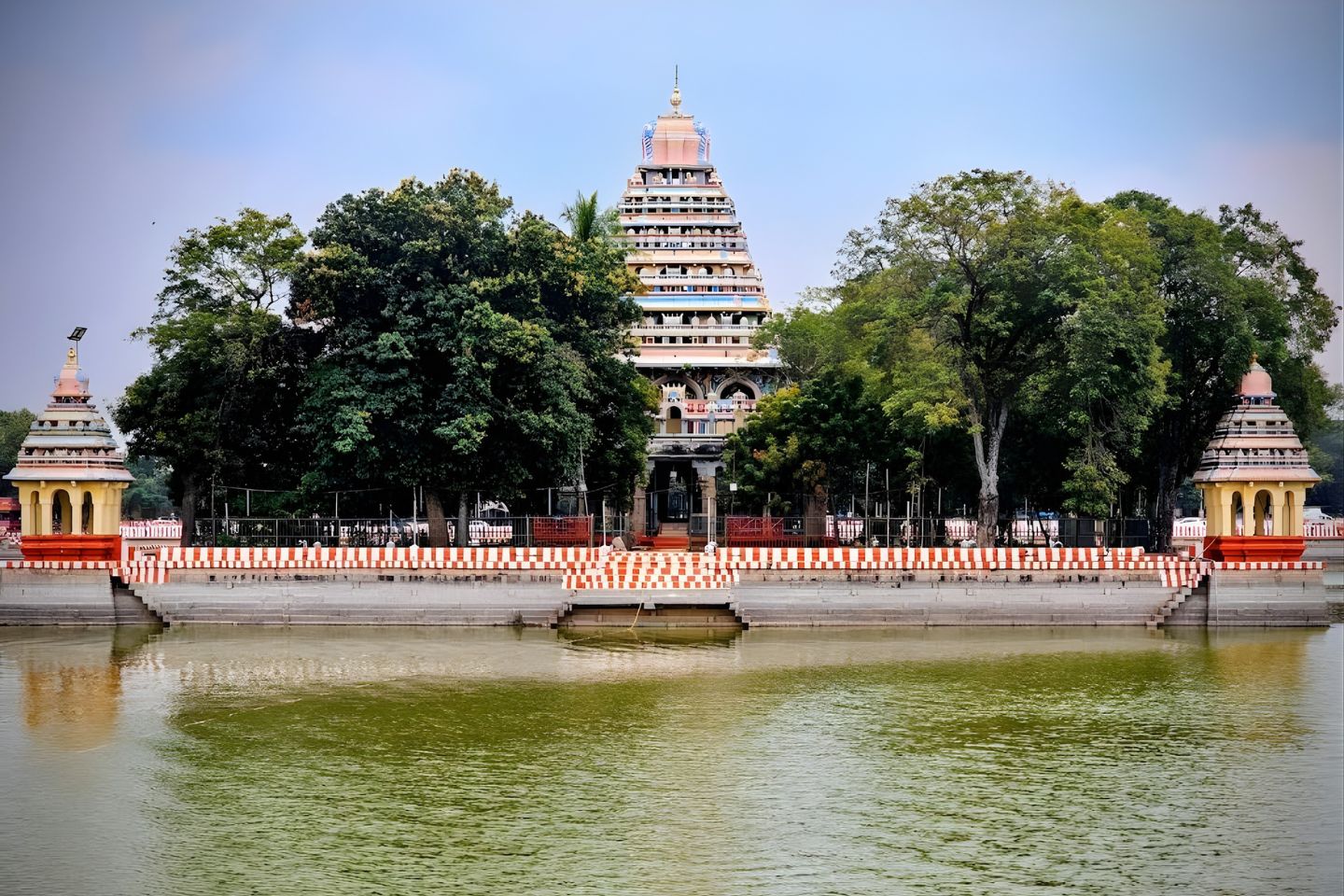
The temple was established in 1645 during the reign of Thirumalai Nayak, the ruler whose architectural ambitions shaped much of Madurai during this period. According to local tradition, the tank's creation is connected to the construction of Thirumalai Nayakkar Mahal: sand was excavated from this site to produce bricks for the palace. During this excavation, an idol of Ganesha was unearthed and subsequently enshrined in the island shrine. The granite steps enclosing the tank on all four sides were constructed under royal patronage during this same era.
The Teppoothsavam Festival
The temple gains its greatest prominence during the Teppoothsavam, or float festival, celebrated in January or February on a full moon night. This festival is said to have been observed since Thirumalai Nayak's time and was traditionally held to mark his birthday. During the celebration, the temple is illuminated with thousands of lamps, creating a distinctive visual atmosphere. Idols of Goddess Meenakshi and Lord Sundareswarar are brought from the Meenakshi Amman Temple to participate in the festivities at the tank's edge.
The interplay of lamplight reflected on the water's surface, combined with the arrival of deities for the celebrations, draws devotees from across the country. This festival represents the most significant time to visit if you wish to experience the temple's full ceremonial character and the scale of its observances.
Visiting Hours and Access
The temple is open daily from 06:00 to 12:00 in the morning and from 12:00 to 21:00 in the afternoon and evening. There is no entry fee. The temple is located in Meenakshi Nagar, Madurai, Tamil Nadu 625009. It is situated approximately 2–3 kilometres from the Meenakshi Sundareswara Temple, making it accessible as part of a broader temple circuit in the city.
Visitors can reach the temple by taxi, auto-rickshaw, or local bus services. The location is well-connected to other parts of Madurai. Modest dress is customary when visiting Hindu temples; remove footwear before entering shrine areas. The granite steps surrounding the tank allow for circumambulation and provide access to the water's edge, though visitors should exercise care on the steps, particularly during or after the monsoon season.
The Tank and Its Architecture
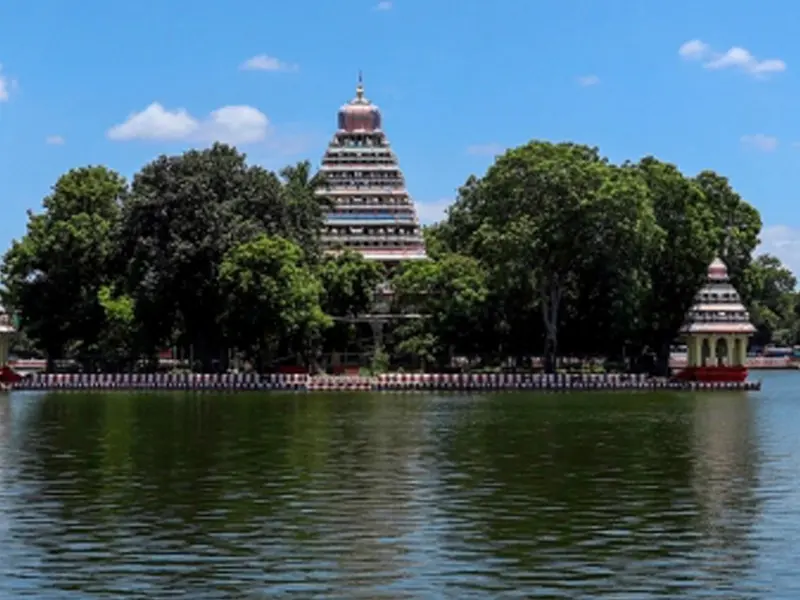
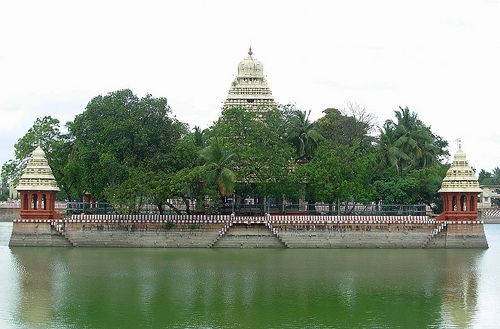
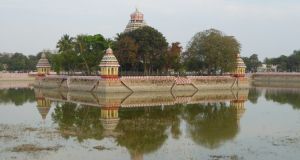
The teppakulam's defining feature is its scale and symmetrical design. Granite steps descend on all four sides, creating a formal approach to the water and enabling devotees to perform ritual circumambulation. The central island, housing the Vigneshwara shrine, is the focal point of the complex. This architectural arrangement reflects the ambitions of its royal patron and the integration of religious and practical functions typical of major temple tanks in South India.
The tank's connection to the Vaigai River ensures a reliable water supply, maintaining both its ceremonial significance and its role as a water resource for the temple and surrounding community. The scale and permanence of the structure underscore its importance within Madurai's religious landscape.
Best Time to Visit
January or February during the Teppoothsavam offers the most vivid experience of the temple's ceremonial life, with thousands of lamps illuminating the tank and deities arriving for the full moon celebrations. However, the temple remains open and accessible throughout the year for daily worship and circumambulation of the tank. Visitors planning to attend the festival should arrive early, as the celebrations draw large crowds.
How to reach
Temples near Vandiyur Mariamman Temple
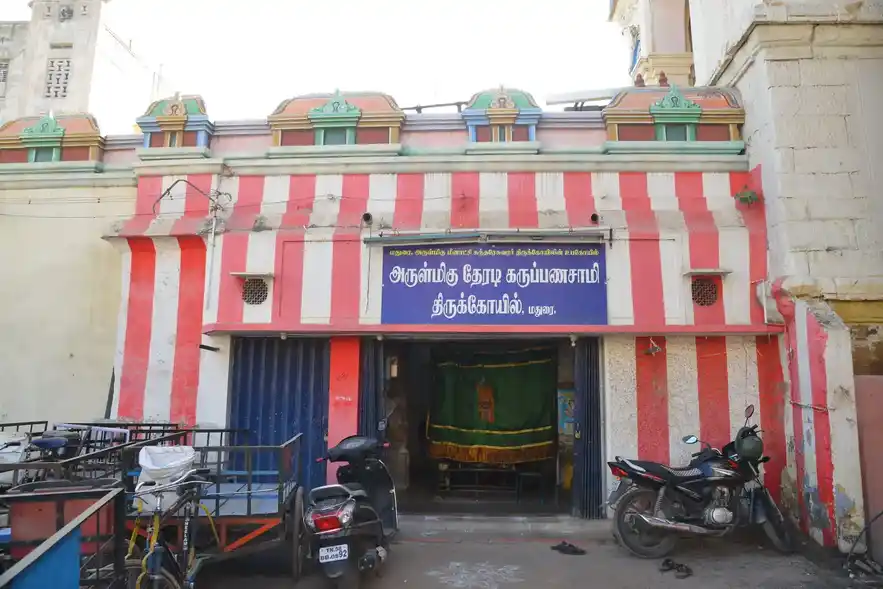
Karuppana Sami Temple
Arulmigu Karuppana Swamy Temple in Madurai's city centre is dedicated to Karuppana Swamy, a guardian deity associated with protection and courage within Tamil devotional tradition.
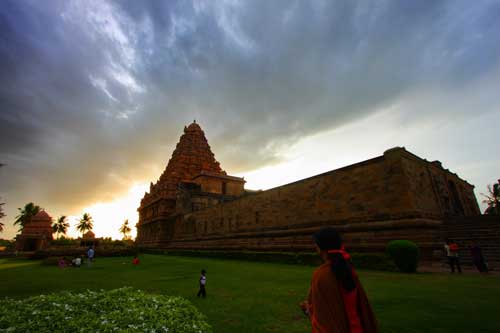
Dasa kali amman thirukovil
Dasa Kali Amman Thirukovil is a Hindu temple dedicated to Goddess Durga located in Balarengapuram, Madurai. The temple welcomes devotees with daily darshan and observes major Hi…
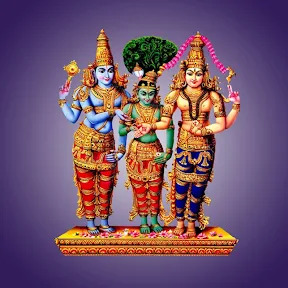
Thenthiruvalavai Temple Madurai
Thenthiruvalavai Temple in Madurai is an ancient Shiva temple where Lord Yama is believed to have worshipped. It represents the fire element among Madurai's Panchabhutha temples…
athi Sokkanathar Temple
Sri Aathi Sokkanathar Meenakshi Amman Temple in Madurai is a revered Shiva-Shakti shrine dedicated to Lord Aathi Sokkanathar and Goddess Meenakshi Amman, believed to be among th…
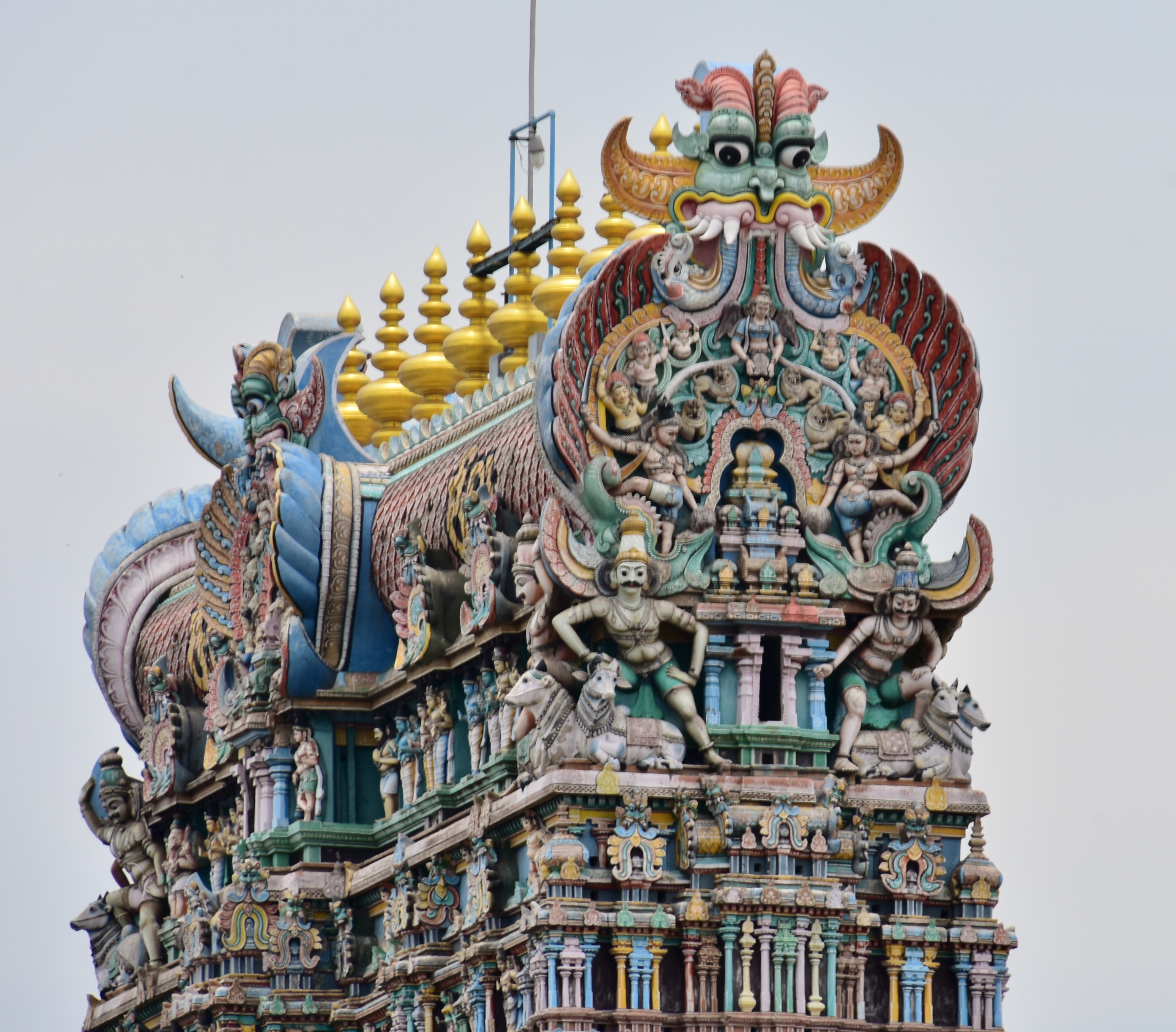
Meenakshi Amman
Meenakshi Amman Temple in Madurai is a 2,500-year-old Dravidian architectural masterpiece dedicated to the goddess Meenakshi and her consort Sundareshwar, featuring 14 towering…
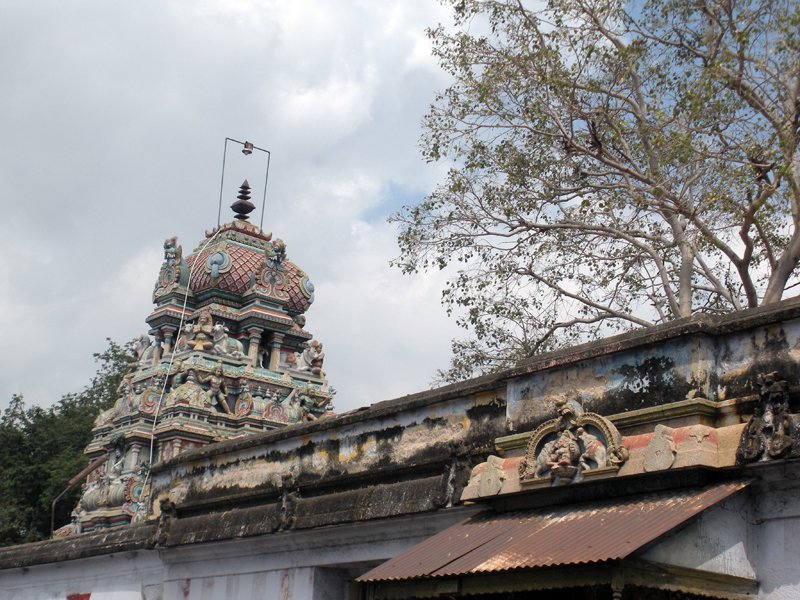
Thiru Aappanoor
Thiru Aappanoor Temple in Madurai is an ancient Shaivite shrine dedicated to Lord Shiva as Aappudayar, tracing its origins to the 7th–8th centuries CE under Pandya patronage.