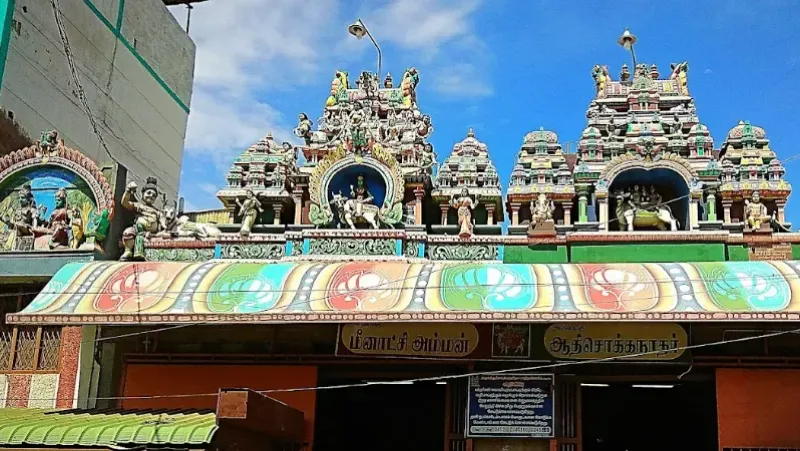
athi Sokkanathar Temple
About athi Sokkanathar Temple
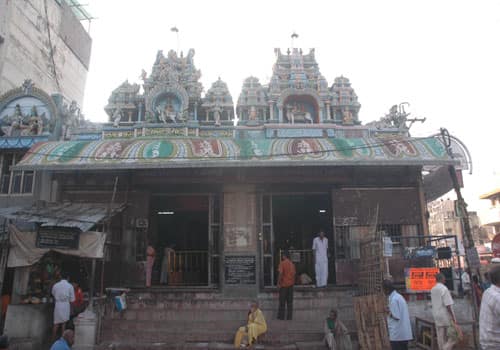
The temple opens at 4:30 am and closes at 8:30 pm, allowing devotees to visit across the day. Morning and evening hours are considered especially auspicious for darshan. The temple conducts worship practices typical of Tamil Saivite shrines, including archana (ritual offerings), abhishekam (ritual bathing of the deity), and deeparadhana (lamp offerings).
Mondays and Fridays hold particular significance in the temple's worship calendar. Pradosham—the twilight period observed on specific lunar days—draws devoted worshippers. These occasions, along with major festivals, attract larger numbers of visitors seeking blessings during spiritually potent times.
Festival Observances
The temple marks several important occasions throughout the year. Maha Shivaratri, the night dedicated to Lord Shiva, is observed with special devotion. Navaratri, the nine-day festival honouring the divine feminine, brings heightened worship. Aadi Fridays, occurring during the Tamil month of Aadi (mid-June to mid-July), are also celebrated. Additionally, Pournami (full moon), Amavasya (new moon), Karthigai Deepam, Tamil New Year and local annual festival days structure the temple's ritual calendar.
Devotees are advised to confirm current festival arrangements and special darshan timings before visiting, particularly during Fridays, Pradosham and Navaratri, when the temple may experience increased attendance.
Location and Access
The temple sits on N Veli Street in the Simmakkal area of Madurai, near Harish Restaurant. Madurai Junction railway station lies approximately 0.15 kilometres away, making the shrine accessible to those arriving by train. The proximity to the railway station offers convenience for travellers using public transport.
Visitors should confirm current local route details and transport options before travelling, as routes and availability may vary. The temple's central location within Madurai places it near other significant shrines in the area, allowing devotees to visit multiple temples during a single visit.
Practical Information for Visitors
The temple operates daily from 4:30 am to 8:30 pm with no weekly closure. Visitors should arrive during morning or evening hours for the most auspicious darshan experience. Before planning a visit, especially during Fridays, Pradosham or festival periods, it is wise to confirm current darshan timings and any special arrangements that may affect access.
Standard temple etiquette applies: remove footwear before entering the sanctum, maintain respectful behaviour, and dress modestly. Many devotees offer flowers, coconuts or other traditional offerings as part of their worship. The temple welcomes local families, students, working professionals, travellers and devotees from surrounding areas.
The Temple in Madurai's Spiritual Landscape
Aathi Sokkanathar Meenakshi Amman Temple functions as a neighbourhood shrine within Madurai's broader network of sacred spaces. The city itself holds deep significance in Hindu tradition, and this temple serves the spiritual needs of residents and visitors seeking blessings from Shiva and Shakti. Its traditional Tamil character and continuing public devotion preserve its role as a living centre of worship rather than a historical monument alone.
The temple's spiritual value rests in the ongoing practice of darshan, ritual worship, family vows and festival observance. Through these practices, devotees maintain a connection to divine protection, grace and the spiritual steadiness that the shrine is believed to offer.
How to reach
Temples near athi Sokkanathar Temple
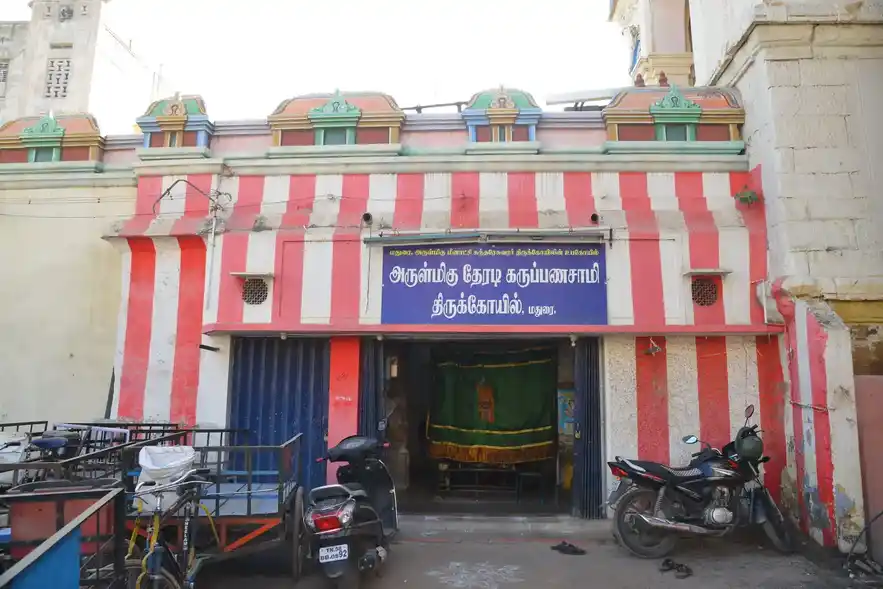
Karuppana Sami Temple
Arulmigu Karuppana Swamy Temple in Madurai's city centre is dedicated to Karuppana Swamy, a guardian deity associated with protection and courage within Tamil devotional tradition.
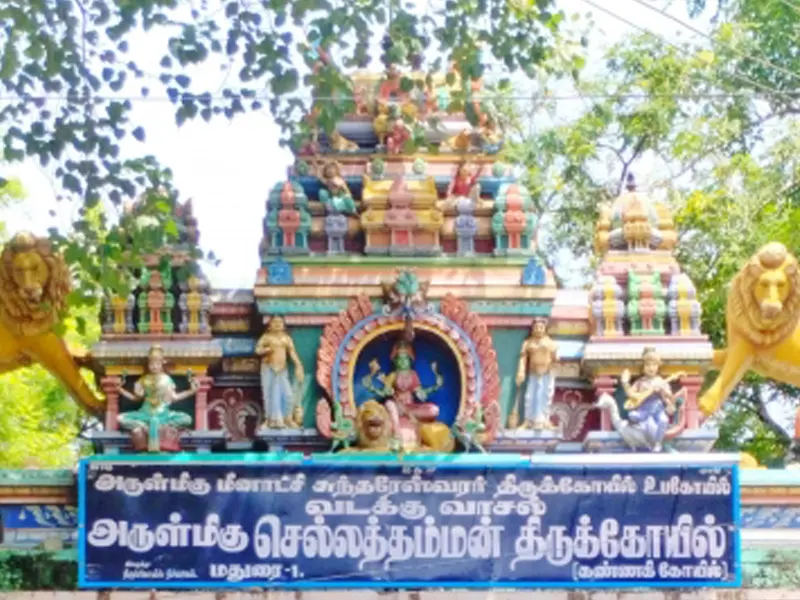
Chelathamman Kannagi Temple
Chelathamman Kannagi Temple in Madurai honors the divine chastity of Kannagi from the Tamil epic Cilapathikaram, built at the site where she stayed in the city.
Thiru Aappanoor
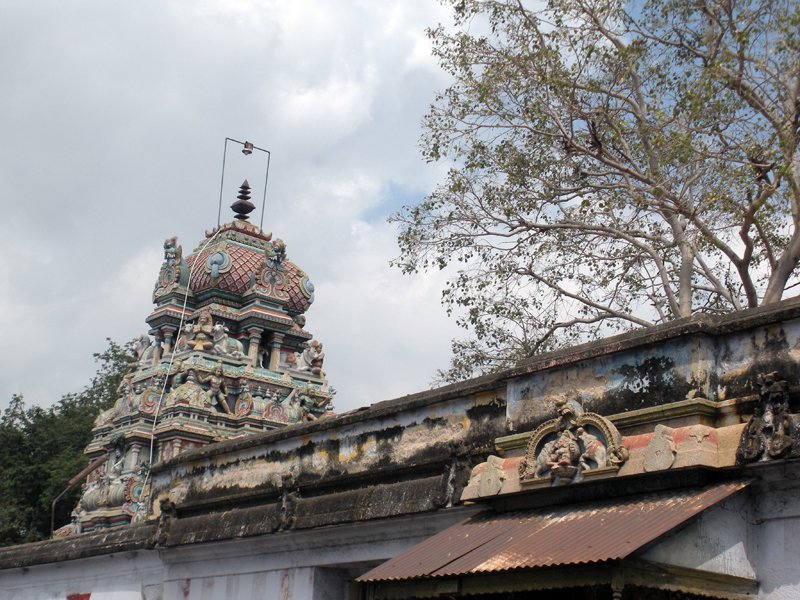
Thiru Aappanoor Temple in Madurai is an ancient Shaivite shrine dedicated to Lord Shiva as Aappudayar, tracing its origins to the 7th–8th centuries CE under Pandya patronage.
Meenakshi Amman
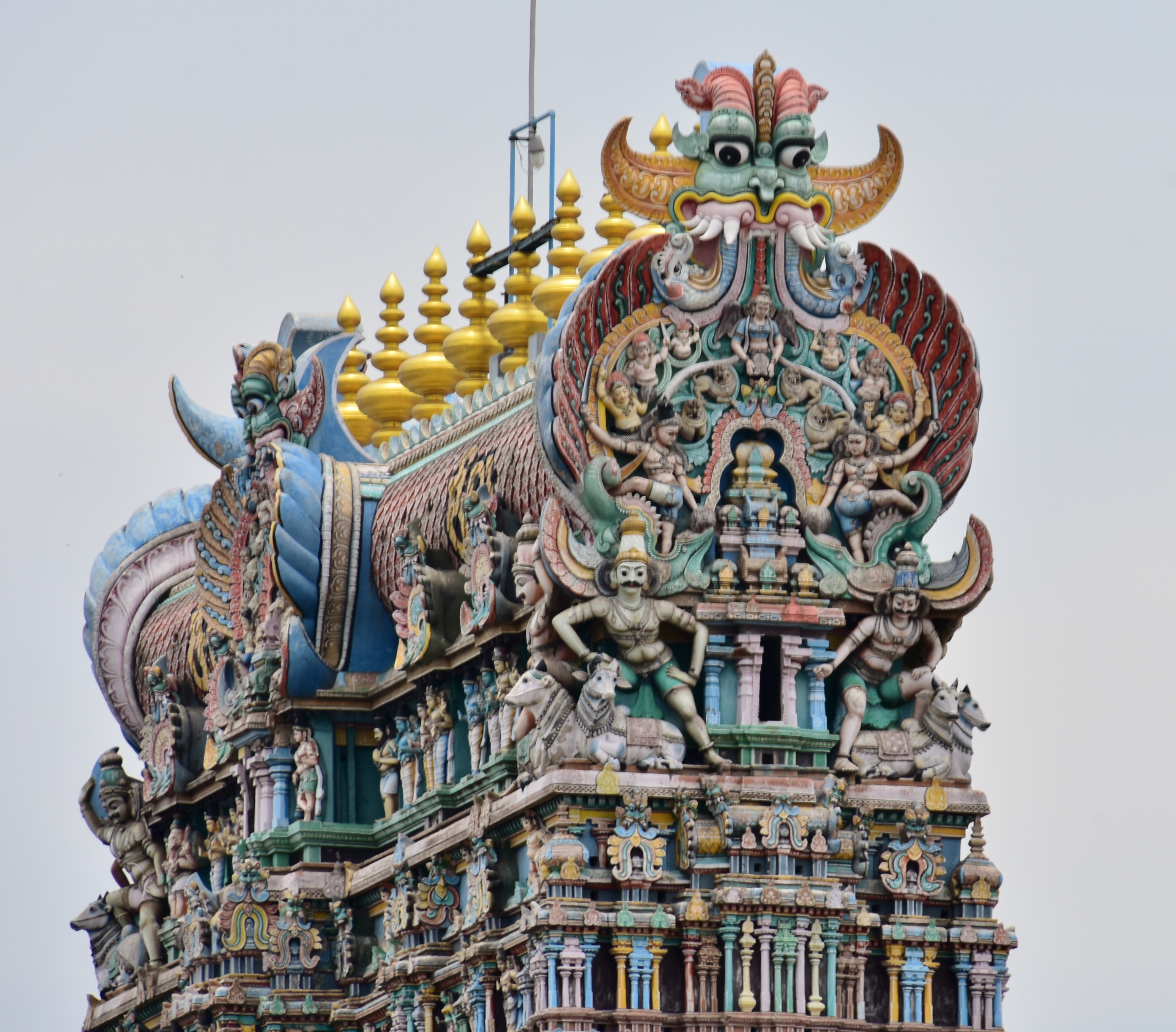
Meenakshi Amman Temple in Madurai is a 2,500-year-old Dravidian architectural masterpiece dedicated to the goddess Meenakshi and her consort Sundareshwar, featuring 14 towering…

Pachyamman Temple, Madurai
Pachyamman Temple is a Hindu shrine located in Arappalayam, Madurai, Tamil Nadu, dedicated to the goddess Pachyamman.
Thenthiruvalavai Temple Madurai
Thenthiruvalavai Temple in Madurai is an ancient Shiva temple where Lord Yama is believed to have worshipped. It represents the fire element among Madurai's Panchabhutha temples…