

Meenakshi Amman
About Meenakshi Amman
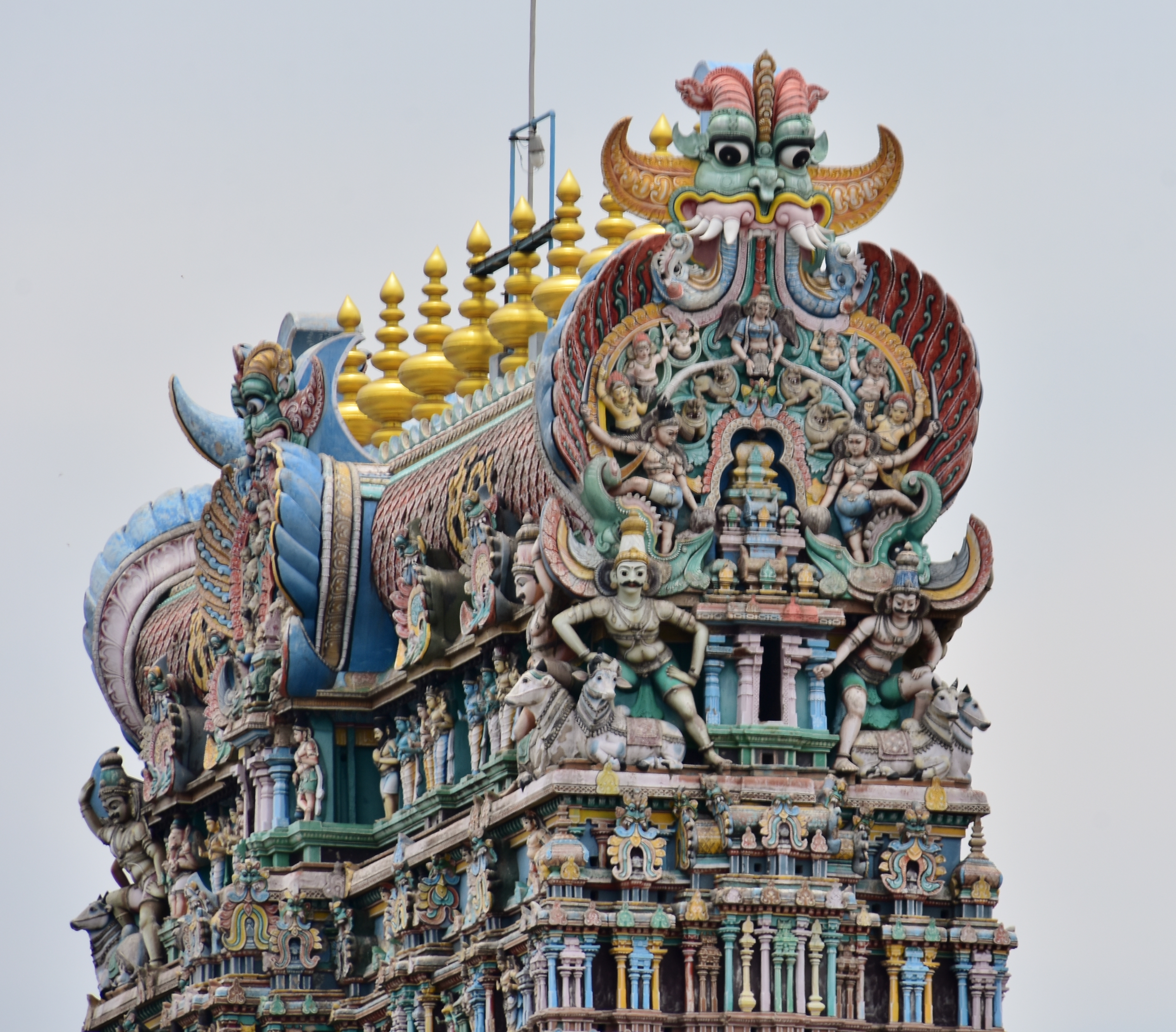
The temple's origins trace to the 6th century CE, placing it among South India's most enduring sacred sites. Over the centuries, successive dynasties have contributed to its expansion and embellishment, creating the complex that stands today. The restored temple now encompasses 14 gopurams—the distinctive gateway towers characteristic of Dravidian architecture—ranging from 45 to 50 metres in height, with the southern gopura reaching 51.9 metres (170 feet), making it one of Asia's tallest temple towers.
Beyond the gopurams, the temple houses numerous sculpted halls of considerable architectural significance. The Ayirakkal, or Thousand Pillared Hall, stands among the most notable, along with structures such as the Kilikoondu-mandapam, Golu-mandapam, and Pudu-mandapam. These halls are distinguished by their intricately carved pillars and ceilings, with approximately 33,000 sculptures adorning the temple complex. These carvings depict mythological narratives and historical scenes, representing centuries of craftsmanship and artistic refinement.
Daily Worship and Darshan
The temple operates on a split schedule that reflects traditional patterns of worship. Morning darshan (viewing of the deity) is available from 5:00 AM to 12:30 PM, followed by a closure period until 4:00 PM. Evening darshan resumes at 4:00 PM and continues until 10:00 PM. During festival periods, these timings may shift to accommodate special rituals and processions.
Visitors seeking darshan should be aware that the temple offers both general entry and special darshan options, with fees varying by service type. General entry is free. The temple's scale and the number of devotees it attracts mean that timing your visit strategically can significantly enhance your experience. Weekday mornings between 7:00 and 10:00 AM tend to be less crowded than other periods, allowing for a more contemplative visit.
Visiting During Peak Season
The period from December to February offers the most favourable conditions for visiting Madurai and the temple. During these months, temperatures are moderate and the city experiences fewer crowds than in other seasons. However, the temple's most significant annual observance is the Meenakshi Tirukalyanam festival, a 10-day celebration that draws over a million pilgrims and visitors. This festival features elaborate rituals, processions with temple chariots (rathas), and heightened ceremonial activity throughout the complex.
Practical Information for Visitors
Madurai is well-connected by road and rail. The city's junction railway station lies approximately 2 kilometres from the temple, and Madurai Airport is situated about 12 kilometres away. The temple's location on the southern bank of the Vaigai River places it at the heart of the ancient temple city referenced in Tamil Sangam literature.
Visitors should dress modestly when entering the temple, as is customary in Hindu places of worship. Footwear is typically removed before entering inner sanctums. The temple complex is large and can be navigated at a leisurely pace; allow several hours to experience its principal structures and halls. Photography policies may vary in different sections; it is advisable to observe signage and seek guidance from temple staff regarding restrictions.
Recognition and Significance
The temple has been recognized on UNESCO's Tentative List as a cultural heritage site of major importance, acknowledging its architectural and historical significance. This recognition reflects the temple's standing as one of South India's most important religious and cultural monuments, a status it has maintained through centuries of continuous worship and periodic restoration.
How to reach


Temples near Meenakshi Amman
Thenthiruvalavai Temple Madurai
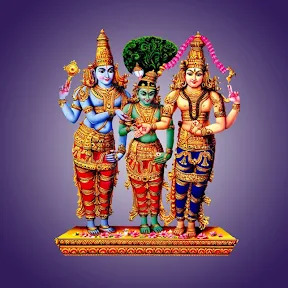
Thenthiruvalavai Temple in Madurai is an ancient Shiva temple where Lord Yama is believed to have worshipped. It represents the fire element among Madurai's Panchabhutha temples…
Dasa kali amman thirukovil
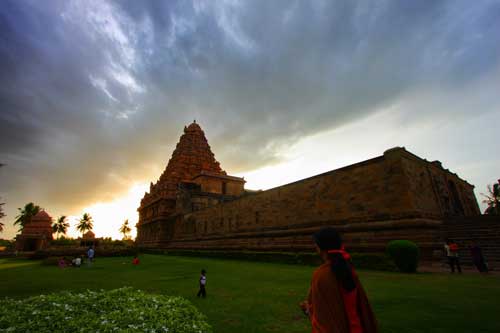
Dasa Kali Amman Thirukovil is a Hindu temple dedicated to Goddess Durga located in Balarengapuram, Madurai. The temple welcomes devotees with daily darshan and observes major Hi…
Chelathamman Kannagi Temple
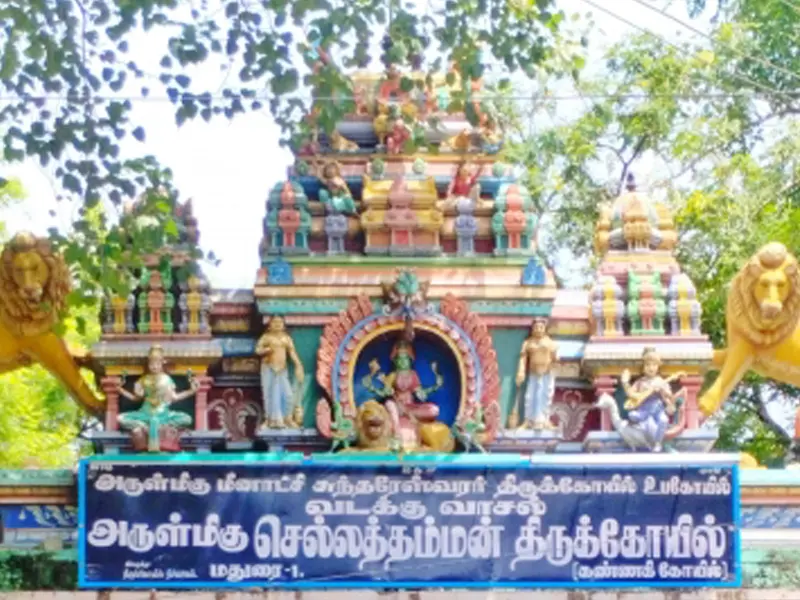
Chelathamman Kannagi Temple in Madurai honors the divine chastity of Kannagi from the Tamil epic Cilapathikaram, built at the site where she stayed in the city.
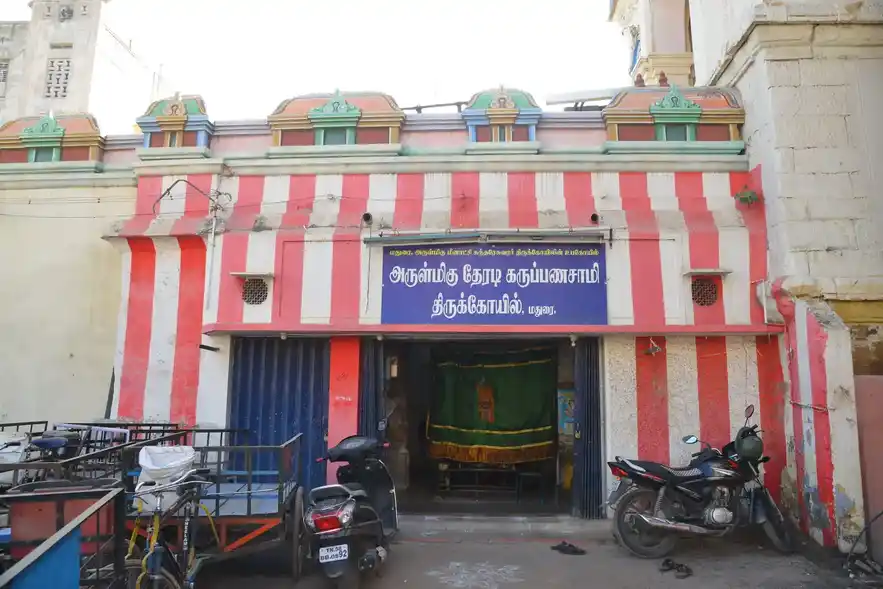
Karuppana Sami Temple
Arulmigu Karuppana Swamy Temple in Madurai's city centre is dedicated to Karuppana Swamy, a guardian deity associated with protection and courage within Tamil devotional tradition.
athi Sokkanathar Temple
Sri Aathi Sokkanathar Meenakshi Amman Temple in Madurai is a revered Shiva-Shakti shrine dedicated to Lord Aathi Sokkanathar and Goddess Meenakshi Amman, believed to be among th…

Pachyamman Temple, Madurai
Pachyamman Temple is a Hindu shrine located in Arappalayam, Madurai, Tamil Nadu, dedicated to the goddess Pachyamman.