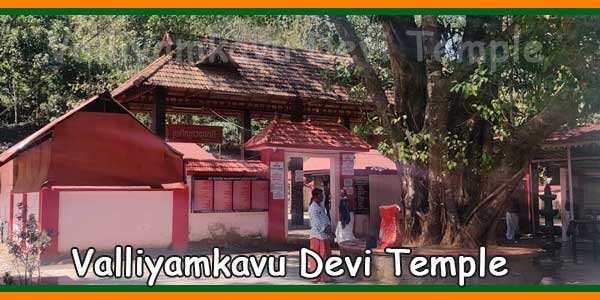
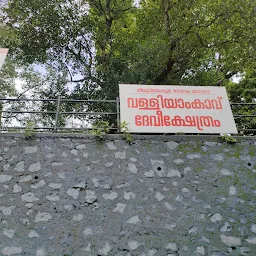
Valliyamkavu Devi Temple
About Valliyamkavu Devi Temple
The temple maintains a structured daily schedule of worship accessible to devotees. Morning darshan begins at 05:30 and continues until 12:30, while evening darshan runs from 13:00 to 18:00. Three principal aartis (ritual offerings) punctuate the day: Usha pooja at 05:30, Ucha pooja at 12:00, and Deeparadhana at 18:00. These rituals follow the traditional Kerala temple pattern of honoring the deity through fire, light, and chanted prayers at significant hours. Visitors should note that timings may vary on festival days, and it is advisable to confirm current schedules with the temple office before traveling, particularly given the remote location.
Festivals and Observances
The temple observes special weekly significance on Tuesdays and Fridays, when additional devotional practices take place. The most important annual celebration occurs in May during the month of Meenam, when the temple conducts both Thiruutsavam (the temple's principal festival) and Pongala (a ritual in which women prepare an offering to the Goddess). These occasions draw devotees to the shrine and represent the peak times for experiencing the temple's religious life. The specific dates and detailed observance practices for these festivals should be confirmed with the temple, as they follow the Malayalam calendar.
Visiting the Temple: Practical Considerations
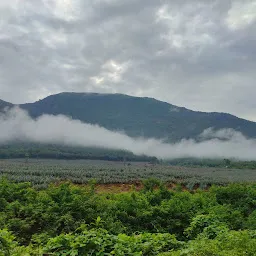
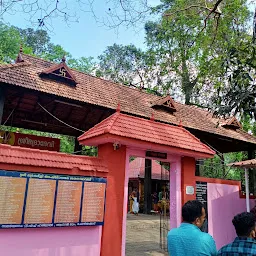
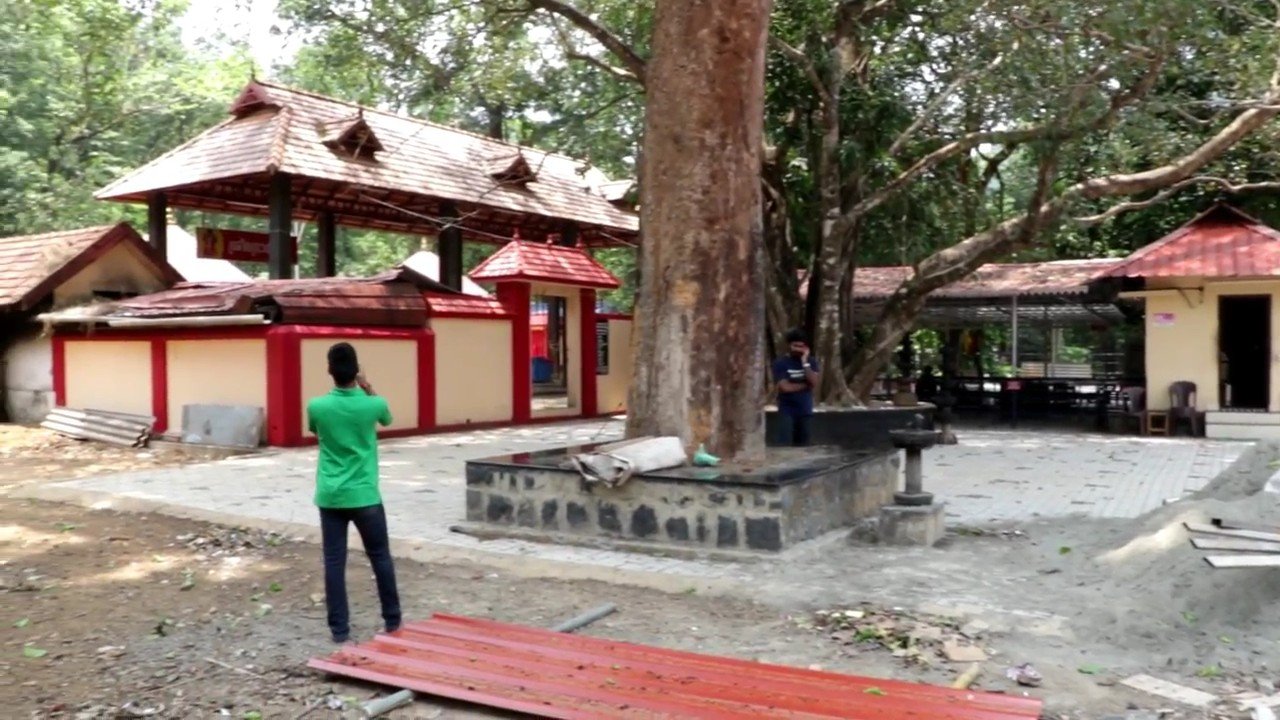
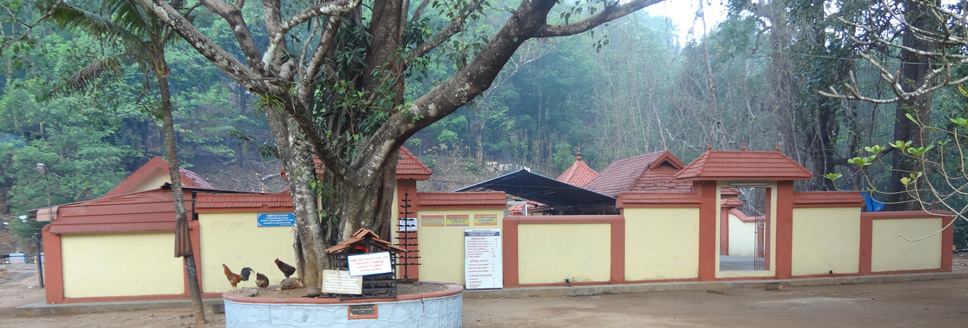
Valliyamkavu Devi Temple's location in the high-altitude Peerumedu region of Idukki district requires careful planning. The temple sits 15 kilometers east of the 35th mile near Mundakkayam, surrounded by hills, forests, and the plantations that characterize this part of the Western Ghats. The terrain and elevation mean weather conditions can vary significantly; visitors should dress appropriately for the season and bring water and sun protection. Modest dress is customary when visiting Hindu temples—women typically wear sarees or salwar kameez, while men wear simple trousers and shirts or traditional dhotis. Footwear is removed before entering the inner sanctum, as is standard practice. Basic facilities may be limited in this rural area, so self-sufficiency in provisions is prudent. Mobile connectivity may be unreliable, and medical facilities are some distance away.
Reaching the Temple
The temple is accessible from Mundakkayam via both private and government buses, as well as auto rickshaws, jeeps, and taxis available from the 35th mile at reasonable rates. The precise coordinates are 9.49539722°N, 76.99794444°E. The Travancore Rubber and Tea Company serves as a local landmark for orientation. Those unfamiliar with the area should seek local guidance from residents in Mundakkayam or nearby settlements before attempting the journey. The temple office can be contacted at +91-9400491785 for current information about road conditions, visiting hours, and any restrictions on entry. Given the remote location and terrain, the journey is best undertaken by visitors with genuine spiritual interest and the ability to navigate rural roads.
How to reach
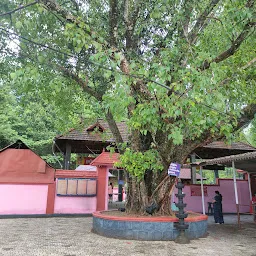
You may also visit
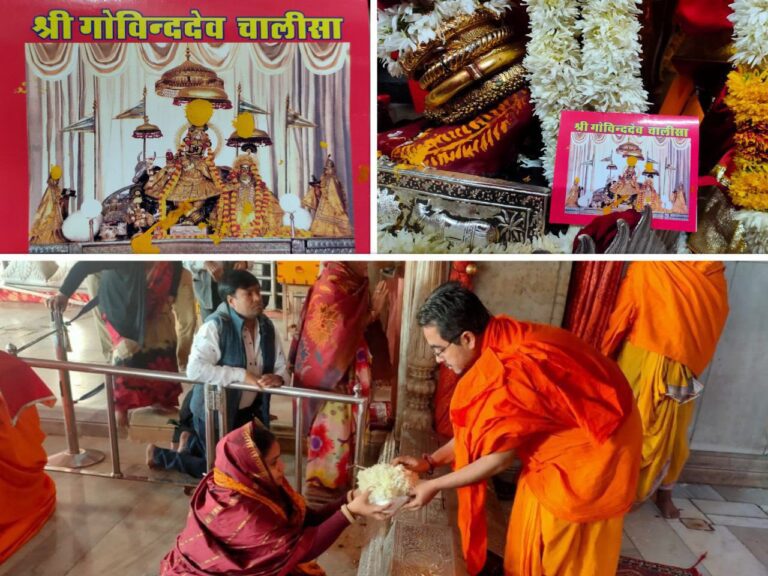
Kalyanji Temple
Kalyanji Temple in Jaipur's Chandpol Bazaar is approximately two centuries old and renowned for displaying the twenty-four avatars of Krishna, visible only twice yearly during Akha Teej and Patottsav festival.
Sastha (Ayyappan) Temple
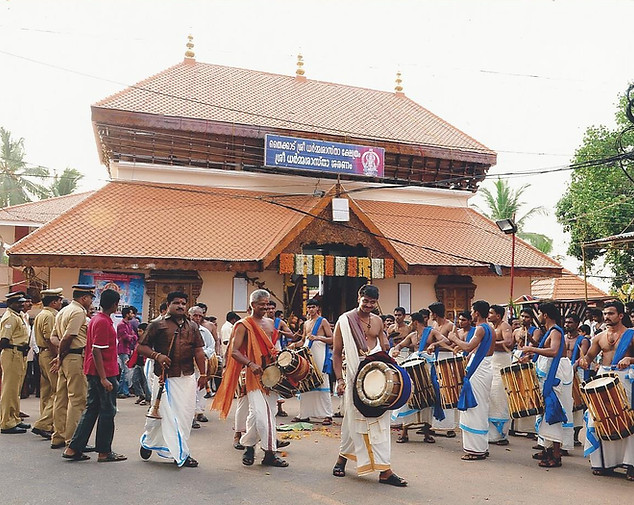
Sree Dharma Sastha Temple in Thycaud, Thiruvananthapuram, is a centuries-old shrine where the deity manifests as Dhanwanthari, the divine healer, holding the sacred blue lotus.
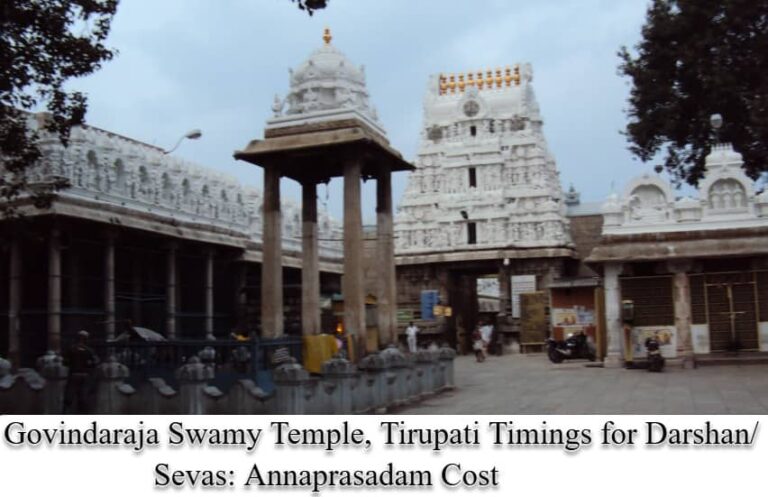
Govindarajaswamy Temple
Sri Govindarajaswamy Temple in Tirupati is an ancient Vaishnavaite shrine consecrated in 1130 AD by Saint Ramanuja, where the presiding deity rests in eternal Yoga Nidra on the serpent Adisesha.