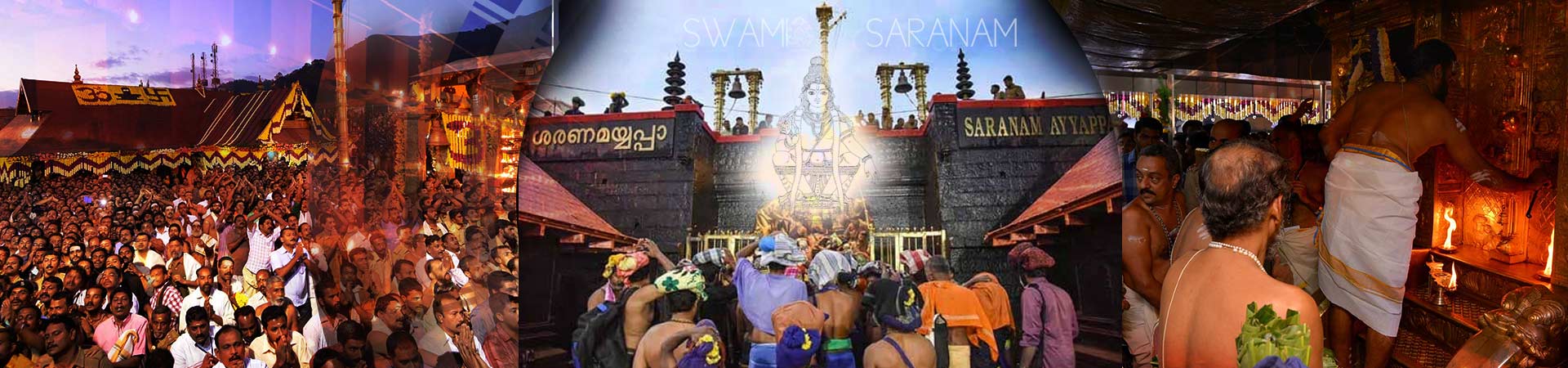
Sabarimala temple complex
About Sabarimala temple complex
Two periods draw the majority of pilgrims to Sabarimala: the Mandala season, which falls between November and December, and the Makaravilakku festival period. During these times, the temple operates according to a structured schedule of rituals and darshan opportunities. The temple follows specific pooja timings throughout the main pilgrimage season, including observances such as Nirmalya Darshanam, Ganapati Homam, Neyyabhishekam, Usha Pooja, Ucha Pooja, Deeparadhana, Pushpabhishekam, Athazha Pooja, and Harivarasanam. These rituals structure the devotional day and provide multiple opportunities for darshan.
Outside the main pilgrimage seasons, the temple continues to function with its own pooja schedule, though the volume of visitors is considerably lower. Pilgrims planning a visit should consult current opening dates and pooja timings, as these are updated annually and may vary.
Daily Rituals and Darshan
The temple maintains a comprehensive daily ritual schedule that reflects traditional worship practices. Multiple pooja ceremonies occur throughout the day, each serving specific spiritual purposes within the tradition. The sequence of rituals—from early morning observances through evening prayers—structures the temple's spiritual rhythm and provides devotees with various times to approach the deity.
Darshan, the opportunity to view the deity, is available during designated periods aligned with these rituals. Visitors should plan their visit around the published pooja timings to ensure they can participate in darshan. The temple's official website and helpline provide current scheduling information essential for planning.
Visiting the Temple: Practical Information
Sabarimala is located at coordinates 9.4375, 77.0805 in Pathanamthitta district. The temple can be reached via established routes, with detailed travel information available through official channels. The Kerala government maintains a dedicated helpline and online booking system for accommodation and pooja offerings, reflecting the organized infrastructure developed to manage the large volume of pilgrims.
Visitors should contact the Sabarimala helpline or consult the official website (sabarimala.kerala.gov.in) for current information on access, facilities, and any requirements for entry. Emergency services are available, including police and fire control rooms, and medical assistance can be accessed through designated helpline numbers. Online booking systems allow advance arrangement of accommodation and pooja offerings, which is advisable given the scale of pilgrimage, particularly during peak seasons.
Nearby Sacred Sites
The region around Sabarimala contains several other temples of significance. Malayalapuzha Devi Temple, Aranmula Parthasarathy Temple, Achankovil Shastha Temple, Aryankavu Shastha Temple, Kulathupuzha Sastha Temple, Chengannur Mahadevar Temple, and Nilakkal Mahadeva Temple are all situated in the vicinity. These temples offer pilgrims the opportunity to visit multiple sacred sites within the region, and some visitors structure their journey to include several of these locations.
Planning Your Visit
The best time to visit depends on your preference. The Mandala season (November-December) and Makaravilakku festival period attract the largest gatherings of pilgrims and offer the most elaborate ritual schedules, but also involve significant crowds. Those seeking a quieter experience may prefer visiting during other periods when the temple remains open but receives fewer visitors.
Advance planning is essential. Check the official website for current opening dates, pooja timings, and any special instructions. Book accommodation and pooja offerings online if desired. Contact the helpline with any questions about access, facilities, or requirements. The temple's infrastructure is designed to accommodate large numbers of pilgrims, but arriving prepared with current information ensures a smoother visit.
How to reach
You may also visit
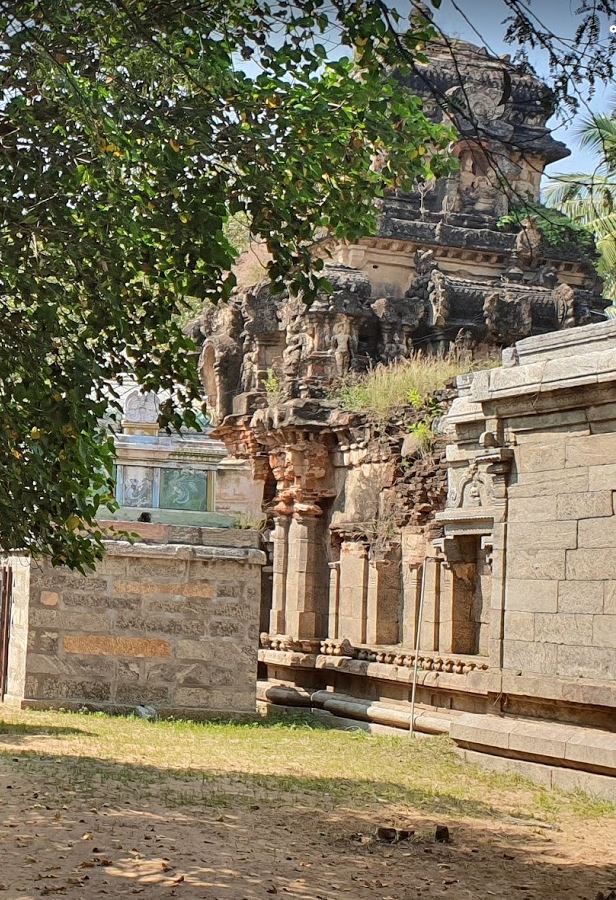
Agatheeswarar Temple, Karur
Agatheeswarar Temple in Thirumukkudalur, Karur district, is an ancient Hindu shrine dedicated to Shiva, situated at the sacred confluence of three rivers and believed to be over 1000 years old.
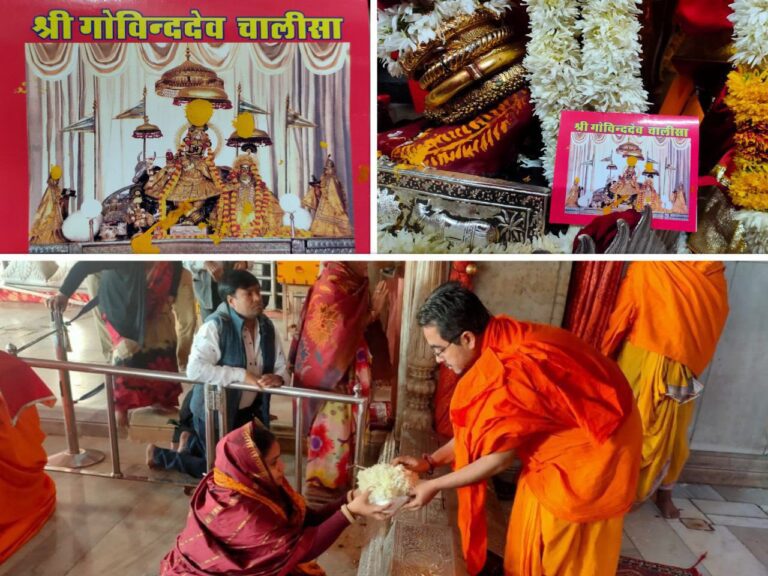
Kalyanji Temple
Kalyanji Temple in Jaipur's Chandpol Bazaar is an ancient Krishna shrine established in the 1820s, renowned for its seven daily aartis and special avatar darshan ceremonies during Akha Teej and Patottsav festivals.
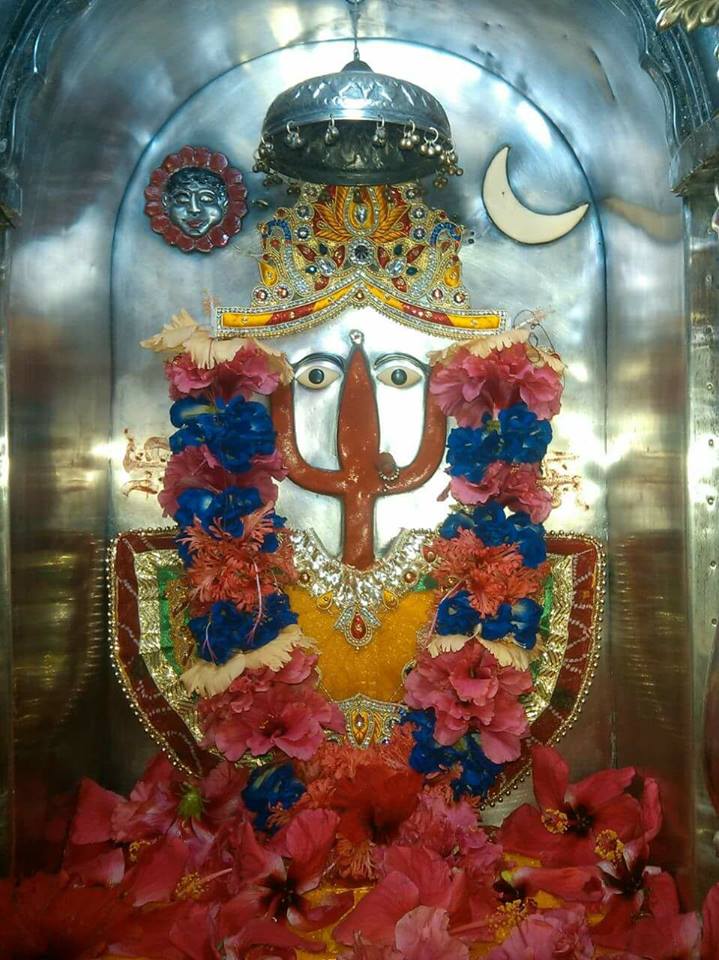
Rani Sati Mandir Mahuda
Rani Sati Mandir in Mahuda, Dhanbad District, is a Hindu temple established in 1992 that serves as a spiritual center for the local community and attracts devotees seeking blessings.