Vadakkan Koyikkal Devi Temple Puthiyavila
About Vadakkan Koyikkal Devi Temple Puthiyavila
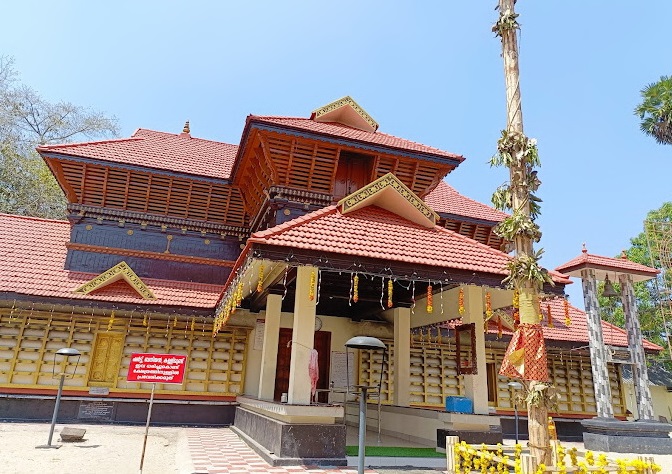
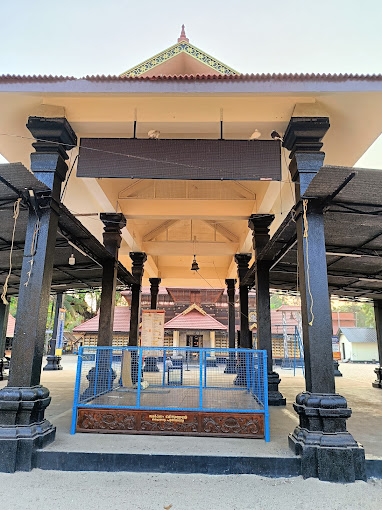
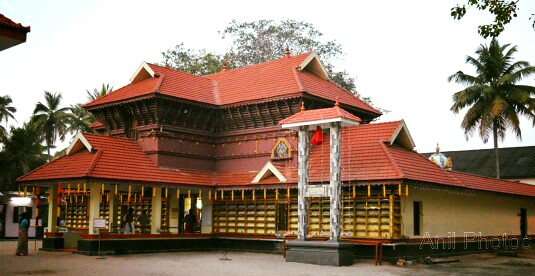
The temple displays the distinctive architectural vocabulary of traditional Kerala temple design. Its physical form includes a Chuttambalam (the pillared hall), a Namaskara Mandapam (the prayer hall), and a two-tiered Sreekovil (the inner sanctum). These elements follow the conventions established over centuries in Kerala's temple-building tradition, creating a coherent sacred space organized around the innermost shrine where the deity resides.
The architectural choices reflect both practical and spiritual considerations: the open halls allow for the gathering of worshippers, while the layered approach to the sanctum creates a progression from the outer, communal spaces toward the innermost, most sacred chamber. Visitors moving through these spaces experience a gradual transition from the everyday world toward the divine presence at the temple's heart.
Worship and Ritual Practice
As a Bhagavathi temple, Koyikkal follows the ritual patterns typical of Devi shrines throughout Kerala. Daily worship involves traditional offerings of flowers, coconut, and other items presented to the goddess through the mediation of the temple's priests. The rhythms of worship—the chanting of prayers, the lighting of lamps, the fragrance of incense—create the sensory and spiritual environment in which devotees engage with the divine.
The specific timing of major pujas and the names of current temple authorities are not documented in available sources. Visitors wishing to participate in or witness particular rituals should arrive during the temple's open hours and make local inquiry about the schedule of worship. The temple remains open daily from 05:00 to 19:30, accommodating both early morning and evening visits.
Festivals and Observances
The temple hosts significant annual festivals that draw larger congregations of devotees. Among these are Kumbha Bharani and Navaha Yekngam, occasions when the temple becomes a focal point for community worship and celebration. These festivals follow the lunar calendar and the ritual calendar of Kerala temples, though specific dates are not detailed in available sources. Devotees planning to visit during festival periods should confirm dates locally, as festival observances in Kerala temples typically align with traditional calendrical systems.
Visiting the Temple
The temple opens daily at 05:00 and closes at 19:30, offering ample opportunity for darshan (viewing of the deity) throughout the day. Visitors should dress modestly, as is customary in Hindu temples; women typically wear sarees or salwar kameez, while men wear dhotis or simple trousers and shirts. Shoes are removed before entering the temple premises. Visitors are welcome to participate in worship by making offerings of flowers or coconut, available at temple shops, or to simply sit in meditation within the halls.
Photography policies and specific facilities such as ablution areas should be confirmed upon arrival. The temple does not appear to offer accommodation on-site; visitors should arrange lodging in Alappuzha town or nearby Kayamkulam.
How to Reach the Temple
Puthiyavila village lies in Alappuzha district, well connected by road to major towns across Kerala. The nearest significant town is Kayamkulam, which provides a reference point for navigation. Visitors traveling by road can reach Puthiyavila via local routes from Alappuzha town or from Kayamkulam; public buses serve the district, though local inquiry will help identify the most direct routes. For those arriving by rail, Kayamkulam railway station provides access to the region. The backwater landscape of Alappuzha means that some visitors may also approach via water routes, which remain part of the region's traditional transport network. The temple's coordinates are 9.1903333333333°N, 76.453861111111°E.
How to reach

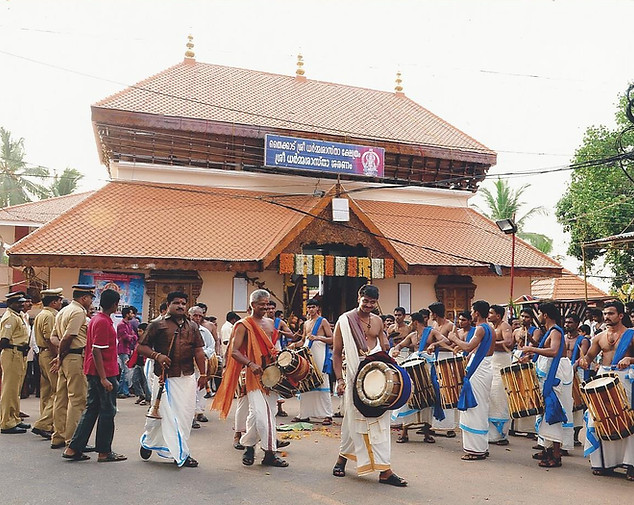
Temples near Vadakkan Koyikkal Devi Temple Puthiyavila
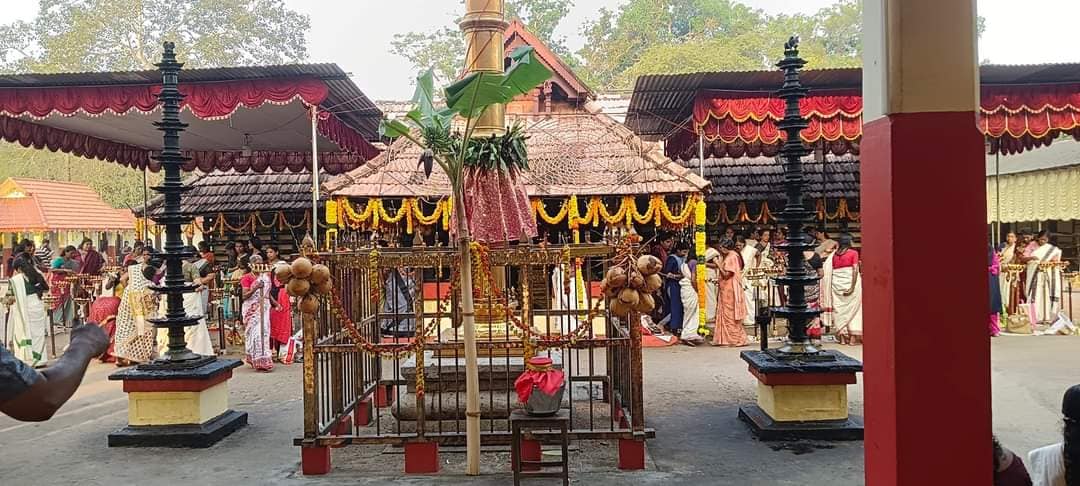
Pandavarkavu
Pandavarkavu Devi Temple in Muthukulam, Alappuzha district, is dedicated to Goddess Durga and serves as a spiritual center for devotees seeking protection, courage, and prosperi…
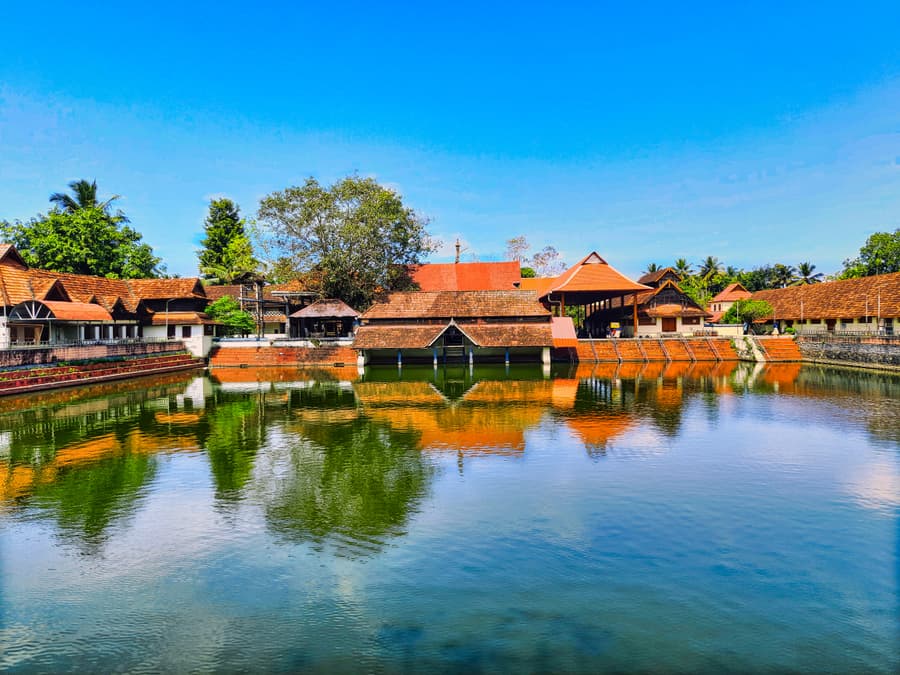
Eruva Sri Krishna Swami Temple
Eruva Sri Krishna Swami Temple in Kayamkulam, Alappuzha, is an ancient shrine dedicated to Lord Krishna with a spiritual legacy spanning approximately 5000 years. The temple als…
Vettikulangara Devi Temple Cheppad
Vettikulangara Devi Temple in Cheppad, Alappuzha, is one of Kerala's oldest temples dedicated to Durga Devi, also revered as Karthiyayini Devi. The temple's origin traces to a s…
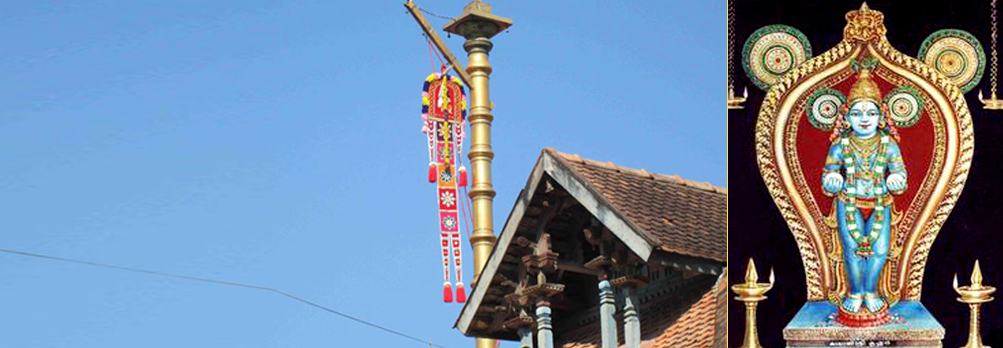
Evoor Major Sri krishnaswamy temple
Evoor Major Sri Krishnaswamy Temple is an ancient Vaishnava shrine in Alappuzha, Kerala, traditionally linked to the Khandava forest burning described in the Mahabharata and bel…
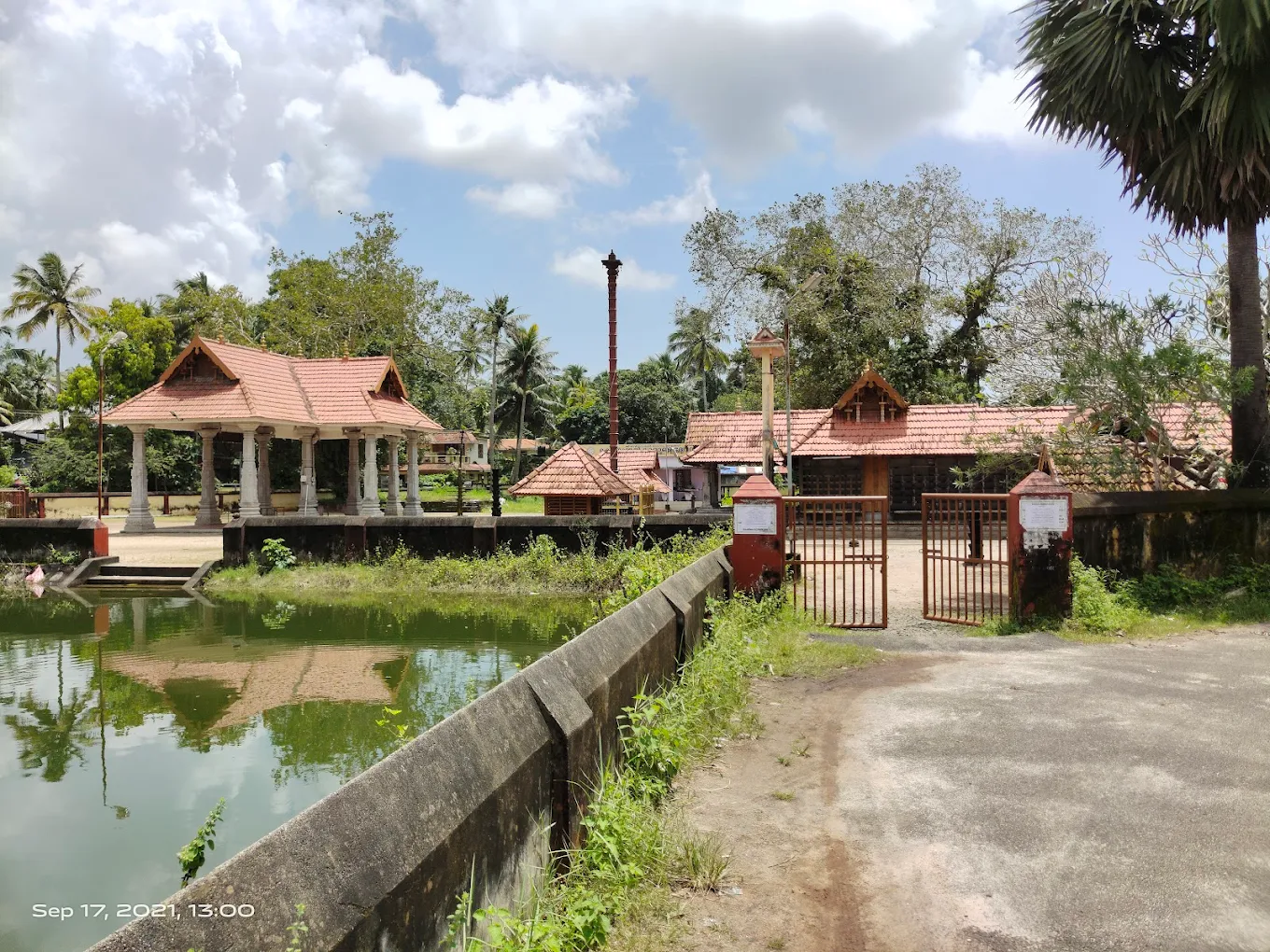
Koipallikarazhma Devi Temple
Koipallikarazhma Devi Temple in Perungala, Alappuzha, is an ancient shrine dedicated to Goddess Durga, revered as the divine power behind the region's prosperity. The temple is…
Nangyaarkulangara shree Krishna Kshethram
Nangiarkulangara Sree Krishna Swamy Temple, located near Haripad in Alappuzha district, Kerala, is dedicated to Lord Krishna and features a distinctive circular sanctum with the…