Nangyaarkulangara shree Krishna Kshethram
About Nangyaarkulangara shree Krishna Kshethram
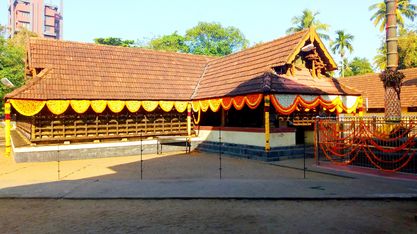
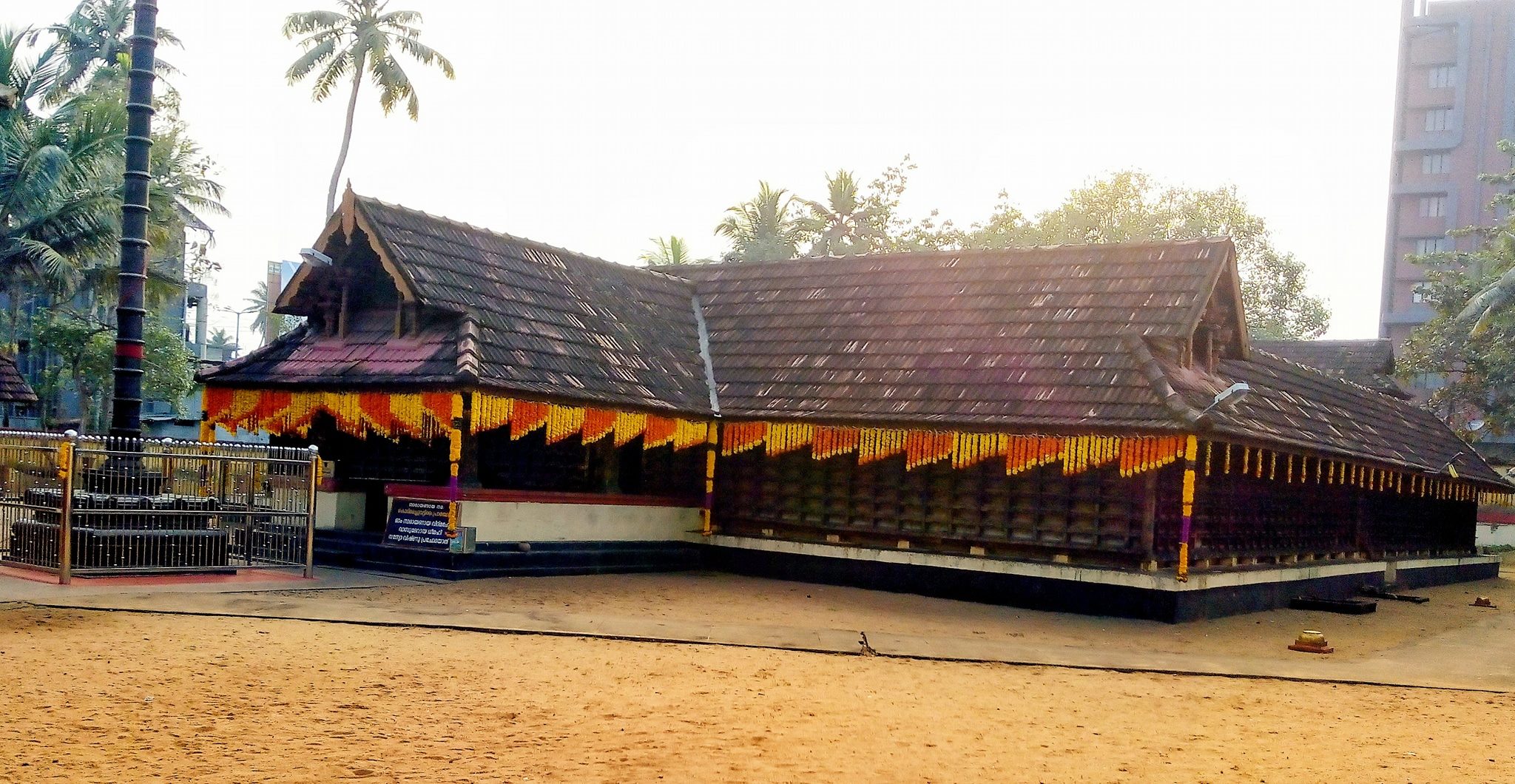
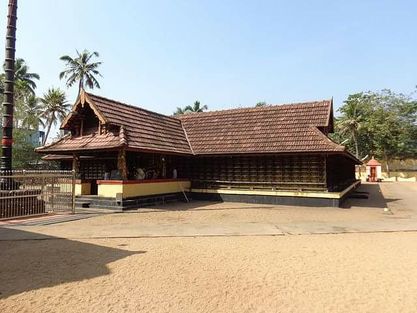
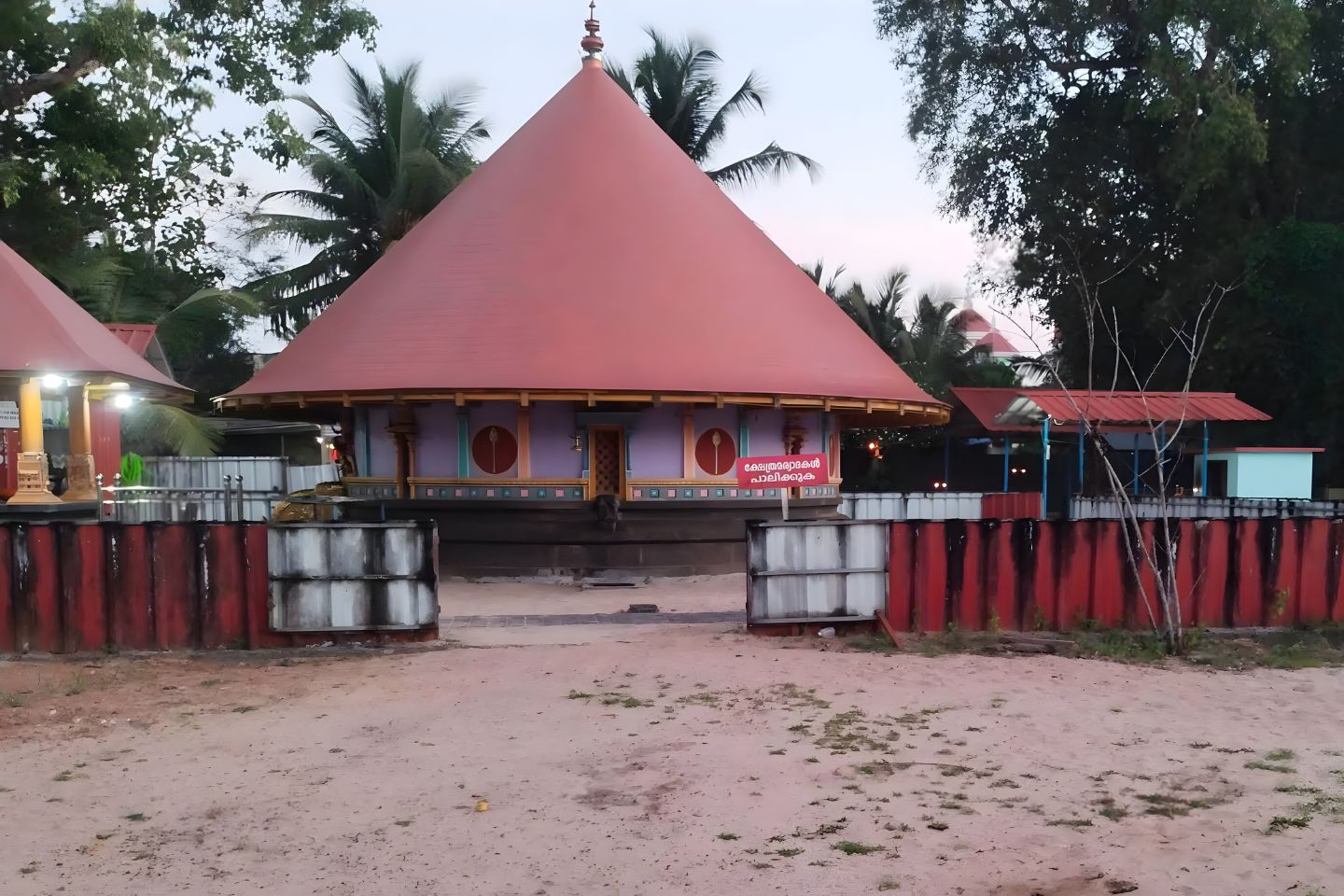
The temple's most distinctive feature is its circular sanctum sanctorum, which houses the primary image of Krishna. This design reflects Kerala's architectural traditions for Krishna temples. The orientation of the deity toward the east follows established practice in Hindu temple construction. The presence of subsidiary shrines within the temple complex allows devotees to offer prayers to multiple forms of divinity in a single visit, a common arrangement in Kerala's temple culture.
Worship and Auspicious Days
Thursday holds particular significance for worship at this temple and is considered the most auspicious day for visits. Regular darshan follows the temple's daily schedule, though specific timings are not documented in available sources. Devotees seeking the blessings of Krishna typically plan their visits accordingly. The temple conducts traditional rituals throughout the year, maintaining the liturgical practices associated with Krishna worship in Kerala's Vaishnava tradition.
The Annual Festival
The temple's most significant observance is its nine-day annual festival, which begins on the Thiruvonam nakshatra in the month of Dhanu (November-December). This festival draws thousands of devotees seeking Krishna's grace. Throughout the nine days, annadanam—the ritual offering of food—takes place daily, embodying the principle of communal nourishment central to temple life.
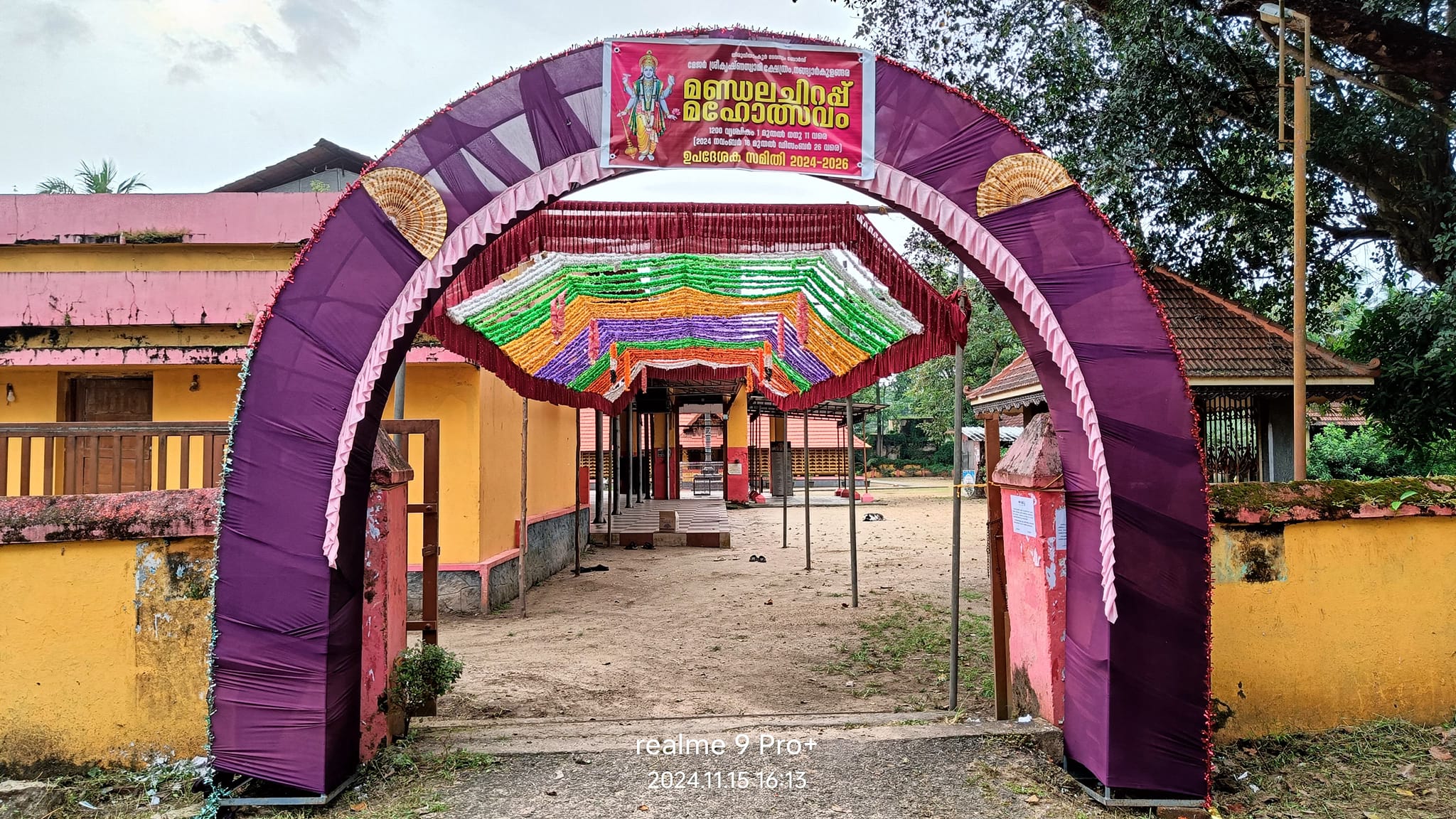
The festival showcases Kerala's classical performing arts, with traditional music and dance performances held during the celebration. Caparisoned elephants, melam (percussion ensembles), and sheevali (illuminations) form integral parts of the festivities. The temple also conducts Sree Bhootha Bali, a ritual specific to Krishna temples in Kerala. The festival concludes with the Arattu ceremony, during which the processional image of Krishna is taken for ritual purification, marking the ceremonial close of the celebrations.
Visiting the Temple
Visitors should plan their trip with Thursday in mind for regular darshan, as this day holds special significance. The annual festival period, beginning on Thiruvonam nakshatra in Dhanu month, offers a particularly vibrant experience of the temple's religious and cultural life, though crowds will be substantial. Modest dress is appropriate when visiting Hindu temples; women typically wear salwar kameez, sarees, or equivalent modest clothing, while men wear dhotis or simple trousers and shirts. Shoes are removed before entering the sanctum.
The temple's pond provides a serene setting for reflection. Visitors should be respectful of ongoing rituals and maintain silence in the inner sanctum. Photography policies are not specified in available sources and should be confirmed upon arrival. The temple's management by the Travancore Devaswom Board ensures maintained facilities and regular upkeep of the grounds.
Location and Access
The temple is situated in Nangiarkulangara village, near Haripad, in Alappuzha district. The coordinates are 9.2596353, 76.4638039. The postal code is 690513. Visitors can use these details with mapping applications to plan their route. The temple's proximity to Haripad makes it accessible from major towns in the Alappuzha region. Local transport options and specific directions from nearby towns should be confirmed with local sources or the temple authorities, as detailed travel information is not available in current documentation.
How to reach
Temples near Nangyaarkulangara shree Krishna Kshethram
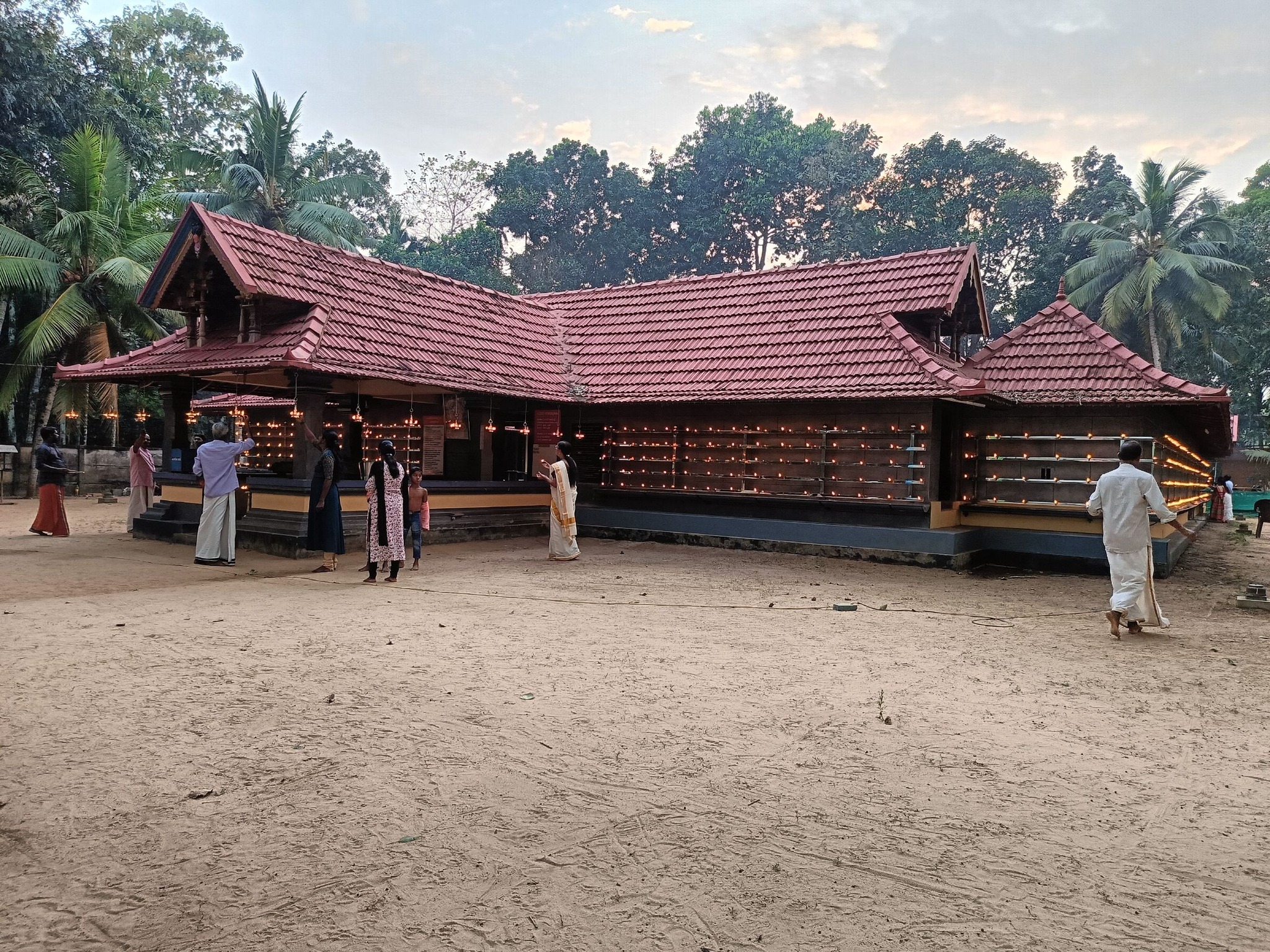
Thalickal Mahadeva Temple
Thalickal Sree Mahadeva Temple is an ancient Thali temple in Alappuzha, Kerala, believed to have been established by Lord Parasurama and dedicated to Lord Shiva with several sub…
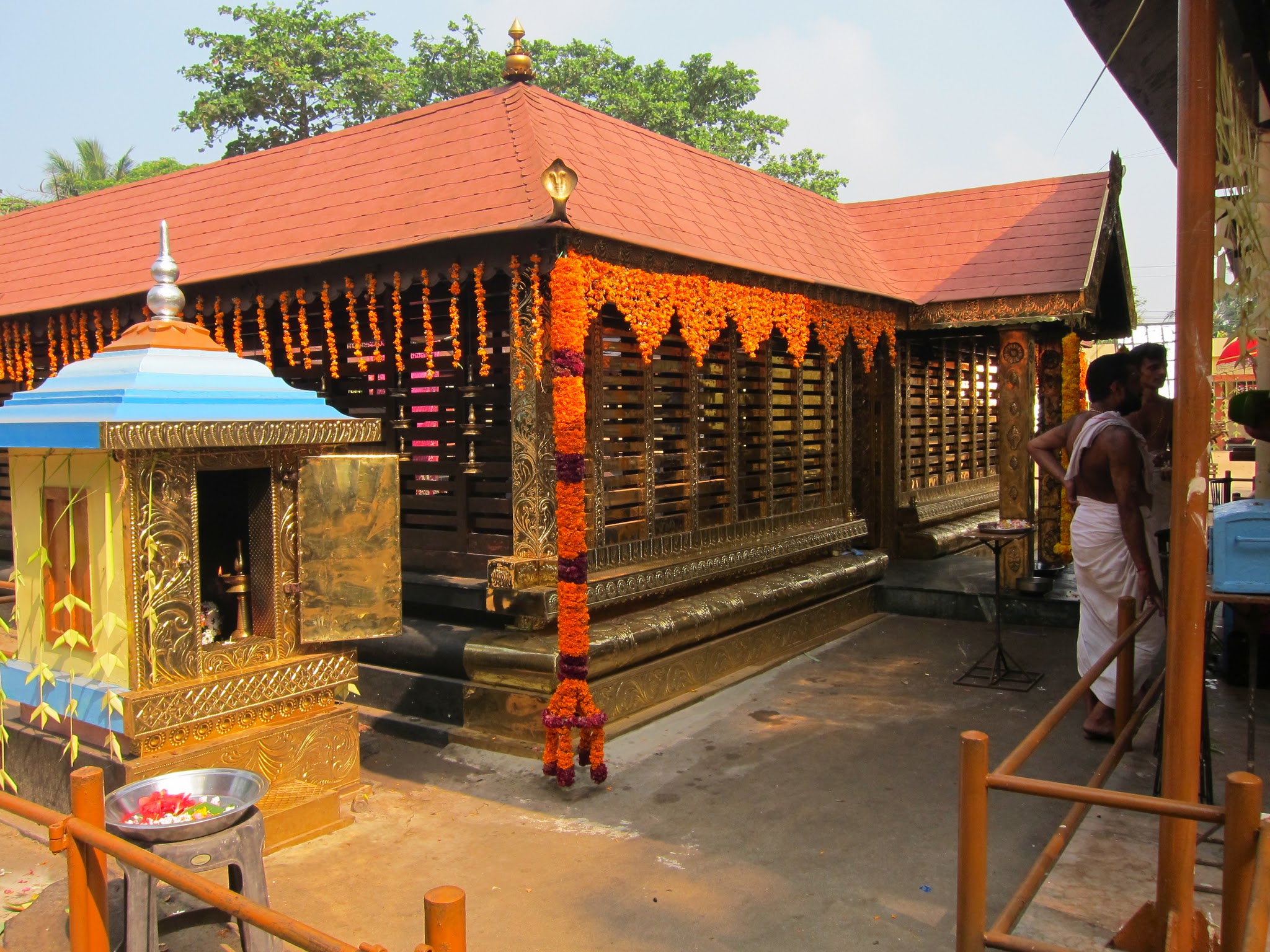
Manakkattu devi temple
Manakkattu Devi Temple in Pallippad, Alappuzha district, Kerala, is an ancient shrine dedicated to Goddess Bhuvaneswari. The temple is distinguished by its unique practice of co…
Vettikulangara Devi Temple Cheppad
Vettikulangara Devi Temple in Cheppad, Alappuzha, is one of Kerala's oldest temples dedicated to Durga Devi, also revered as Karthiyayini Devi. The temple's origin traces to a s…
Haripad Sree Subrahmanya Swamy temple
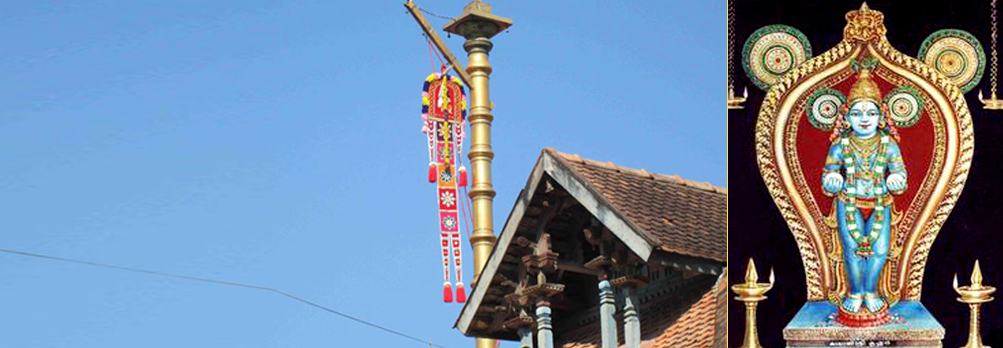
The Sree Subrahmanya Swamy Temple in Haripad, Kerala, is one of the oldest and largest Subrahmanya temples in the state, renowned for its longest golden flagpost and believed to…
Evoor Major Sri krishnaswamy temple
Evoor Major Sri Krishnaswamy Temple is an ancient Vaishnava shrine in Alappuzha, Kerala, traditionally linked to the Khandava forest burning described in the Mahabharata and bel…
Mannarasala Temple
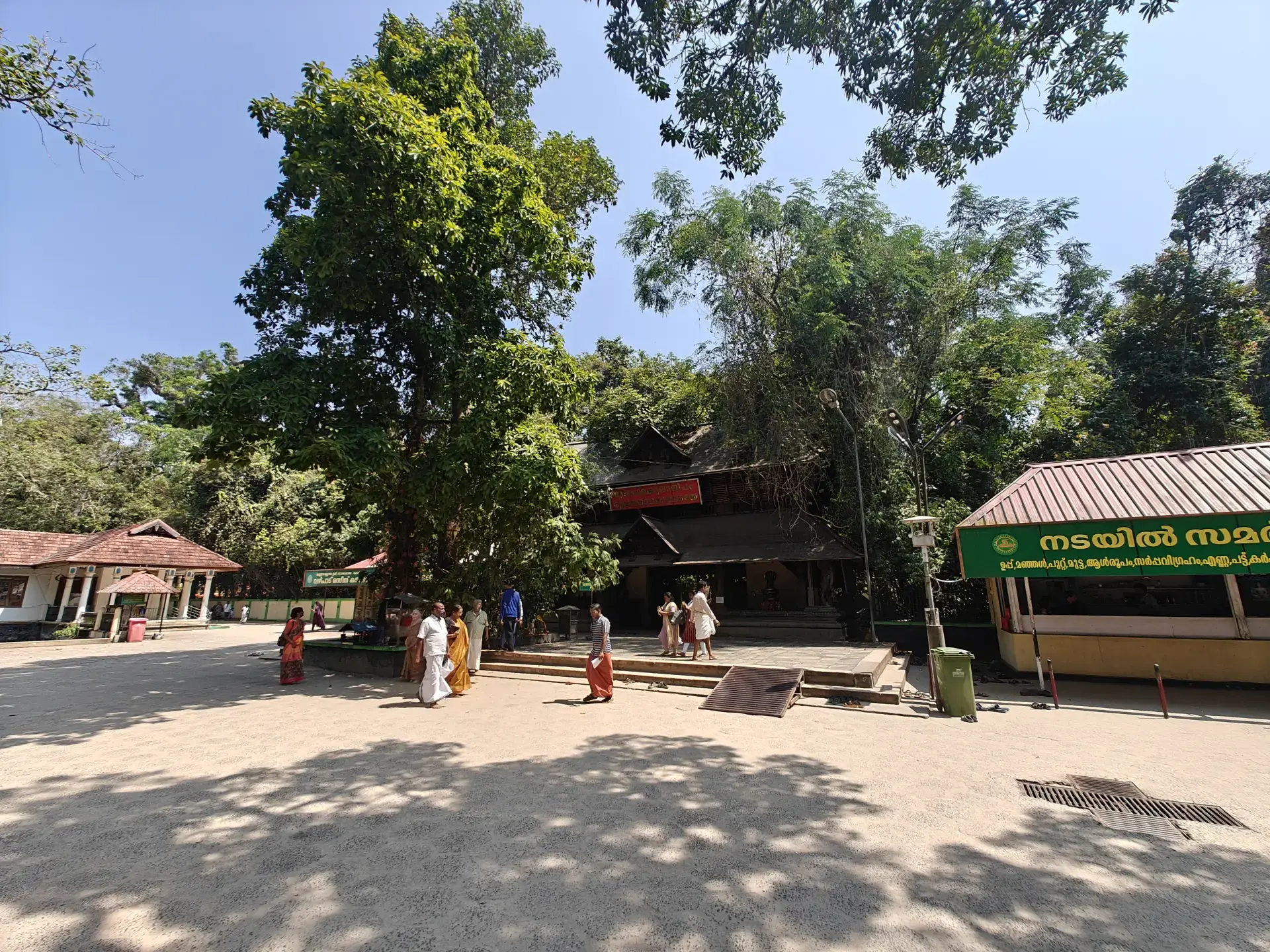
Mannarasala Sree Nagaraja Temple is an ancient pilgrimage centre in south-west Kerala dedicated to serpent worship, revered for its spiritual power and traditions.