
Vaatpokki Ratnagirswarar Temple
About Vaatpokki Ratnagirswarar Temple
The Shivalinga enshrined at the summit is described as self-manifested (Swayambu), a category of sacred stone that devotees believe emerged naturally rather than being installed by human hands. Local tradition holds that the hill itself originated from a fragment of Mount Meru, dislodged during a cosmic struggle between Vayu and Adisesha in ancient times.
The temple's name derives from a legend recorded in local sacred narratives. According to this account, a king once raised his sword (vaal) in frustration at the site, and Shiva intervened to stop the blade—hence "Vaatpokki," meaning "sword stopped." A visible mark on the Linga is said to bear witness to this event. The temple is also associated with worship by divine figures including Indra, Surya, and the sage Agastya, whose devotion at noon is commemorated in the temple's ritual practices.
Architecture and Layout
The temple complex includes subsidiary shrines (sannidhis) dedicated to Nataraja, Vinayaka, Subramanya, and the 63 Nayanmars—the poet-saints of the Shaiva tradition. At the base of the hill stands a separate temple for Sivapureeswarar. The sanctum at the summit faces west and is surrounded by eight rocks, creating a distinctive architectural setting. A sacred neem tree on the hilltop is said to have been created by Indra.
The steep stone steps form the primary approach, making the physical ascent a significant part of the pilgrimage experience. Visitors should be prepared for this climb, particularly in warm weather.
Daily Worship and Rituals
The temple observes daily rituals centered on abhishekam (ritual bathing of the deity). Holy water for these ceremonies is fetched from the nearby Cauvery River, a practice that emphasizes the temple's connection to this sacred waterway. The midday worship holds particular significance, linked to the tradition of Sage Agastya's devotion at this site. Temples of the Shaiva tradition typically perform multiple daily rituals, though specific timings for this temple are not currently documented.
Major Festivals
The temple observes several significant festivals throughout the year. Maha Shivaratri, the great night dedicated to Shiva, is marked by a notable phenomenon: sunlight enters through a window in the sanctum to illuminate the Linga. Arudra Darisanam features a procession of Nataraja. Thai Poosam brings deities from nearby temples to converge at the site. The Chittirai Brahmotsavam includes a chariot festival. Major Hindu festivals such as Diwali, Holi, and Makar Sankranti are also observed according to the lunar calendar.
Visiting the Temple
Contact details and official timings are not currently verified. Visitors planning a trip should inquire locally or contact the temple administration in advance. The steep climb of 1,140 steps requires physical fitness and appropriate footwear; the ascent is particularly challenging in hot weather. Modest dress is customary at Hindu temples—loose, covered clothing is respectful. The temple is located at coordinates 10.8782886, 78.3823864 in Tiruvaatpokki village.
The site is traditionally visited as part of a pilgrimage circuit that includes the nearby temples of Tiru-Eengoi-Malai and Tirukadambanthurai, which can be visited in a single day. As the first Tevaram temple south of the Cauvery in the Chola region, it holds particular significance within this sacred geography.
How to reach
Temples near Vaatpokki Ratnagirswarar Temple
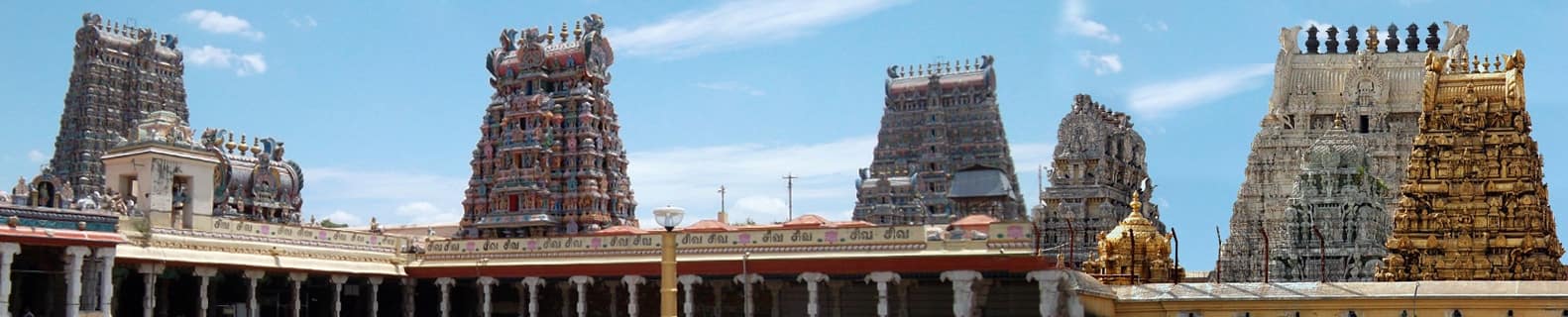
Arulmigu Rathnagireeswarar Temple
Arulmigu Rathnagireeswarar Temple in Besant Nagar, Chennai, is an active Shiva shrine established in the 12th century and recognized as part of the Padal Petra Sthalams traditio…

Kulittalai Kadambavaneswarar Temple
Kulittalai Kadambavaneswarar Temple is a Hindu shrine in Karur district, Tamil Nadu, where Lord Shiva is worshipped as Kadambavaneswarar alongside his consort Mutrila Mulaiammai.
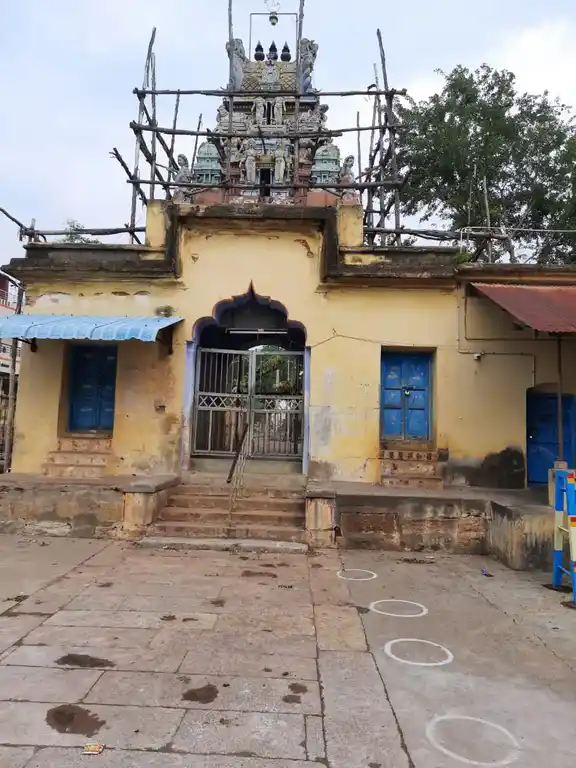
Musiri Chandramouleswarar Temple
Arulmigu Chanthiramauleeswarar Temple in Musiri is a traditional heritage shrine dedicated to Lord Chandramouleeswara, dating to the 19th century and recognized by the Tamil Nad…
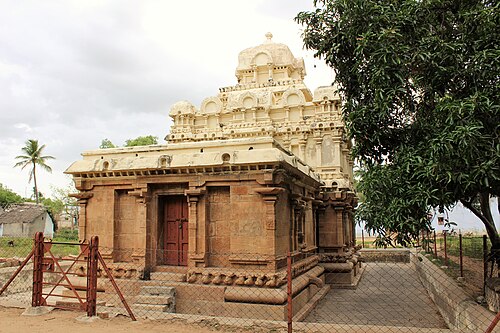
Srinivasanallur Koranganatha Temple
Koranganatha Temple in Srinivasanallur, near Tiruchirappalli, is an early Chola-era shrine dedicated to Lord Shiva, built during the reign of Parantaka I in the mid-10th century…
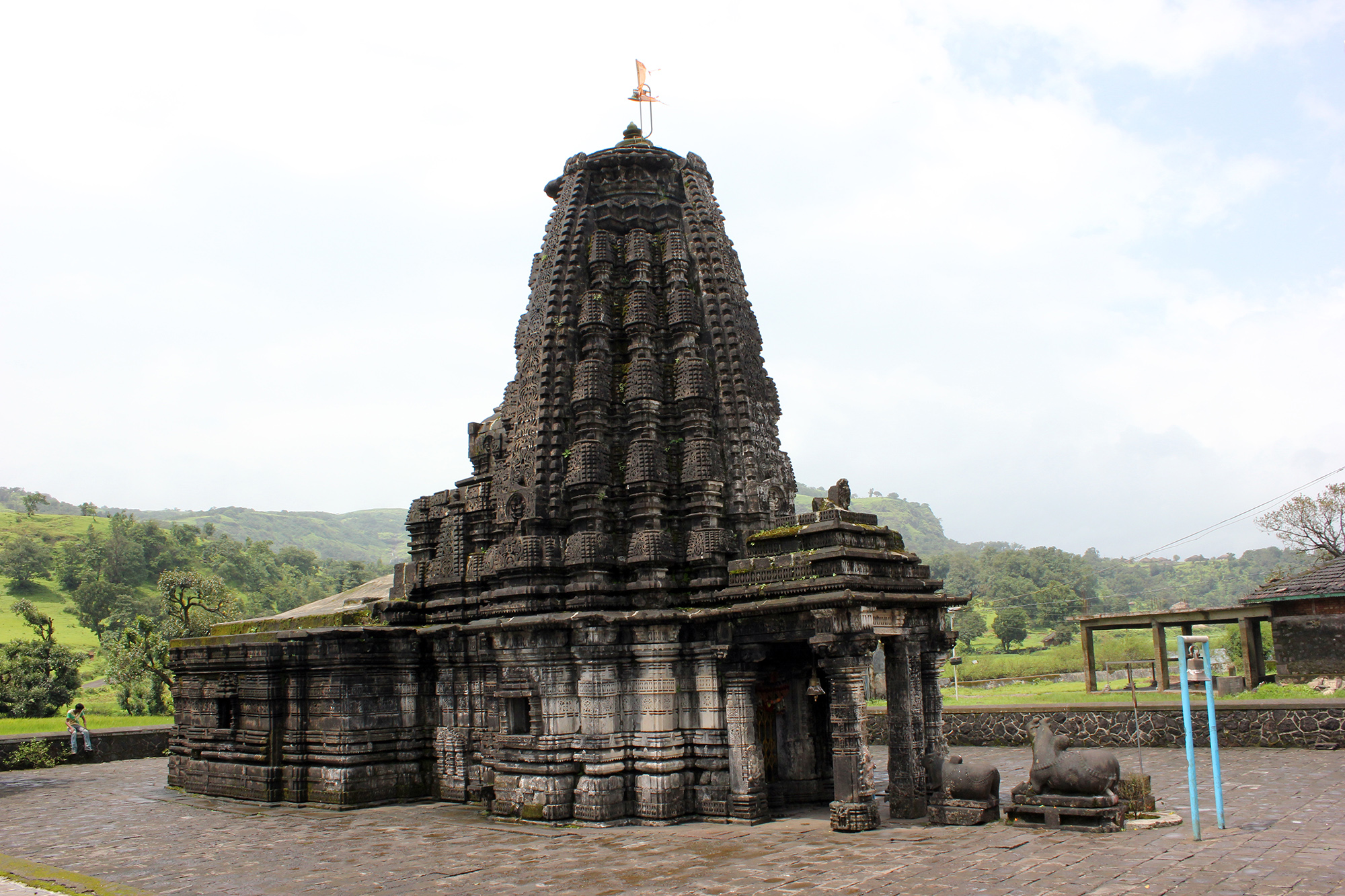
Thiruengoimalai Maragadachaleswarar Temple
Maragadachaleswarar Temple in Thiruengoimalai is an ancient Shiva shrine renowned for its emerald lingam, believed to have formed from a fragment of Mount Meru that fell during…
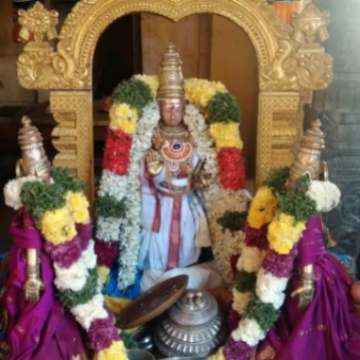
Vedanarayana perumal temple, Thirunarayanapuram
Vedanarayana Perumal Temple in Thirunarayanapuram, Tiruchirappalli District, is dedicated to Lord Vishnu in his reclining form with the four Vedas as his pillow, and Goddess Lak…