Srinivasanallur Koranganatha Temple
About Srinivasanallur Koranganatha Temple
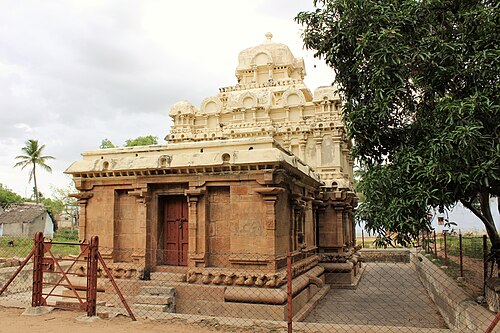
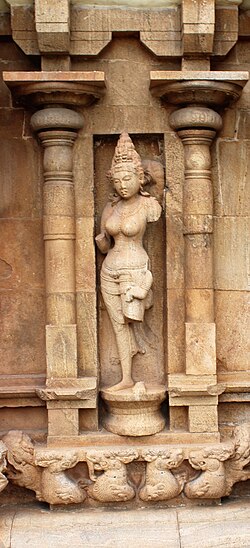
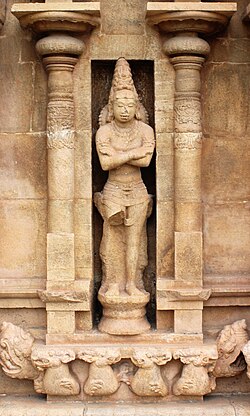
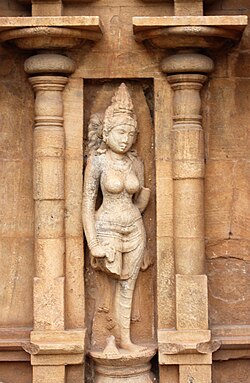
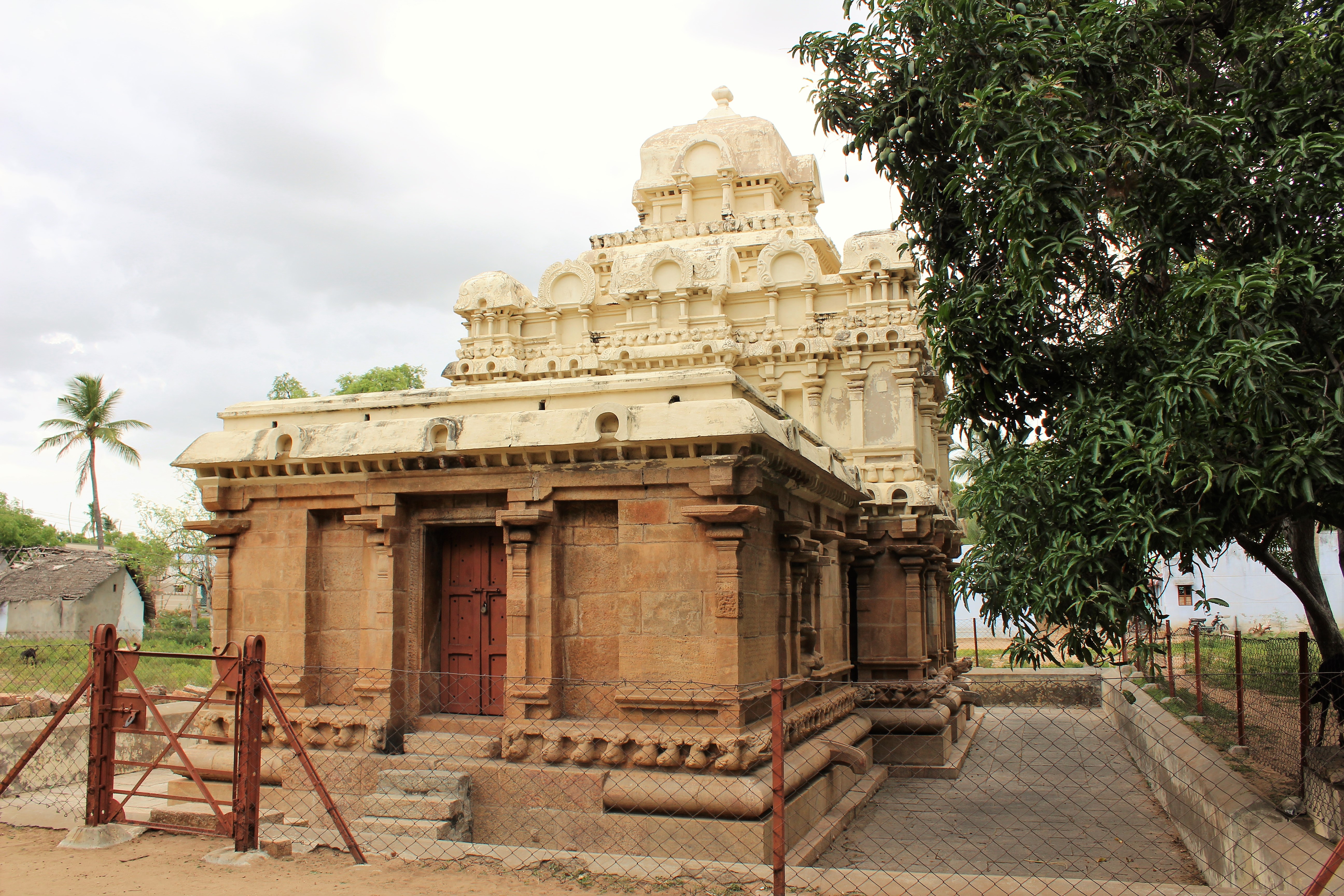
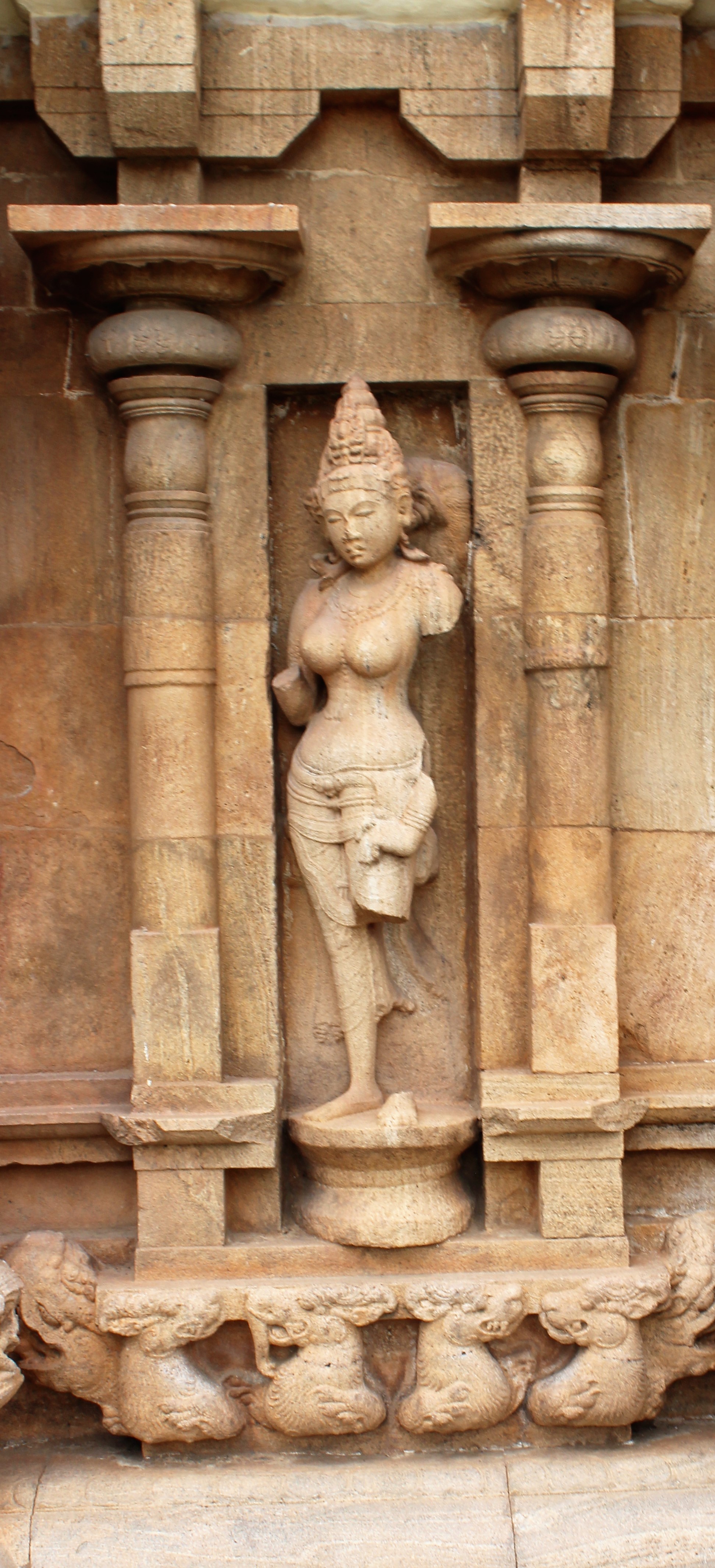
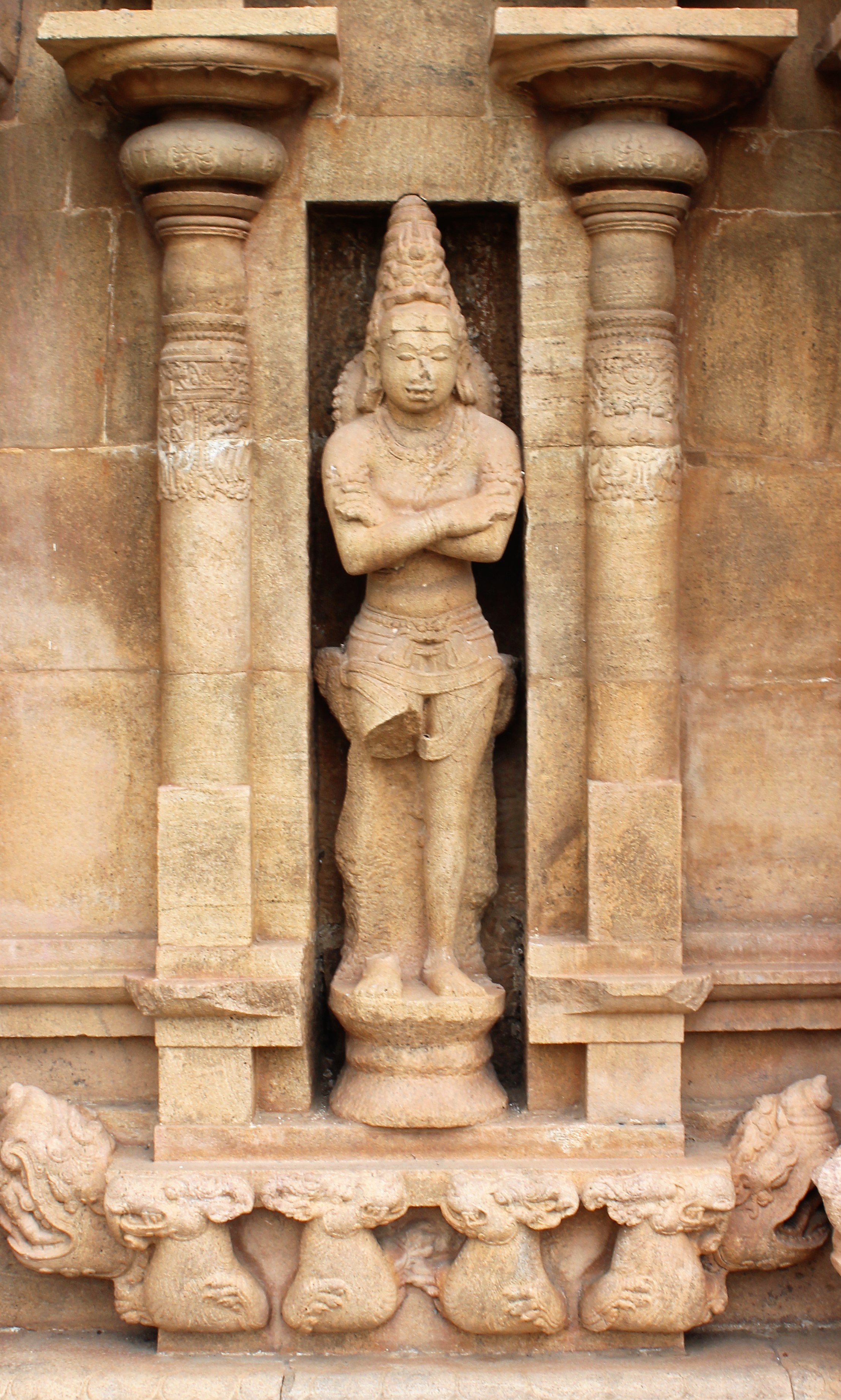
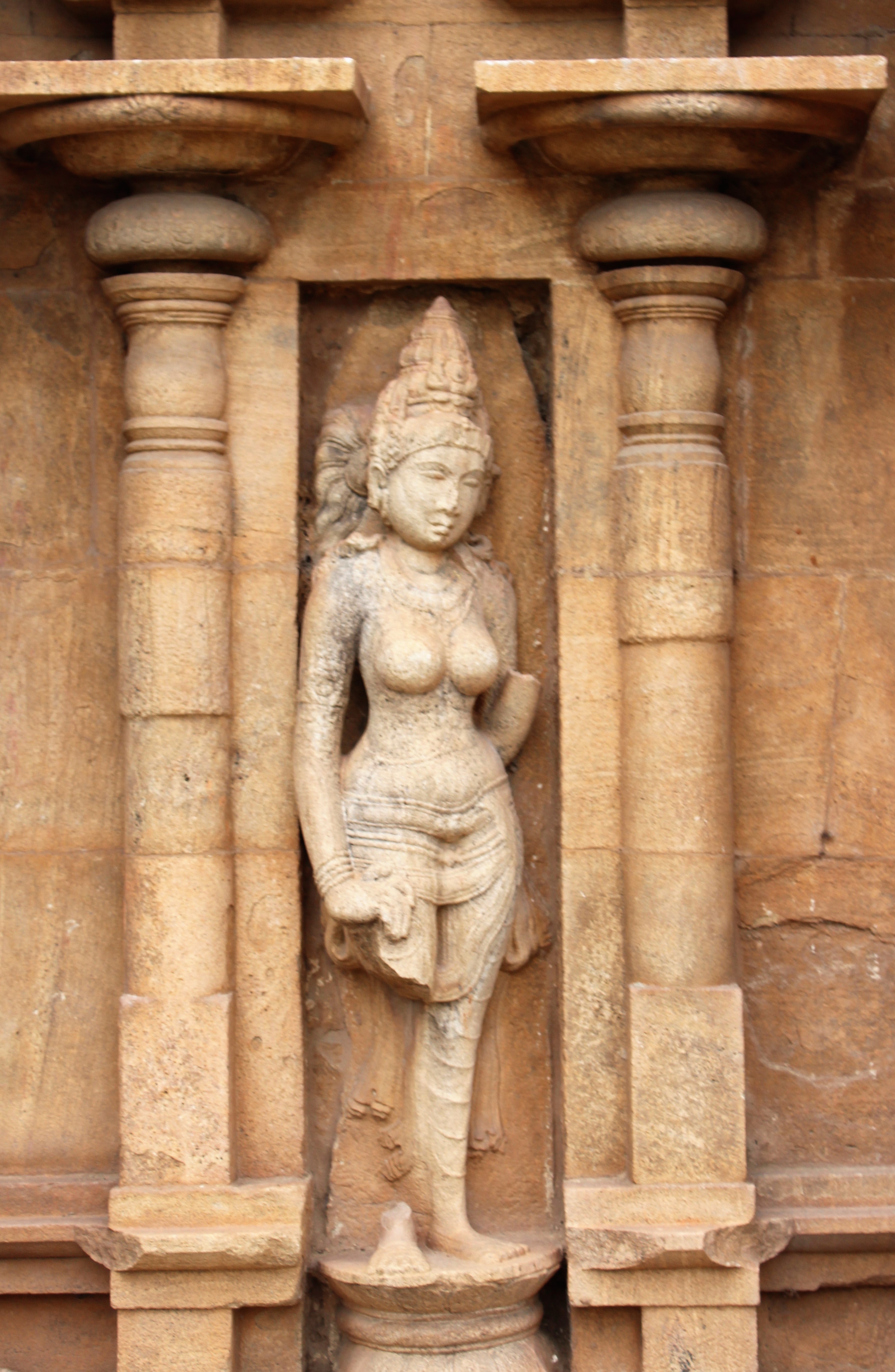
The Koranganatha Temple exemplifies the architectural innovations that emerged during Parantaka I's reign, a period when the Chola dynasty underwent significant development in temple design and construction. The temple's stonework displays the refined carving techniques characteristic of 10th-century Chola craftsmanship, with detailed sculptural elements that reward close examination.
The temple's architectural style reflects the Dravidian tradition as practiced by the Cholas, with carefully executed stone work throughout the structure. The carvings remain well-preserved, offering visitors insight into the artistic capabilities of medieval Tamil artisans. The peaceful riverside setting complements the architectural experience, creating an environment conducive to appreciating both the spiritual and aesthetic dimensions of the site.
History and Stewardship
Following the Chola period, the temple gradually fell into disuse and faded from wider awareness until the 20th century, when the Archaeological Survey of India assumed responsibility for its protection and maintenance. This intervention proved crucial in preventing further deterioration. Conservation efforts have focused on preserving the original carvings and structural integrity of the temple, allowing visitors today to encounter the site much as medieval worshippers would have known it.
The temple's history is also connected to the Muthuraiyar or Muthuraja community, feudatories of the Medieval Cholas who historically managed and maintained the sanctuary. This relationship reflects the broader patterns of temple stewardship in medieval South India, where local communities played essential roles in sustaining sacred spaces.
Visiting the Temple: Practical Information
The temple opens daily from 6:00 AM to 6:00 PM, with entry free to all visitors. Photography is permitted throughout the site, allowing visitors to document the carvings and architectural details. The best time to visit falls between October and March, when Tamil Nadu's weather becomes more temperate and comfortable for extended exploration. Within these months, early morning and late afternoon hours offer optimal natural lighting for viewing the stone carvings in detail. The temple remains uncrowded throughout the week, making any day suitable for a visit.
Visitors should dress modestly, as is customary at Hindu temples. Closed shoes are typically removed before entering the inner sanctum, though practices may vary—it is advisable to observe what other visitors do or inquire locally. The site's location on the Kaveri riverbank means the approach may involve some uneven terrain; sturdy footwear suitable for removal is recommended. As the temple is protected by the Archaeological Survey of India, visitors should respect any guidelines posted at the site regarding access to particular areas.
Reaching Srinivasanallur
Srinivasanallur lies approximately 50 kilometres from Tiruchirappalli, a major city well-connected by road and rail to other parts of Tamil Nadu and India. Tiruchirappalli serves as the nearest significant transport hub. From the city, visitors can arrange local transport to reach the temple. The specific route and current transport options are best confirmed with local tourism resources or accommodation providers in Tiruchirappalli, as road conditions and available services may vary seasonally.
How to reach

Temples near Srinivasanallur Koranganatha Temple
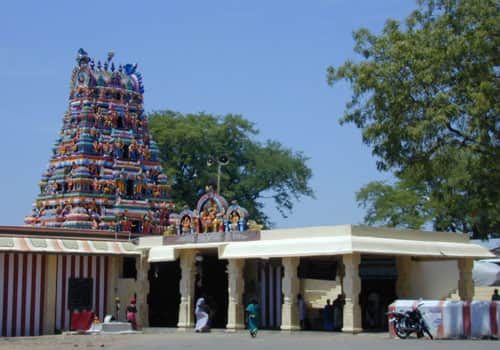
Madurakaliyamman Temple
Arulmigu Pidari Madurakaliyamman Temple is a Hindu shrine dedicated to Goddess Kali located in Murangaikalathur, Tiruchirappalli District, Tamil Nadu.
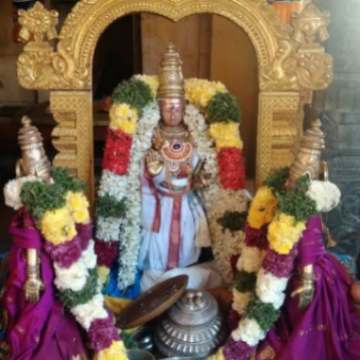
Vedanarayana perumal temple, Thirunarayanapuram
Vedanarayana Perumal Temple in Thirunarayanapuram, Tiruchirappalli District, is dedicated to Lord Vishnu in his reclining form with the four Vedas as his pillow, and Goddess Lak…
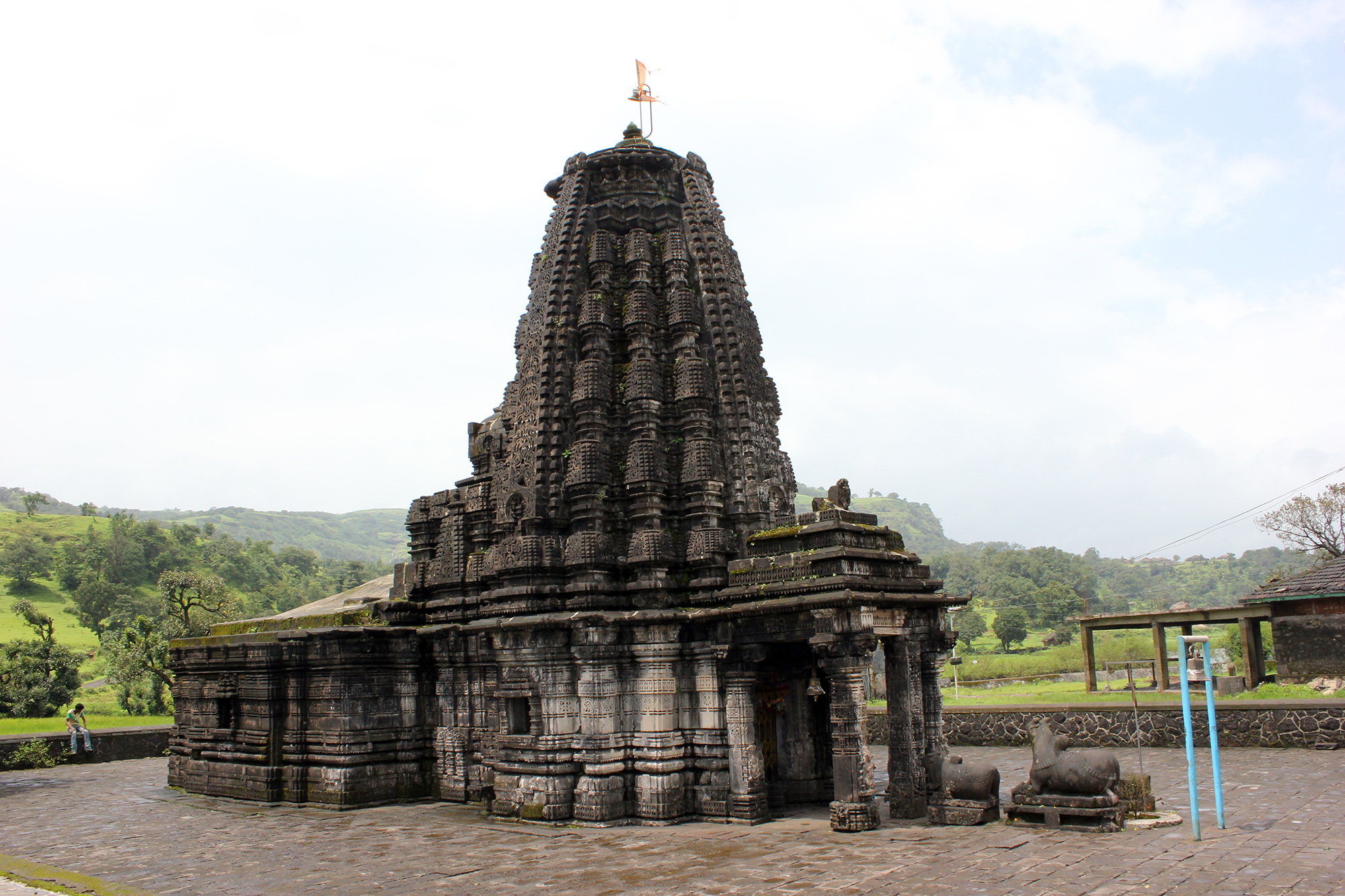
Thiruengoimalai Maragadachaleswarar Temple
Maragadachaleswarar Temple in Thiruengoimalai is an ancient Shiva shrine renowned for its emerald lingam, believed to have formed from a fragment of Mount Meru that fell during…

Kulittalai Kadambavaneswarar Temple
Kulittalai Kadambavaneswarar Temple is a Hindu shrine in Karur district, Tamil Nadu, where Lord Shiva is worshipped as Kadambavaneswarar alongside his consort Mutrila Mulaiammai.
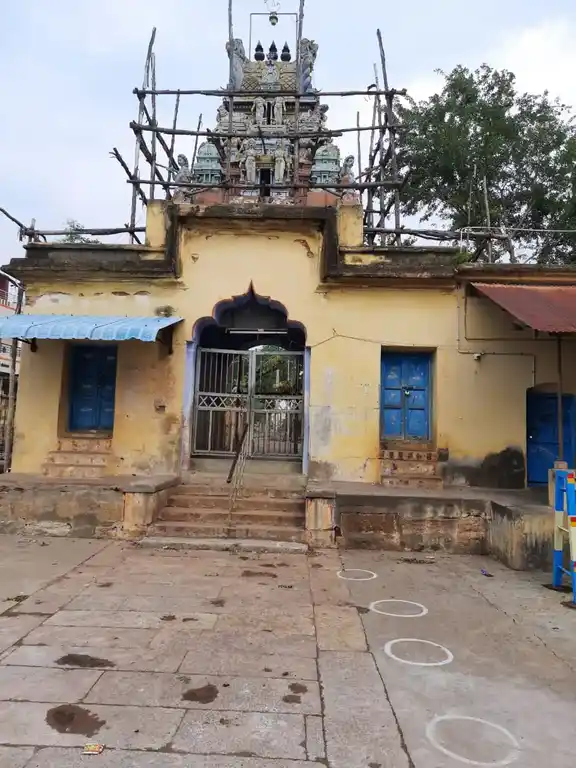
Musiri Chandramouleswarar Temple
Arulmigu Chanthiramauleeswarar Temple in Musiri is a traditional heritage shrine dedicated to Lord Chandramouleeswara, dating to the 19th century and recognized by the Tamil Nad…
Arulmigu Rathnagireeswarar Temple
Arulmigu Rathnagireeswarar Temple in Besant Nagar, Chennai, is an active Shiva shrine established in the 12th century and recognized as part of the Padal Petra Sthalams traditio…