


Kulittalai Kadambavaneswarar Temple
About Kulittalai Kadambavaneswarar Temple
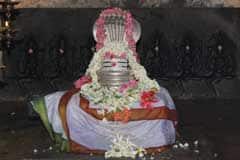
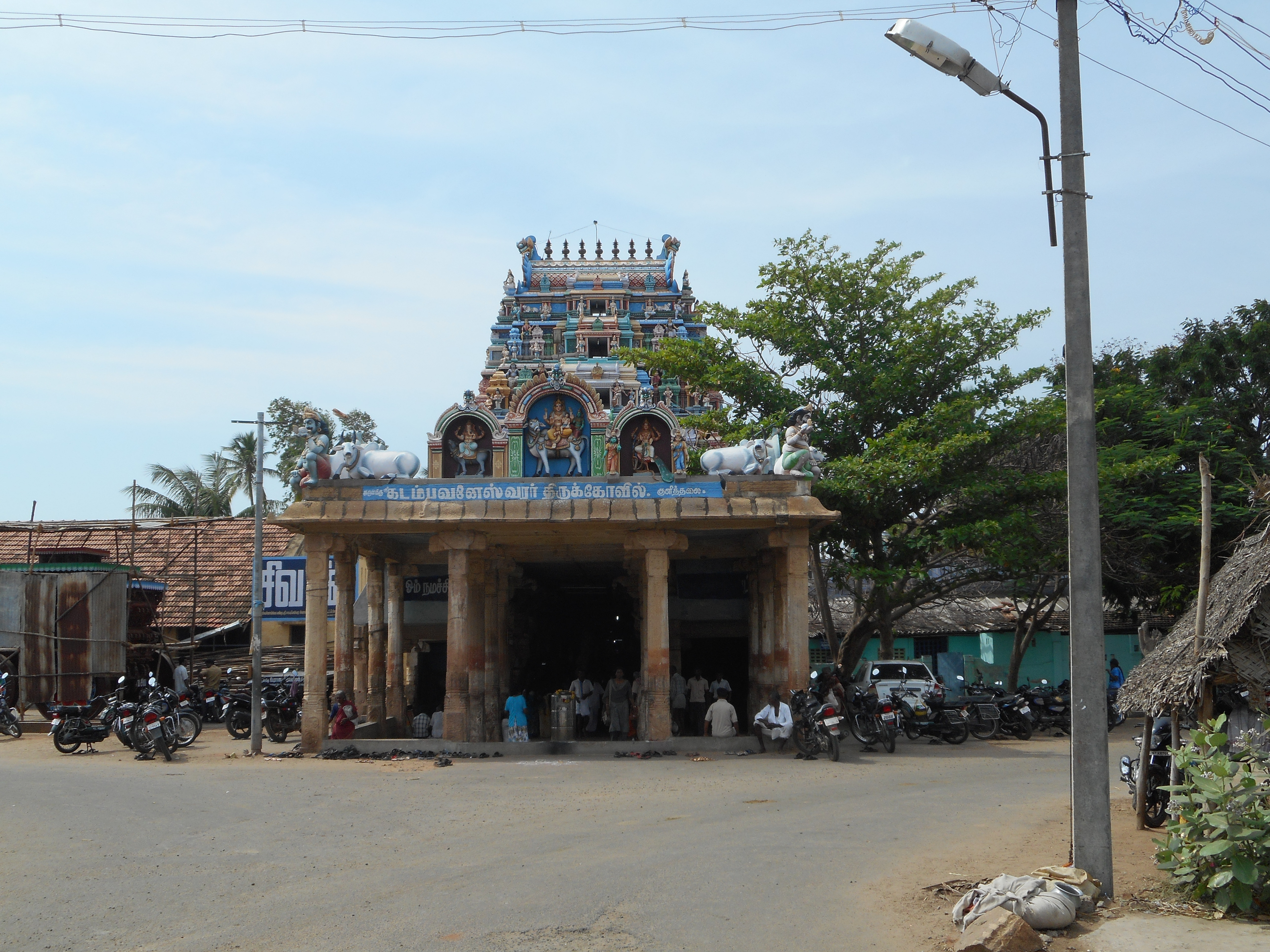
According to temple tradition, the site holds deep spiritual meaning rooted in a narrative of divine intervention and redemption. The story tells of celestial beings seeking protection from a powerful demon, leading to a confrontation in which seven divine maidens—the Saptha Kannikas—became inadvertently caught in a tragic misunderstanding. In their effort to locate the demon, they mistakenly eliminated a sage, incurring a grave spiritual debt. Through penance performed before Lord Shiva, they were granted darshan from within a kadamba tree, freeing them from this burden. This legend establishes the temple as a place of spiritual cleansing and divine grace, where the kadamba tree itself becomes a vessel of the deity's blessing.
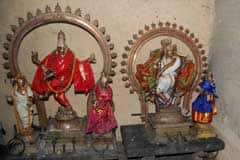
The temple is recognized as a Paadal Petra Sthalam—a shrine celebrated in the devotional hymns of the Saivite tradition—and carries the heritage of Tamil Saivite worship. Devotees particularly seek the blessings of Lord Muruga, worshipped here with his consorts Valli and Devanai, for relief from adverse planetary influences, especially those associated with Mars.
Daily Worship and Darshan
The temple opens for darshan from 06:00 to 13:00 and again from 17:00 to 21:00 daily. Throughout these hours, multiple ritual services are performed. The day begins with Thiruvanandhaal Pooja between 06:00 and 07:00, followed by Kalaichanthi Pooja from 08:30 to 09:30. The midday Uchikalam Pooja runs from 11:30 to midnight. In the evening, two Saayarakshai Poojas are conducted—the first from 05:00 to 06:00 and the second from 06:00 to 07:00—with Arthajama Pooja concluding the evening worship from 08:30 to 09:00. Visitors should note that timings may vary on festival days, and it is advisable to confirm with the temple office before travelling.
Major Festivals
The temple observes several significant festivals throughout the year. Masi Brahmotsavam, celebrated in February or March, is a major festival drawing devotees. Adipouram is observed over ten days, while Purattasi Navaratri marks the autumn season. Panguni Uthiram, falling in March or April, is another important occasion. Mondays during the Tamil month of Karthigai hold special significance; devotees undertake a pilgrimage visiting three Shivasthalams on these days—Kadambar Kovil in the morning, Tiruvaatpokki (Ratnagiri) at noon, and Tirueengoimalai in the evening—making these dates particularly auspicious for worship.
Visiting the Temple
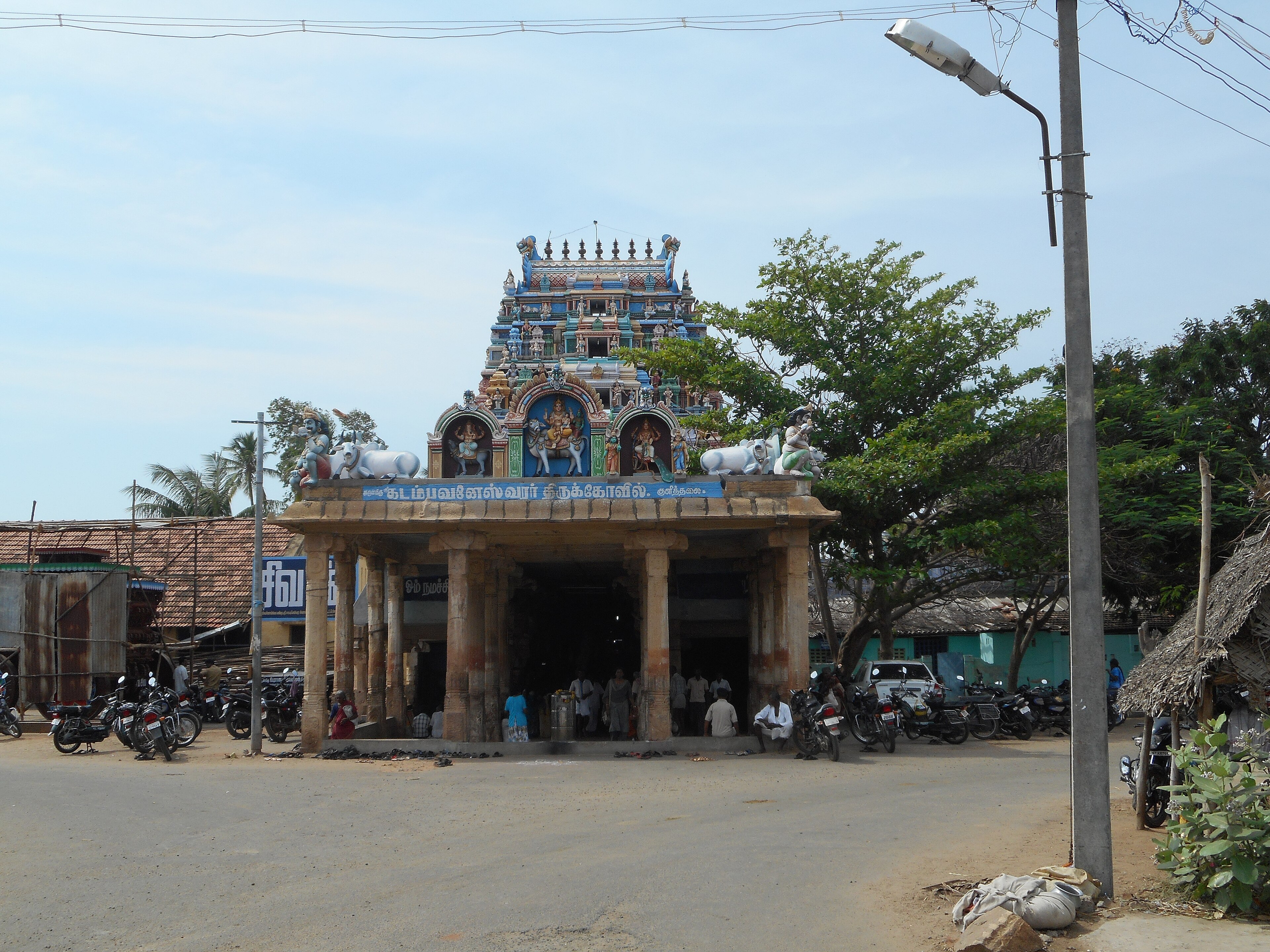
The temple is located at Kulithalai in Karur district, Tamil Nadu, at coordinates 10.943055555556°N, 78.417777777778°E. The temple office can be reached at +91-4323-225228 for inquiries regarding specific timings or ceremonies. Visitors should plan their visit according to the daily darshan schedule, keeping in mind that the temple closes between 13:00 and 17:00. As with most Hindu temples, modest dress is customary—covering shoulders and knees is respectful practice. Devotees typically remove footwear before entering the sanctum and maintain silence during active worship periods. The temple conducts various social activities including educational programs and charitable services, reflecting its role within the local community.
Temple Features and Facilities
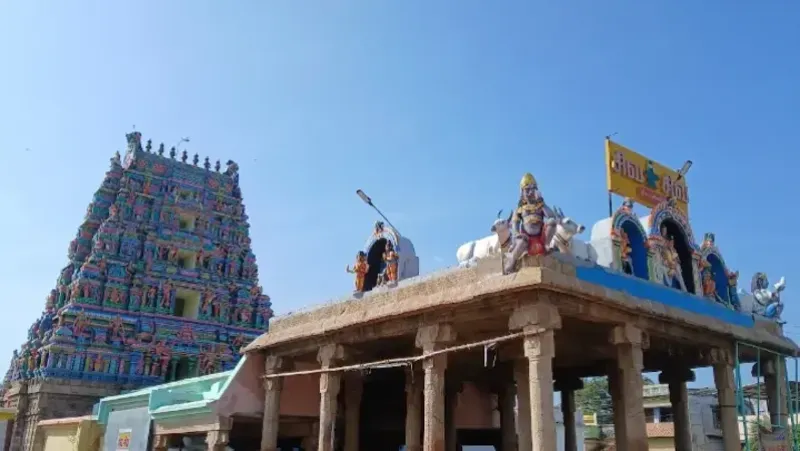
The temple's architecture reflects its age of 1000–2000 years, with a sanctum gopuram marking the central shrine. The kadamba tree remains a living symbol of the temple's spiritual heritage, and the Cauvery River's presence adds to the natural sanctity of the site. Beyond the main deity, the temple maintains multiple shrines and facilitates comprehensive worship through the Sodasha Upcharas (sixteen ritual offerings). Prasadham is distributed to devotees following worship. The temple also conducts various life-cycle ceremonies including marriage, ear-boring, and head-shaving rituals, as well as educational and charitable activities that serve the broader community.
How to reach
Temples near Kulittalai Kadambavaneswarar Temple
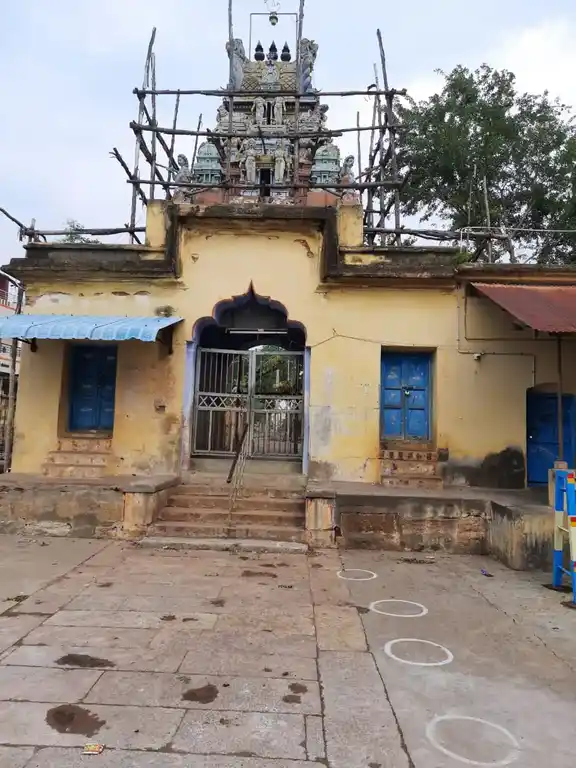
Musiri Chandramouleswarar Temple
Arulmigu Chanthiramauleeswarar Temple in Musiri is a traditional heritage shrine dedicated to Lord Chandramouleeswara, dating to the 19th century and recognized by the Tamil Nad…
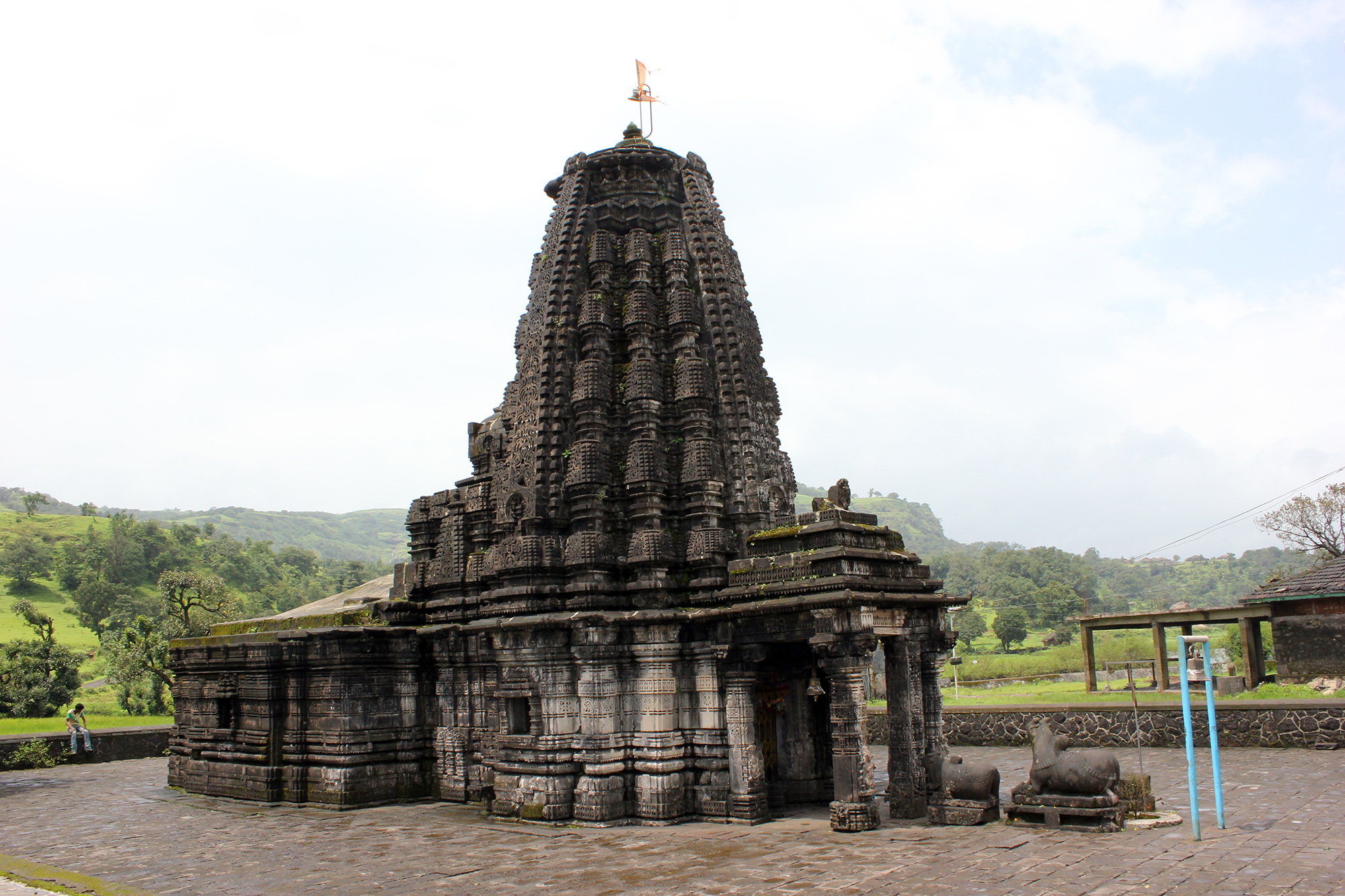
Thiruengoimalai Maragadachaleswarar Temple
Maragadachaleswarar Temple in Thiruengoimalai is an ancient Shiva shrine renowned for its emerald lingam, believed to have formed from a fragment of Mount Meru that fell during…
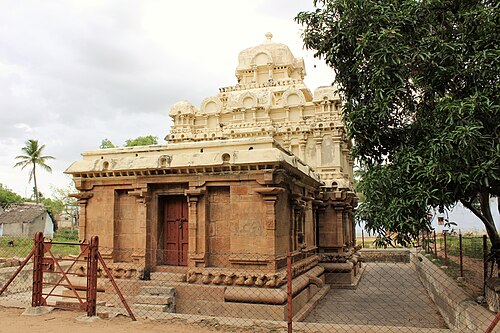
Srinivasanallur Koranganatha Temple
Koranganatha Temple in Srinivasanallur, near Tiruchirappalli, is an early Chola-era shrine dedicated to Lord Shiva, built during the reign of Parantaka I in the mid-10th century…
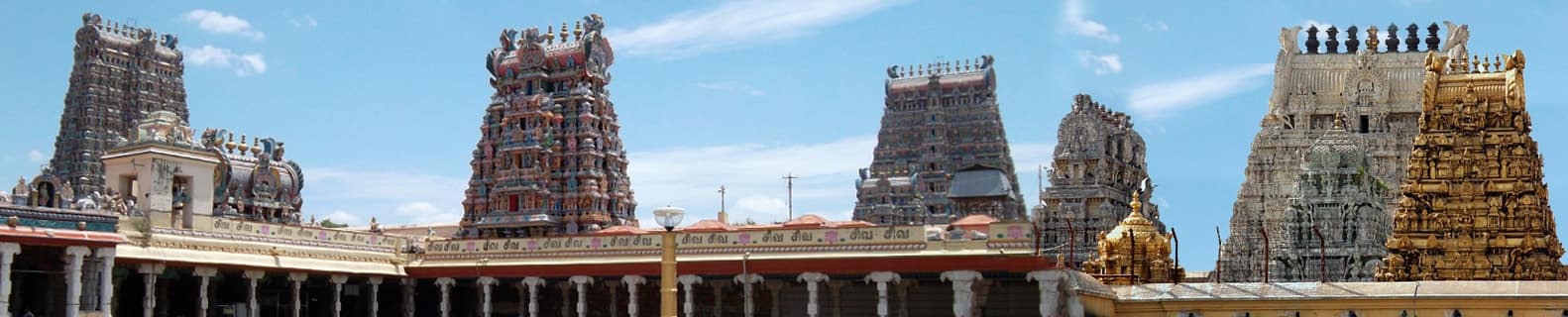
Arulmigu Rathnagireeswarar Temple
Arulmigu Rathnagireeswarar Temple in Besant Nagar, Chennai, is an active Shiva shrine established in the 12th century and recognized as part of the Padal Petra Sthalams traditio…
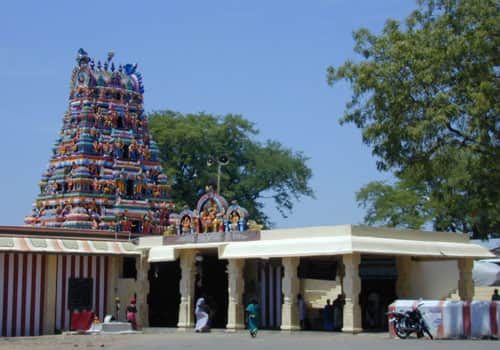
Madurakaliyamman Temple
Arulmigu Pidari Madurakaliyamman Temple is a Hindu shrine dedicated to Goddess Kali located in Murangaikalathur, Tiruchirappalli District, Tamil Nadu.
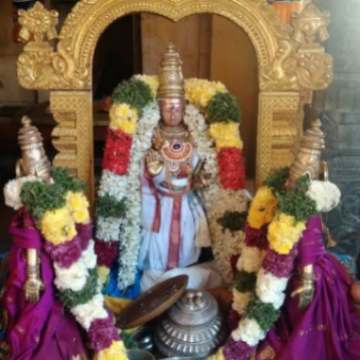
Vedanarayana perumal temple, Thirunarayanapuram
Vedanarayana Perumal Temple in Thirunarayanapuram, Tiruchirappalli District, is dedicated to Lord Vishnu in his reclining form with the four Vedas as his pillow, and Goddess Lak…