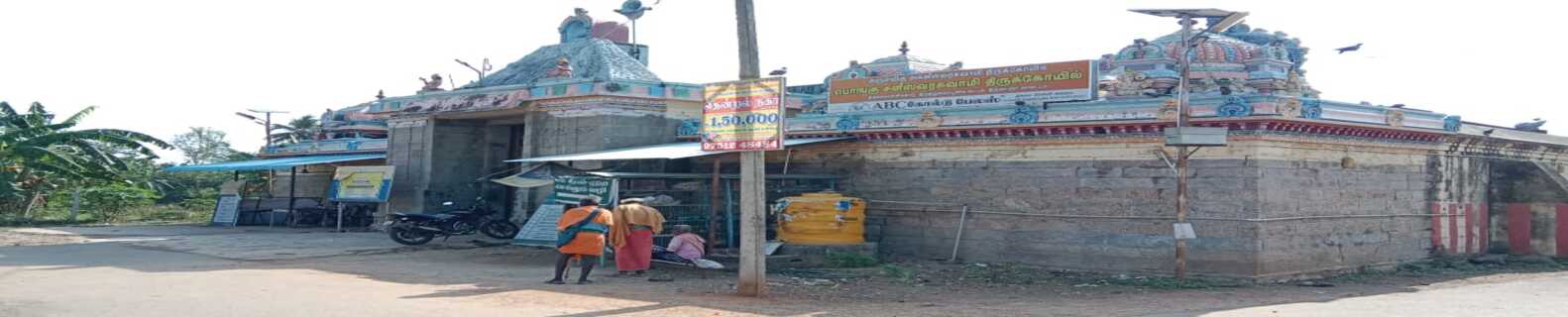
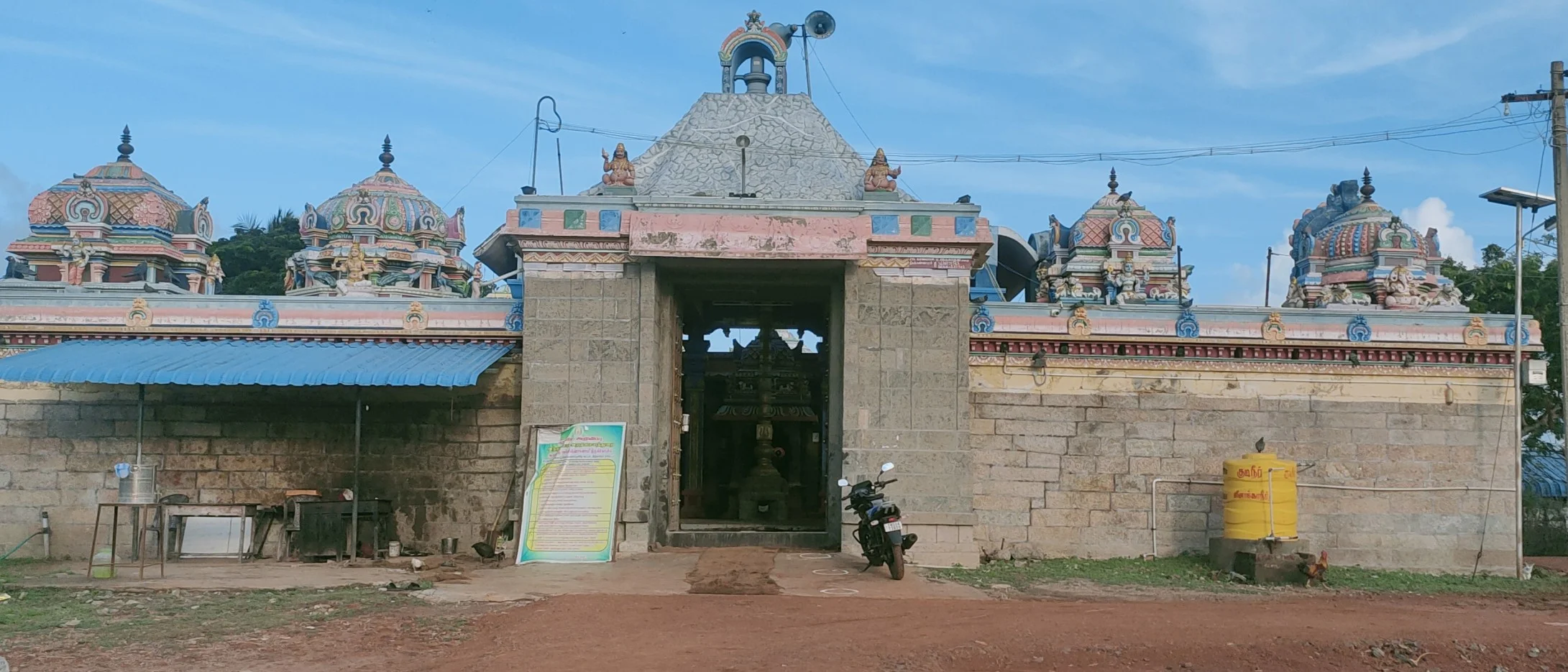

Tirukkollikkadu Agneeswarar Temple
About Tirukkollikkadu Agneeswarar Temple
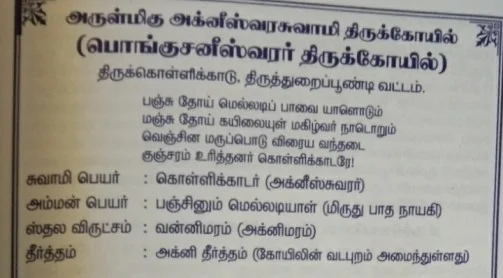
The temple was established in the 7th century, placing it among the older Shaivite sanctuaries of Tamil Nadu. The village itself carries the historical name Keeralathur. The temple's landscape includes ritual elements traditional to Hindu sacred spaces: the Agni Theertham, a sacred tank associated with purification, and a vanni tree designated as the sthala vruksham (sacred tree of the temple). These features are woven into the devotional practice and are believed to hold purificatory properties for those who engage with them.
Daily Worship and Ritual Pattern
The temple operates on a structured daily schedule divided into morning and evening sessions. Morning darshan runs from 8:00 a.m. to 12:30 p.m., while evening hours extend from 4:30 p.m. to 7:30 p.m. Two principal ritual services frame the day: the Pushpa Alankara Pooja (flower decoration worship) during morning hours, and the Visvaroopa Pooja in the evening. These rituals follow the Shaivite tradition of honoring the deity through daily adornment and ceremonial worship, creating a rhythm of devotional activity that structures the temple's spiritual life.
Devotees typically time their visits to coincide with these ritual periods, when the sanctum is most actively engaged in worship. The temple's administration and ritual specialists maintain these schedules consistently, allowing visitors to plan their darshan accordingly.
Auspicious Occasions for Worship
Certain dates and periods draw heightened devotional focus. Saturdays hold particular significance given the temple's association with Saturn worship. Shani Peyarchi—the transit of Saturn through the zodiac—marks occasions when devotees gather specifically to seek Saturn's blessings and protection from its perceived malefic influences. Mahashivaratri, the annual festival honoring Shiva, is observed with intensified ritual activity. Monthly Pradosham evenings, the twilight hours falling on specific lunar dates, are considered especially auspicious at Shiva temples and attract devotees seeking spiritual benefit. These occasions align with the broader Hindu liturgical calendar and offer visitors the opportunity to experience the temple during periods of heightened communal worship.
Visiting the Temple: Practical Information
The temple is located on Sivan Kovil Street in Tirukkollikkadu village, within Tiruvarur District. Visitors should plan to arrive during posted hours: morning darshan between 8:00 a.m. and 12:30 p.m., or evening darshan from 4:30 p.m. to 7:30 p.m. As is customary at Hindu temples, modest dress is expected, and footwear should be removed before entering the sanctum. Photography policies may vary; it is respectful to inquire before photographing within the temple precincts.
The temple is administered under the Hindu Religious and Charitable Endowments Department of the Tamil Nadu government, ensuring consistent maintenance and adherence to traditional practices. Visitors seeking specific information about donations, ritual participation, or special pujas may contact the temple administration directly.
Location and Access
Tirukkollikkadu is situated in Tiruvarur District, Tamil Nadu, at coordinates 10.642777777778°N, 79.603611111111°E. The postal code is 610205. The village is accessible by road from nearby towns within the district. Visitors traveling from Chennai or other major centers should plan their journey to arrive during temple hours, accounting for local traffic and road conditions typical of rural Tamil Nadu.
How to reach


Temples near Tirukkollikkadu Agneeswarar Temple
Thiruthangur Vellimalainathar Temple
Thiruthangur Vellimalainathar Temple is an ancient Shaiva shrine dedicated to Lord Shiva in his manifestation as Vellimalainathar, located on the southern bank of the Cauvery Ri…
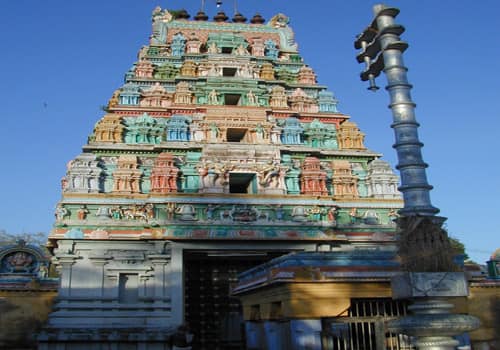
Tirunellikka Nellivananathar Temple
Tirunellikka Nellivananathar Temple is a Shiva temple in Tiruvarur district, Tamil Nadu, where the deity manifests as Nellivananathar and is worshipped alongside his consort Man…

Kottur Kozhundeeswarar Temple
Kottur Kozhundeeswarar Temple is an ancient Shiva shrine in Tiruvarur district, Tamil Nadu, celebrated in the Thevaram hymns of Saint Tirugnana Sambandar and revered as one of t…
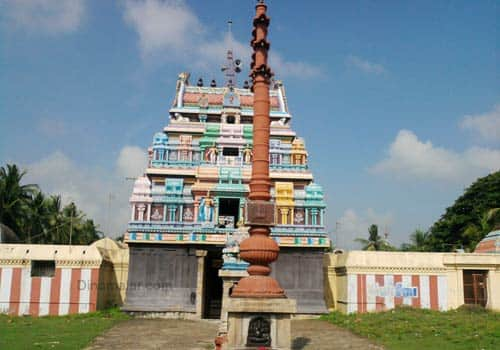
Kaichinam Kaichineswarar Temple
Kaichinam Kaichineswarar Temple is an ancient Shiva shrine in Tiruvarur district, Tamil Nadu, where the deity manifests as Kaichineswarar with his consort Parvati known as Palva…
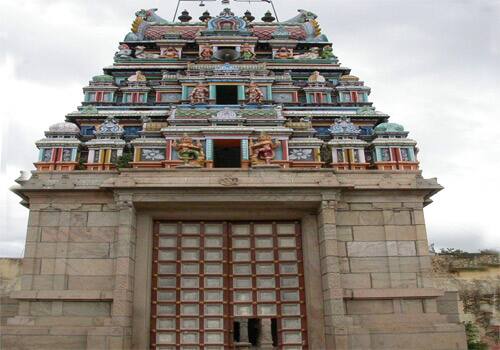
Vandurai Nathar Temple
Vandurai Nathar Temple is an ancient Shaiva shrine located at Cherivadi Vaikal in Tiruvarur district, Tamil Nadu, dedicated to Lord Shiva and recognized as one of the 275 Paadal…
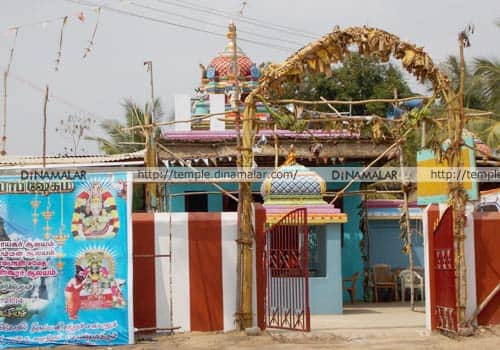
Thenmarudhur Agastheeswarar Temple
Thenmarudhur Agastheeswarar Temple is a Hindu shrine dedicated to Lord Shiva, located in Tamil Nadu, India.