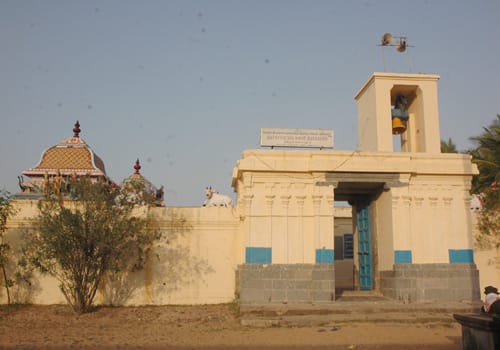
Tiruchopuram Mangalapureeswarar Temple
About Tiruchopuram Mangalapureeswarar Temple
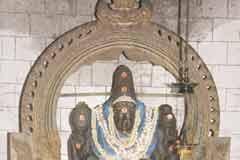
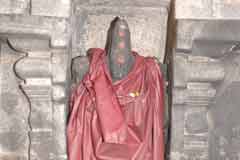
The Linga at this temple takes an unusual form: it manifests as sand (Chopuranathar) seated upon a square base. A small spherical protrusion at the crown of the Linga is understood to represent the River Ganga. The presence of Sage Agasthya's palm prints on the deity marks it as a site of particular spiritual significance within the temple's theology.
A notable practice distinguishes worship here from many other Shiva temples. Devotees offer turmeric and kumkum (vermillion) to the Mangalapureeswarar Linga itself, rather than reserving these materials exclusively for the goddess shrine. This custom arose from the belief that the divine feminine principle merged with the Linga during Sage Agasthya's installation, conferring upon the Lord the name Mangalapureeswarar—the auspicious one. Those seeking blessings for marriage arrangements or relief from health difficulties commonly make such offerings as part of their prayers.
Dakshinamurthy and the Musical Tradition
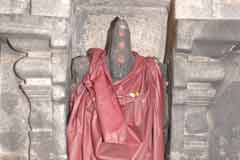
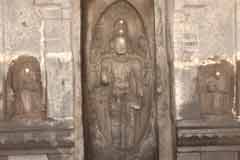
Within the temple's corridors stands an image of Dakshinamurthy, the form of Shiva as cosmic teacher. This particular representation departs from conventional iconography in several ways. Rather than holding a veena (stringed instrument) as is typical in many temples, this Dakshinamurthy embodies music itself. When the idol is gently tapped, it produces the sounds of the seven musical notes—the sapthaswaras—a phenomenon that has drawn students of classical music to perform special worship here seeking excellence in their art.
The idol also reverses the standard arrangement of ritual implements: the serpent and torch are positioned opposite to their conventional placement. These distinctive features have established the shrine as a destination for musicians and those devoted to the pursuit of musical knowledge.
Festivals and Sacred Seasons
The temple observes several significant festivals throughout the year. Maha Shivaratri, celebrated in February or March, draws devotees to honour Shiva during the night dedicated to his worship. Tirukarthikai, observed in November or December, marks another major occasion. Panguni Uthiram, falling in March or April, is celebrated with an annabishekam—a ritual bathing of the deity with cooked rice and other auspicious substances.
These festivals represent the principal occasions when the temple receives heightened devotional activity, though daily worship continues throughout the year according to the temple's regular schedule.
Visiting the Temple: Practical Information
The temple opens for darshan (viewing of the deity) during two periods: morning hours from 8:30 to 11:00 a.m., and evening hours from 5:30 to 8:00 p.m. Visitors should plan their visit within these windows. The temple is located at Sri Mangalapureeswarar (Chopuranathar) Temple, Tiruchopuram, Thyagavalli, Cuddalore district, postal code 608 801.
Contact numbers are available for inquiries: +91-9245113456 and 97905 24054. Visitors should observe standard temple etiquette: remove footwear before entering the sanctum, dress modestly, and maintain respectful conduct during worship. The temple complex includes shrines dedicated to Subramaniya, Gajalakshmi, Bhairavar, the nine planets (Navagrahas), and other deities within its corridors.
Reaching Tiruchopuram
Tiruchopuram lies approximately 18 kilometres from Cuddalore town along the route toward Chidambaram, and roughly 22 kilometres from Chidambaram itself. Travellers from Cuddalore should turn left near Aalappakkam railway station, cross the railway line, and continue for about 2 kilometres to reach Thyagavalli village where the temple stands. The location is accessible by road, making it reachable for those travelling through the Cuddalore district.
How to reach
Temples near Tiruchopuram Mangalapureeswarar Temple
Tirttanakiri Sivakozhundeesvarar Temple
An ancient Paadal Petra Shiva temple on the banks of Perumal Lake in Theerthanagiri, Cuddalore, housing a self-manifested lingam beneath a Kondrai tree and revered for its heali…

Pataleeswarar Temple
Pataleeswarar Temple in Thirupathiripuliyur, Cuddalore, is an ancient Shiva shrine built during the Pallava and Medieval Chola periods, revered by Tamil saint-poets Appar and Sa…
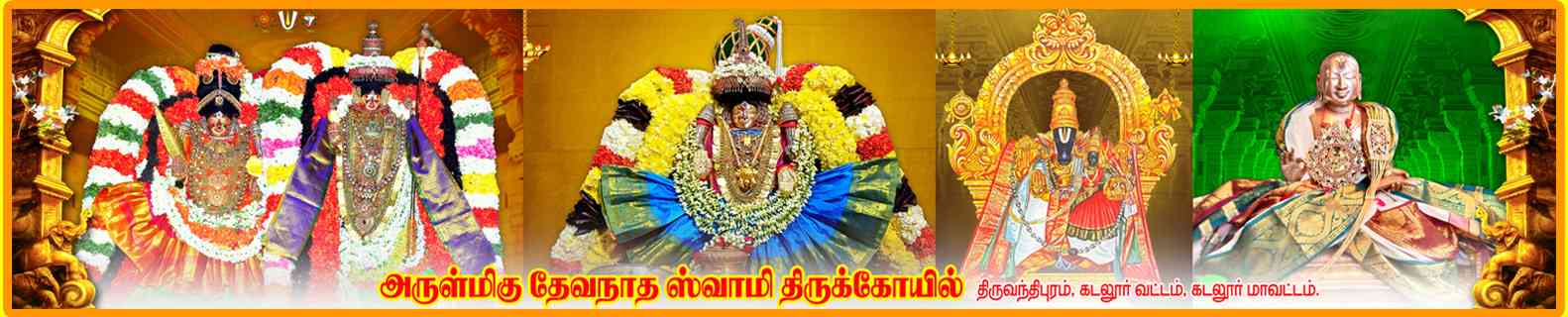
Thiruvanthipuram temple
Devanatha Hemabhujavalli Temple in Thiruvanthipuram, Cuddalore, is one of the 108 Divya Desams dedicated to Vishnu and renowned for its hilltop shrine of Hayagriva, the ninth av…
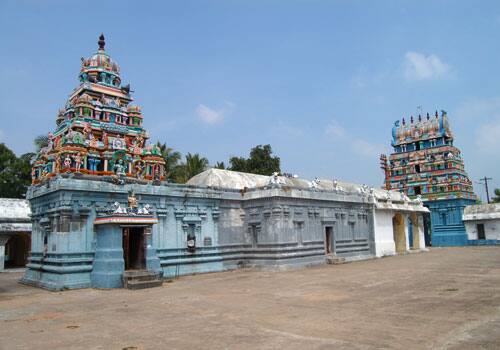
Parangippet Adi Muleshwarar Temple
Sri Aadhimooleswarar Temple in Parangipettai is an ancient Shiva shrine historically known as Varuna Kshetram, notable for its unique worship of Chitragupta alongside Lord Shiva…
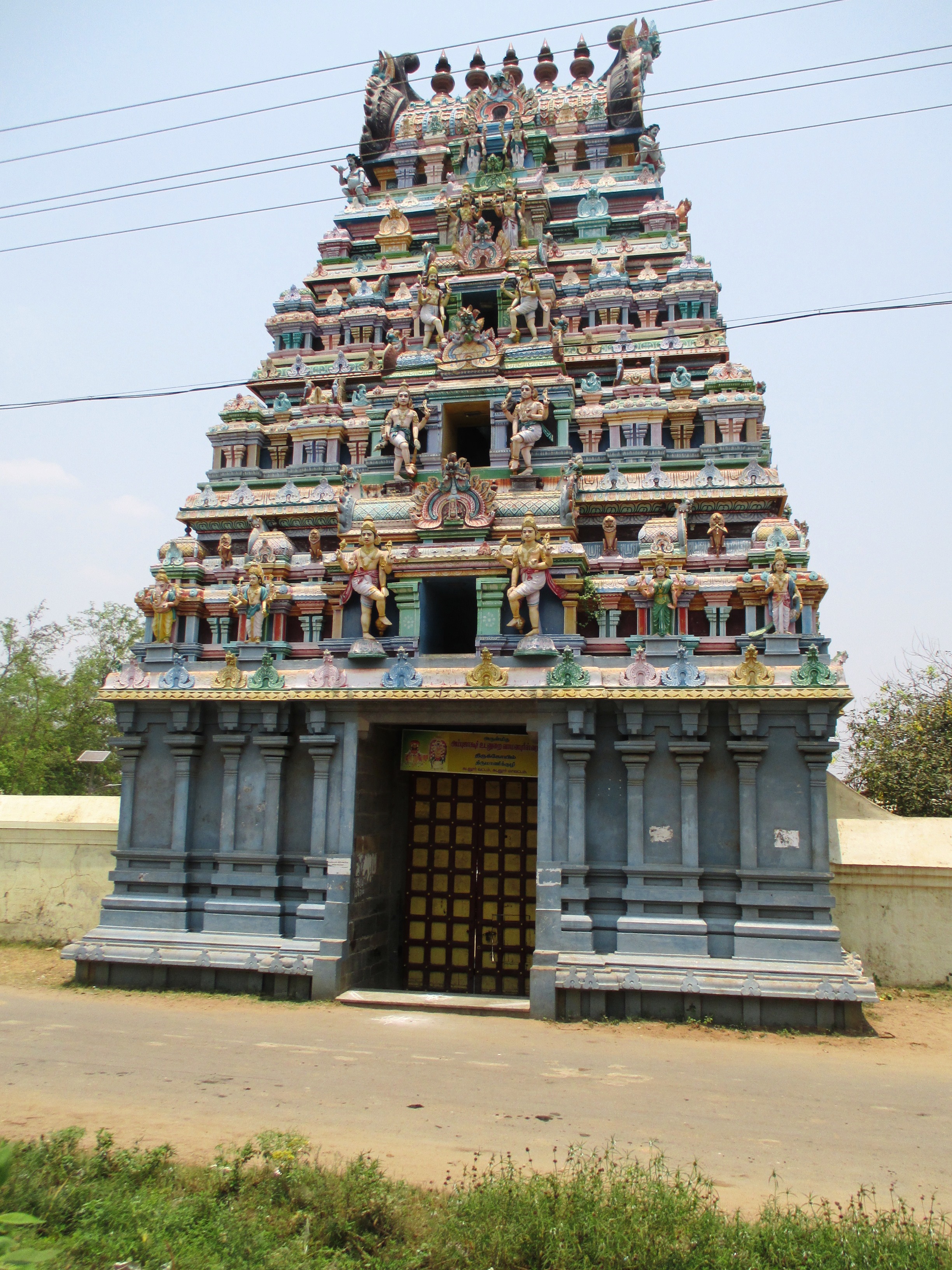
Vamaneeswarar temple
Vamaneeswarar Temple is a 7th-century Shiva shrine on the banks of the Kedilam river in Thirumanikuzhi, Cuddalore district, revered in the Tevaram hymns as one of the Paadal Pet…
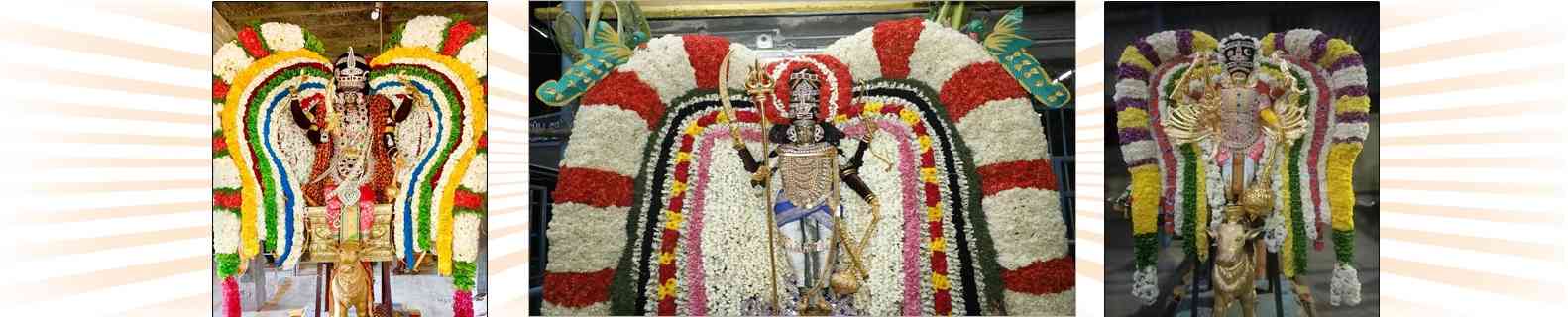
Varakalpattu Pathirakaliyamman Udanura Veerabhadra Swami Temple
Varakalpattu Pathirakaliyamman Udanura Veerabhadra Swami Temple is a Hindu shrine dedicated to Veerabhadra Swami, an aspect of Lord Shiva, located in Varakalpattu Gram Panchayat…