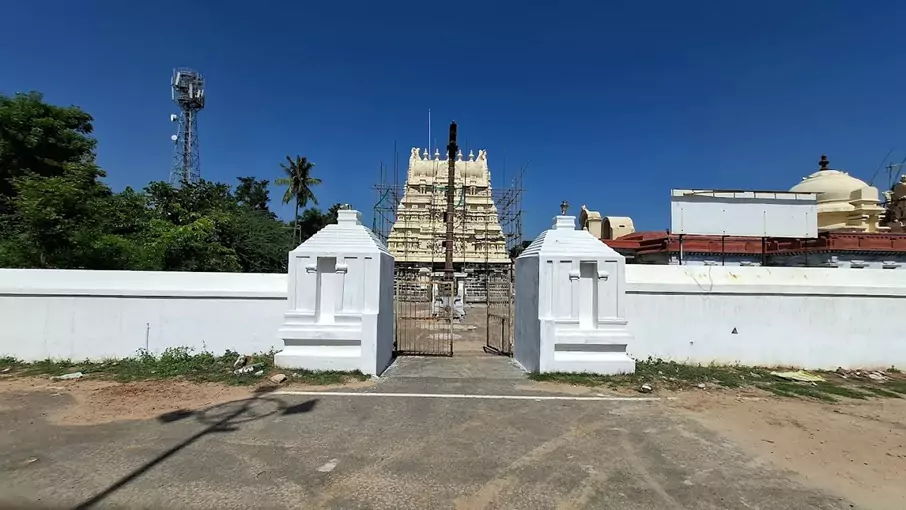
Tirttanakiri Sivakozhundeesvarar Temple
About Tirttanakiri Sivakozhundeesvarar Temple
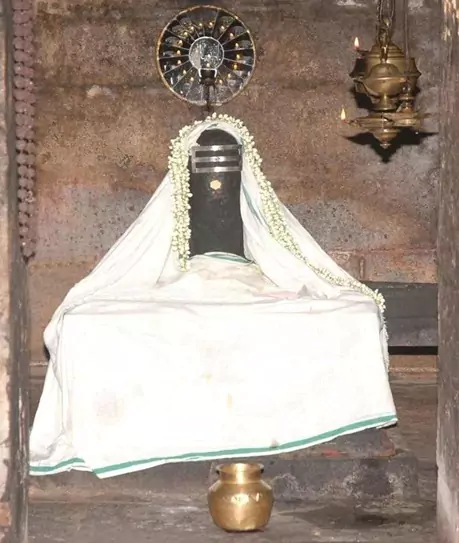
According to local memory preserved at the temple, the site's sacredness originates in an encounter between Shiva and a farmer couple named Periyan and his wife. The couple maintained a daily practice of offering food to Shiva devotees who passed through their lands. On a day when no visitors arrived, an elderly stranger appeared and offered to work their field. When the couple returned with a meal, they discovered the stranger had completed an entire cycle of labour—ploughing, sowing millet, and harvesting—and was resting beneath a Kondrai tree, consuming grain. The stranger then revealed himself as Shiva and remained at the location as the Swayambhu Lingam, blessing the couple and consecrating the place as sacred. This narrative, preserved in local tradition, emphasizes the temple not as a human construction but as a location where the divine chose to manifest and dwell.
Darshan and Daily Worship
The temple opens for darshan in two sessions: morning from 06:00 to 12:00 and evening from 16:00 to 20:00, following the pattern common to many Tamil Nadu temples that close during midday hours. Visitors should confirm exact timings locally before travelling, as festival days and seasonal variations may alter the standard schedule. Darshan—the act of viewing and being in the presence of the deity—forms the core of worship. Visitors typically proceed through the temple's courtyards toward the inner sanctum where the lingam is housed. Some inner sanctums admit Hindu devotees only, though outer courtyards and towers generally welcome visitors of all backgrounds. Photography policies vary; it is courteous to ask temple staff before taking images, particularly inside the sanctum or other restricted areas.
Festivals and Astronomical Significance
The temple observes several major festivals throughout the year. Vaikasi Brahmotsavam, celebrated in May–June, marks a significant festival period with special rituals and processions. Maha Shivaratri, observed in February–March, draws devotees for intensified worship of Shiva. The Panguni period (March–April) holds particular importance due to a solar alignment that occurs at the temple during this season, offering a unique astronomical event that pilgrims time their visits to witness. These festivals and auspicious periods provide natural focal points for planning a pilgrimage.
Visiting Practicalities
Visitors should dress modestly, with shoulders and knees covered, as is customary at Hindu temples. Footwear should be left at the stands provided near the entrance. Most Tamil Nadu temples follow similar protocols, and this temple is no exception. Since timings and customs can shift during festivals and on particular days, it is wise to verify details locally before travelling. The temple is located at coordinates 11.56918, 79.67739 in Theerthanagiri village. Nearby towns include Cuddalore and Pondicherry, which offer accommodation options; pilgrimage towns tend to fill quickly on festival days, so advance booking is advisable during major observances.
Paadal Petra Sthalam Status
The temple's inclusion among the Paadal Petra Sthalams connects it to a centuries-old tradition of sacred geography in Tamil Shaivism. These 275 temples were celebrated in devotional hymns by the Nayanmar saints, whose poetry shaped Tamil religious practice and pilgrimage patterns. This status reflects the temple's enduring significance within the broader landscape of Shiva worship in Tamil Nadu and marks it as a destination for those following traditional pilgrimage routes.
How to reach

Temples near Tirttanakiri Sivakozhundeesvarar Temple
Tiruchopuram Mangalapureeswarar Temple
Tiruchopuram Mangalapureeswarar Temple is a Shiva temple in Cuddalore district, Tamil Nadu, where the presiding deity is worshipped as Mangalapureeswarar with his consort Thyaga…
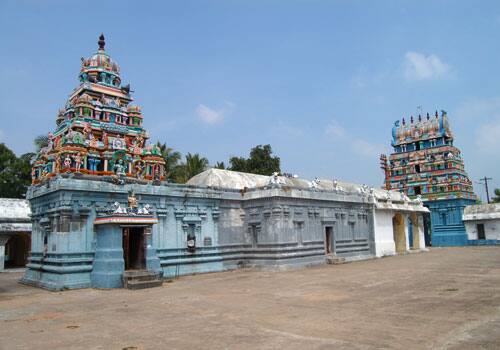
Parangippet Adi Muleshwarar Temple
Sri Aadhimooleswarar Temple in Parangipettai is an ancient Shiva shrine historically known as Varuna Kshetram, notable for its unique worship of Chitragupta alongside Lord Shiva…
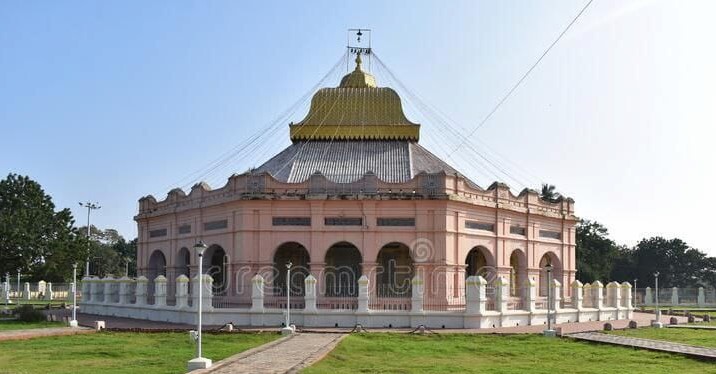
Satyagnana Sabha, Vadalur
Satyagnana Sabha is an octagonal hall of wisdom constructed in 1872 by saint Sri Raamalinga Swamigal (Vallalar) in Vadalur, Tamil Nadu, serving as a center for spiritual knowled…
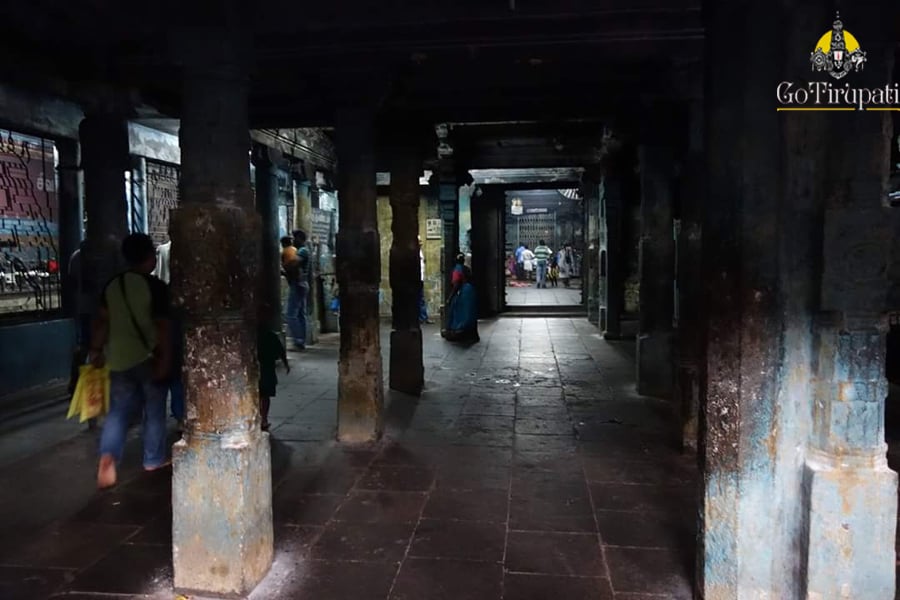
Sirkazhi Vidaneswarar Temple
Sirkazhi Vidaneswarar Temple is a Shiva temple located in Keezhachavadi, Tamil Nadu, dedicated to Lord Vaidyanathar with his consort Thaiyanayaki. The temple holds historical si…

Chidambaram Atmanatha Swamy Temple
The Chidambaram Nataraja Temple is an ancient Shiva shrine in Tamil Nadu's temple town of Chidambaram, uniquely classified as both a Pancha Sabha Thalam and Pancha Bhuta Thalam.…
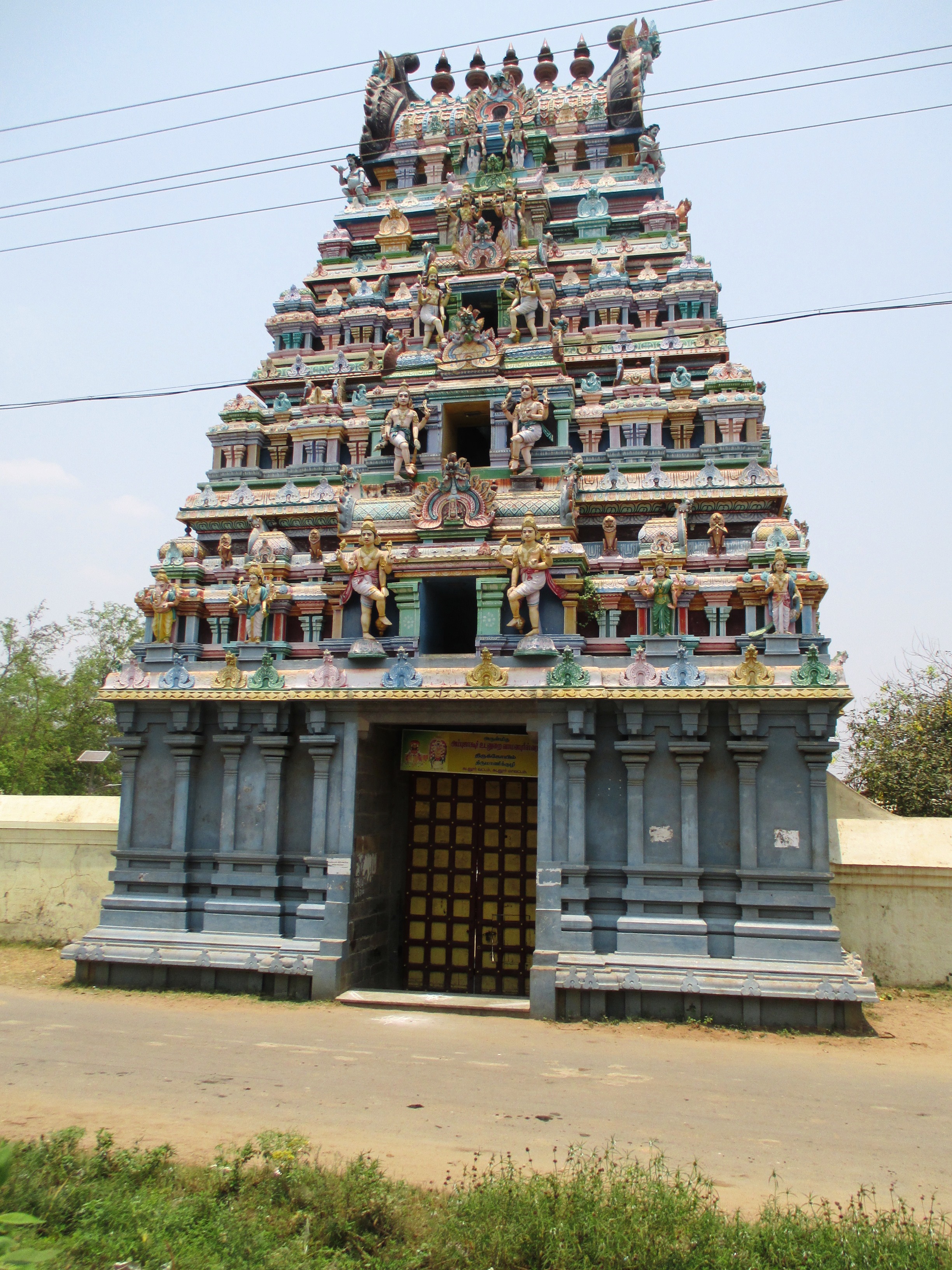
Vamaneeswarar temple
Vamaneeswarar Temple is a 7th-century Shiva shrine on the banks of the Kedilam river in Thirumanikuzhi, Cuddalore district, revered in the Tevaram hymns as one of the Paadal Pet…