

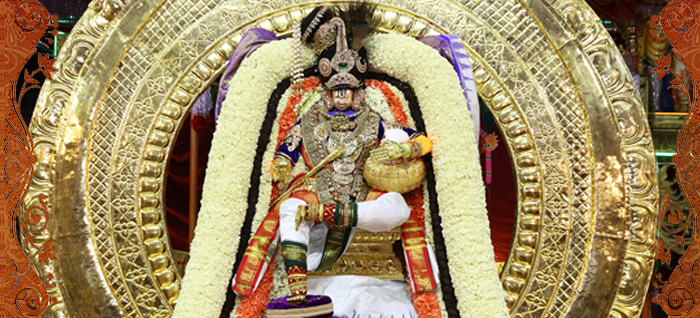
Tirta Pingit Temple
About Tirta Pingit Temple
The temple follows a structured daily schedule of rituals that begin well before dawn. The Suprabhatam seva, performed between 2:30 AM and 3:00 AM, marks the start of the day's worship with devotional singing. This is followed by the Thomala Seva from 3:00 to 3:30 AM and the Archana from 3:30 to 4:00 AM. These early morning rituals are part of the traditional worship cycle observed in temples of this tradition.
Throughout the day, several significant sevas take place. The Kalyanotsavam runs from 9:00 to 10:00 AM, followed by the Dolotsavam from 10:00 to 10:30 AM. In the evening, the Unjal Seva occurs between 6:00 PM and 7:00 PM. Pilgrims may participate in these sevas through advance booking arrangements, which allow devotees to sponsor specific rituals as an act of worship and merit.
Visiting the Temple: Timings and Facilities
Darshan is available from 4:00 AM until 9:00 PM daily, with the afternoon break from 1:00 PM to 2:00 PM when the temple is closed to visitors. The temple offers several darshan options to accommodate different needs and preferences. Standard Sarvadarshan is available throughout operating hours, while special entry darshan and other categories exist for those with specific requirements, including provisions for the elderly and physically disabled.
The temple administration manages darshan through a ticketing system to regulate the flow of pilgrims. Advance booking for both darshan and sevas is available through the official Tirumala Tirupati Devasthanams website and services. Accommodation is provided at Tirumala for pilgrims, with advance reservations recommended, particularly during peak visiting seasons. The temple also provides Anna Prasadam—sanctified food offerings—as part of its pilgrim services.
Best Times to Visit
The period from September through February offers the most comfortable visiting conditions, with cooler weather making the pilgrimage more manageable. During the Brahmotsavam festival week, queues tend to be significantly longer, so visitors seeking shorter waiting times may prefer to plan their visit outside this period. However, those wishing to experience the festival celebrations should plan accordingly, as this is a major observance at the temple.
Visiting during weekdays rather than weekends typically results in shorter queues. Early morning hours, particularly before 8:00 AM, generally see lighter crowds than midday periods.
Dress Code and Conduct
Visitors should dress modestly when entering the temple. Traditional practice at temples of this tradition typically requires men to remove their shirts and wear a dhoti or lungi, while women should wear sarees or other traditional attire that covers the shoulders and legs. However, specific dress requirements may vary, and visitors should check current guidelines through the official temple website or contact the administration directly.
Footwear must be removed before entering the inner sanctum. Photography policies vary in different areas of the temple, and visitors should observe any posted restrictions. The temple administration provides detailed guidelines on conduct and etiquette on its official website.
How to Reach Tirumala
Tirupati serves as the main access point for reaching Tirumala. The town is well-connected by rail and road, with regular train services and bus routes from major cities in South India. From Tirupati, visitors can reach Tirumala by road—a journey of approximately 14 kilometers—or on foot. The Tirumala Tirupati Devasthanams operates free bus services between Tirupati and Tirumala for pilgrims, making the journey accessible to visitors of varying means.
The temple's official website and the Tirumala Tirupati Devasthanams provide detailed travel information, including current transport options, accommodation booking, and advance seva reservations. Pilgrims are advised to check these resources before planning their visit to ensure they have current information about services and facilities.
How to reach
Temples near Tirta Pingit Temple
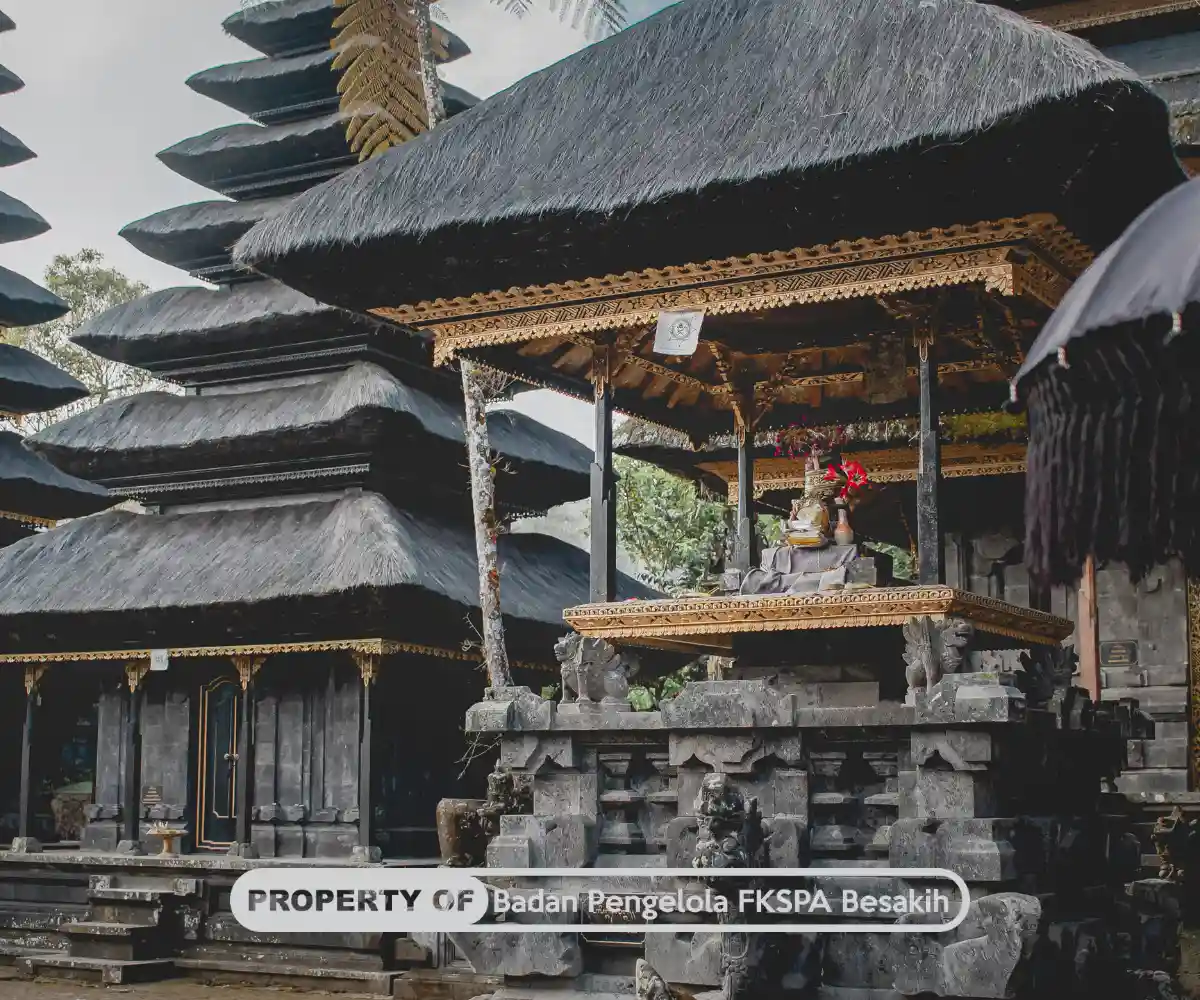
Pura Batu Madeg
Pura Batu Madeg is one of the four directional temples (Catur Loka Pala) within the Pura Agung Besakih complex in Bali, dedicated to Lord Vishnu and housing a megalithic stone b…
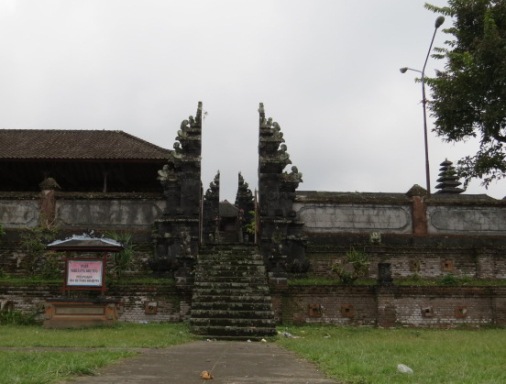
Pura Kiduling Kreteg
Pura Kiduling Kreteg is a Hindu temple dedicated to Brahma, the Creator God, nestled within the sacred Besakih Temple complex in Bali. Distinguished by striking red banners, it…
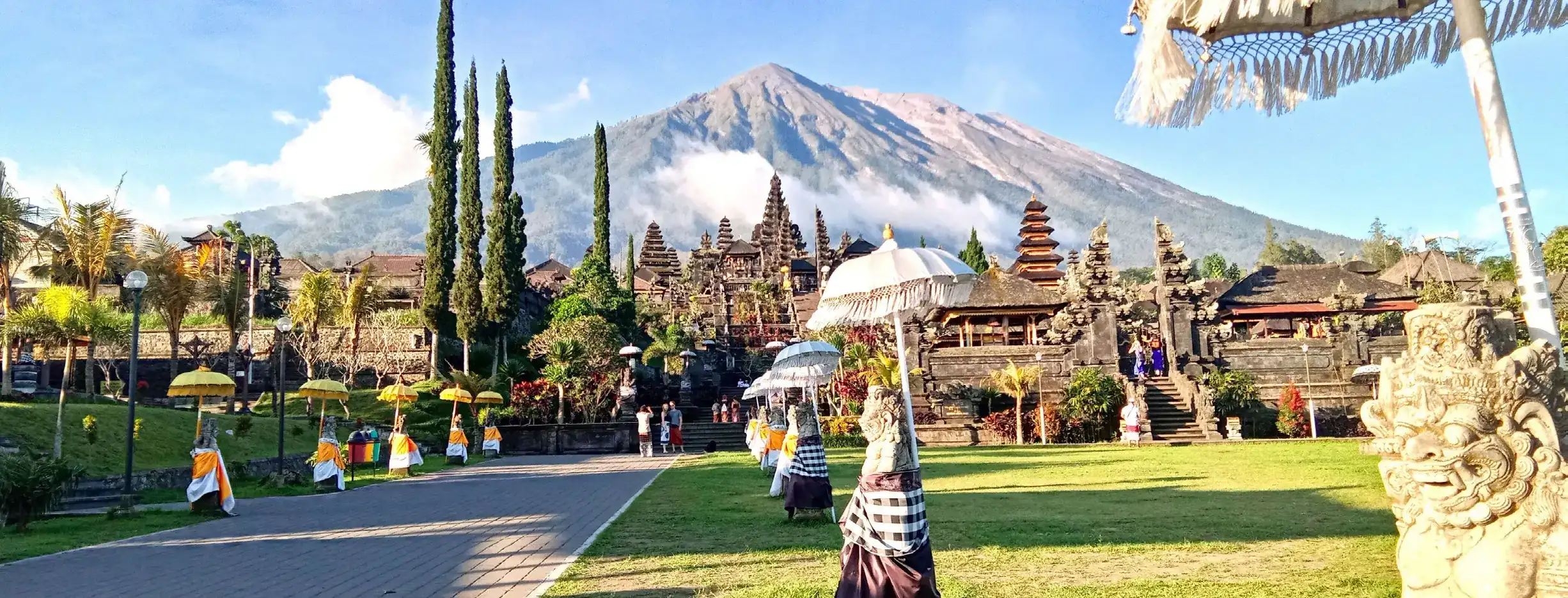
Pura Penataran Agung Besakih
Pura Penataran Agung Besakih is the central sanctuary of Bali's largest and holiest Hindu temple complex, situated on the slopes of Mount Agung at 1,000 meters elevation. This m…
Pura Besakih
Pura Besakih is the holiest and largest temple complex of Balinese Hinduism, perched nearly 1,000 meters on Mount Agung's slopes. This sacred sanctuary of 26 interconnected temp…
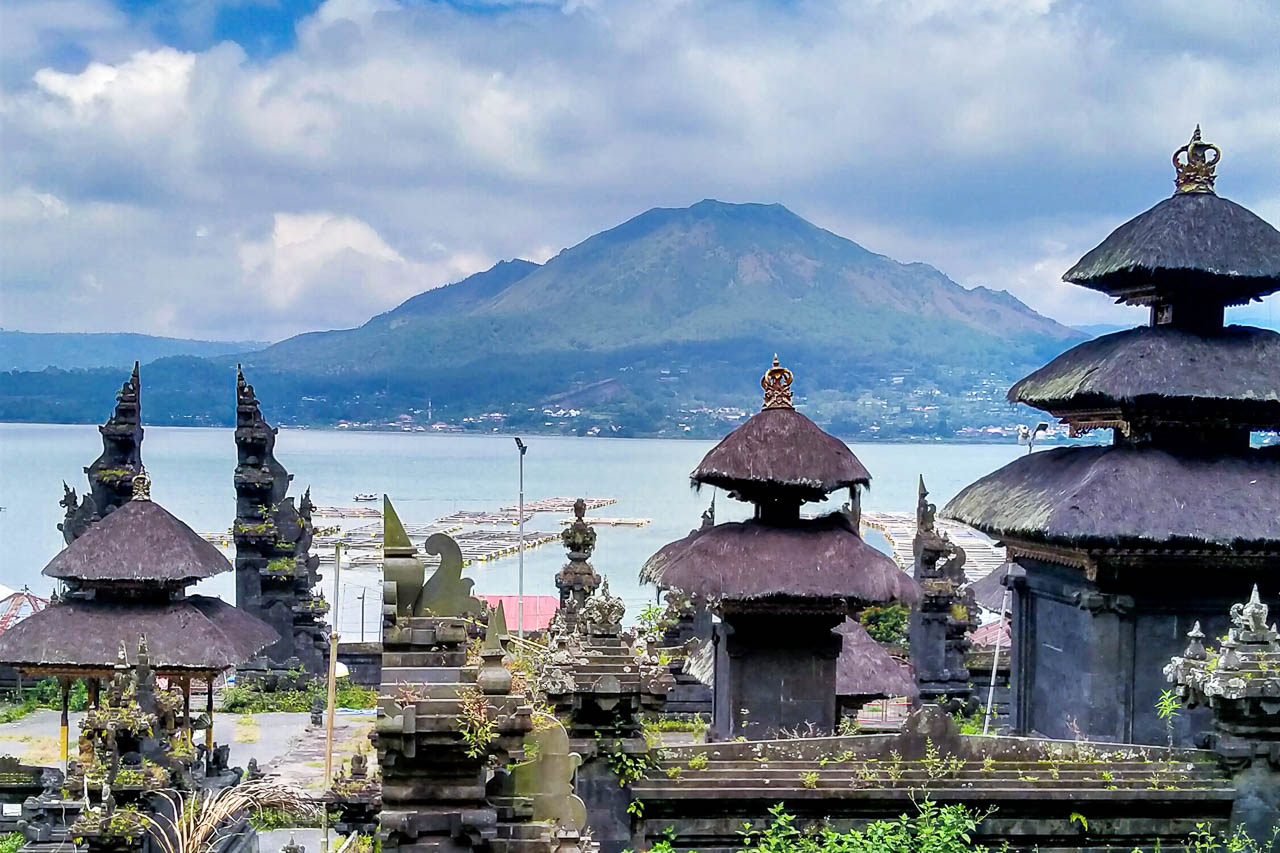
Pura Ratu Sakti Pancering Jagat Trunyan
Pura Ratu Sakti Pancering Jagat in Trunyan is an ancient megalithic temple on Lake Batur's eastern shore, housing a sacred six-meter stone statue of Bhatara Da Tonta believed to…
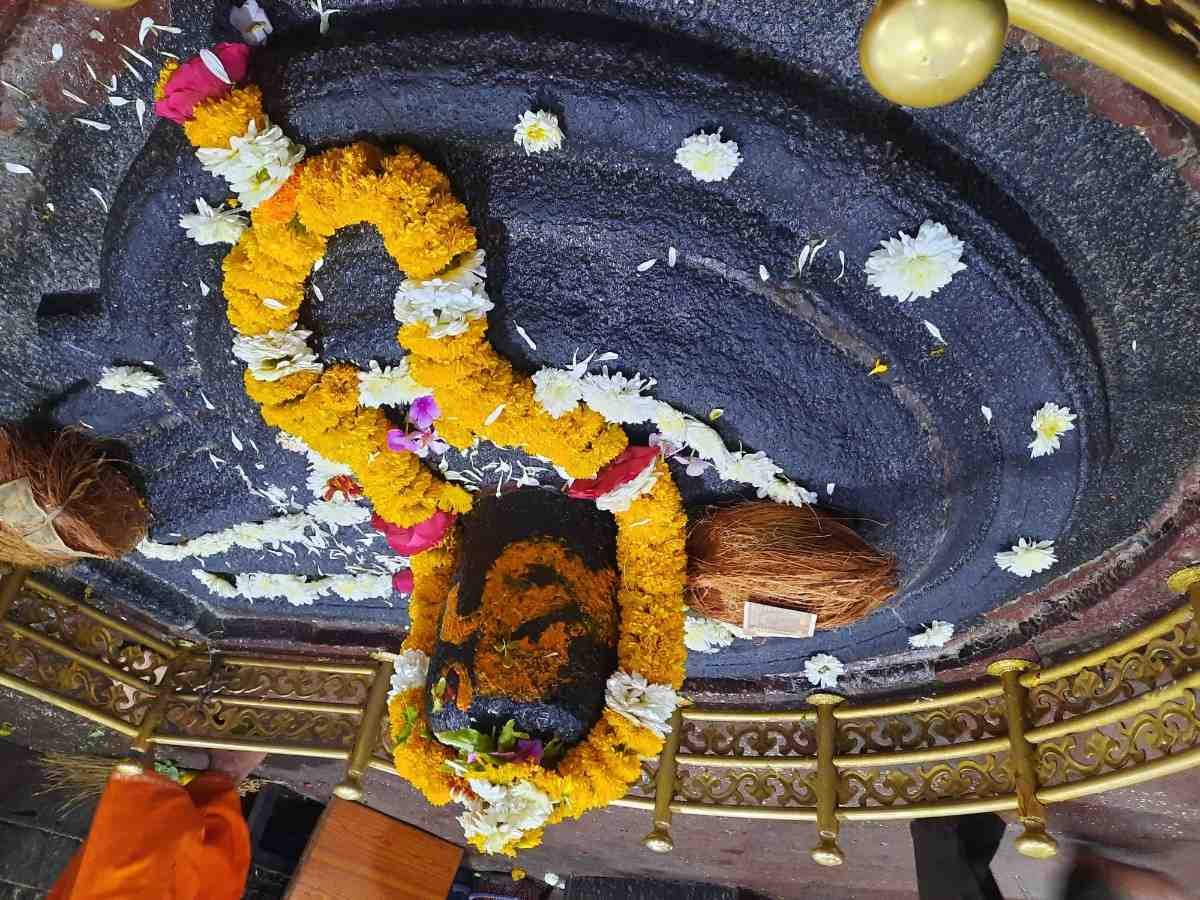
Pegulingan Temple
Pegulingan Temple is a Hindu shrine located in Manukaya, Tampaksiring, Bali, recognized as a World Heritage Site.