Pura Penataran Agung Besakih
About Pura Penataran Agung Besakih
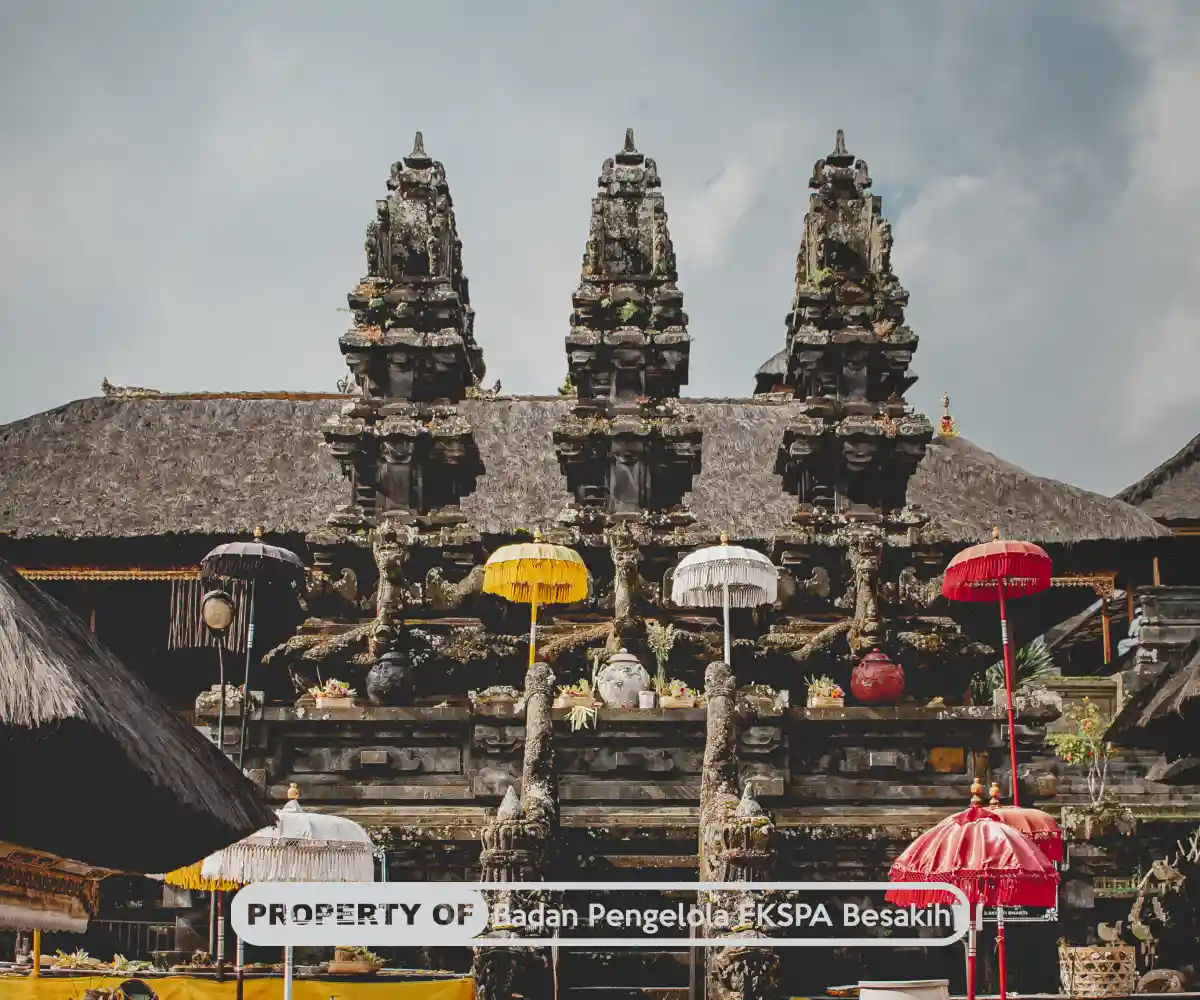
The sacred precinct contains twenty-six temples arranged in a hierarchical structure. Pura Penataran Agung Besakih functions as the central sanctuary, while the twenty-five Pura Pakideh (subsidiary temples) are distributed throughout the complex. These include Pura Gelap, Pura Ulun Kulkul, Pura Batu Madeq, and others, each serving specific devotional or protective functions within the larger whole. The arrangement reflects the ordered cosmology of Balinese Hinduism, with the main temple anchoring the spiritual geography of the site.
Visitors should be prepared for a substantial walk through the complex, as the temples are spread across the mountainside. The terrain is uneven, and the site requires physical stamina to explore fully.
Daily Worship and Rituals
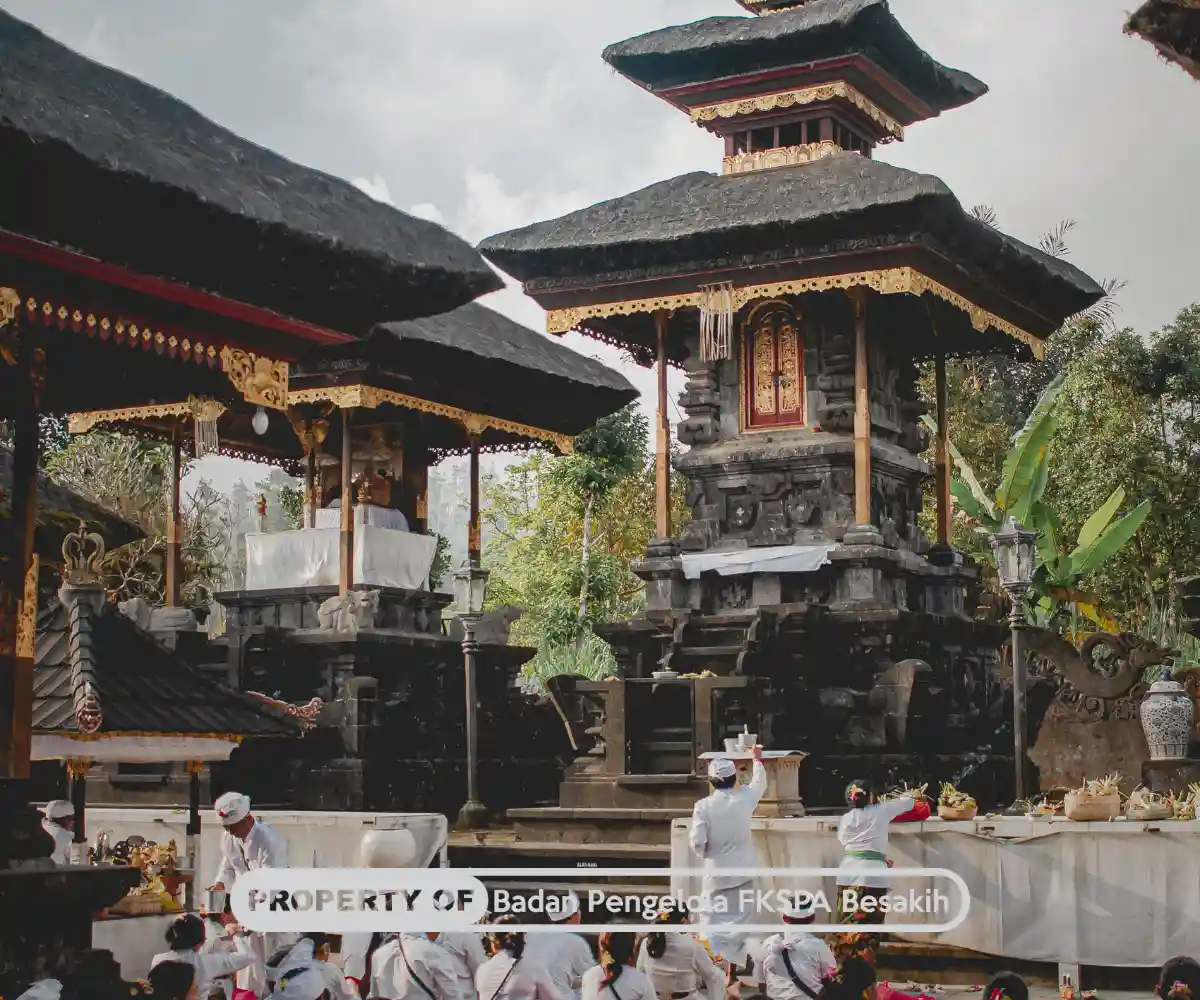
Prayer occurs twice daily: morning prayers begin at 08:00 and evening prayers at 17:00, with aarti (ritual worship with offerings) at the same times. The daily devotional practice centres on Persembahyangan, the Balinese Hindu act of worship involving offerings of flowers, incense, and holy water presented before the deities. Throughout the complex, devotees place Canang Sari—small woven palm-leaf trays containing flowers and incense—as daily gestures of gratitude to the divine. Melukat, a purification ritual using holy water, is performed by worshippers seeking spiritual cleansing.
These practices form the rhythm of temple life and continue regardless of visitor presence. Visitors are welcome to observe but should do so respectfully and without disrupting ongoing ceremonies.
Festivals and Sacred Observances
The temple observes several major festivals according to the Balinese calendar. Bhatara Turun Kabeh, held in March or April, is the temple's greatest annual celebration, lasting approximately three weeks. During this festival, which commemorates the descent of all the gods to the Mother Temple, Balinese Hindus from across the island gather in white clothing to make elaborate offerings. Galungan and Kuningan occur every 210 days according to the Pawukon calendar and celebrate the victory of dharma over adharma; during these festivals, temples across Bali, including Besakih, are decorated with penjor (tall bamboo poles) and ancestral spirits are honoured. The temple also observes Odalan, its recurring consecration anniversary, marked with offerings, gamelan music, and ceremonial dress.
Visiting Information
Dress and entry: A sarong and sash are required to enter the temple. These are available to rent at the site. Use the official ticket counter for entry; individuals offering unofficial guide services often demand substantial tips afterward.
Best time to visit: April through October offers the dry season and clearest conditions. Arrive before 09:00 to see Mount Agung clearly and to visit during morning prayers. The early hours also mean fewer crowds and cooler temperatures for walking the hillside terrain.
Practical considerations: The complex is substantial and spread across sloped ground. Wear comfortable walking shoes and bring water. Photography policies may vary; ask before photographing worshippers or ceremonies. The site remains an active place of worship, not a museum, so visitors should move quietly and avoid standing directly in front of altars during prayers.
Location and Access
Pura Besakih is located in Besakih village, Rendang subdistrict, Karangasem Regency, in eastern Bali. The coordinates are -8.37397, 115.45226. The temple sits on the northeastern slopes of Mount Agung, making it accessible by road from Bali's main towns, though the final approach involves climbing. Visitors should arrange transport in advance, as the site is not served by public transport. The journey itself offers views across Bali's landscape toward the sacred mountain.
How to reach
Temples near Pura Penataran Agung Besakih
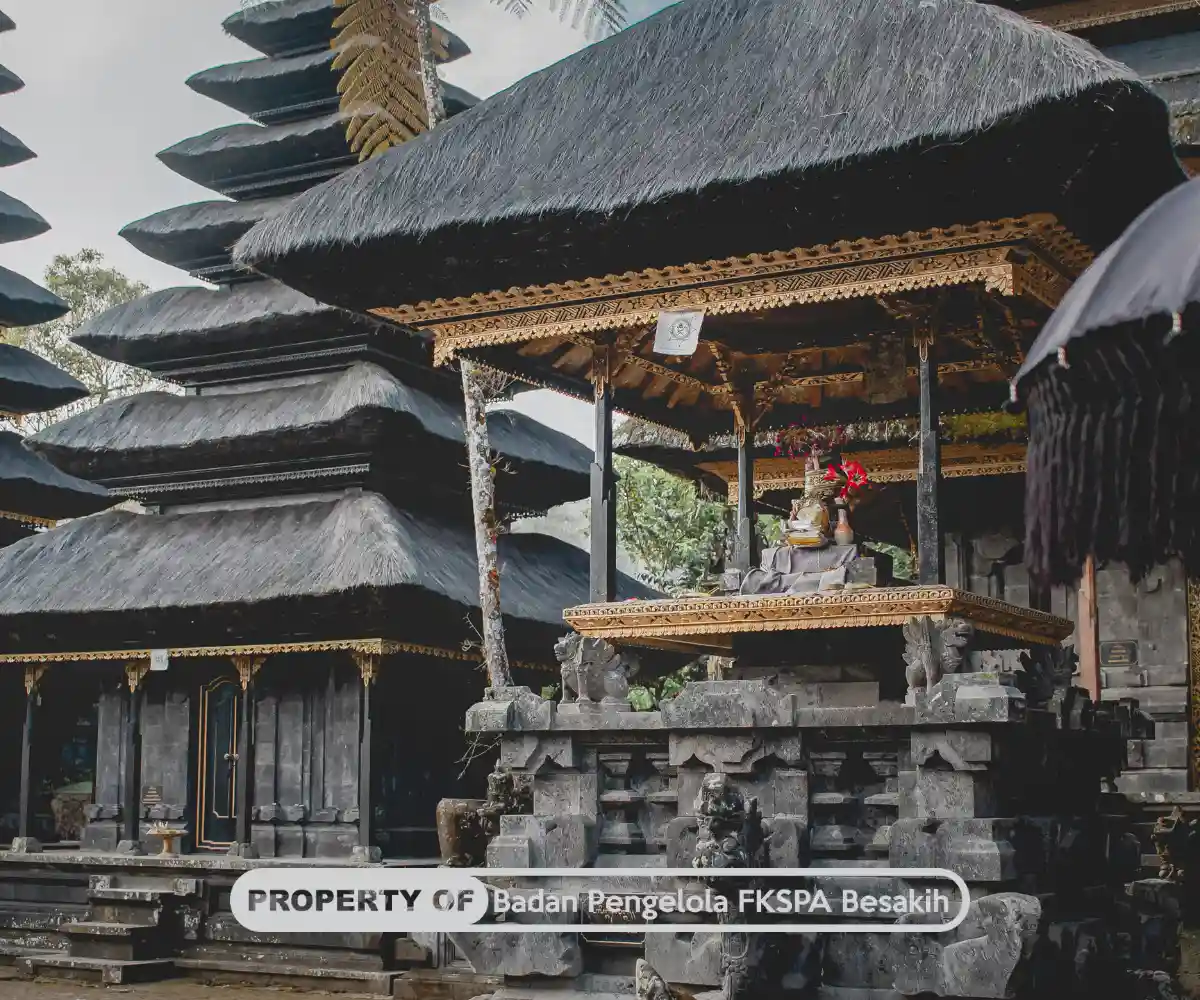
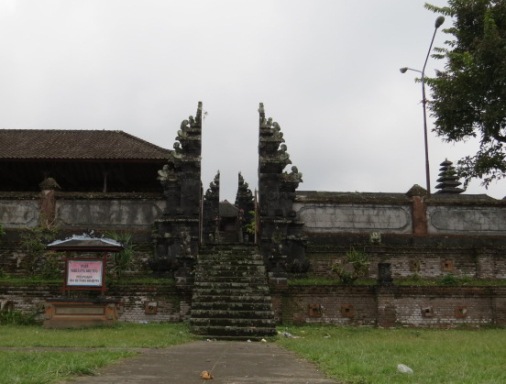
Pura Batu Madeg
Pura Batu Madeg is one of the four directional temples (Catur Loka Pala) within the Pura Agung Besakih complex in Bali, dedicated to Lord Vishnu and housing a megalithic stone b…
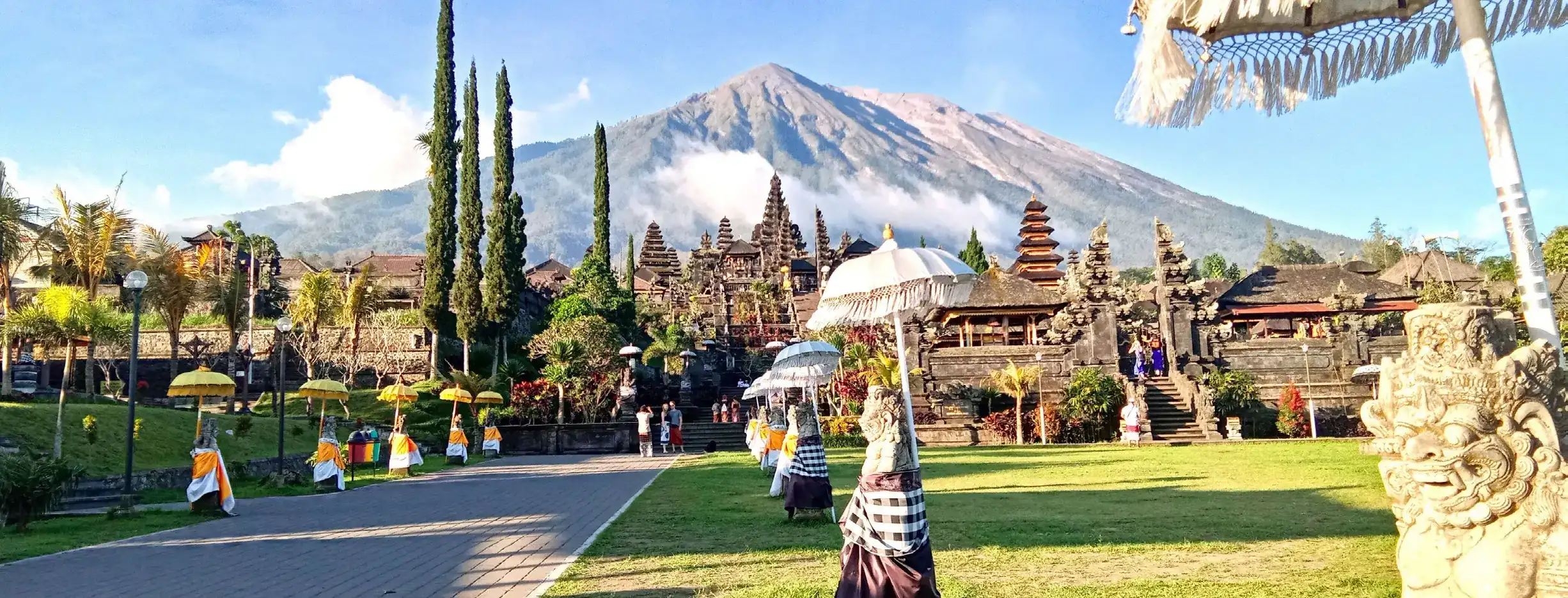
Pura Kiduling Kreteg
Pura Kiduling Kreteg is a Hindu temple dedicated to Brahma, the Creator God, nestled within the sacred Besakih Temple complex in Bali. Distinguished by striking red banners, it…
Pura Besakih
Pura Besakih is the holiest and largest temple complex of Balinese Hinduism, perched nearly 1,000 meters on Mount Agung's slopes. This sacred sanctuary of 26 interconnected temp…

Tirta Pingit Temple
Sri Venkateswara Swami Temple, perched on the seven hills of Tirumala, is one of the world's richest and most visited Hindu shrines, drawing millions of devotees annually for it…
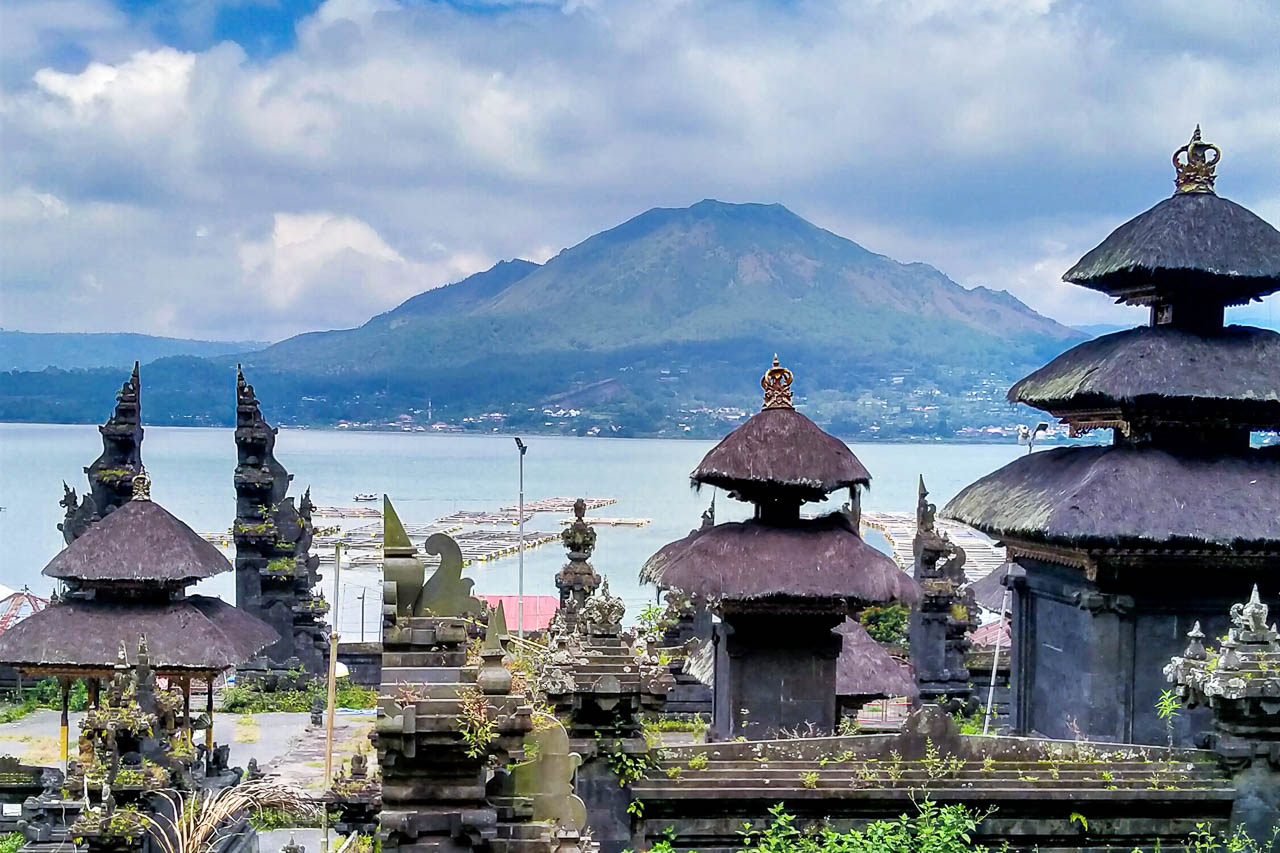
Pura Ratu Sakti Pancering Jagat Trunyan
Pura Ratu Sakti Pancering Jagat in Trunyan is an ancient megalithic temple on Lake Batur's eastern shore, housing a sacred six-meter stone statue of Bhatara Da Tonta believed to…
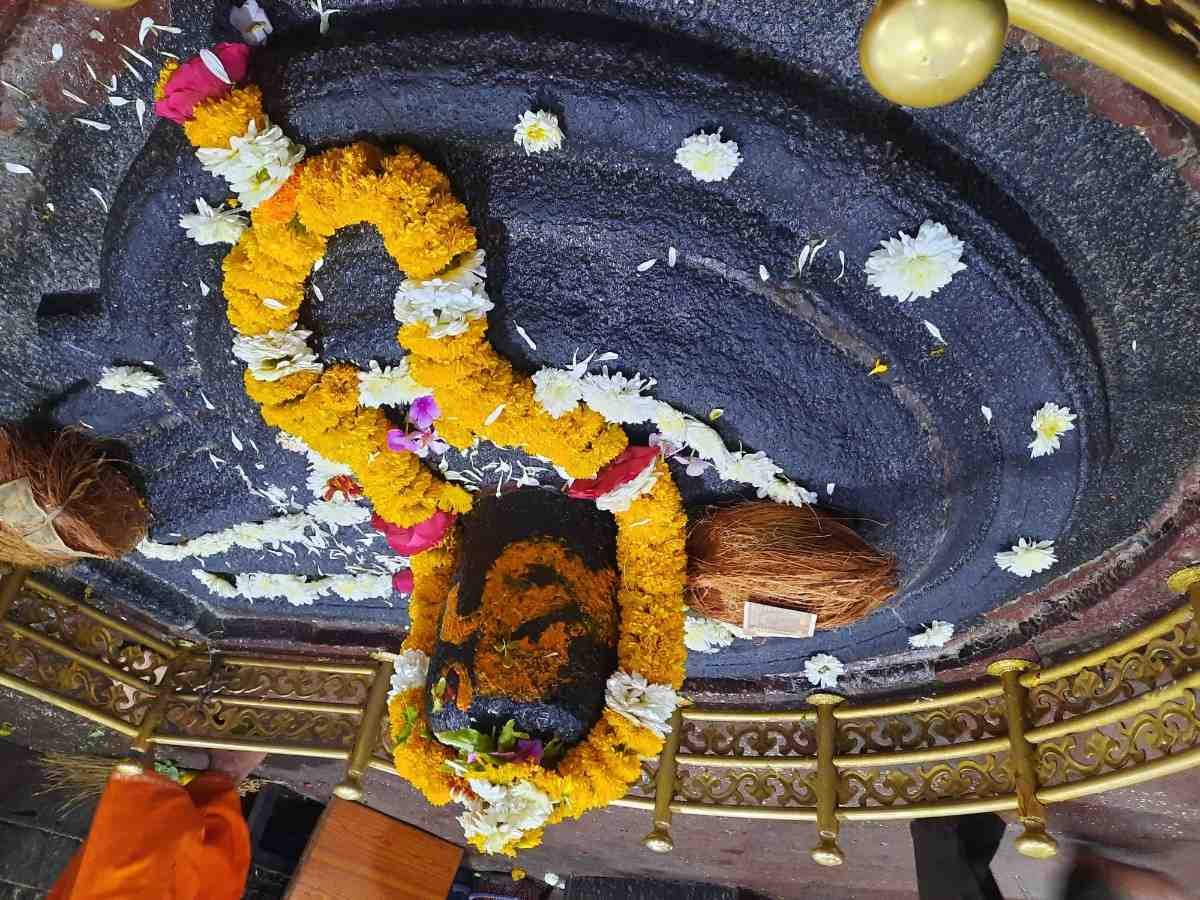
Pegulingan Temple
Pegulingan Temple is a Hindu shrine located in Manukaya, Tampaksiring, Bali, recognized as a World Heritage Site.