Pura Ratu Sakti Pancering Jagat Trunyan
About Pura Ratu Sakti Pancering Jagat Trunyan
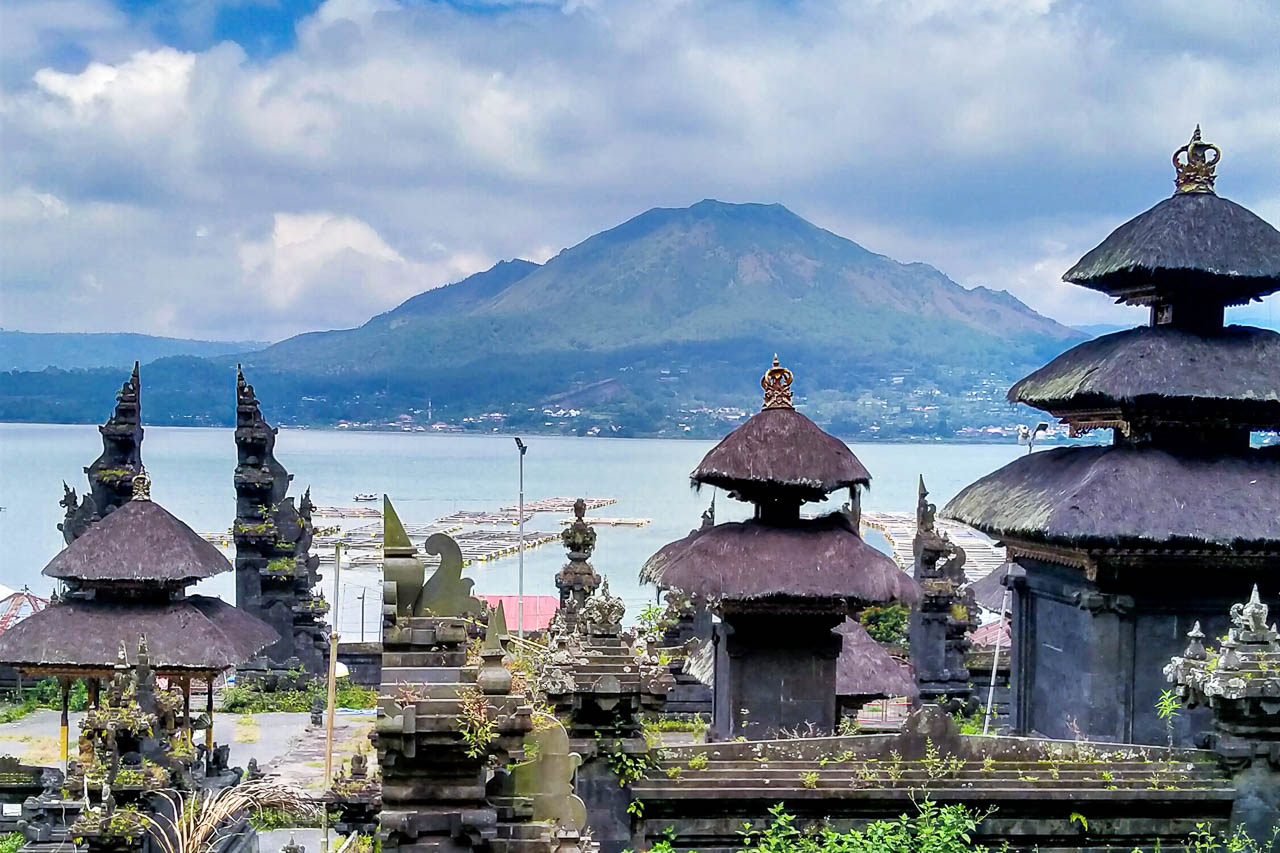
At the heart of the temple stands a six-meter-high stone and clay statue known as Bhatara Da Tonta, "the god who is the center of the world," also called Ratu Gede or "the Great Lord." The figure is depicted nude with explicit fertility symbolism: a downward-extending phallus above a vaginal symbol, interpreted as a lingga-yoni representing both cosmic and human fertility. The statue's form resembles ancestral depictions from East Nusa Tenggara rather than conventional Balinese iconography, suggesting either pre-Hindu origins or a later adaptation of an ancient prototype.
The statue embodies the male principle (purusa) within the temple's cosmology, while the female counterpart (pradana) is represented in a separate three-tiered meru shrine dedicated to Ida Ratu Ayu Dalem Pingit. Together, these sacred elements express the fertility beliefs central to Trunyan's spiritual life. The statue is considered deeply sacred and is typically not displayed to outsiders. Every three years, during a closed ceremony, it is ritually coated with a mixture of chalk, volcanic tuff, and honey, then adorned with gold ornaments.
Megalithic Architecture and Design
The temple's physical structure bears unmistakable traces of megalithic culture. Upright stones are enshrined within small sanctuaries throughout the grounds, while others are draped in poleng cloth—the traditional black-and-white textile representing the balance between opposing cosmic forces. This architectural vocabulary links the temple directly to an era preceding Hindu religious influence in Bali, making it archaeologically and spiritually significant.
The temple's layout and sacred elements have attracted scholarly attention. In the 1950s, Dutch archaeologist J.C. Krijgsman, former head of the Archaeological Bureau, documented aspects of the site. The temple's visual character—its combination of ancient stone work, modest scale, and lakeside setting—reportedly inspired the painter Walter Spies, whose work "Landscape with a Pagoda by a Lake" may have drawn on Trunyan as subject matter.
Access and Visiting Requirements
The temple is not open to the general public. Special permits can be granted for visits, though these must be arranged in advance. Prospective visitors should contact local authorities in Trunyan or seek guidance through established cultural organizations familiar with the village's protocols. The remote location and the sacred nature of the site mean that access is carefully controlled to protect both the temple and the community's spiritual practices.
The village itself remains accessible primarily by boat across Lake Batur, though the recently constructed paved path offers an alternative approach. The journey to Trunyan runs along the foot of Mount Abang and passes through landscape marked by sacred sites, including a notable tree on the lakeshore. Visitors should be prepared for the village's isolation and limited facilities.
Respectful Engagement with Sacred Space
Visitors granted access should understand that Pura Ratu Sakti Pancering Jagat is an active place of worship for the Trunyan community, not a museum or tourist attraction. The statue of Bhatara Da Tonta is typically kept from public view due to its sacred status. Photography and other documentation may be restricted or prohibited. Modest dress is appropriate, and visitors should follow any guidance provided by temple officials or community members regarding where they may go and what practices are permitted.
The temple's significance lies in its preservation of pre-Hindu Balinese religious culture and its role in the spiritual life of Trunyan's residents. Respectful behavior—including silence, restraint from touching sacred objects, and deference to community protocols—is essential.
How to reach
Temples near Pura Ratu Sakti Pancering Jagat Trunyan

Tirta Pingit Temple
Sri Venkateswara Swami Temple, perched on the seven hills of Tirumala, is one of the world's richest and most visited Hindu shrines, drawing millions of devotees annually for it…
Pura Batu Madeg
Pura Batu Madeg is one of the four directional temples (Catur Loka Pala) within the Pura Agung Besakih complex in Bali, dedicated to Lord Vishnu and housing a megalithic stone b…
Pura Penataran Agung Besakih
Pura Penataran Agung Besakih is the central sanctuary of Bali's largest and holiest Hindu temple complex, situated on the slopes of Mount Agung at 1,000 meters elevation. This m…
Pura Besakih
Pura Besakih is the holiest and largest temple complex of Balinese Hinduism, perched nearly 1,000 meters on Mount Agung's slopes. This sacred sanctuary of 26 interconnected temp…
Pura Kiduling Kreteg
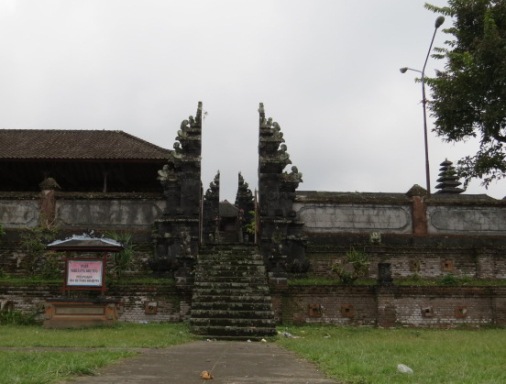
Pura Kiduling Kreteg is a Hindu temple dedicated to Brahma, the Creator God, nestled within the sacred Besakih Temple complex in Bali. Distinguished by striking red banners, it…
Pesiraman Dalem Pingit Sebatu
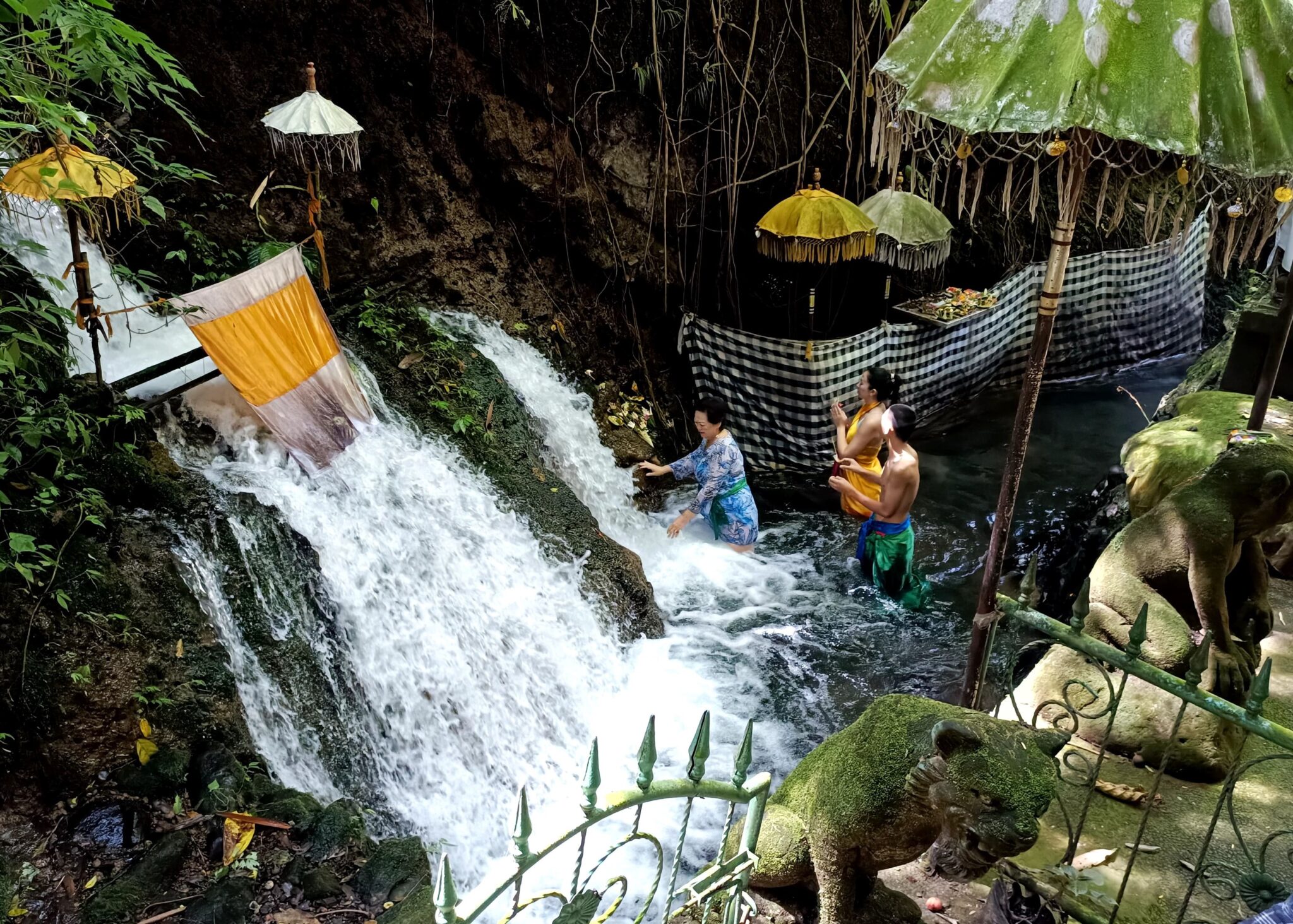
Pesiraman Dalem Pingit Sebatu is a sacred water purification site in Bali's Sebatu Village, spiritually inhabited by Dewi Uma and Dewi Gangga. The site serves as an authentic li…