
Pura Besakih
About Pura Besakih
The complex is built across six terraced levels ascending the mountainside, creating a dramatic progression upward. The entrance is marked by a candi bentar, the distinctive split gateway characteristic of Balinese temple architecture. Beyond this lies the Kori Agung, the gateway to the second courtyard, from which the temple extends further up the slope. The 26 temples within the sacred precinct each serve specific functions within the broader spiritual landscape, though the central Pura Penataran Agung remains the most important.
The terraced design reflects both practical adaptation to the steep terrain and spiritual intention, with each level drawing the visitor higher toward the mountain's spiritual energy. The scale of the complex—spread across nearly 1,000 metres of elevation—makes it substantially larger than most individual temples found elsewhere on the island.
Daily Worship and Visitor Experience
The temple opens daily from 08:00 to 17:00. Morning prayers occur at 08:00 and evening prayers at 17:00, marking the rhythm of daily devotional life. Visitors are welcome during these hours, though mornings before mid-morning are preferable for clearer views and smaller crowds. The dry season, from April to October, offers the best conditions for visiting.
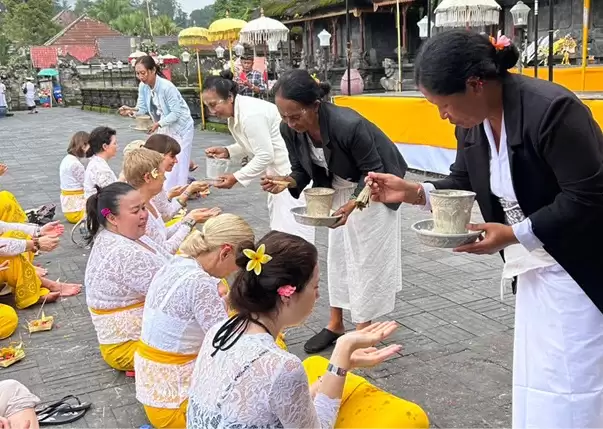
Entry requires appropriate dress: a sarong and sash must be worn. These are available to rent at the temple. Visitors should use the official ticket counter rather than accepting offers of guidance from unofficial sources, which often result in unexpected demands for large tips. The temple practices Persembahyangan, the Balinese Hindu act of worship involving offerings of flowers, incense, and holy water. Canang Sari—small woven palm-leaf trays containing flowers and incense—are placed throughout the complex daily as expressions of gratitude to the divine. Some visitors participate in Melukat, a purification ritual using the temple's holy water, though this is primarily a devotional practice for the faithful.
Festivals and Sacred Observances
Pura Besakih observes several major festivals throughout the year. Bhatara Turun Kabeh, occurring in March or April, is the temple's greatest annual celebration, lasting approximately three weeks. The name refers to "all the gods descending" to the Mother Temple, and the festival draws Balinese Hindus from across the island dressed in white for elaborate offerings.
Galungan and Kuningan occur every 210 days according to the Pawukon calendar and celebrate dharma's victory over adharma. During these festivals, temples across Bali including Besakih are decorated with penjor (tall bamboo poles) and ancestral spirits are honoured. The temple also observes Odalan, its consecration anniversary according to the Pawukon calendar, marked with elaborate offerings, gamelan music, and ceremonial dress.
Practical Information for Visitors
The temple is located in Desa Manik Mas, Kecamatan Rendang, Kabupaten Karangasem, in the eastern part of Bali. The coordinates are -8.3753612, 115.4507063. The elevation and mountain location mean the temple is cooler than lowland areas and can be reached by vehicle, though the final approach involves walking. Visitors should plan for the altitude and bring water.
Dress modestly and respectfully. Beyond the required sarong and sash, loose clothing that covers shoulders and knees is appropriate. Remove shoes before entering inner sanctums. Photography may be restricted in certain areas; observe any signage or ask permission. The temple is an active place of worship, not primarily a tourist attraction, so maintain quiet and respectful behaviour, particularly during prayer times.
How to reach
Temples near Pura Besakih
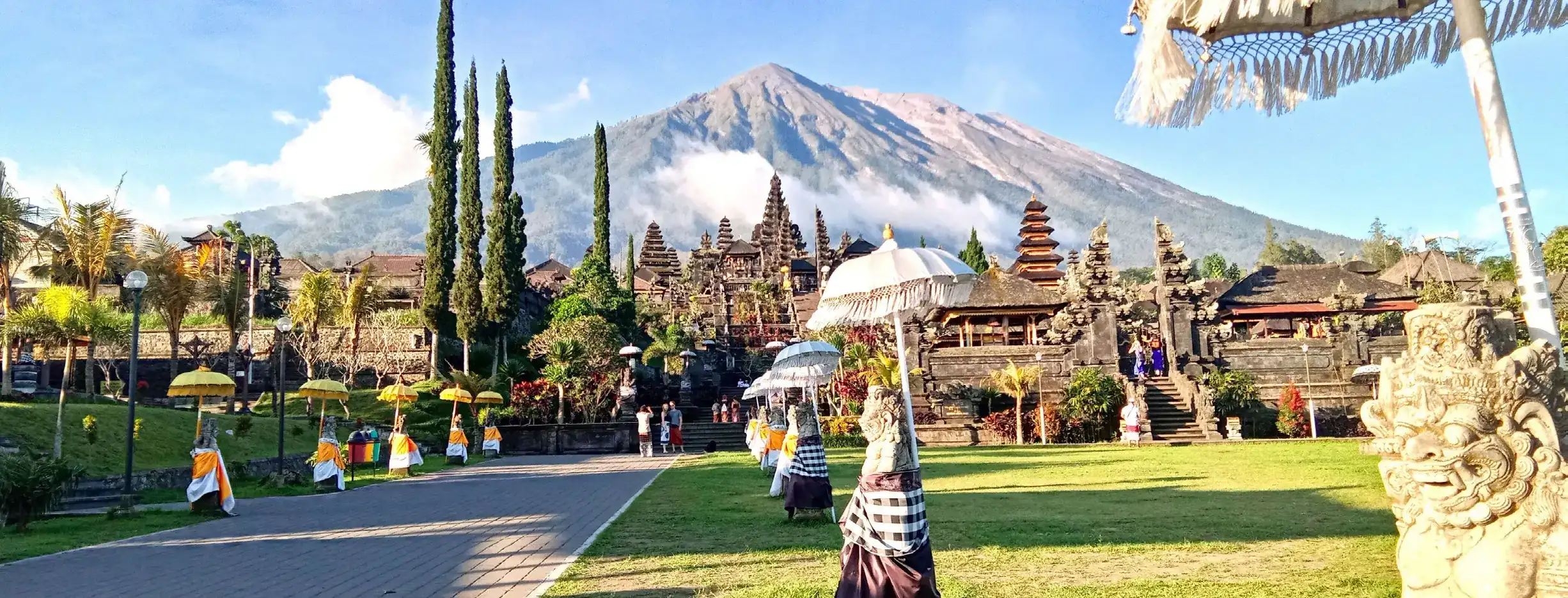
Pura Penataran Agung Besakih
Pura Penataran Agung Besakih is the central sanctuary of Bali's largest and holiest Hindu temple complex, situated on the slopes of Mount Agung at 1,000 meters elevation. This m…
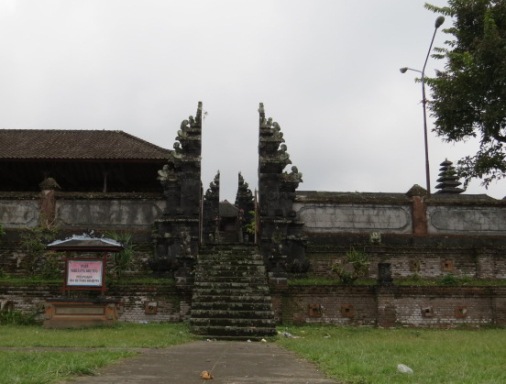
Pura Kiduling Kreteg
Pura Kiduling Kreteg is a Hindu temple dedicated to Brahma, the Creator God, nestled within the sacred Besakih Temple complex in Bali. Distinguished by striking red banners, it…
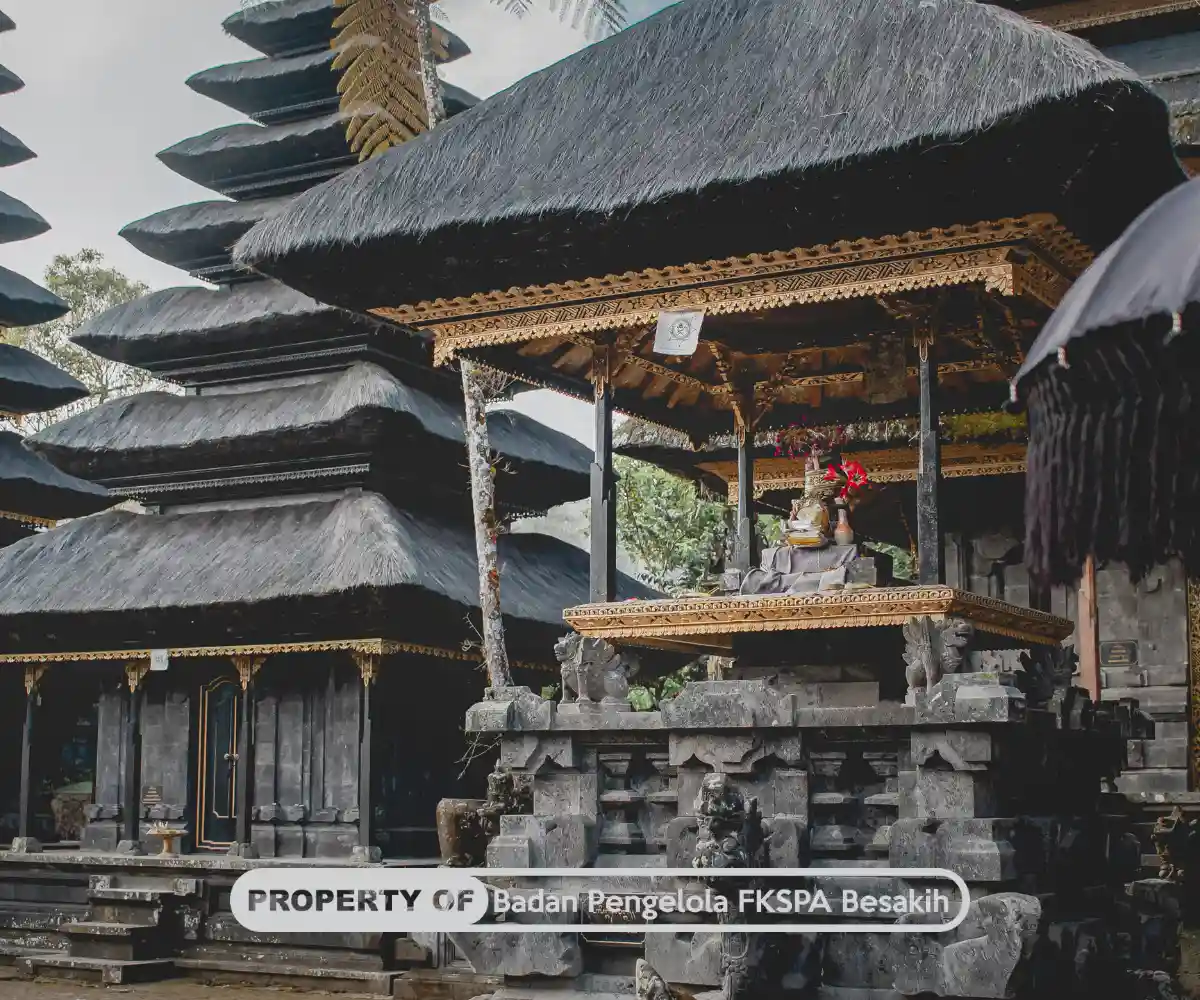
Pura Batu Madeg
Pura Batu Madeg is one of the four directional temples (Catur Loka Pala) within the Pura Agung Besakih complex in Bali, dedicated to Lord Vishnu and housing a megalithic stone b…

Tirta Pingit Temple
Sri Venkateswara Swami Temple, perched on the seven hills of Tirumala, is one of the world's richest and most visited Hindu shrines, drawing millions of devotees annually for it…
Pura Ratu Sakti Pancering Jagat Trunyan
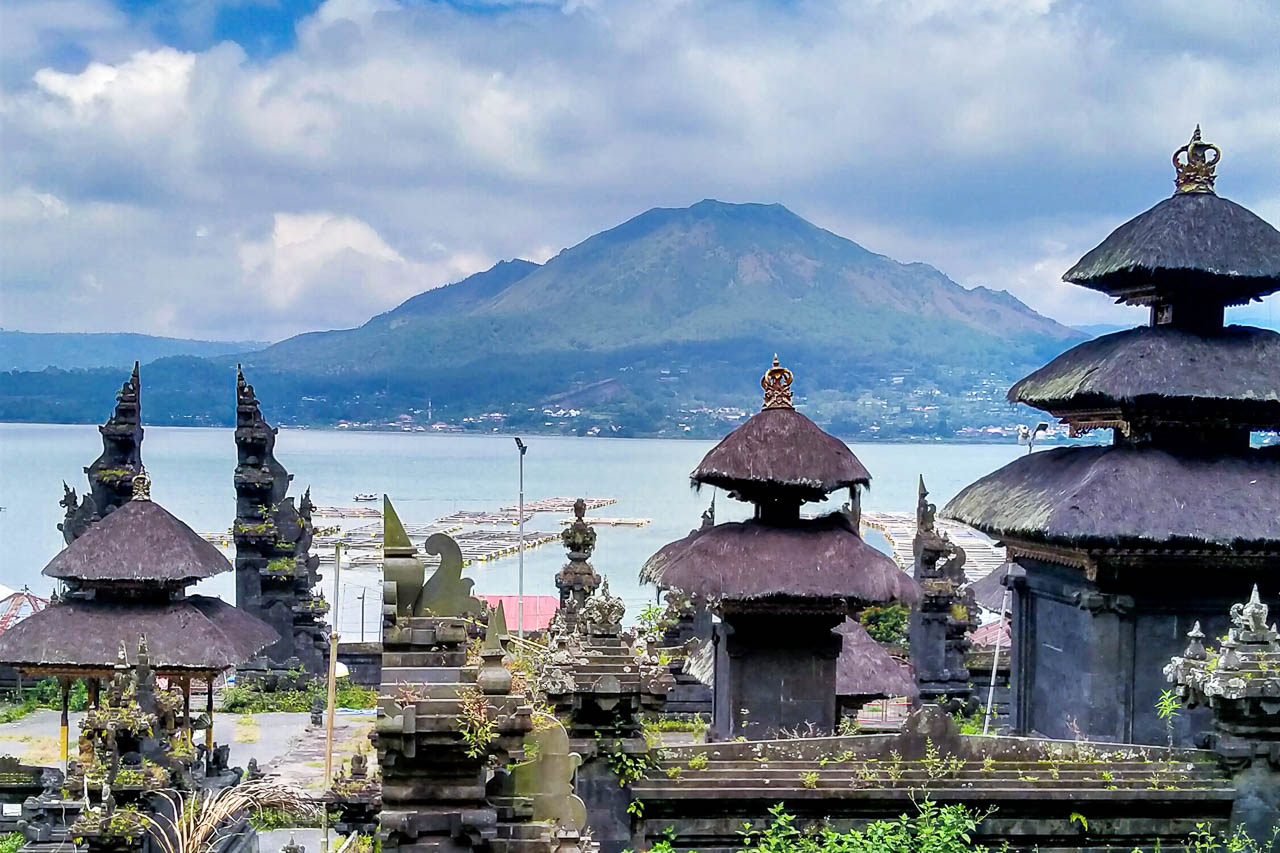
Pura Ratu Sakti Pancering Jagat in Trunyan is an ancient megalithic temple on Lake Batur's eastern shore, housing a sacred six-meter stone statue of Bhatara Da Tonta believed to…
Pegulingan Temple
Pegulingan Temple is a Hindu shrine located in Manukaya, Tampaksiring, Bali, recognized as a World Heritage Site.