


Thodikkalam Shiva Temple
About Thodikkalam Shiva Temple
The temple holds particular resonance in Kerala's modern history through its connection to Pazhassi Raja, a regional ruler who resisted British colonial expansion in the late eighteenth century. When Pazhassi Raja sought refuge within the temple's precincts during his struggle against foreign forces, he ultimately chose to relocate his activities elsewhere rather than compromise the sacred character of the space. This decision—prioritising the sanctity of the shrine over strategic advantage—links the temple to a pivotal chapter in Kerala's resistance to colonial rule, offering visitors a tangible connection to the region's past.
Architecture and Artistic Heritage
The temple is recognised as an archaeological monument, a designation reflecting its historical and cultural importance. Among its notable features are mural paintings that adorn the structure, representing artistic traditions developed over centuries within Kerala's temple culture. These murals form part of the temple's material heritage, and visitors should approach them with the respect due to both religious and historical artefacts. The temple's gopuram (tower) and sanctum remain active centres of worship, maintaining the continuity between ancient construction and contemporary devotional practice.
Daily Worship and Rituals
The temple observes a regular schedule of darshan (viewing of the deity) across two daily periods. Morning darshan runs from 06:00 to 12:00, allowing early risers and those with morning routines to visit. Evening darshan opens from 17:00 to 20:00, accommodating those who prefer to worship as the day concludes. The Sandhya Aarti, an evening ritual of worship and offering, takes place at 19:00. This ceremony is considered a particularly spiritually charged time, when the temple's atmosphere intensifies through collective devotion. Devotees often time their visits to coincide with the aarti, participating in the rhythms of daily worship that have structured temple life across generations.
Festivals and Celebrations
The temple observes several major festivals throughout the year, with three periods drawing particular devotional energy. Sharad Navaratri in October brings nine nights of celebration honouring the Goddess, transforming the temple with special decorations and heightened activity. Diwali, the festival of lights, falls in November and is marked with pujas and adornments. Guru Purnima in July honours spiritual teachers and draws devotees seeking blessings. During these festival periods, the temple becomes notably busier and more elaborately decorated, creating an intensified spiritual atmosphere. Visitors planning to attend festivals should note that darshan timings may shift on these occasions, making advance confirmation with the temple advisable.
Visiting Practicalities
The temple is situated at Edumbapalam, Chittariparamba, in Kannur district (coordinates 11.8533°N, 75.6553°E). Visitors can locate the address via Google Maps for navigation. As with Hindu temples generally, modest dress is expected, and footwear should be removed before entering the sanctum. The temple's status as an archaeological monument means its spaces and artworks merit careful, respectful treatment from all who visit. While specific information about facilities such as ablution areas or rest spaces is not detailed in available sources, contacting the temple directly before your visit can clarify what amenities are available and address any particular requirements you may have.
Planning Your Visit
Morning visits offer a quieter experience and align with traditional temple practice, while evening visits allow participation in the Sandhya Aarti. Those interested in experiencing the temple's festive character should plan around Sharad Navaratri, Diwali, or Guru Purnima, though these periods will be busier. Confirmation of timings before travel is recommended, particularly around festival dates when schedules may vary from the standard posted hours. The temple's two-thousand-year history and its role in Kerala's cultural and political heritage make it a destination of substance for those seeking to understand the region's spiritual and historical dimensions.
How to reach

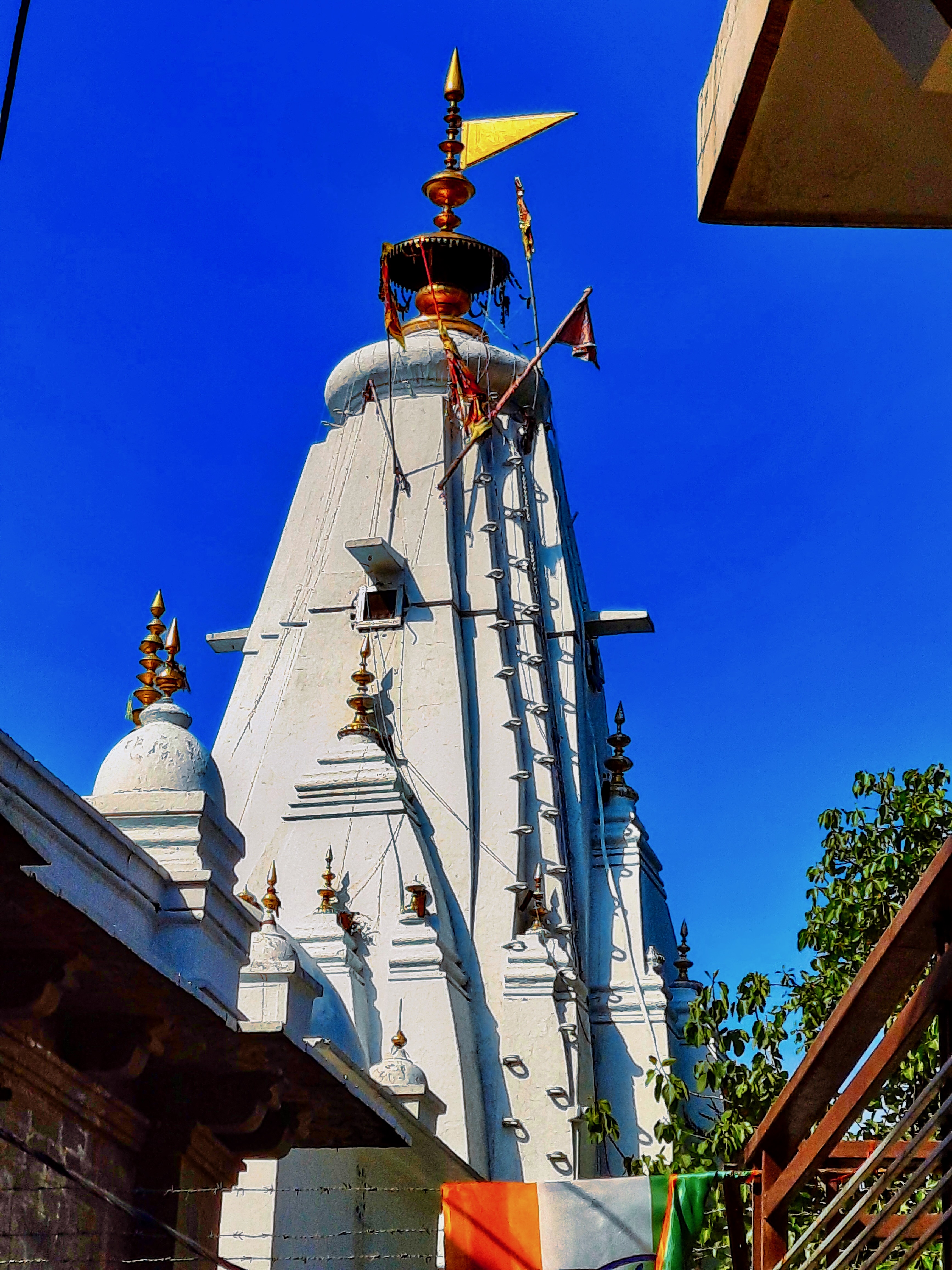
Temples near Thodikkalam Shiva Temple
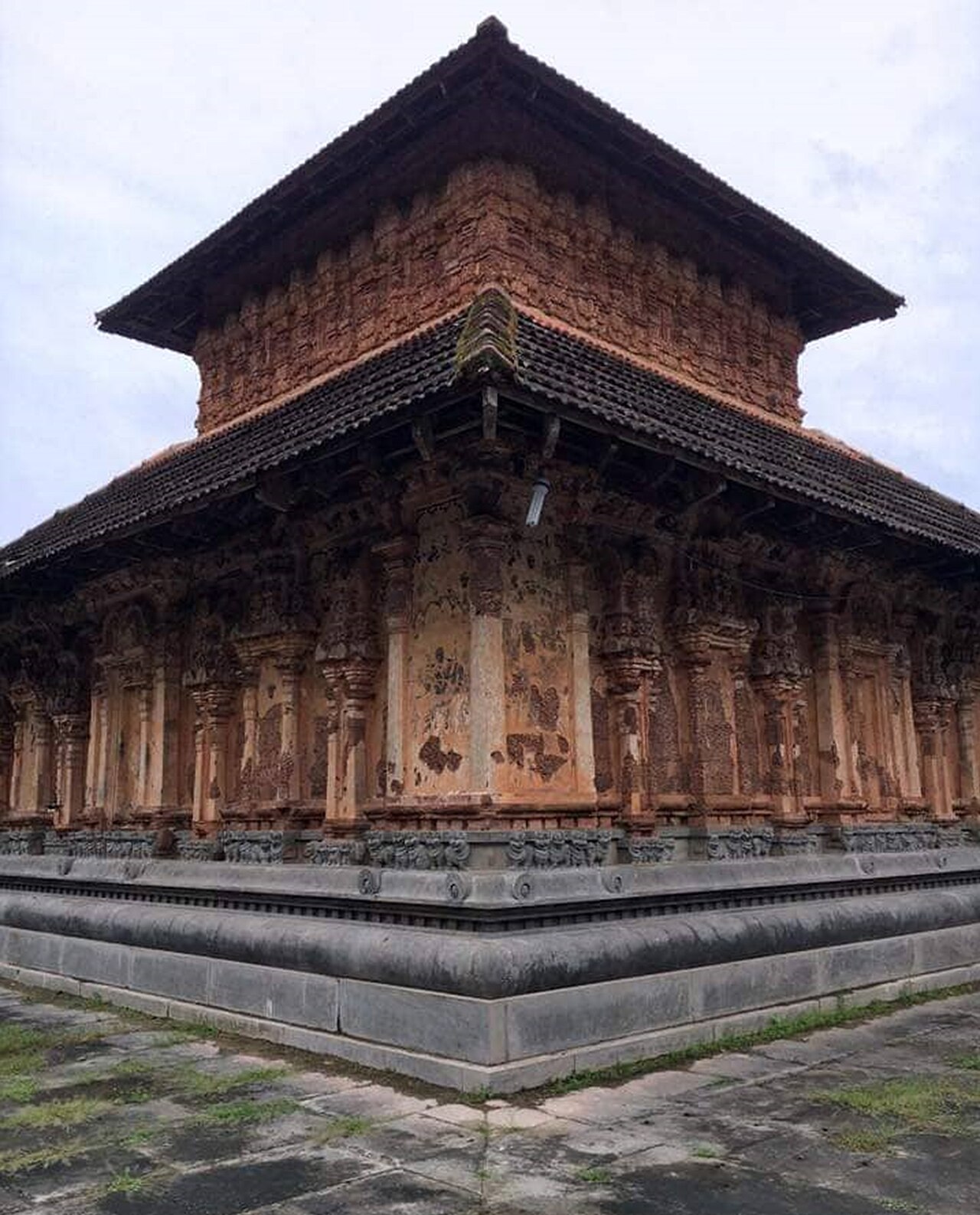
Nadapuram Iringannur Siva Temple
An ancient Hindu temple in Kozhikkode district dedicated to Lord Shiva in the form of Dakshinamurthy, believed to have been established by sage Parasurama and counted among Kera…
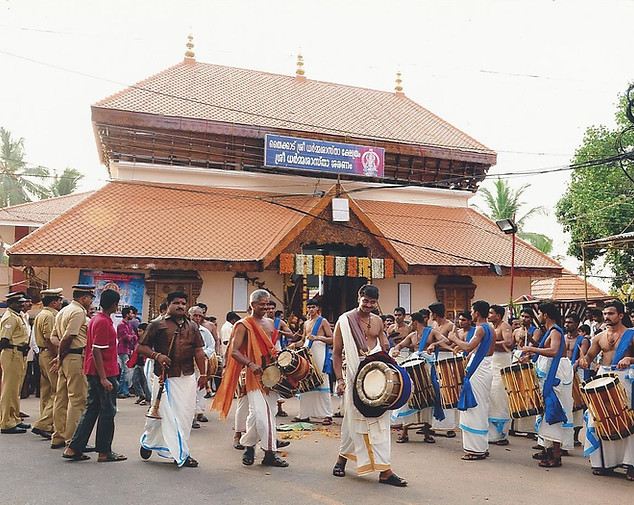
Karyat Sree Ayyappa Temple Vanimal
Karyat Sree Ayyappa-Bhagavathi Temple in Vanimal, Kerala is a modern shrine dedicated to Lord Ayyappa that evolved from a small devotional gathering space into an established pl…
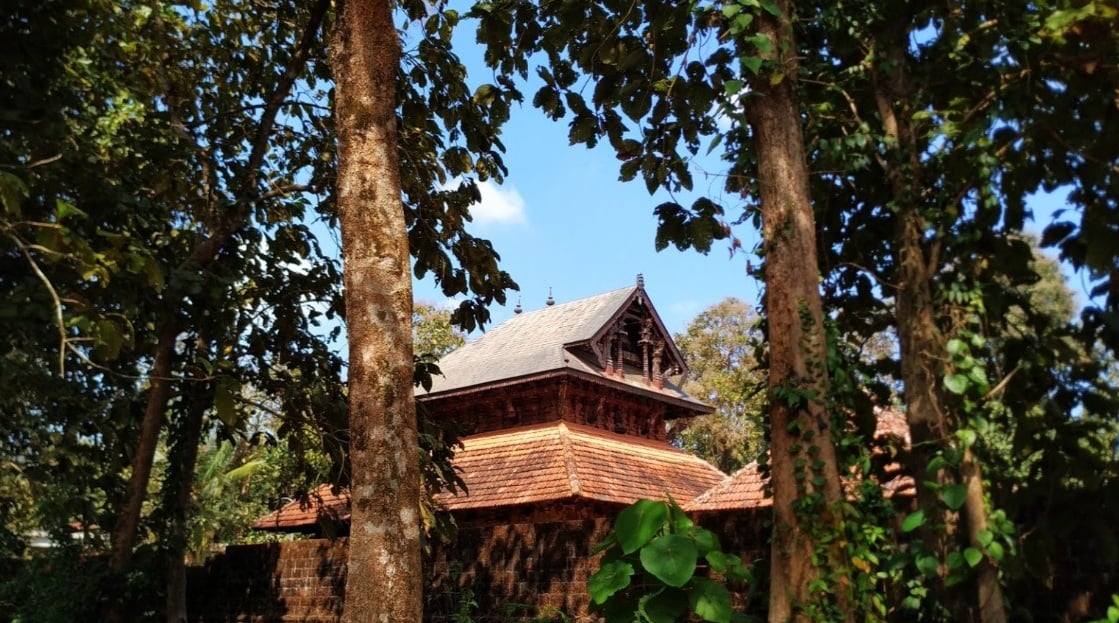
Makreri Subrahmanyaswamy Temple
Makreri Subrahmanyaswamy Temple in Kannur, Kerala is uniquely distinguished by Lord Hanuman serving as its chief priest, with the main deity being Lord Subrahmanya installed dur…
Vadavil Kalari sthaanam
Vadapalli Venkateswara Swamy Temple offers daily darshan with multiple seva options and special visishta darshan tickets available on Saturdays.
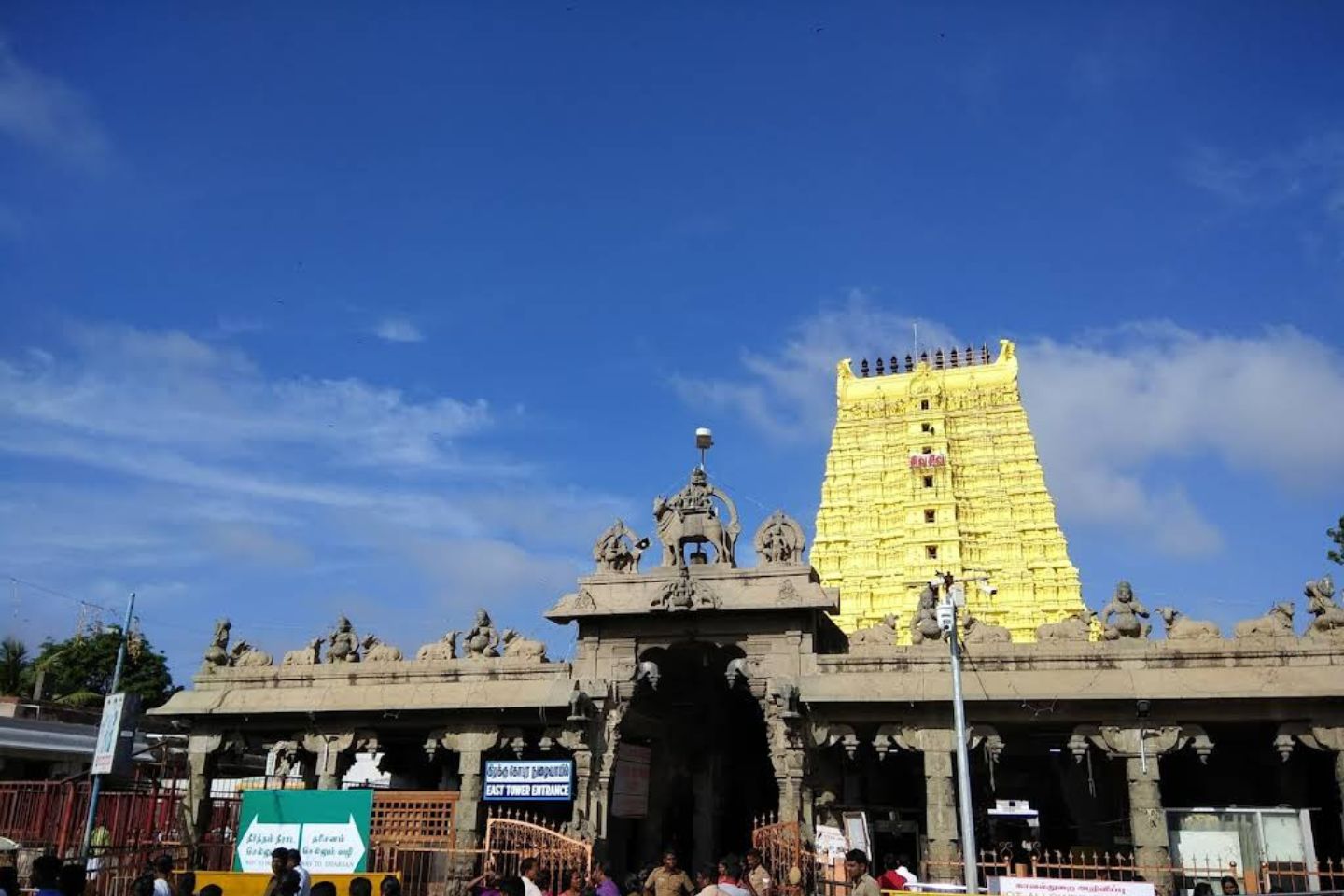
Sree Ramaswami Temple
Thiruvangad Sree Ramaswami Temple in Thalassery, Kerala, is an ancient shrine believed over 2000 years old, distinguished by its distinctive copper roof that earned it the name…
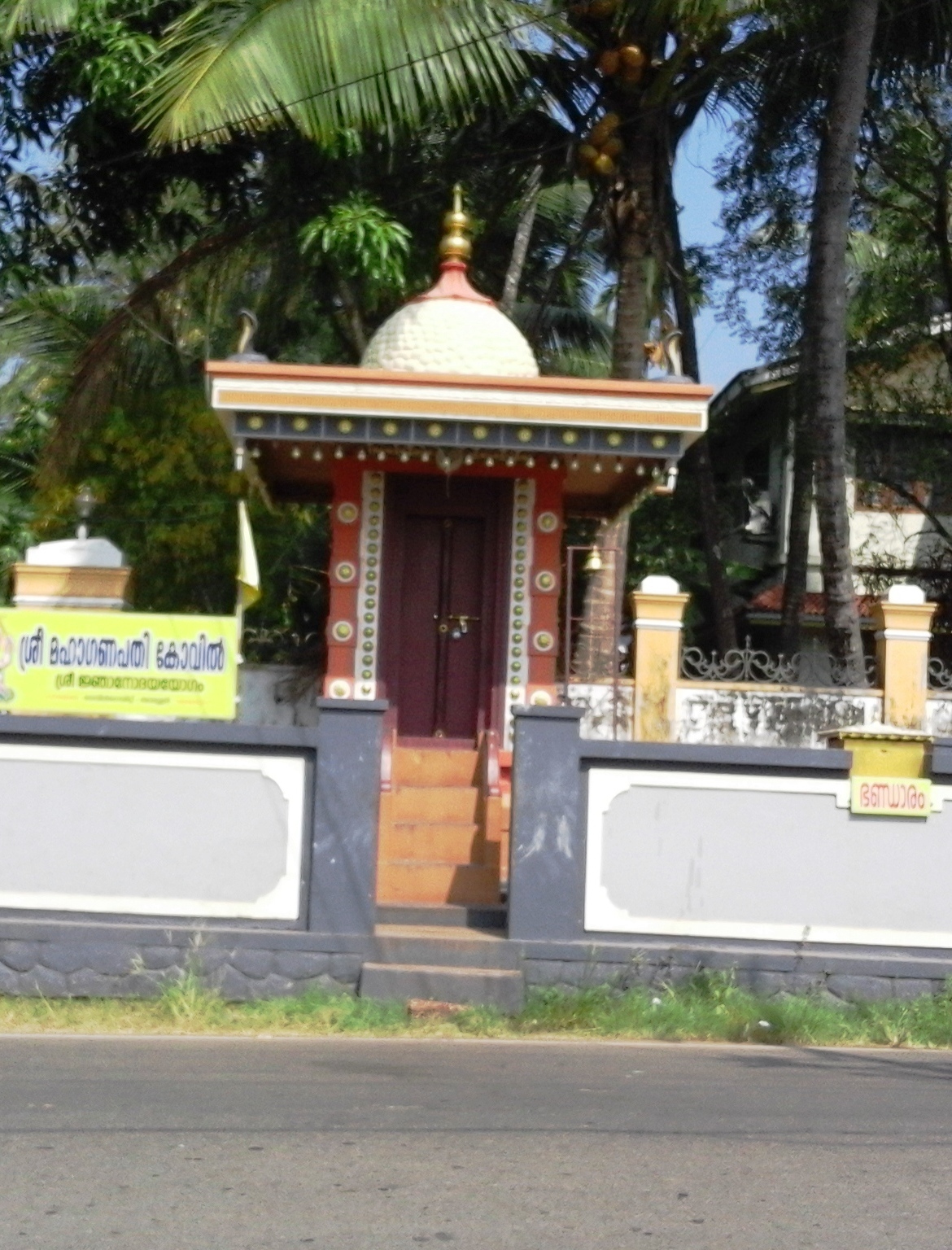
Jagannath Temple, Thalassery
Shree Jagannath Temple in Thalassery is a historic shrine consecrated in 1908 by reformer Sree Narayana Guru, housing a Shiva deity and serving as a landmark of Kerala's anti-ca…