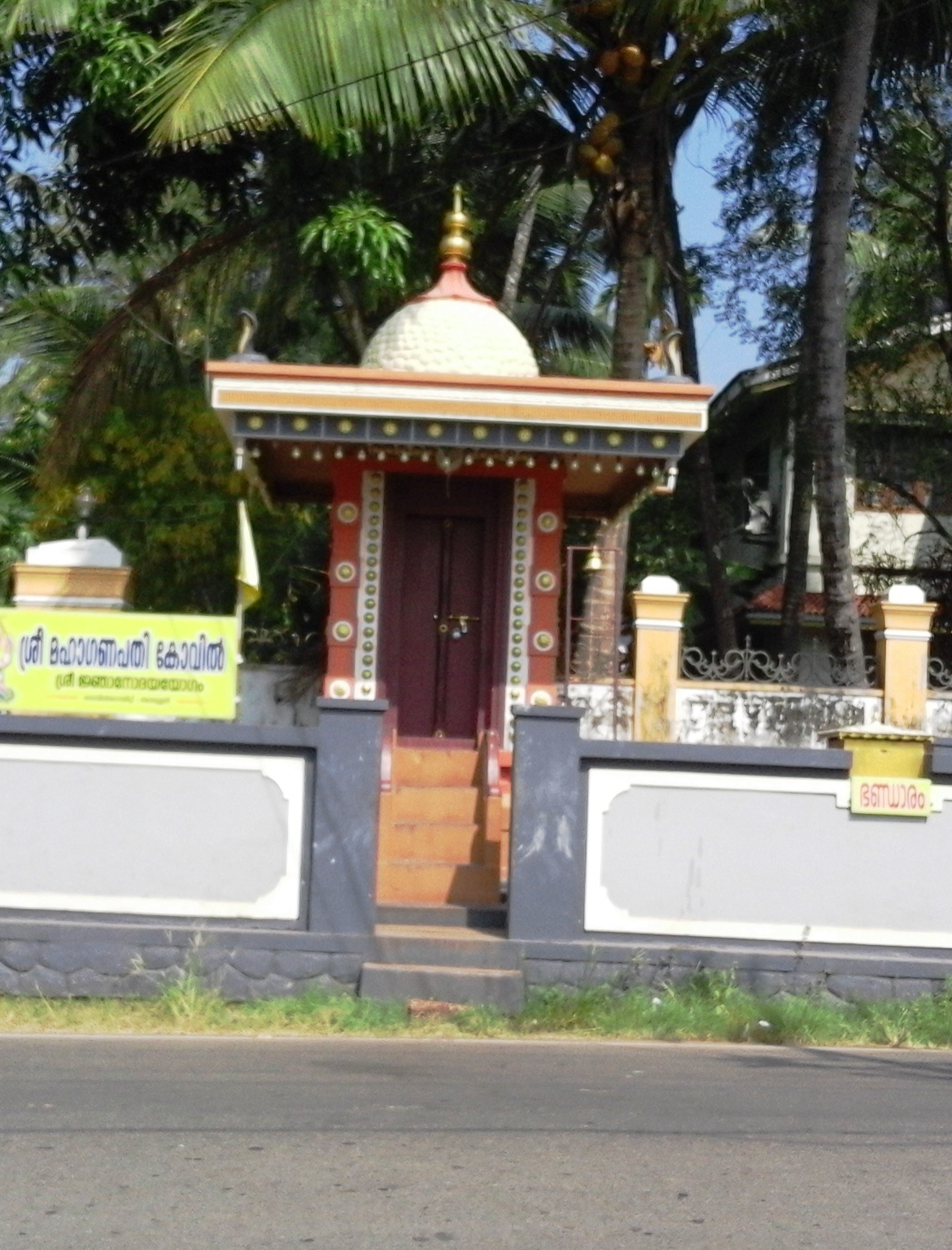
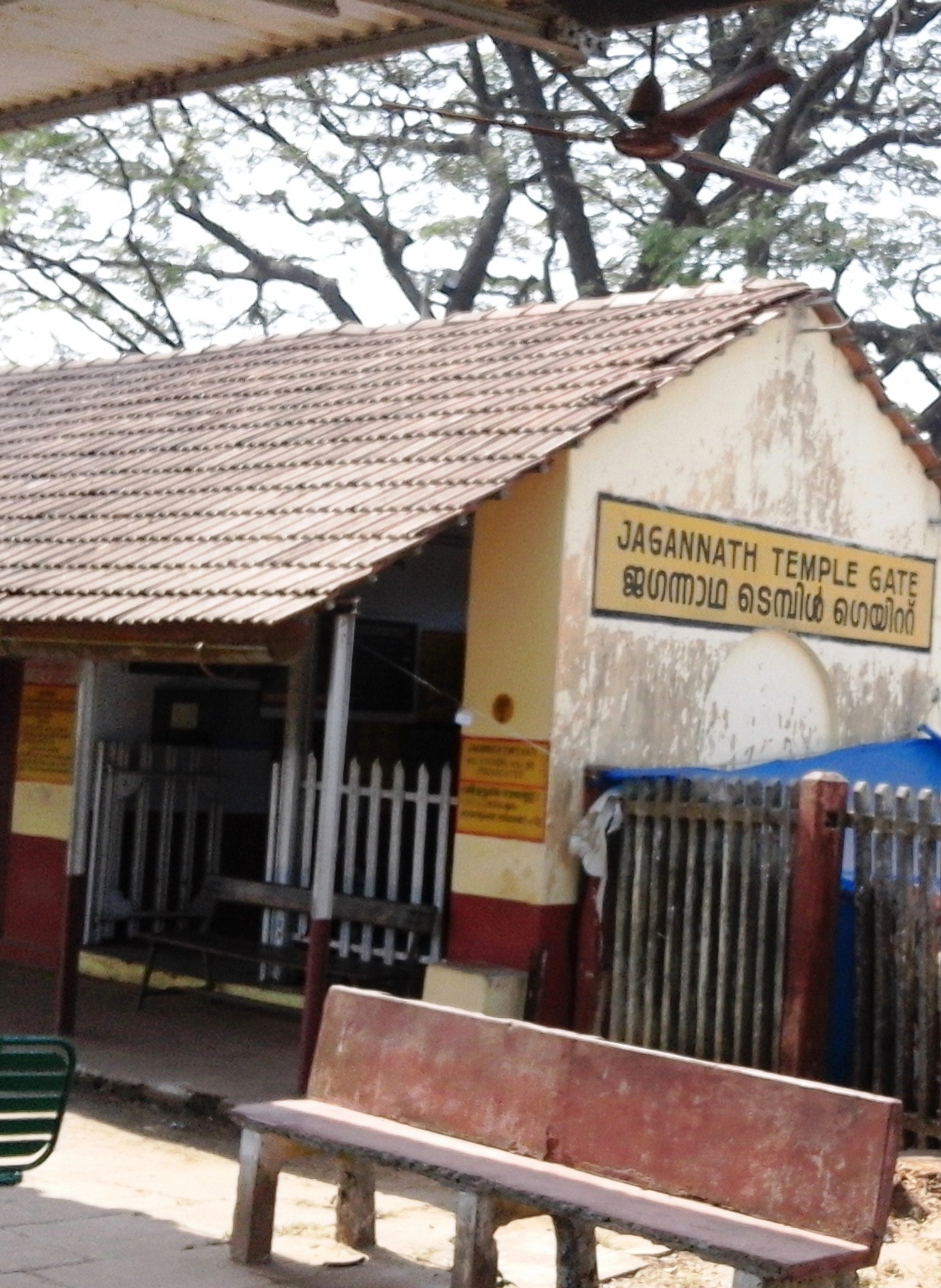
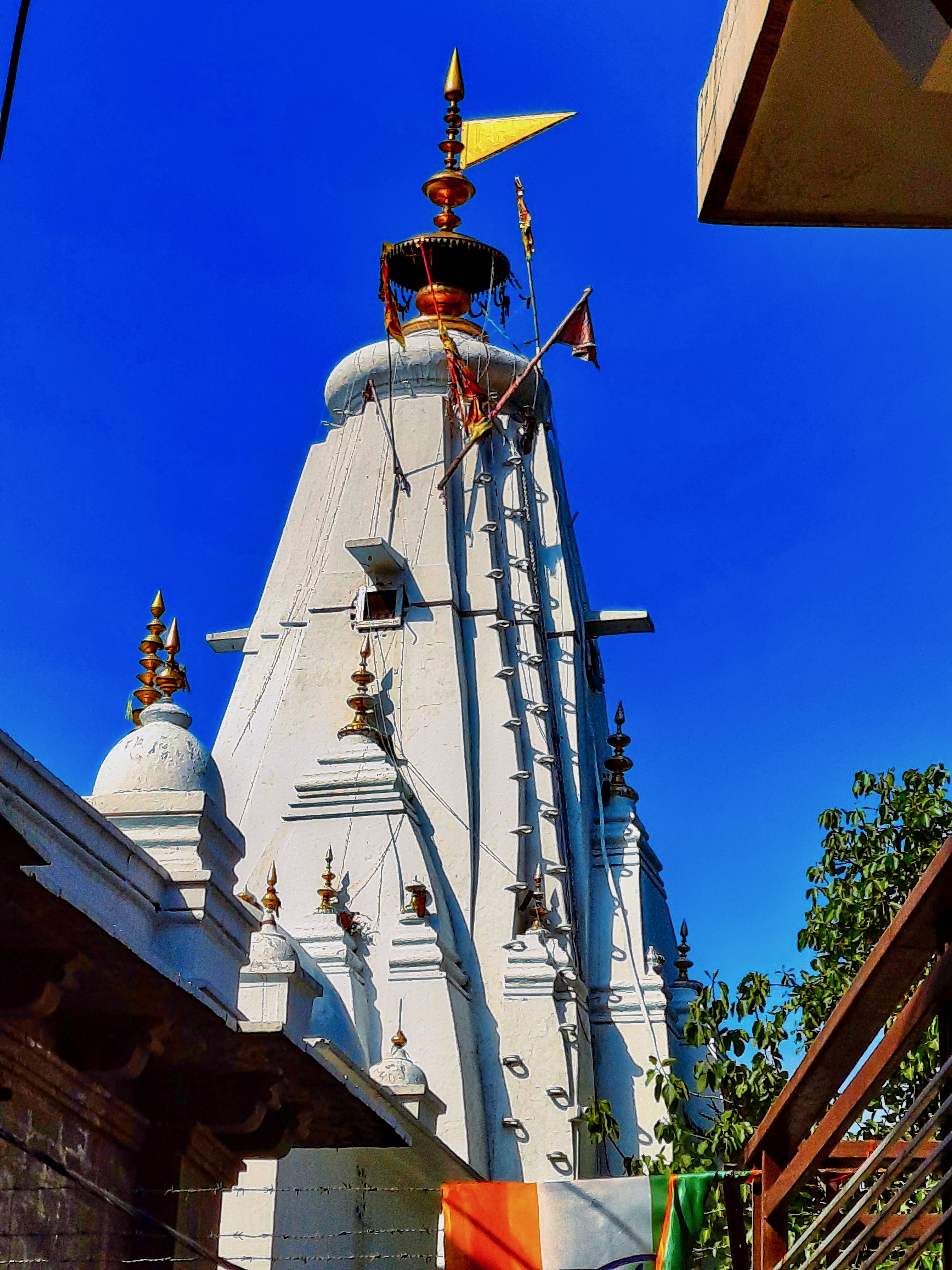
Jagannath Temple, Thalassery
About Jagannath Temple, Thalassery
The temple is dedicated to Jagannath, a form associated with Krishna and Vishnu in Hindu tradition. The shrine maintains a regular rhythm of worship throughout the day, with the sanctum open to devotees during morning and evening hours. The principal evening ritual, the Sandhya Aarti, takes place at 19:00 and draws the temple's community into collective worship as daylight fades.
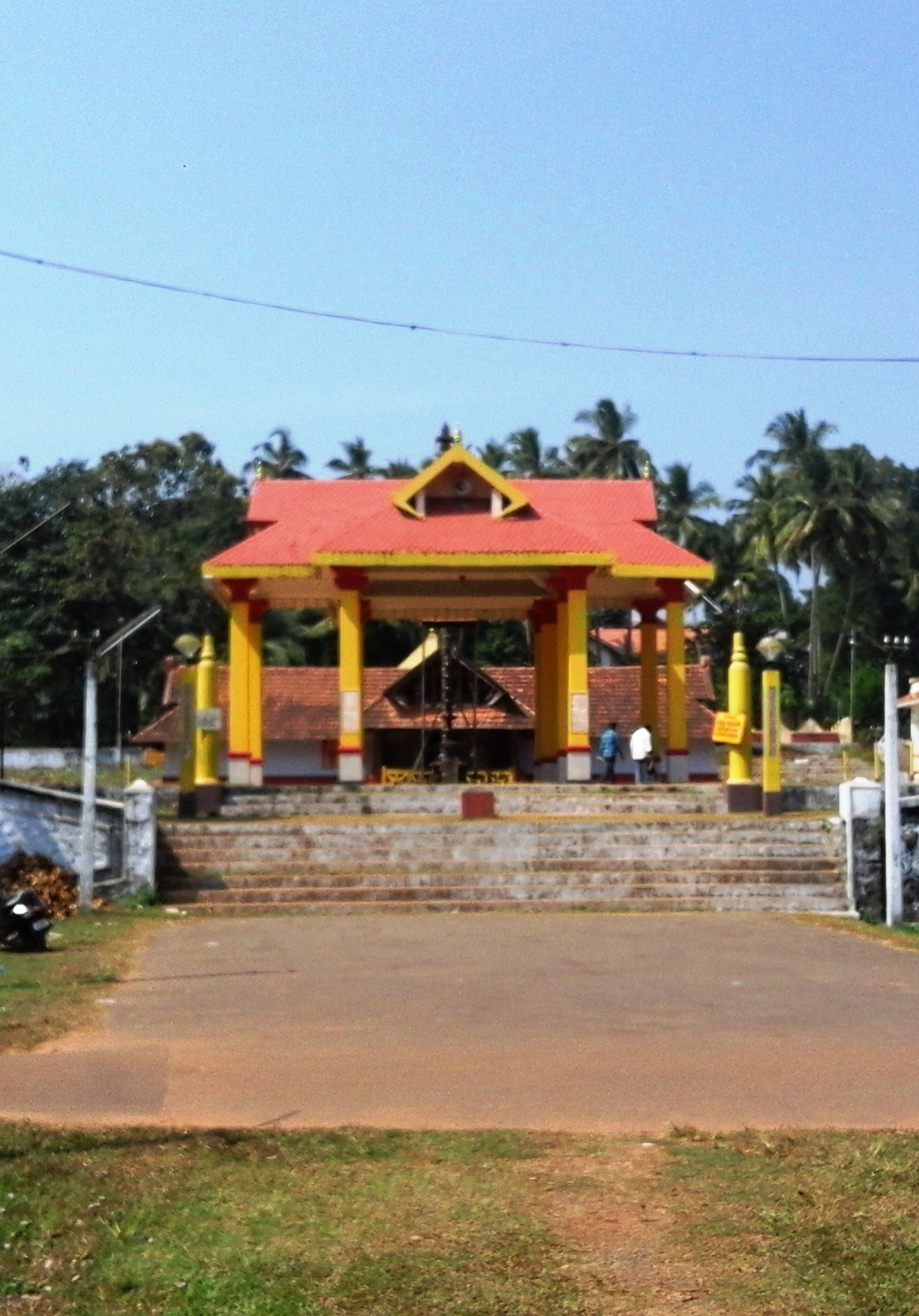
Daily darshan—the viewing of the deity—is available from 04:30 to 12:30 in the morning and from 17:00 to 20:00 in the evening. This extended schedule accommodates both early risers and those who prefer evening worship. The temple's architecture includes a gopuram (tower), a standard feature of South Indian Hindu temples, and the complex houses a museum dedicated to Sree Narayana Guru, allowing visitors to deepen their understanding of the reform movement that shaped the shrine's identity.
Festivals and Seasonal Observance
The temple celebrates several major festivals throughout the year, each bringing heightened decoration and increased devotional activity. Kartik Purnima, typically falling in November, holds particular significance at this shrine. Diwali in early November draws larger gatherings for the festival of lights and Lakshmi puja. Hanuman Jayanti in April marks the birth of Hanuman and is also observed here. Additionally, Raksha Bandhan, Janmashtami, and Maha Shivaratri are celebrated at the temple.
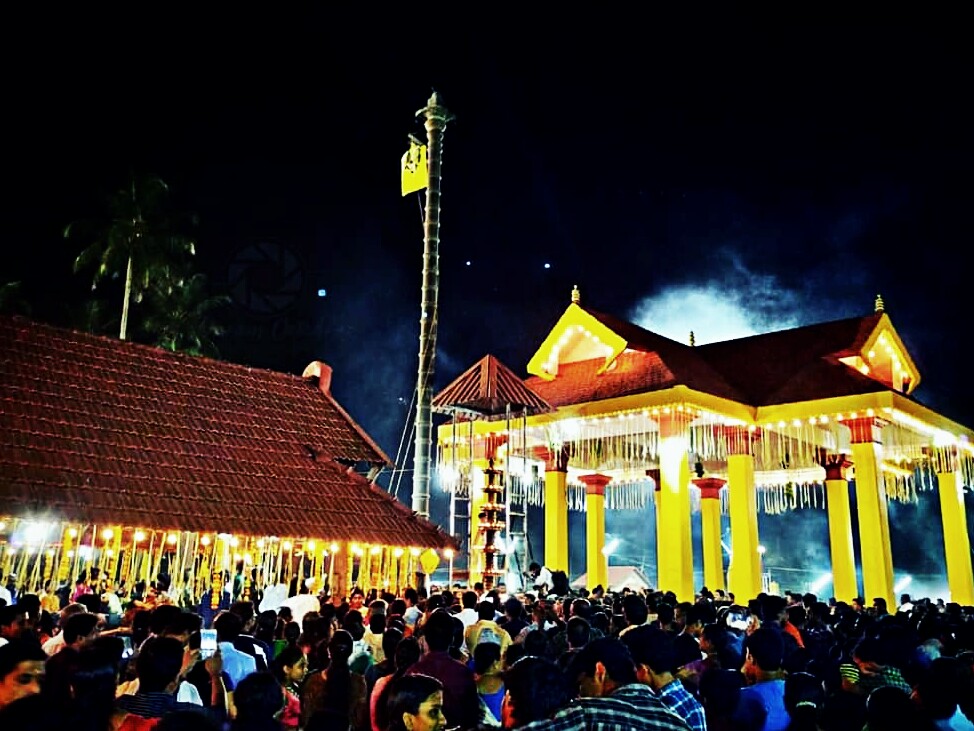
On festival days, the temple becomes visually elaborate and spiritually animated, though visitors should expect larger crowds. Exact dates follow the lunar calendar and vary from year to year; it is essential to verify dates and any schedule changes with the temple authorities before travelling. The period from October to March offers the most comfortable visiting conditions in Kerala's climate.
Visiting Practicalities
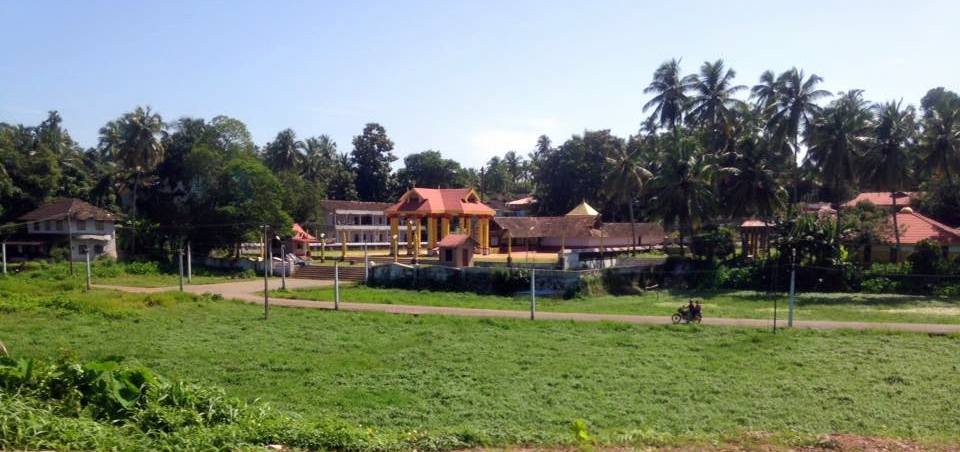
The temple is located in Punnol, Thalassery, at coordinates 11.73727°N, 75.5083°E in Kannur District. Thalassery is accessible by road from other parts of Kannur District and Kerala. For those travelling from further afield, Kannur has an airport and railway station. From Thalassery town, local directions or a taxi can guide you to the temple's location. It is advisable to confirm the exact address and directions with local sources or the temple itself before arrival.
Visitors should dress modestly and respectfully, covering shoulders and knees. Shoes are removed before entering the inner sanctum, as is standard practice in Hindu temples. Photography policies vary; it is courteous to ask permission before photographing the deity or rituals. The temple does not appear to offer extensive visitor facilities, so plan accordingly. Donations to support the temple's maintenance and activities are welcomed. If you wish to participate in specific rituals or require particular assistance, contacting the temple in advance is advisable.
The Museum and Guru's Legacy
Within the temple complex stands a museum dedicated to Sree Narayana Guru, underscoring the shrine's connection to Kerala's spiritual reform movement. Guru's teachings emphasised social equality and rational spirituality, reshaping how many Keralites understood and practised their faith. The museum provides context for understanding the temple not merely as a place of daily worship but as a living link to this important chapter in Kerala's religious and social history. Visitors interested in understanding the broader context of Kerala's spiritual traditions will find the museum a meaningful complement to their darshan experience.
How to reach


Temples near Jagannath Temple, Thalassery
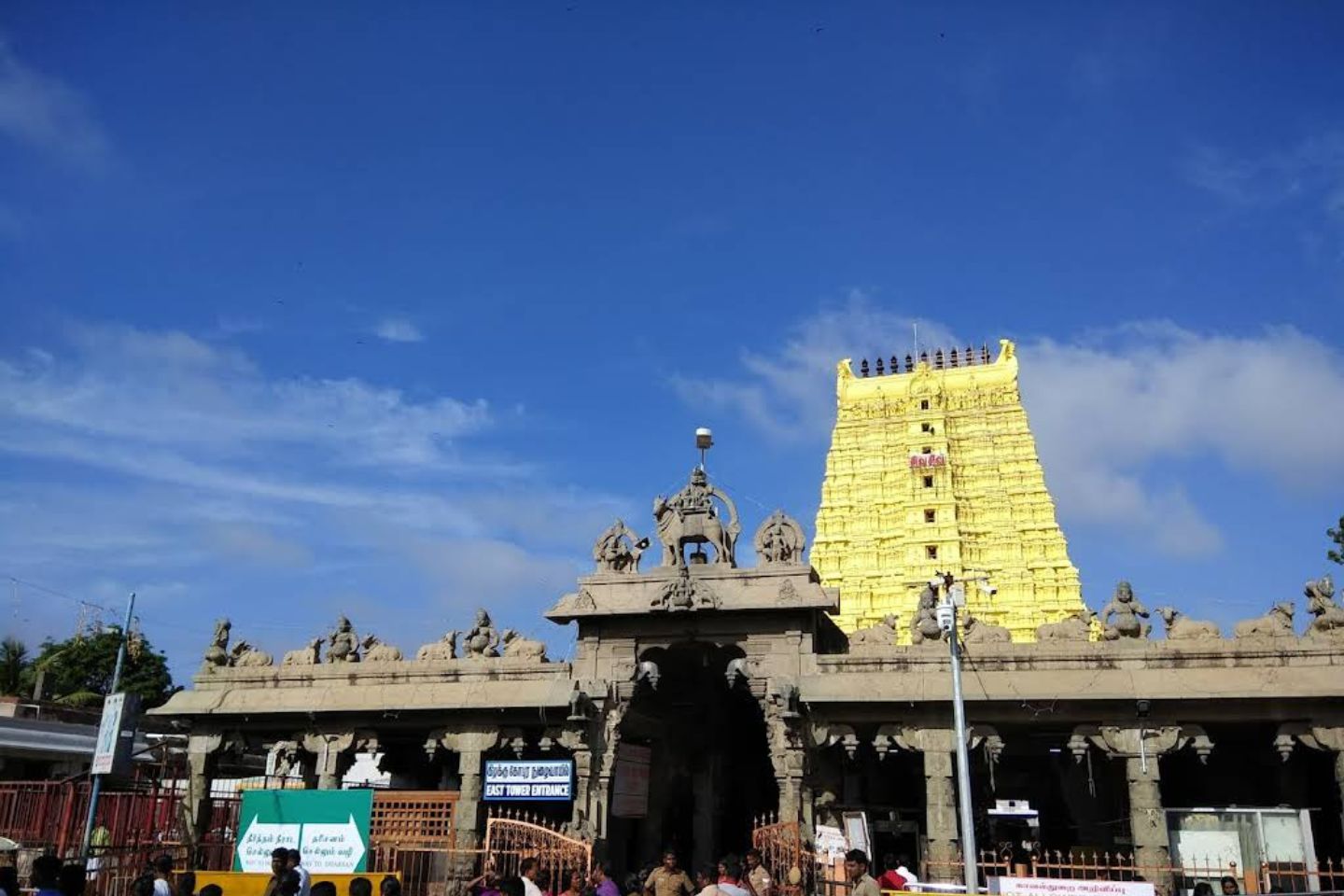
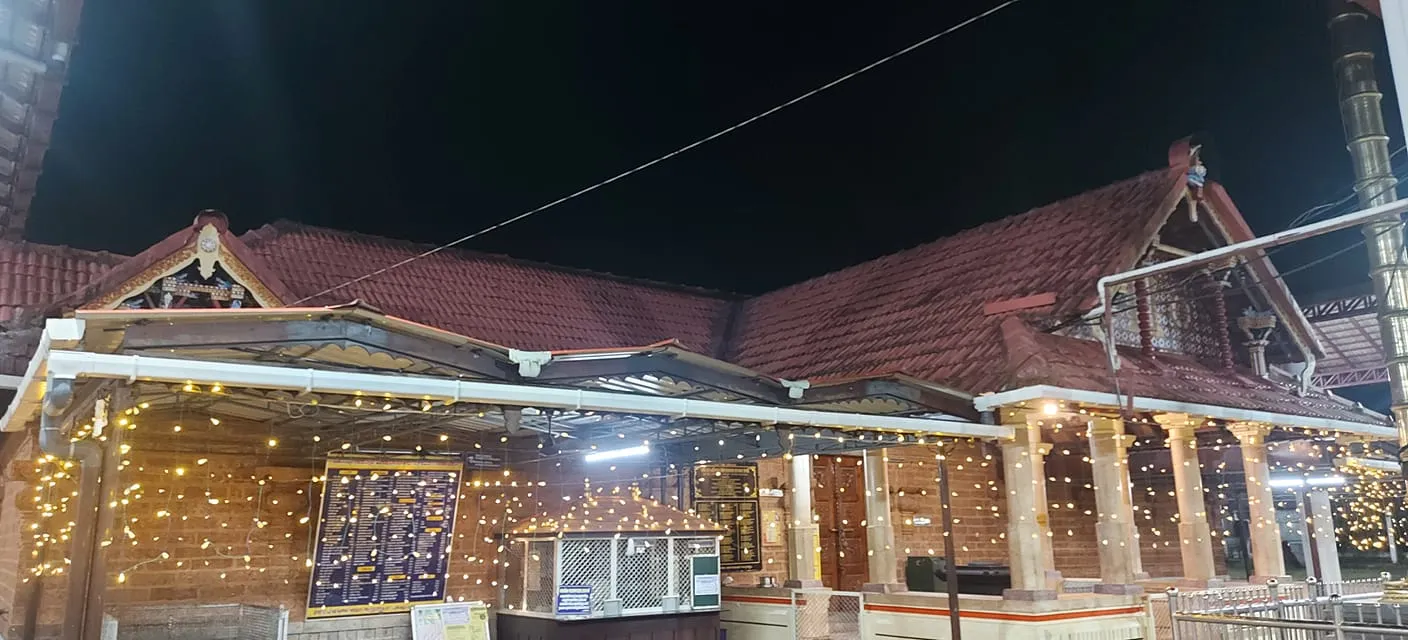
Sree Ramaswami Temple
Thiruvangad Sree Ramaswami Temple in Thalassery, Kerala, is an ancient shrine believed over 2000 years old, distinguished by its distinctive copper roof that earned it the name…
Sree Sundareswara Temple
Sree Sundareswara Temple in Kannur, Kerala, established in 1916, is a prominent Shiva temple consecrated by Sree Narayana Guru. The temple features the deity Sundareswara and is…
Vadavil Kalari sthaanam
Vadapalli Venkateswara Swamy Temple offers daily darshan with multiple seva options and special visishta darshan tickets available on Saturdays.
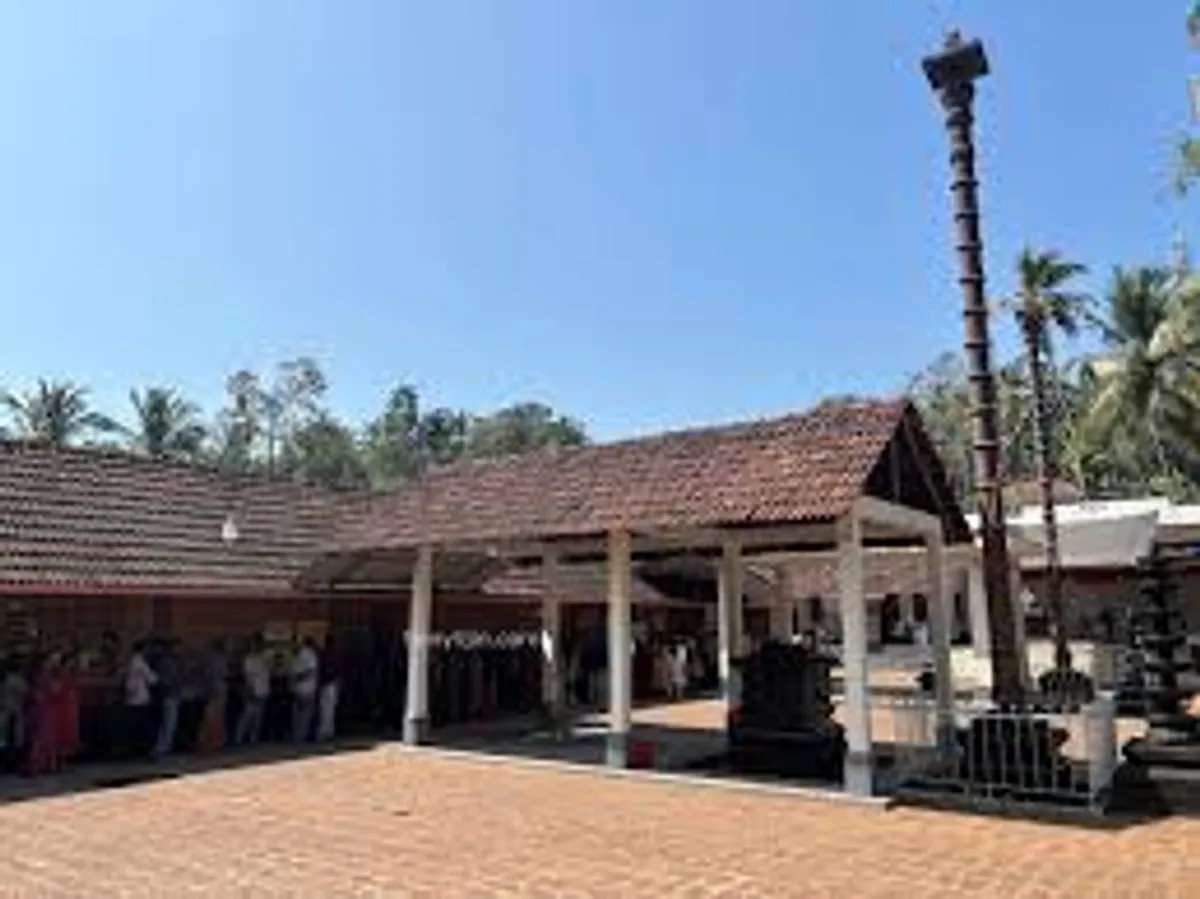
Kadachira Sri Thrikkapalam Siva Temple
An ancient Hindu temple dedicated to Lord Shiva in the form of Dakshinamurthy, situated on the banks of the Anjarakandi River at Peralassery in Kannur District, Kerala. The temp…
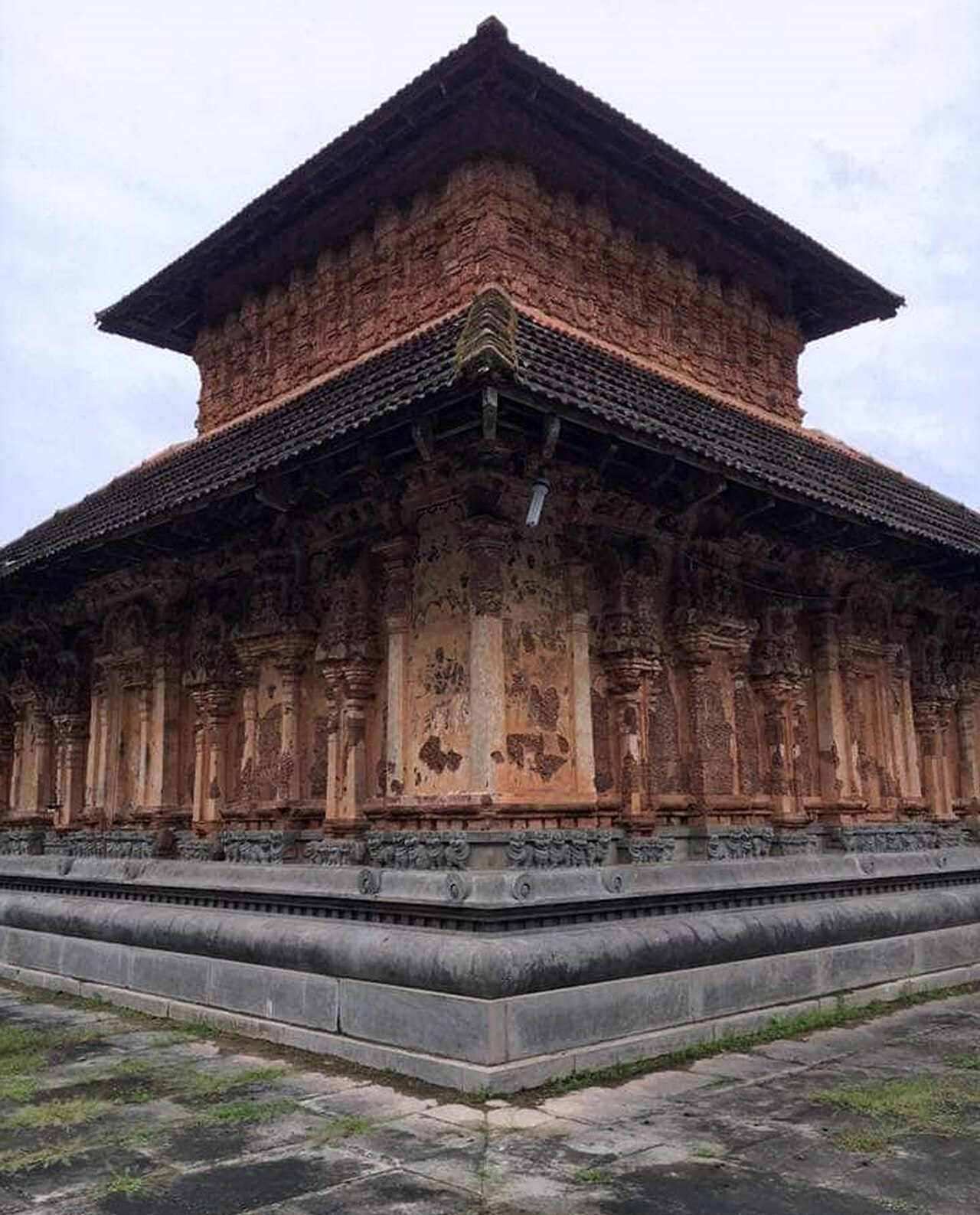
Nadapuram Iringannur Siva Temple
An ancient Hindu temple in Kozhikkode district dedicated to Lord Shiva in the form of Dakshinamurthy, believed to have been established by sage Parasurama and counted among Kera…
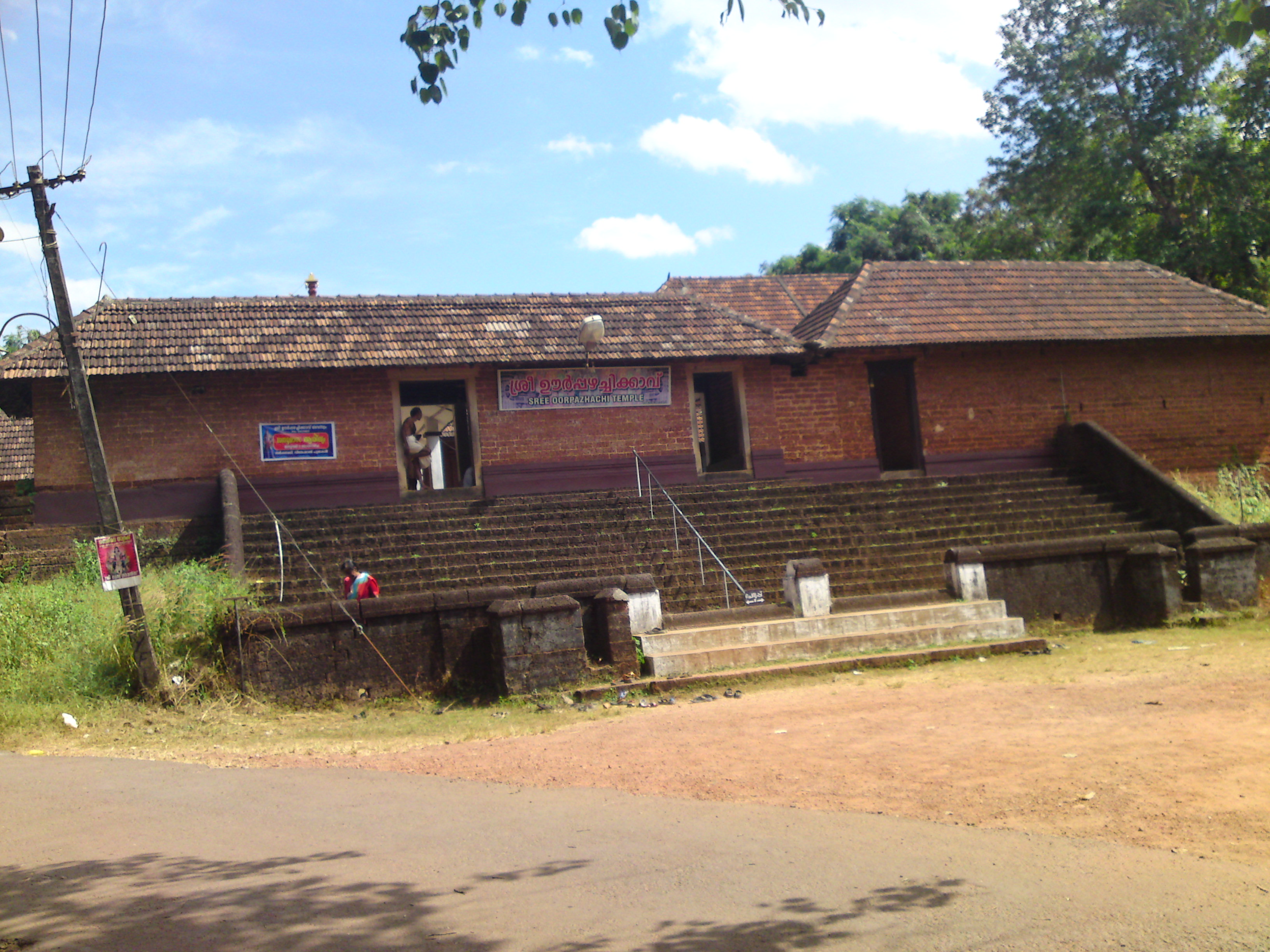
Oorpazhachi Kavu
Sree Oorpazhachi Kavu Temple in Edakkad, Kannur district, Kerala, is a centuries-old shrine dedicated to three deities representing Shaivism, Vaishnavism, and Shaktism, with a r…