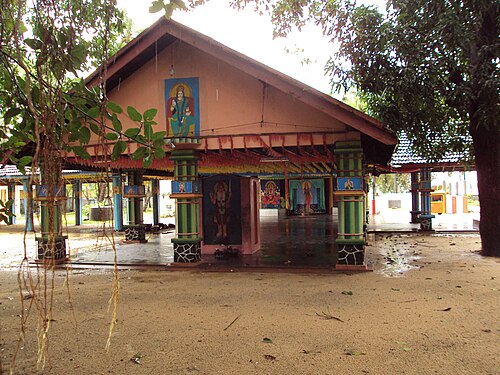
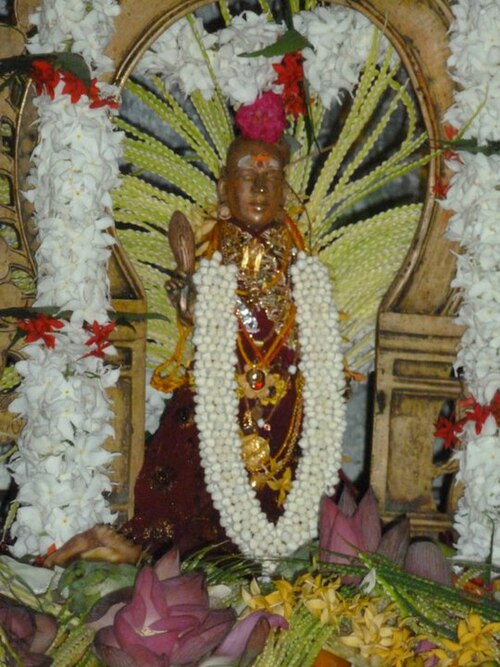
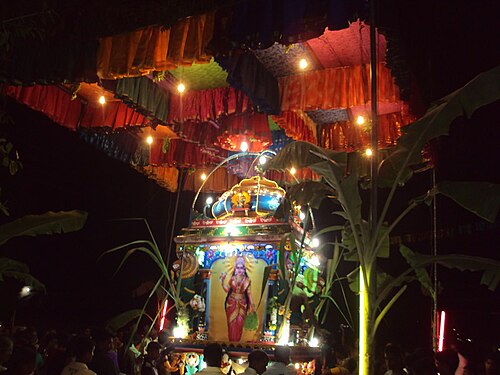
Thambiluvil Sri Kannaki amman temple
About Thambiluvil Sri Kannaki amman temple
The temple's origins carry two layers of historical claim. Tradition holds that the shrine dates to the period 113–135 CE, anchoring it in antiquity. The modern establishment, however, took shape in the 18th century when Hindu devotees from South India, particularly from the Nadar community, migrated to Sri Lanka and established the Kannaki Amman shrine. This migration and settlement created a lasting pilgrimage centre for the region's Hindu population.
The temple complex has grown to include additional shrines beyond the main sanctuary dedicated to Kannaki Amman. A Vishnu shrine and a shrine to Lord Ayyappa (Sastha) are also housed within the complex, reflecting the layered devotional practices common in Hindu temple spaces where multiple deities receive worship.
Daily Worship and Ritual Practice
The temple operates daily from 8:00 AM to 7:30 PM, providing devotees with flexible access for worship throughout the day. Worship follows traditional Hindu practices centred on puja—formal offerings and prayers conducted by the chief priest. Devotees typically present flowers, food, and incense as offerings, with some bringing clothing, jewellery, and coins as expressions of devotion or requests for the goddess's protection and favour.
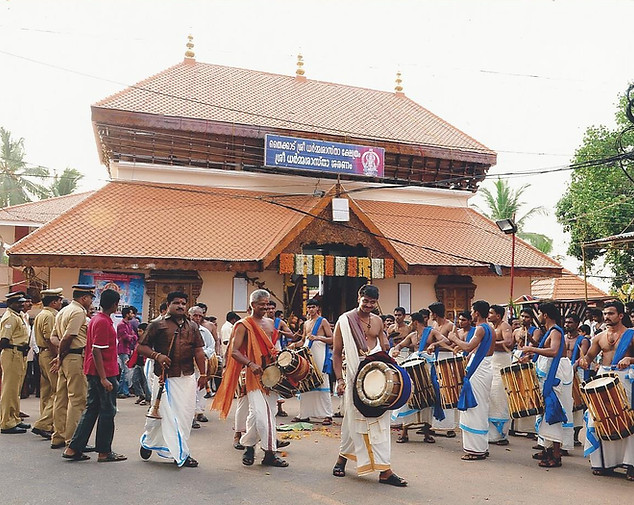
The sensory and spiritual atmosphere is enriched by ceremonial drums and traditional music played during worship. Many visitors meditate in the temple courtyard, seeking spiritual connection and the goddess's blessings. Following puja ceremonies, devotees receive prasadam—blessed flowers or other sacred tokens distributed by the chief priest—as a tangible sign of divine blessing to carry with them.
Festivals and Sacred Seasons
The temple observes major festivals of the Hindu calendar, including Raksha Bandhan, Krishna Janmashtami, Ganesh Chaturthi, Makar Sankranti, and Vasant Panchami. As a Devi temple, however, it places particular emphasis on festivals honouring the goddess. Navratri and Durga Ashtami draw significantly increased numbers of devotees to the shrine, making these periods especially significant in the temple's annual cycle.
Thiruvathirai, celebrated in the month of Margazhi (November–December), is another major observance when devotees travel from across Sri Lanka to participate in the celebrations. These festival periods represent the temple's most vibrant seasons, when the community gathers in collective worship and celebration.
Visiting the Temple: Practical Information
The temple is located in Thambiluvil, approximately 70 kilometres south of Batticaloa and 11 kilometres south of Akkaraipattu in Sri Lanka's Eastern Province. Visitors can reach the temple by taking a train or bus to Batticaloa, from which it is a short drive to Thambiluvil. Taxis are also available from larger cities in the region.
The best times to visit are during Navratri, Durga Ashtami, and Thiruvathirai (November–December), when the temple's spiritual energy is heightened and the community gathers for celebrations. However, the temple welcomes visitors year-round during its daily operating hours. Visitors should dress respectfully, removing footwear before entering the inner sanctum, as is customary in Hindu temples. Modest clothing is appropriate. Offerings of flowers or small donations are welcome, though not required. Photography policies may vary; it is respectful to ask permission before photographing the deity or inner sanctum.
How to reach
You may also visit
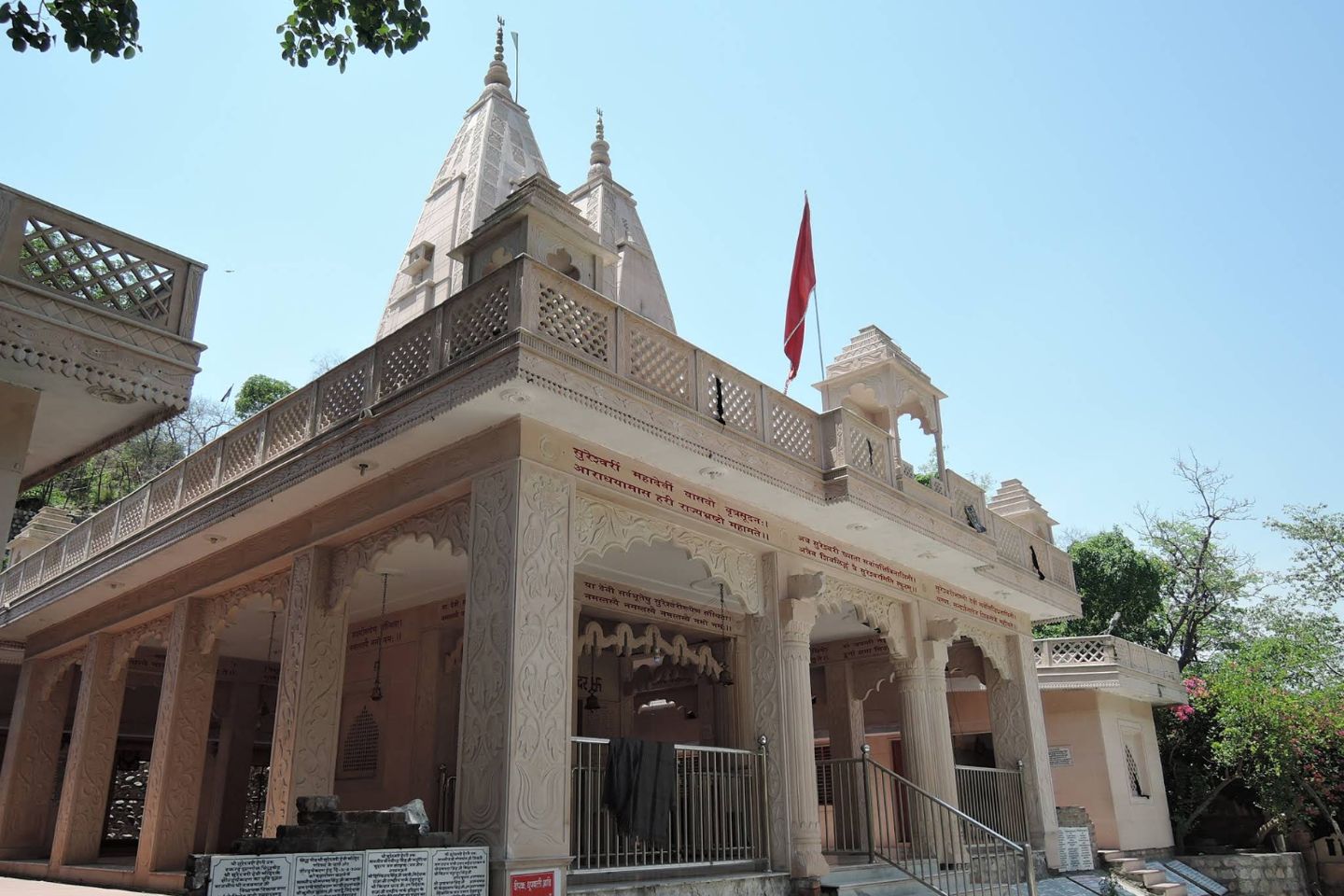
Sureshwari Devi Temple
Sureshwari Devi Temple in Haridwar is a forest shrine dedicated to the goddess, situated within the Ranipur Range area near Rajaji National Park, offering a secluded spiritual e…
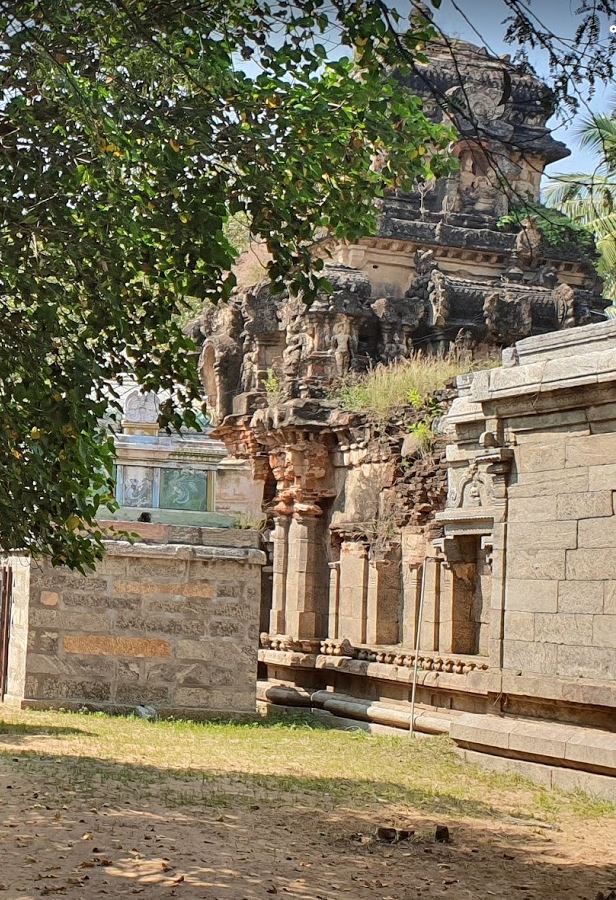
Agatheeswarar Temple, Karur
Agatheeswarar Temple in Thirumukkudalur, Karur district, is an ancient Hindu shrine dedicated to Shiva, situated at the sacred confluence of three rivers and believed to be over…

Shani Shingnapur
Shani Shingnapur is a renowned temple in Maharashtra dedicated to Lord Shani, featuring a self-emerged black stone idol worshipped under open sky. The temple is located in a uni…
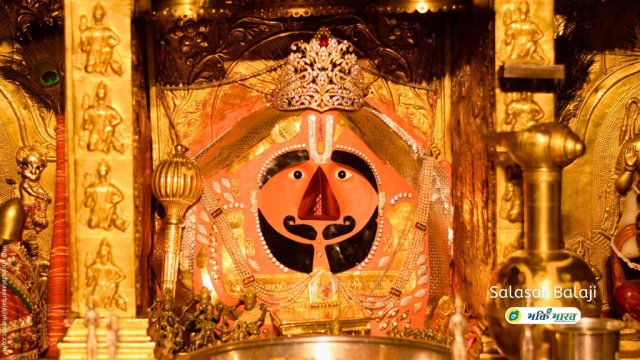
Salasar Balaji Temple
Salasar Balaji Temple in Churu district, Rajasthan, is a revered shrine dedicated to Lord Hanuman, distinguished by its unique depiction of the deity with a round face, beard, a…
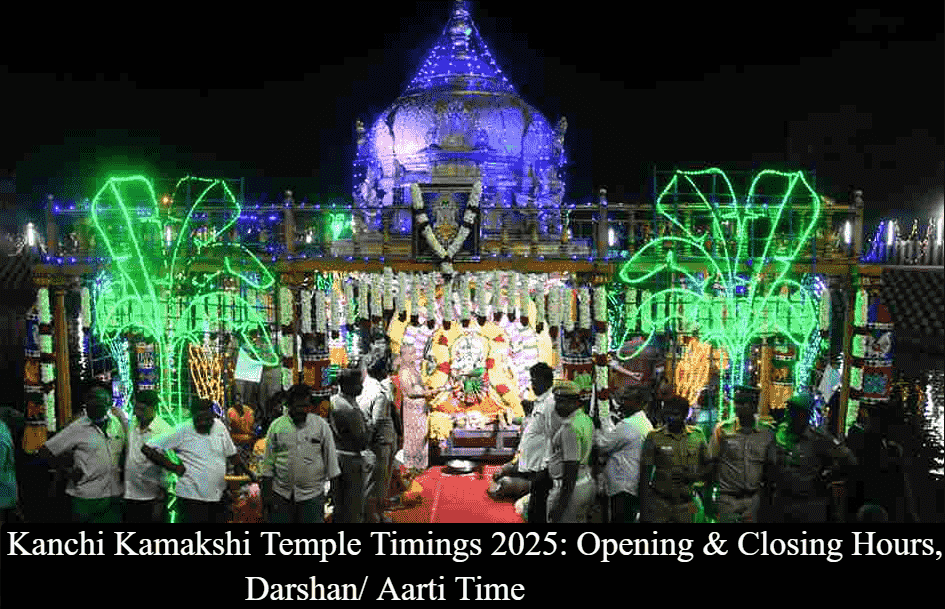
Kamaksha
Arulmigu Kamakshi Amman Temple in Mangadu, near Chennai, is dedicated to the goddess Kamakshi, an aspect of Adi Parashakti. According to legend, the goddess performed austeritie…
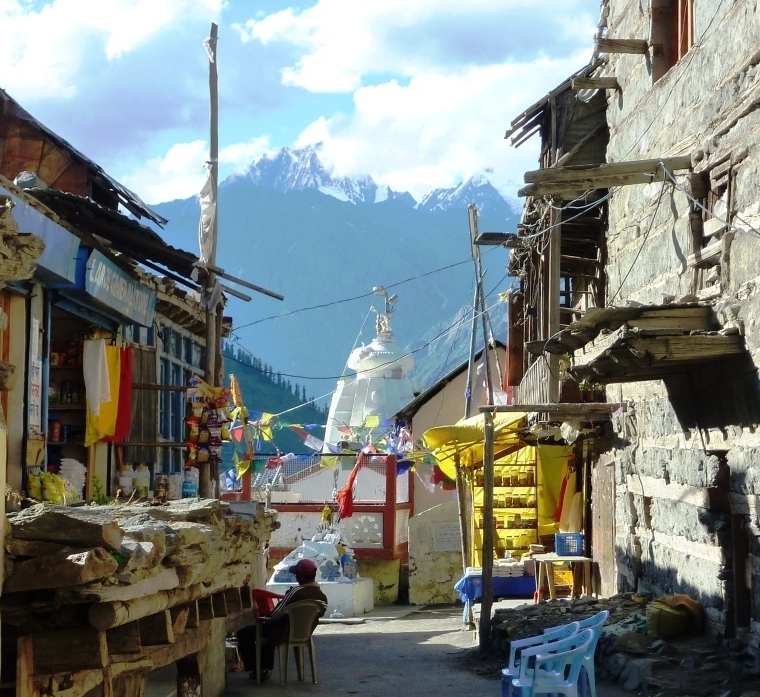
Trilokinath Temple at Tunde
The Trilokinath Temple in Tunde is an ancient shrine venerated by both Hindus and Buddhists, situated at 2,760 metres in the Lahul and Spiti District of Himachal Pradesh. Hindus…