
Temple of Vedic Planetarium
About Temple of Vedic Planetarium
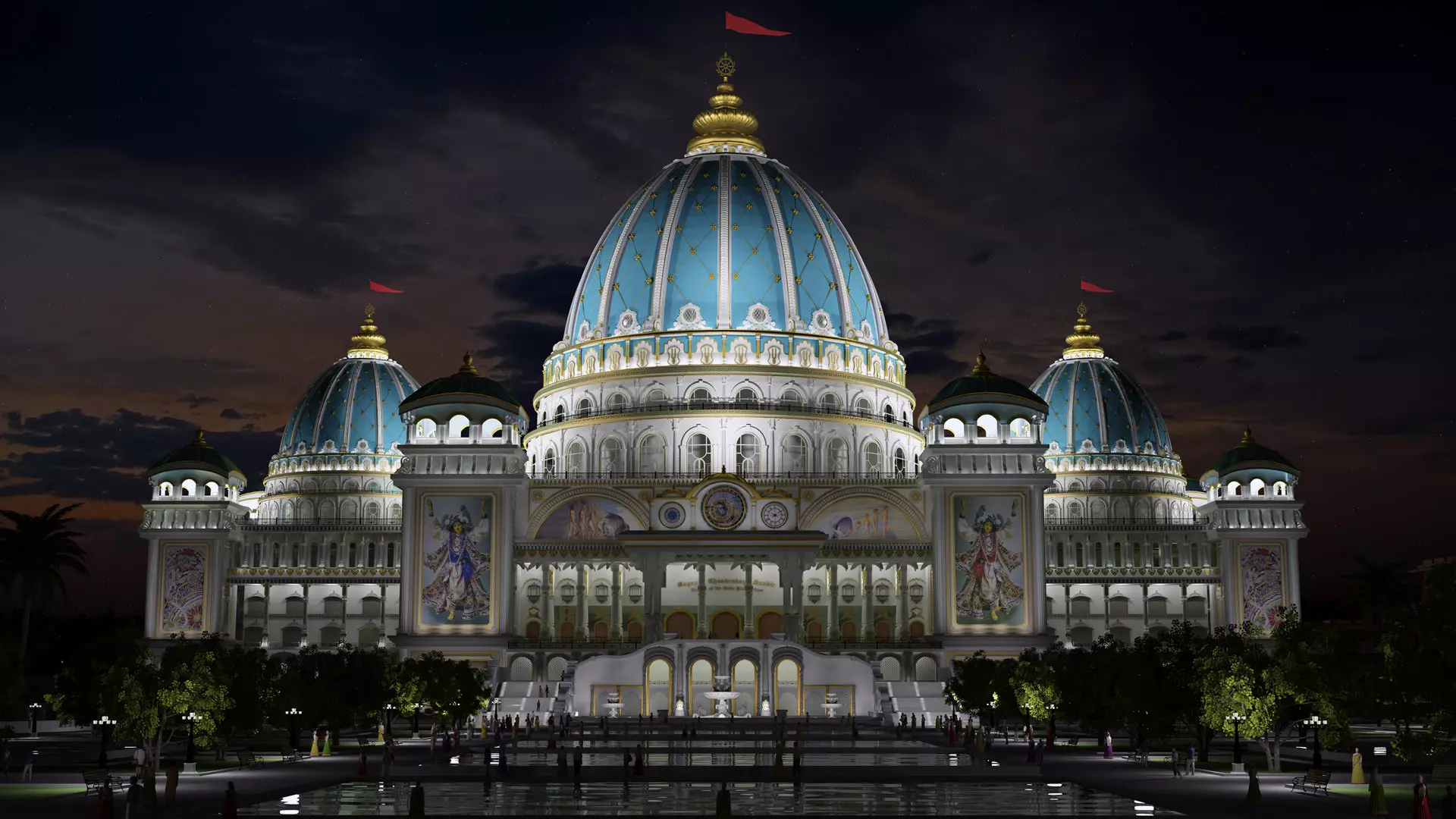
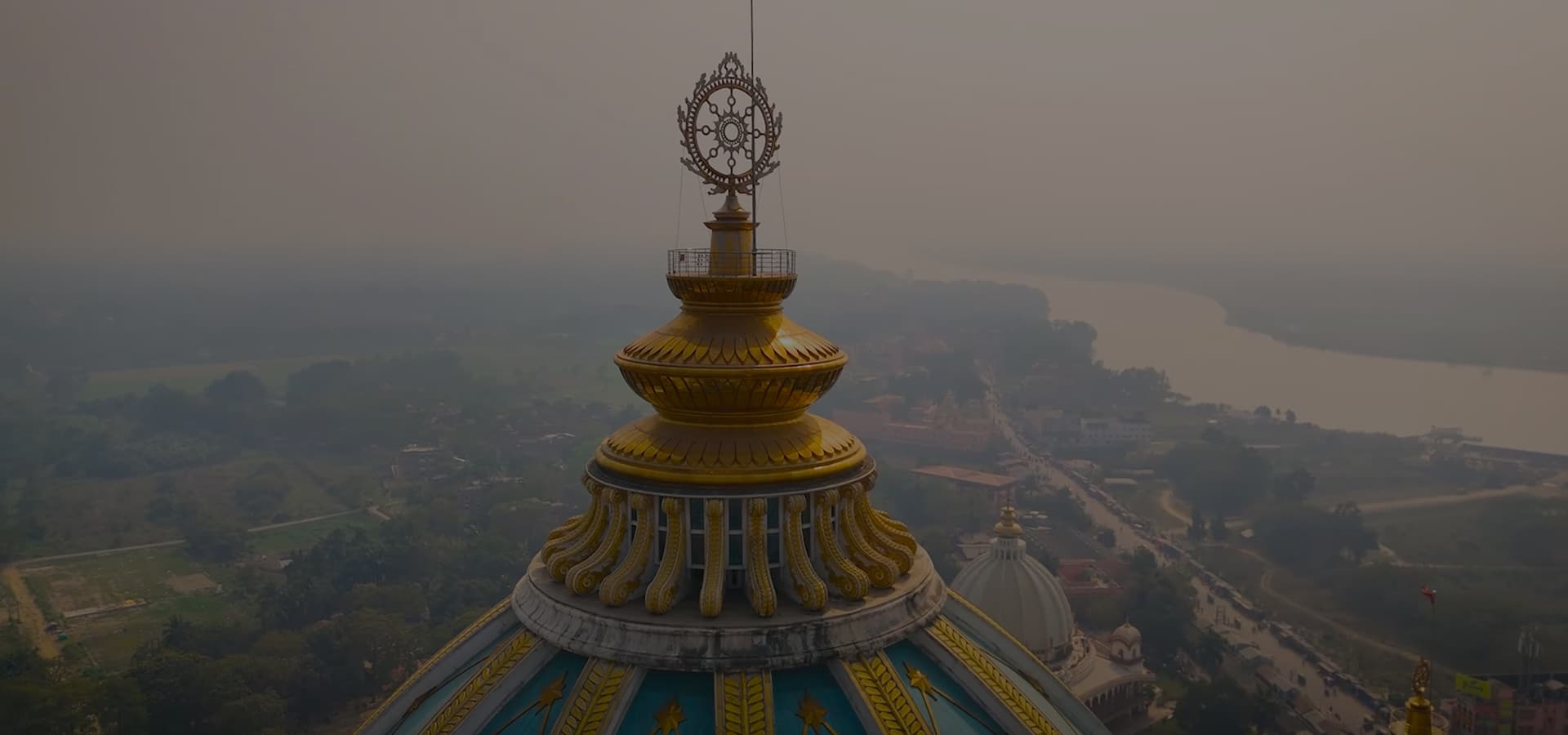
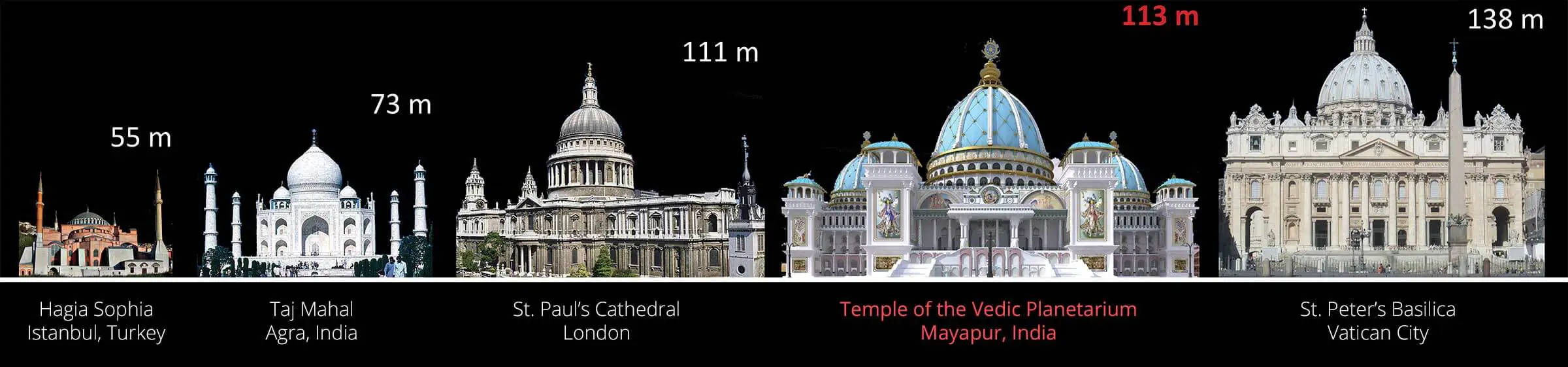
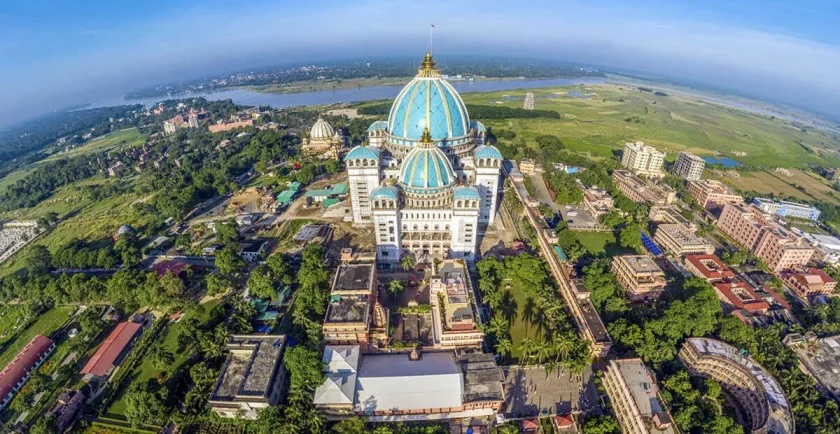
The temple's design carries symbolic weight throughout its structure. The main dome, inspired by architectural elements from the US Capitol and St. Peter's Basilica, rises above Bengal's plains as a distinctive landmark. The seven floors represent the seven planetary systems within Vedic cosmology, while the main dome symbolizes the material universe and the inner sanctum directs consciousness toward the spiritual world beyond. Each architectural element has been conceived to embody profound spiritual meaning.
The project, established in 2009, remains under active construction with an anticipated opening in 2027, making it currently a work in progress. Visitors should expect that certain areas may be restricted and facilities may be limited compared to completed temples. The scale of the undertaking—designed to become the largest religious monument in the world upon completion—reflects the ambition of ISKCON's vision, with the project chaired by Alfred Brush Ford (known in the tradition as Ambarish Das).
Daily Worship and Darshan
The temple maintains regular darshan hours from 04:30 to 20:30 daily, though specific timings may vary seasonally and on festival days. The Mangal Arati, the dawn ritual, begins at 04:30 and represents a significant time for worship and observation. Temples of the Gaudiya Vaishnava tradition typically offer multiple opportunities for darshan throughout the day, with special observances during dawn and evening hours. A daily Nitya Homa Yajna (fire ritual) is performed at the complex as part of regular ritual worship.
Visitors are advised to confirm current darshan schedules with the temple office before traveling, as ongoing construction may affect access and timing. The temple office can be reached at +91 80168 86555 for current information about accessible areas and any specific guidelines during the construction phase.
Festivals and Observances
The temple celebrates festivals significant to the Gaudiya Vaishnava tradition, including Hanuman Jayanti, which marks the birth of Hanuman and is observed with special decoration and increased devotional activity. As construction continues, festival observances may be adapted to the evolving state of the complex. Visitors planning to attend during festival periods should confirm dates and arrangements in advance with the temple, as the construction timeline may affect how celebrations are conducted.
Visiting Practicalities
Mayapur is located in Nadia district, West Bengal, and is accessible by road from Kolkata and other regional centers. The temple's coordinates are 23.4248°N, 88.3888°E. Entry to the temple is free. Modest dress is customary when visiting Hindu temples; visitors should avoid shorts and sleeveless attire. Shoes are typically removed before entering worship spaces. Given the ongoing construction, visitors should be prepared for limited facilities and restricted access to certain areas, and should contact the temple office for current information about what is accessible.
How to Reach
The Temple of the Vedic Planetarium is located in Sridham Mayapur, Nadia District, West Bengal, India, at coordinates 23.4248°N, 88.3888°E. The site sits at the confluence of the Ganga and Jalangi rivers. For travel planning and current information about access during construction, contact the temple office at +91 80168 86555. Visitors should confirm darshan timings and any restrictions before traveling, particularly if planning to visit during festival periods or to access specific areas of the complex.
How to reach
Temples near Temple of Vedic Planetarium
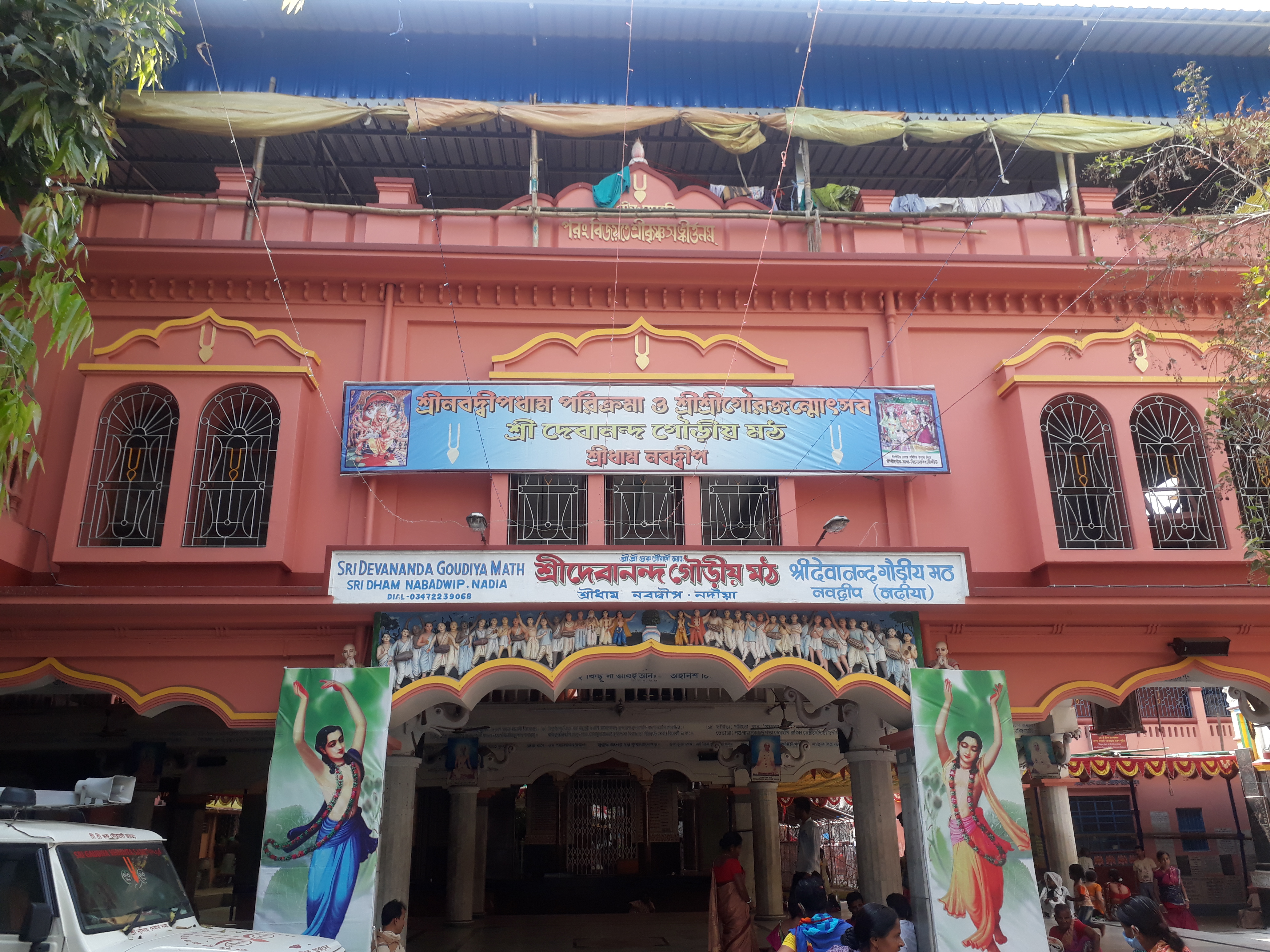
Sri Devananda Gaudiya Math
Sri Devananda Gaudiya Math, situated in Teghori Pada within Nabadwip's sacred Koladvipa island, serves as a major pilgrimage center and headquarters of the Sri Gaudiya Vedanta S…
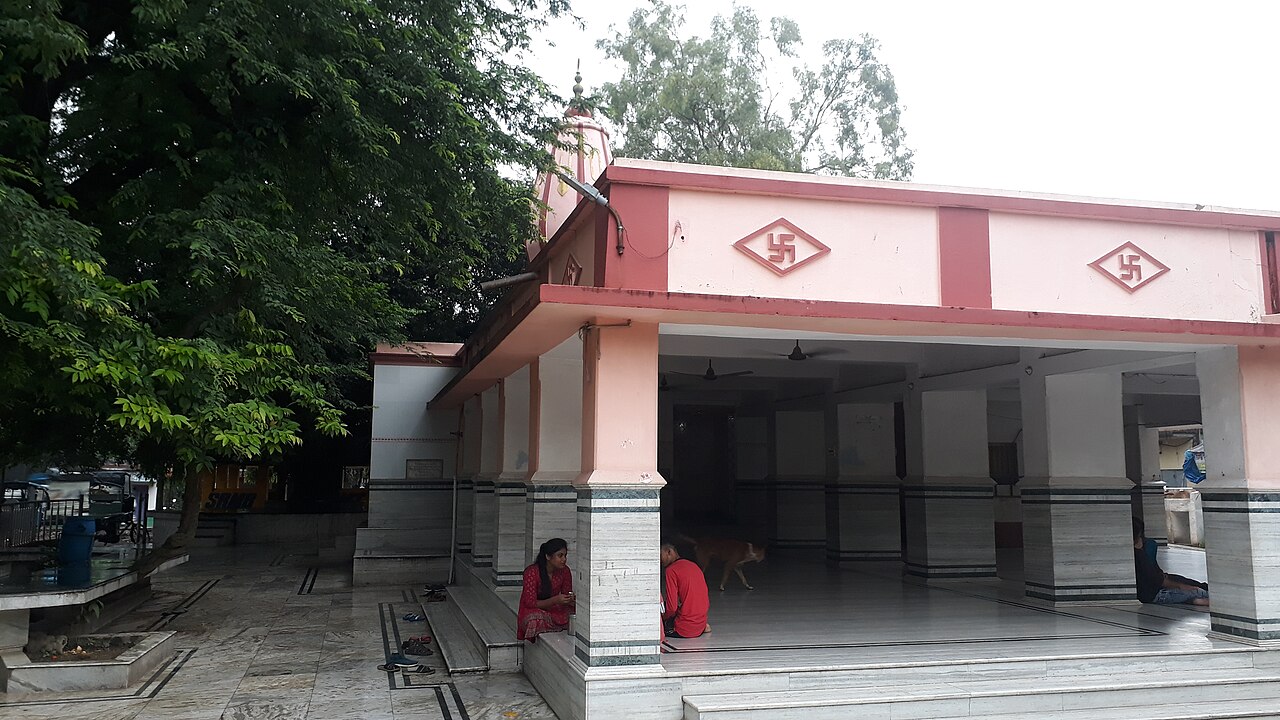
Nrisingha Temple, Nadia
Nrisingha Temple in Nadia, West Bengal is an ancient shrine dedicated to Narasimha, reconstructed in 1896, situated along the Nabadwip-Krishnagar road and rooted in the Gaudiya…
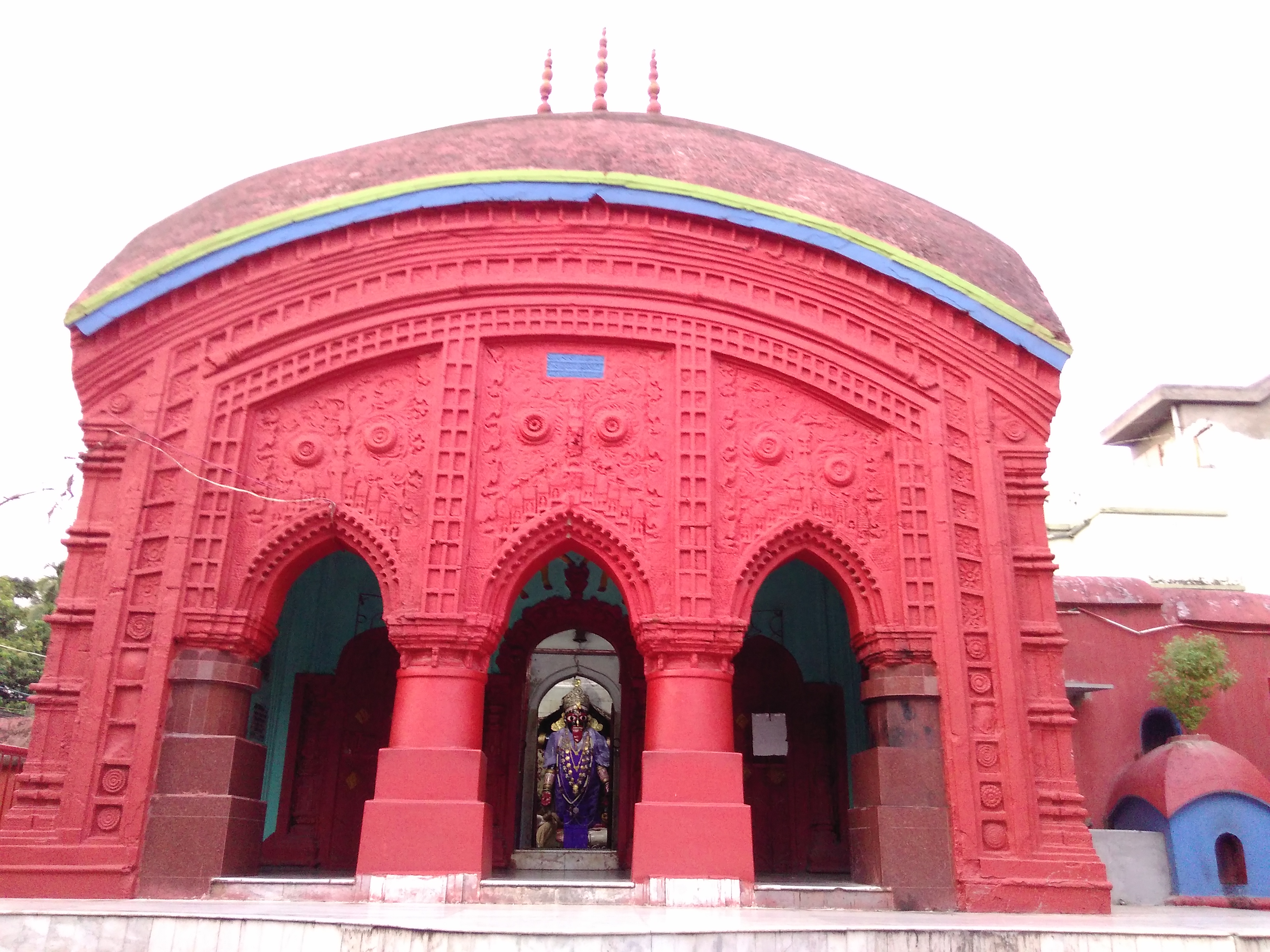
Siddheshwari Kali temple
Siddheshwari Kali Mandir is a historic Śākta temple in Kalna City, West Bengal, dedicated to the goddess Kali in her Siddheshwari form. Built in the mid-18th century near the Bh…
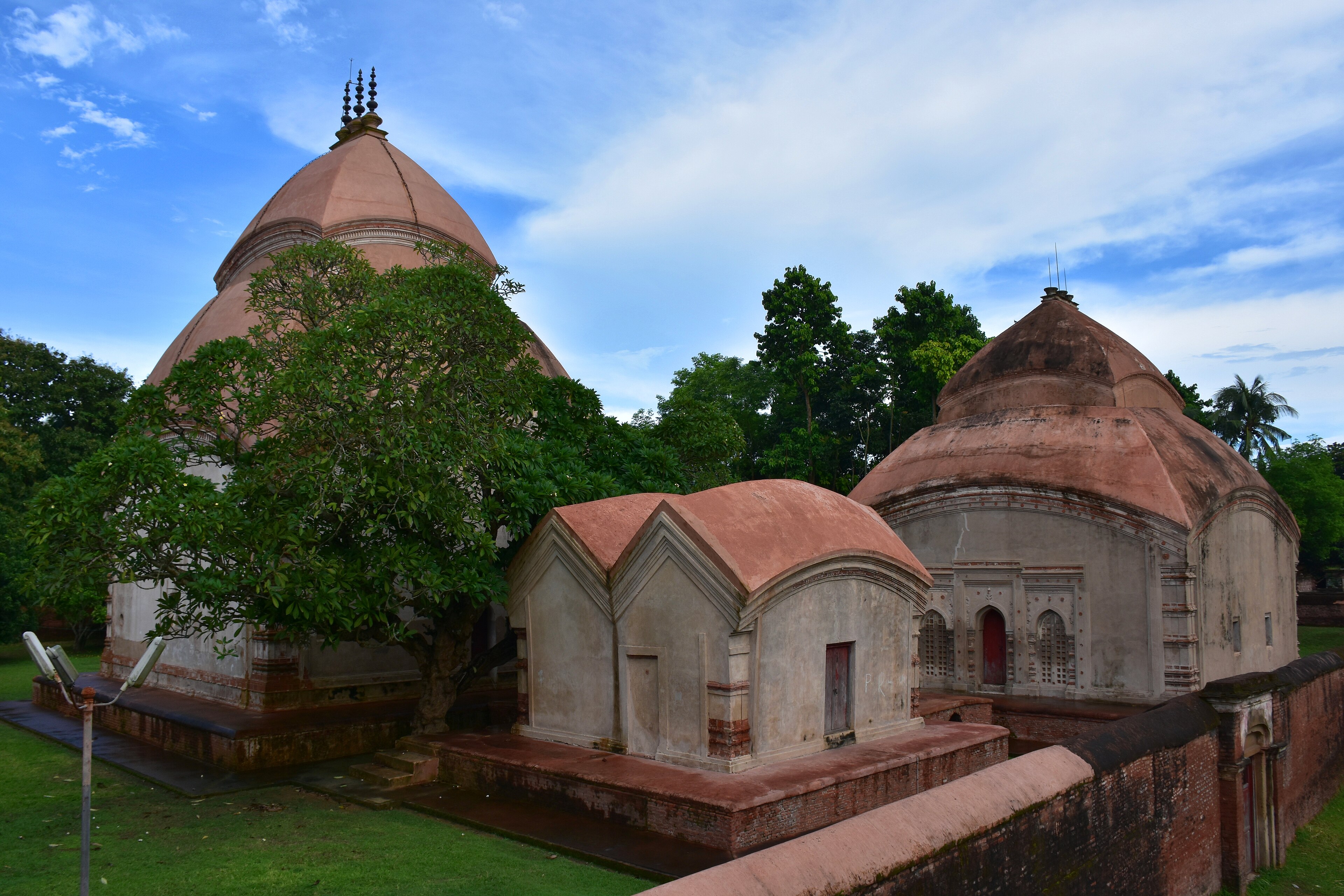
Brindaban Chandra's Math
Brindaban Chandra's Math is a 17th–18th century temple complex in Guptipara, Hooghly district, West Bengal, housing idols of Jagannath, Balaram, and Subhadra and renowned for it…

Jagadish Pandit's Shripat
Shree Shree Jagannath Mandir in Balasore, Odisha is a sand-stone temple dedicated to Lord Jagannath, architecturally modeled after the classical Sri Jagannath temple of Puri. Th…
Bahula Temple
Bahula Temple, one of the 51 Shakti Pithas, is a Hindu shrine in West Bengal dedicated to Goddess Bahula, a manifestation of Devi Parvati, attracting pilgrims seeking communion…