

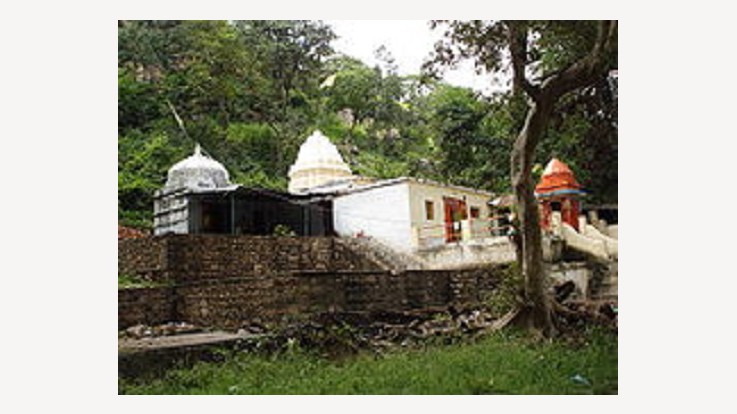
Taxakeshwar Temple, Mandsaur
About Taxakeshwar Temple, Mandsaur
The site carries prehistoric origins, with evidence of ancient cave paintings in the vicinity. Historically, Taxakeshwar functioned as a major centre for Naga (serpent) worship across the Malwa region of Central India. The current temple structures have been maintained and renovated over centuries by various local dynasties, particularly the rulers of Bhanpura. This continuity of care has preserved the shrine as both a religious site and a refuge for ascetics and nature worshippers.
According to the Puranas, Taxak was the serpent king who bit King Parikshit. Local tradition holds that after King Janamejaya performed the Sarpa Satra (serpent sacrifice), Taxak sought refuge in this valley and undertook penance to Lord Shiva. Shiva granted him a place of honour beside him. The perpetual waterfall is understood by devotees as a manifestation of divine grace continuously blessing the valley.
Daily Worship and Rituals
The temple opens daily from 06:00 to 19:00. The main ritual observed here is Taxak Naga Pujan, a special worship dedicated to the serpent king, through which devotees seek protection. This ritual typically takes approximately 30 minutes. Feeding the sacred fish in the kund is a widespread practice among visitors and forms part of the devotional experience at the site.
Temples dedicated to Shiva typically maintain regular darshan hours and may offer ritual services to devotees, though specific details of daily puja schedules or priestly arrangements are not documented in available sources.
Nag Panchami: The Principal Festival
Nag Panchami is the grandest festival at Taxakeshwar, drawing thousands of devotees to worship the serpent king and make ritual offerings of milk. This festival, observed across Hindu tradition on the fifth lunar day (panchami) of the bright fortnight in the month of Shravan (typically July or August), holds particular significance at this shrine given its unique focus on Taxak as a primary deity. The festival represents the temple's role as a major centre for serpent worship in the region.
Visiting: Practical Information
Best times to visit: The monsoon season from July to September transforms the landscape and enhances the waterfall's flow, making this the most visually striking period. Nag Panchami also draws many pilgrims and creates a vibrant atmosphere.
What to wear: Casual trekking attire or traditional dress are both appropriate. Non-slip footwear is essential if you plan to approach the waterfall or pool, as rocks become slippery, particularly during or after rain.
Accessibility: The temple sits at the base of a steep cliff. While steps provide access, the return climb is strenuous and not suitable for those with mobility difficulties. The site is not wheelchair accessible. Families with children find the location rewarding for both spiritual practice and the opportunity to observe the fish in the clear pool.
Cautions: Monkeys inhabit the area; exercise appropriate caution and do not leave food or valuables unattended.
How to Reach
The temple is located approximately 22 kilometres from Bhanpura and roughly 160 kilometres from Kota in Rajasthan. A private vehicle or taxi from Bhanpura is the most practical means of access, as the route involves winding roads descending into the valley. Public transport options to this remote location are limited. Allow time for the descent and return journey when planning your visit.
How to reach
You may also visit
Sureshwari Devi Temple
Sureshwari Devi Temple in Haridwar is a forest shrine dedicated to the goddess, situated within the Ranipur Range area near Rajaji National Park, offering a secluded spiritual e…
Agatheeswarar Temple, Karur
Agatheeswarar Temple in Thirumukkudalur, Karur district, is an ancient Hindu shrine dedicated to Shiva, situated at the sacred confluence of three rivers and believed to be over…

Shani Shingnapur
Shani Shingnapur is a renowned temple in Maharashtra dedicated to Lord Shani, featuring a self-emerged black stone idol worshipped under open sky. The temple is located in a uni…
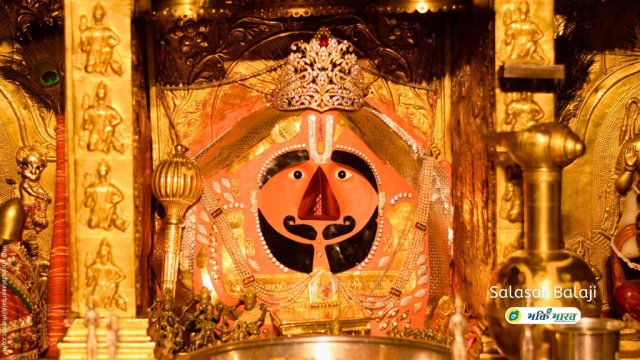
Salasar Balaji Temple
Salasar Balaji Temple in Churu district, Rajasthan, is a revered shrine dedicated to Lord Hanuman, distinguished by its unique depiction of the deity with a round face, beard, a…
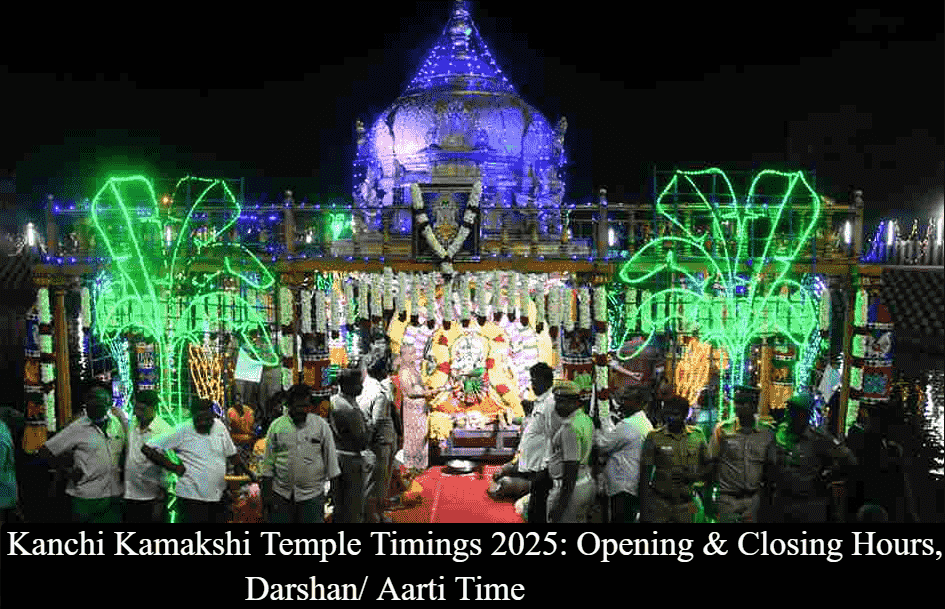
Kamaksha
Arulmigu Kamakshi Amman Temple in Mangadu, near Chennai, is dedicated to the goddess Kamakshi, an aspect of Adi Parashakti. According to legend, the goddess performed austeritie…
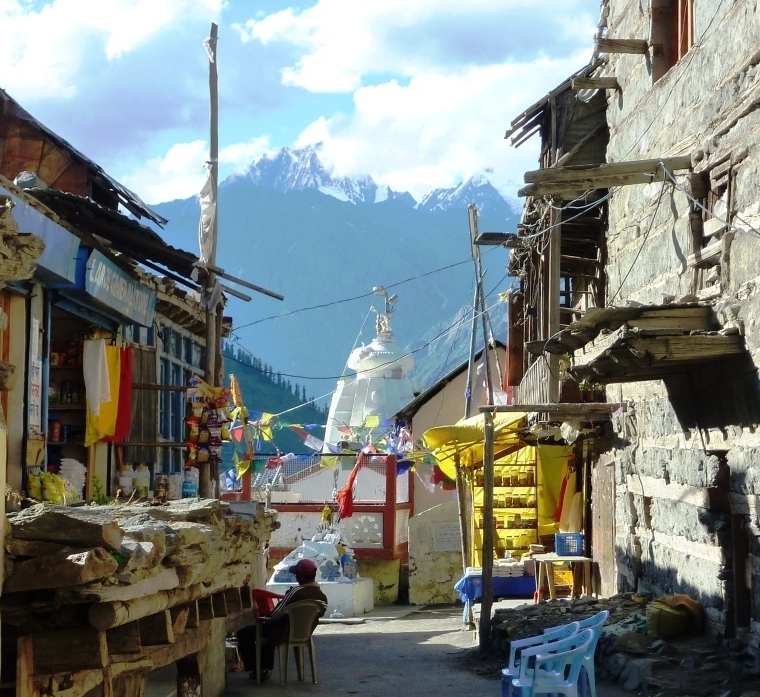
Trilokinath Temple at Tunde
The Trilokinath Temple in Tunde is an ancient shrine venerated by both Hindus and Buddhists, situated at 2,760 metres in the Lahul and Spiti District of Himachal Pradesh. Hindus…