Tapkeshwari Temple
About Tapkeshwari Temple
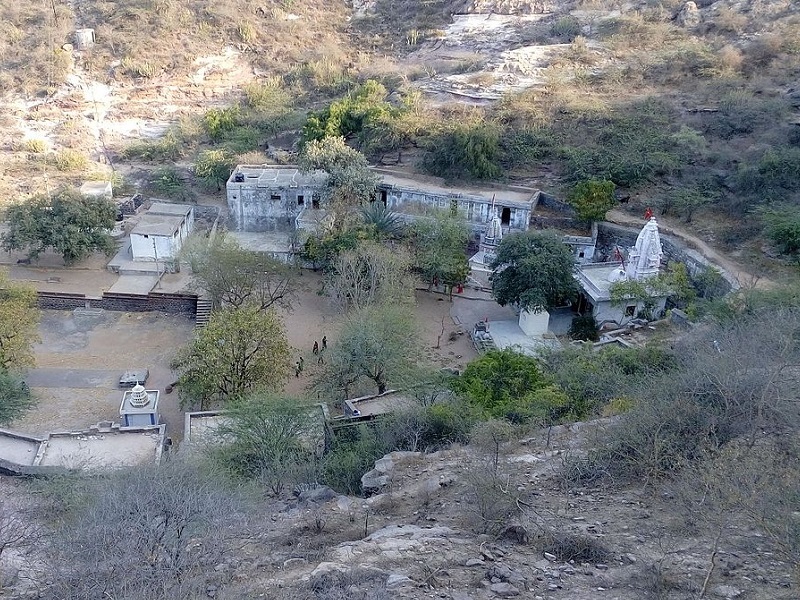
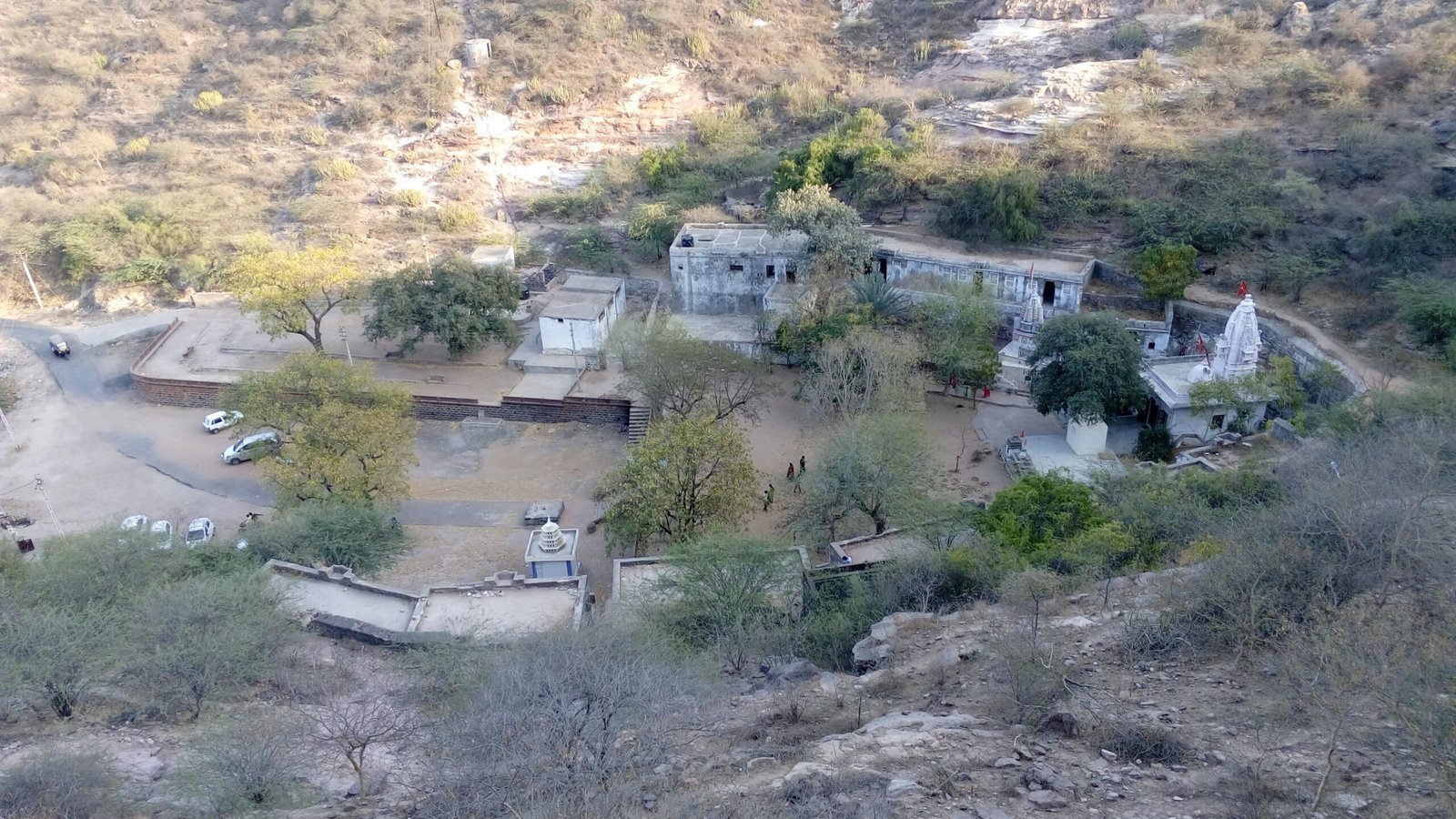
The temple occupies coordinates 23.18095800438221, 69.66693876393481 in the Tapkeshwari hill range, positioned to the south of Bhuj in Kutch district, Gujarat. Bhuj serves as the nearest major city and the logical starting point for visitors. The hill range setting means the temple is not within the urban centre but rather in a more remote, elevated location. Visitors should plan their journey accordingly, allowing time to travel from Bhuj to the temple site. The exact road conditions, distance, and transport options from Bhuj are not specified in available sources, so local inquiry upon arrival in Bhuj is advisable.
The Sacred Landscape
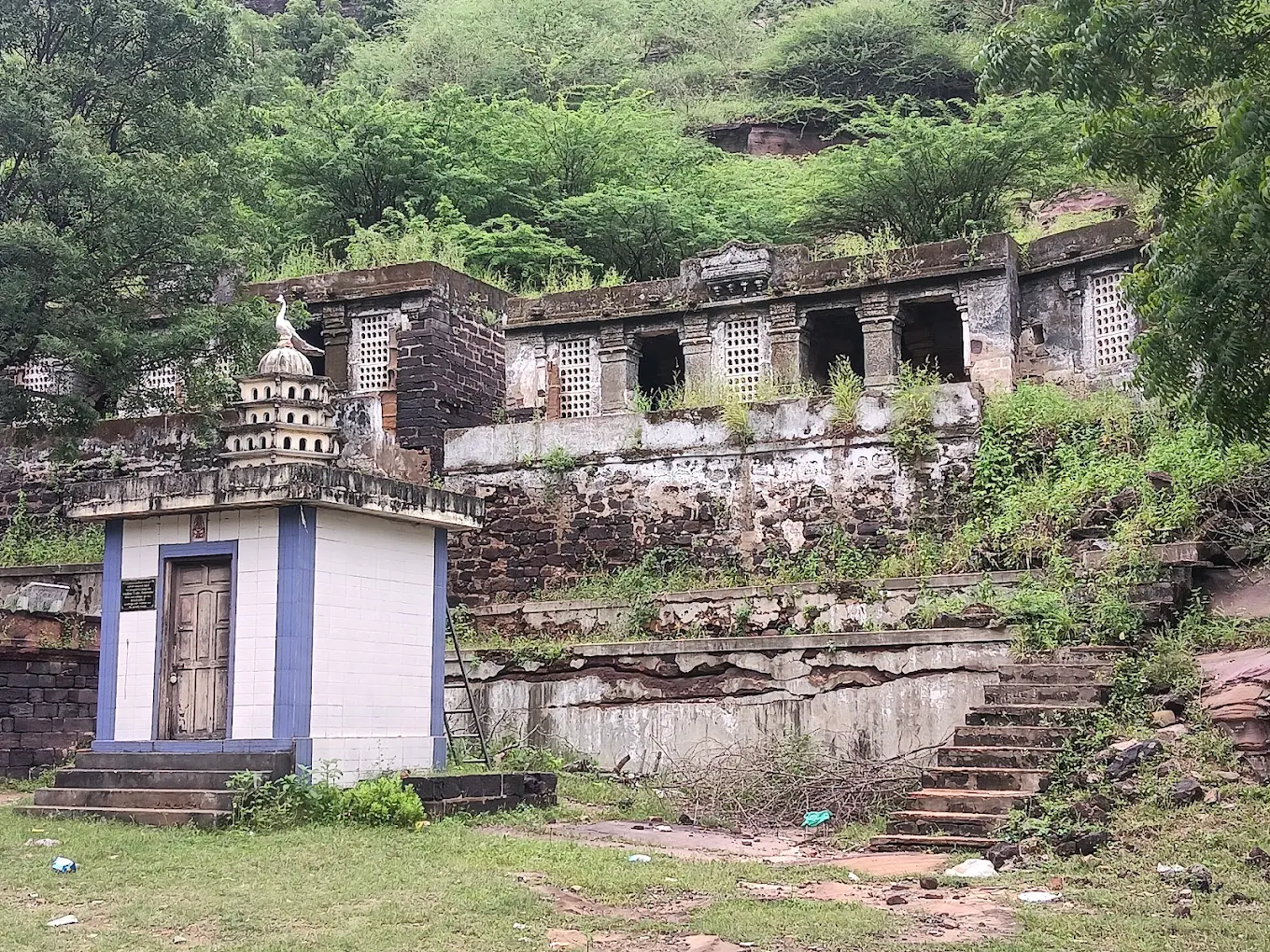
The valley setting distinguishes this temple from many urban shrines. Temples dedicated to goddesses in the Hindu tradition often occupy sites of natural significance—hilltops, river confluences, or enclosed valleys—and Tapkeshwari's position within a hill-surrounded valley aligns with this pattern. The landscape itself becomes part of the devotional experience. Visitors approaching the temple will encounter the physical geography that has made this location sacred: the surrounding hills create a natural amphitheatre that isolates the shrine from the surrounding plains. This topography may influence the experience of worship, creating a sense of separation from the everyday world.
Visiting the Temple
Specific information about temple timings, darshan hours, entry fees, and facilities is not available from the sources provided. Before visiting, travellers should contact local authorities in Bhuj or seek current information from Gujarat tourism resources. Standard etiquette for Hindu temples applies: remove footwear before entering the inner sanctum, dress modestly, and approach the deity with respect. Women may wish to check locally regarding any specific customs observed at this particular shrine. Photography policies vary by temple; visitors should ask permission before photographing the deity or inner sanctum.
The hill location suggests the approach to the temple may involve some walking or climbing. Visitors should wear appropriate footwear for the journey to the site and consider the physical demands of reaching a shrine situated in a valley surrounded by hills. The terrain and any facilities such as rest areas or water sources are not documented, so arriving prepared for outdoor conditions is prudent.
Kutch and Its Religious Significance
Kutch district has long been a region of religious importance in Gujarat, with numerous temples and pilgrimage sites. Tapkeshwari Temple forms part of this broader landscape of devotion. The district's geography—marked by hills, valleys, and distinctive terrain—has shaped the location of many sacred sites. Visitors to the region often combine visits to multiple temples, and Tapkeshwari may be incorporated into a wider pilgrimage or tour of Kutch's religious sites.
Planning Your Visit
Travellers should gather current information before setting out. Contact details for the temple, if available through local Bhuj tourism offices or Gujarat state resources, will provide specifics about access, timings, and any special observances. The hill-range location means weather conditions may affect accessibility; the best visiting season and any monsoon-related closures should be confirmed locally. Visitors from outside the region should allow adequate time in their itinerary for travel to and from Bhuj, and should not assume rapid or frequent transport connections to the temple site itself.
How to reach
Temples near Tapkeshwari Temple
Shri Swaminarayan Mandir, Bhuj
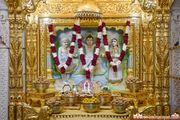
Shri Swaminarayan Mandir in Bhuj is a historic temple established in 1823, dedicated to Nar Narayan and founded by Swaminarayan, the founder of the Swaminarayan Sampradaya.
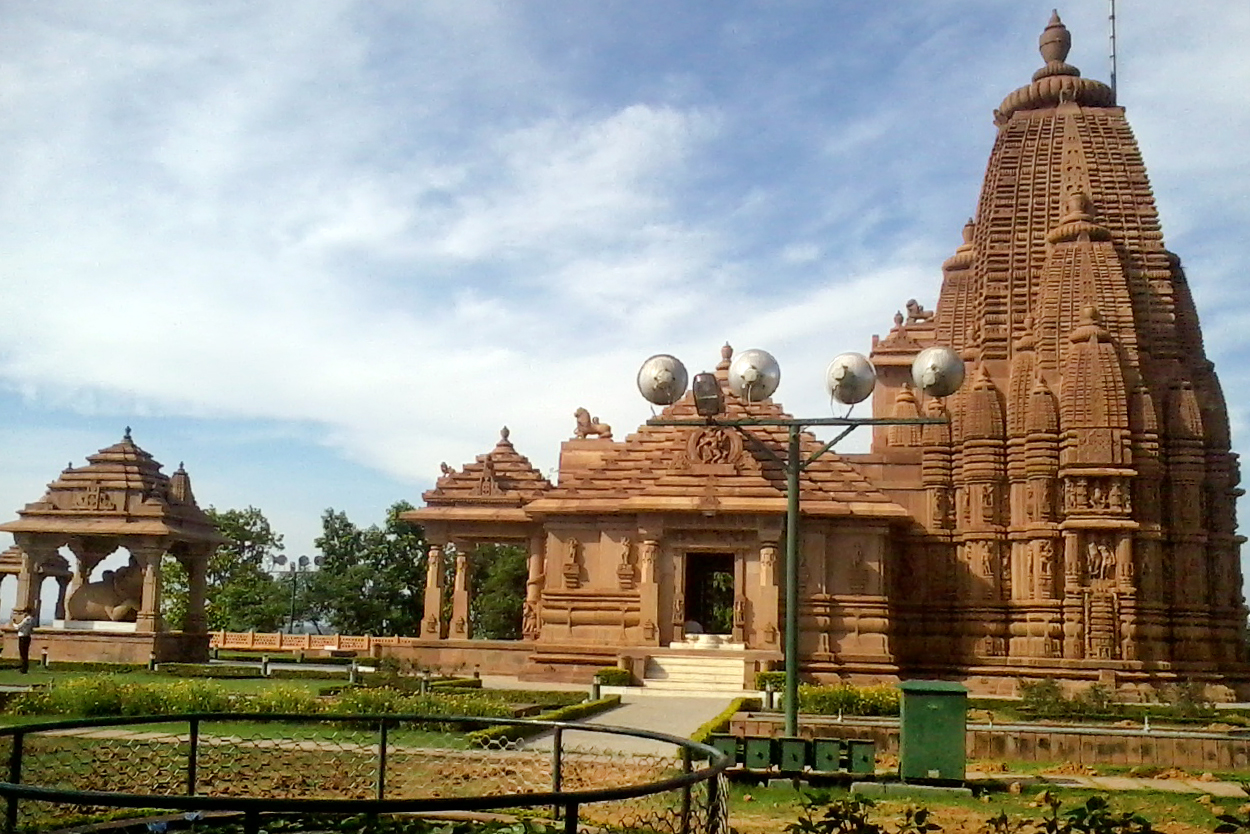
Mahadev Temple
Renukeshwar Mahadev Temple in Renukoot, Sonbhadra district, is a modern shrine built by the Birla Group in 1972, situated along the sacred Rihand River and dedicated to Lord Shiva.
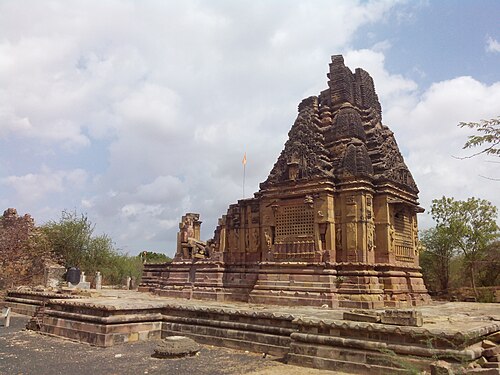
Shiva Temple, Kera
An ancient Shiva temple built during the 10th-century Chaulukya dynasty near Bhuj, Gujarat, the Lakheshwara temple has endured major earthquakes yet retains its sanctum, spire,…
Bhuvadeshwar Mahadev Temple
Shree Bhuvaneshwar Mahadev Shiv Mandir is a Hindu temple dedicated to Lord Shiva located in Matunga, Mumbai. Described as one of the oldest Shiv mandirs in the area, it is known…

Hanuman Dandi temple
The Hanuman Dandi Temple on Beyt Dwarka island in Gujarat is dedicated to Lord Hanuman and his son Makardhwaj, marking the legendary site of their first meeting and featuring a…
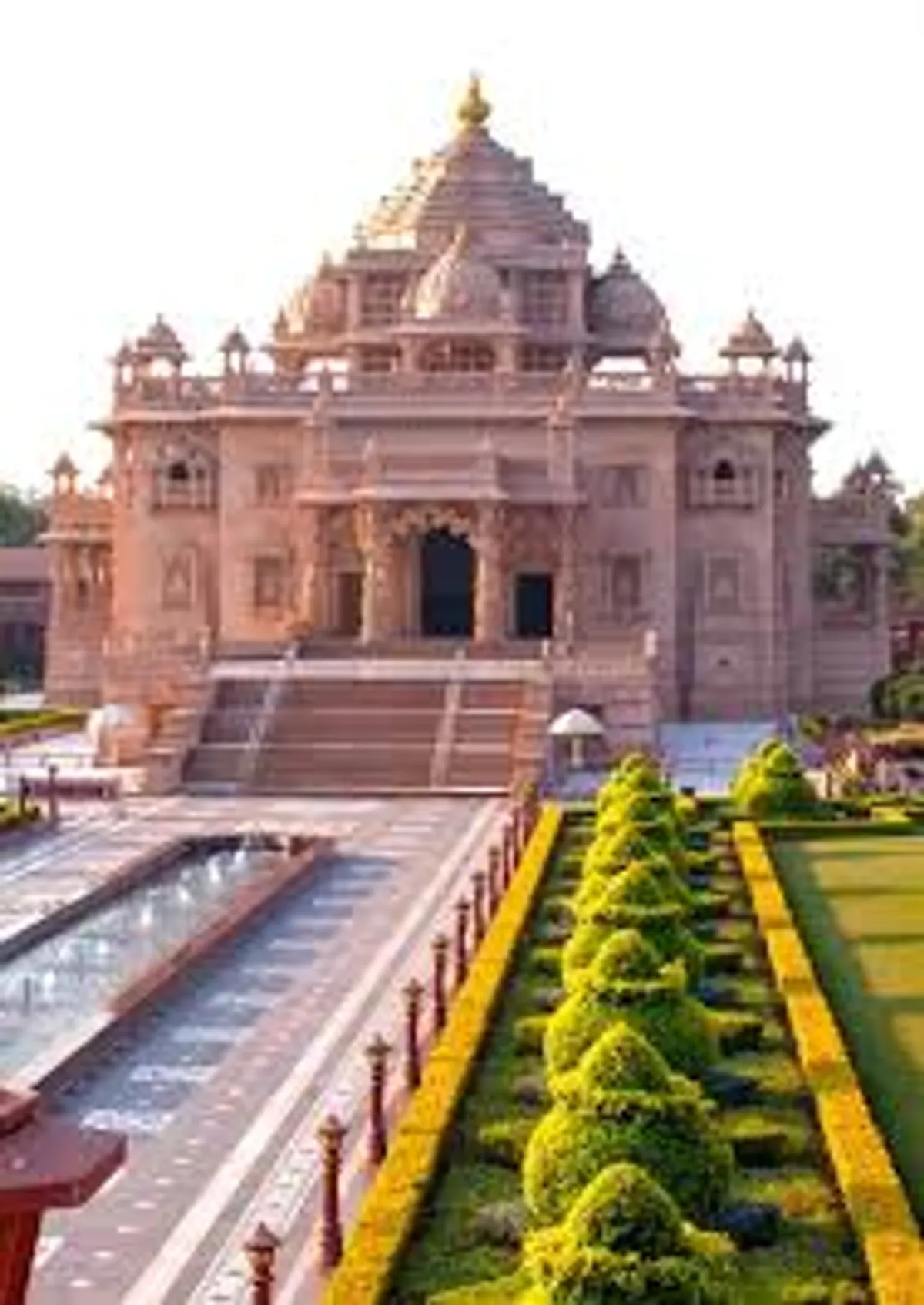
Shri Keshavraiji Temple, Bet Dwarka
Shri Keshavraiji Temple on Bet Dwarka island is an ancient Krishna shrine built by the Pushkarna Brahmin community, situated near the sacred Shankh Sarovar lake approximately on…