
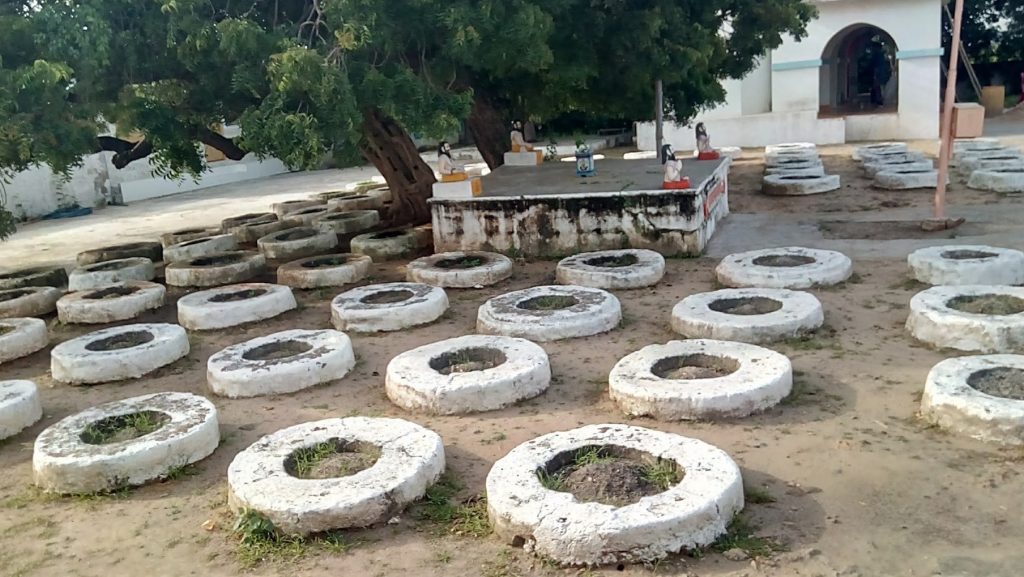
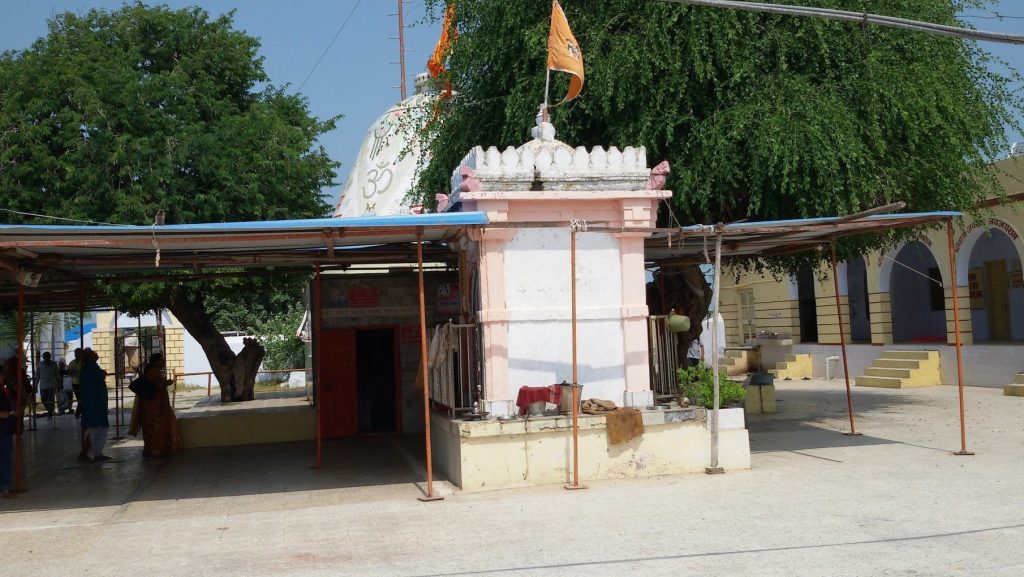
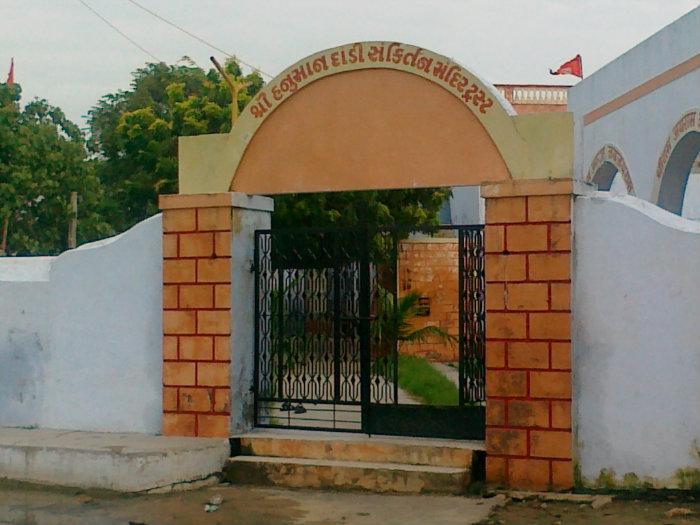
Hanuman Dandi temple
About Hanuman Dandi temple
Hindu temples maintain daily worship cycles centred on ritual offerings and prayers. At temples dedicated to Hanuman, devotees typically engage in darshan—the viewing of the deity's image as an act of worship—and may participate in or witness aarti, the ceremonial waving of lamps before the deity. The specific timings and nature of rituals at Hanuman Dandi are not detailed in available sources, but visitors can expect the temple to follow traditional Vedic practices common to Hanuman shrines across India.
Many devotees offer prayers seeking Hanuman's blessings for strength, protection, and the removal of obstacles. The temple may also facilitate personal worship through offerings of flowers, incense, or other devotional items, though visitors should inquire about what is permitted and what materials are available on-site.
Festivals and Observances
Hanuman Jayanti, the birthday of Hanuman, is celebrated with particular significance at temples dedicated to this deity. This festival typically draws increased numbers of devotees and involves special rituals and festivities. The exact dates and nature of celebrations at Hanuman Dandi are not specified in the sources, but visitors planning to attend during major festivals should research the temple's schedule in advance, as accommodation and access may be affected by larger crowds.
Other festivals observed across the Hindu calendar, such as Ram Navami (the birthday of Lord Rama, to whom Hanuman is devoted), may also be marked at this temple, though confirmation of specific observances would require direct contact with the temple authorities.
The Island Location and Sacred Geography
Beyt Dwarka's status as an island contributes to its spiritual significance within the broader Dwarka pilgrimage circuit. The island setting creates a sense of separation and sanctity, drawing pilgrims who seek a more secluded or intimate encounter with the divine. The proximity to the Dwarkadhish Temple, one of the four cardinal pilgrimage sites in Hindu tradition, positions Hanuman Dandi within a landscape rich with religious meaning.
Visitors combining a visit to Hanuman Dandi with other Dwarka temples can deepen their understanding of the region's theological and historical importance. The island's geography naturally shapes the pace and character of pilgrimage here, encouraging a more contemplative approach than might be found at larger, more accessible shrines.
Before You Go
Contact the temple directly or through local Dwarka tourism resources to confirm current visiting hours, any restrictions, and the availability of facilities such as rest areas or refreshment. Ask about the best times to visit if you wish to avoid crowds, and verify transport arrangements to and from the island. If you have specific ritual requests or wish to make particular offerings, inquire in advance about what is possible.
Bring water and sun protection, as island locations can be exposed. Modest clothing that covers shoulders and knees is appropriate. If you are visiting during monsoon season or rough weather, check conditions beforehand, as island access may be affected.
How to reach
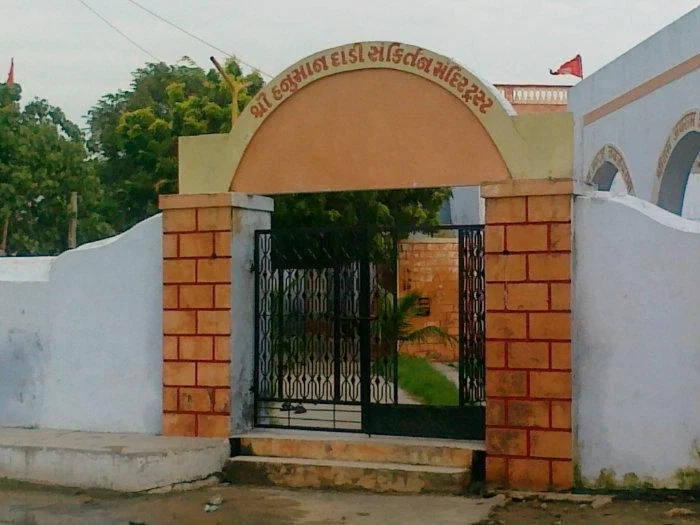
You may also visit
Kalyanji Temple
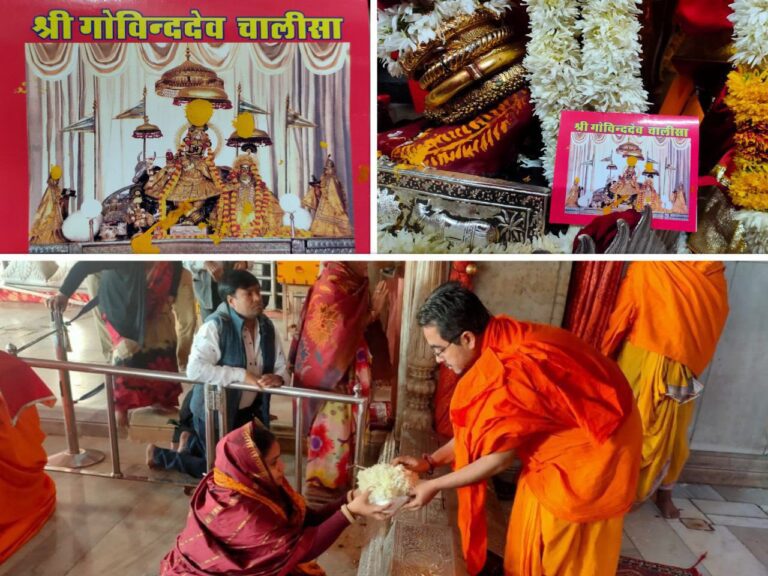
Kalyanji Temple in Jaipur's Chandpol Bazaar is approximately two centuries old and renowned for displaying the twenty-four avatars of Krishna, visible only twice yearly during Akha Teej and Patottsav festival.
Sastha (Ayyappan) Temple
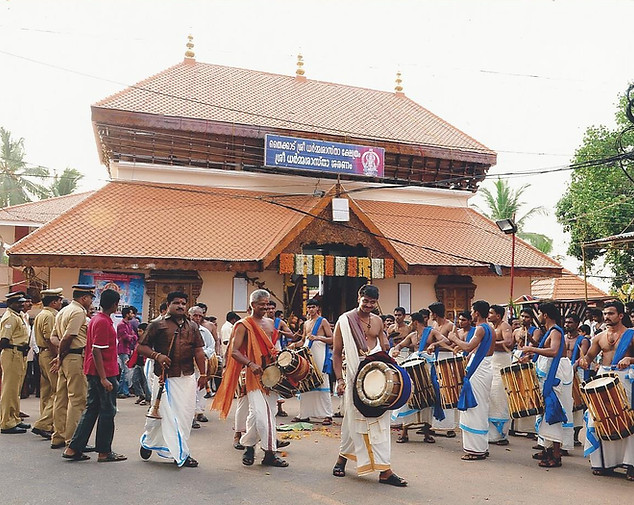
Sree Dharma Sastha Temple in Thycaud, Thiruvananthapuram, is a centuries-old shrine where the deity manifests as Dhanwanthari, the divine healer, holding the sacred blue lotus.
Govindarajaswamy Temple
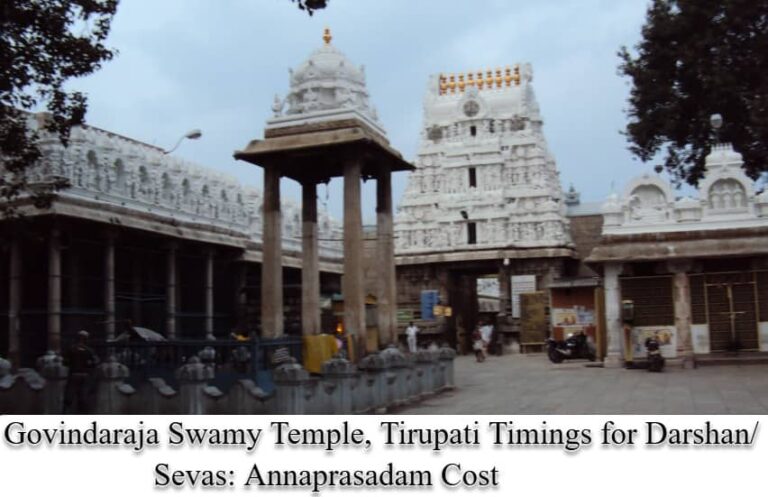
Sri Govindarajaswamy Temple in Tirupati is an ancient Vaishnavaite shrine consecrated in 1130 AD by Saint Ramanuja, where the presiding deity rests in eternal Yoga Nidra on the serpent Adisesha.