Shiva Temple, Kera
About Shiva Temple, Kera
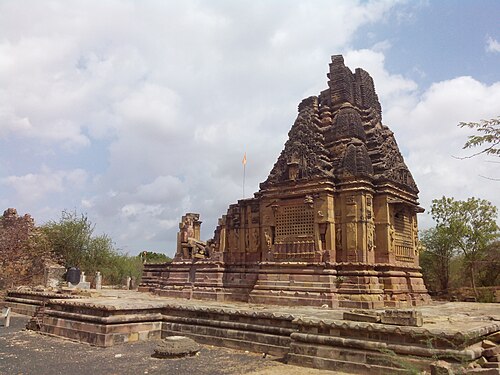
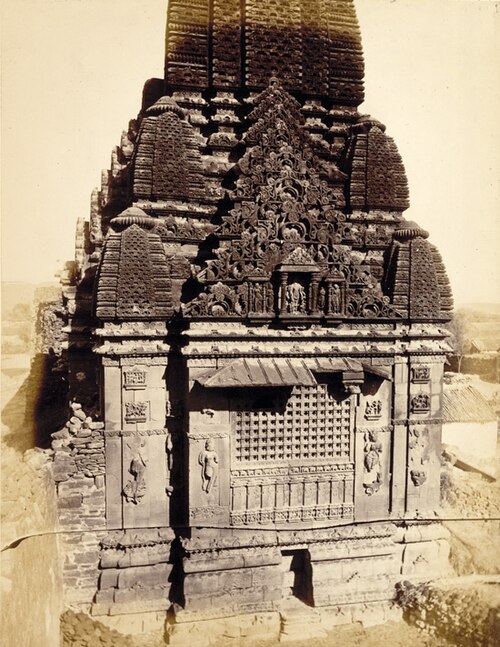
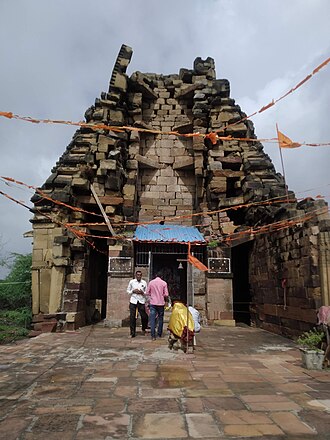
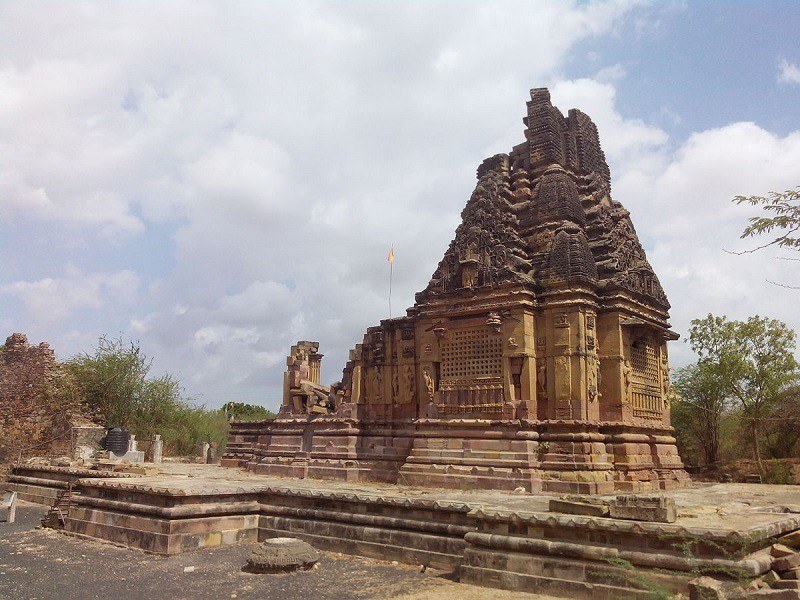
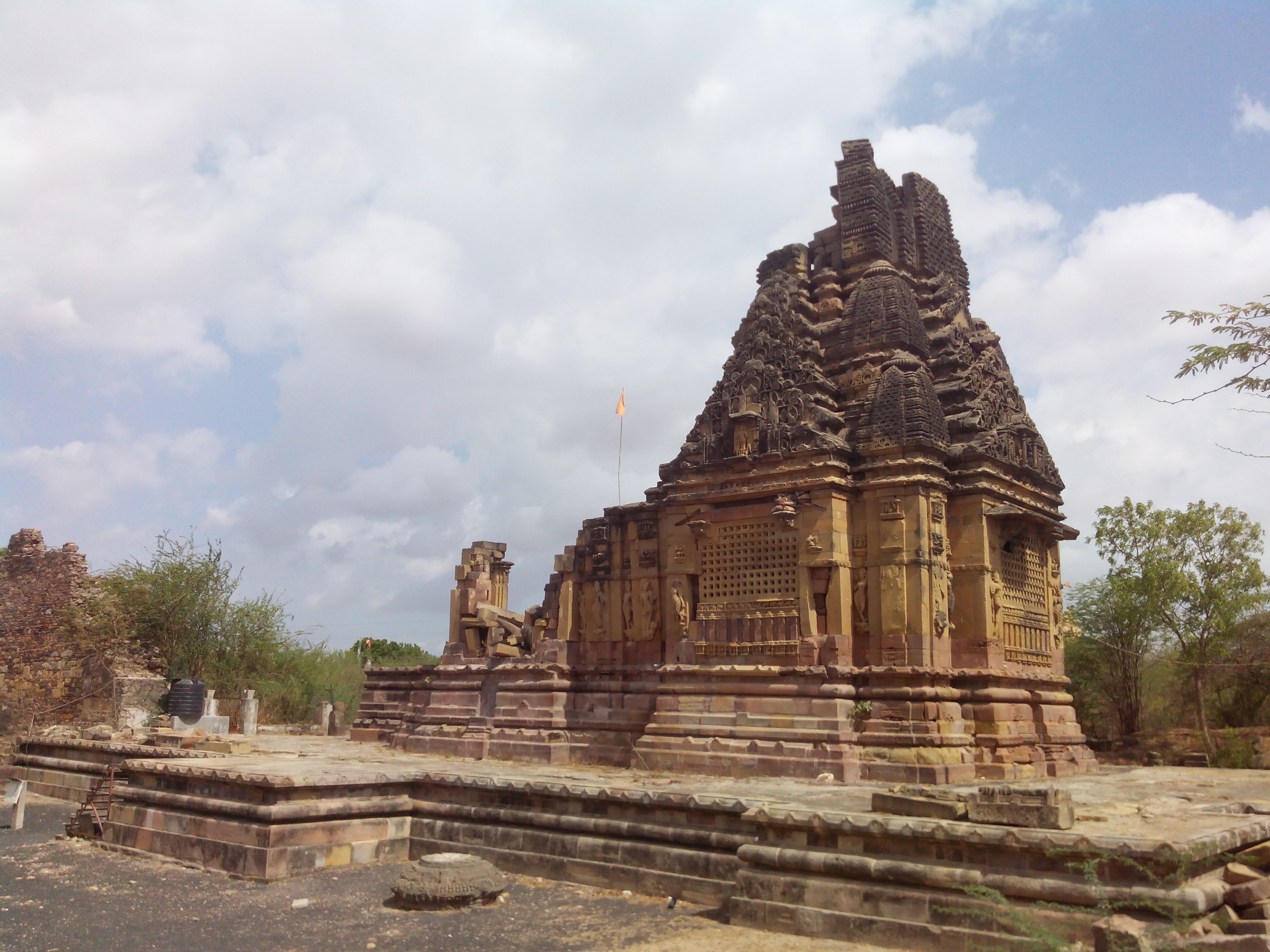
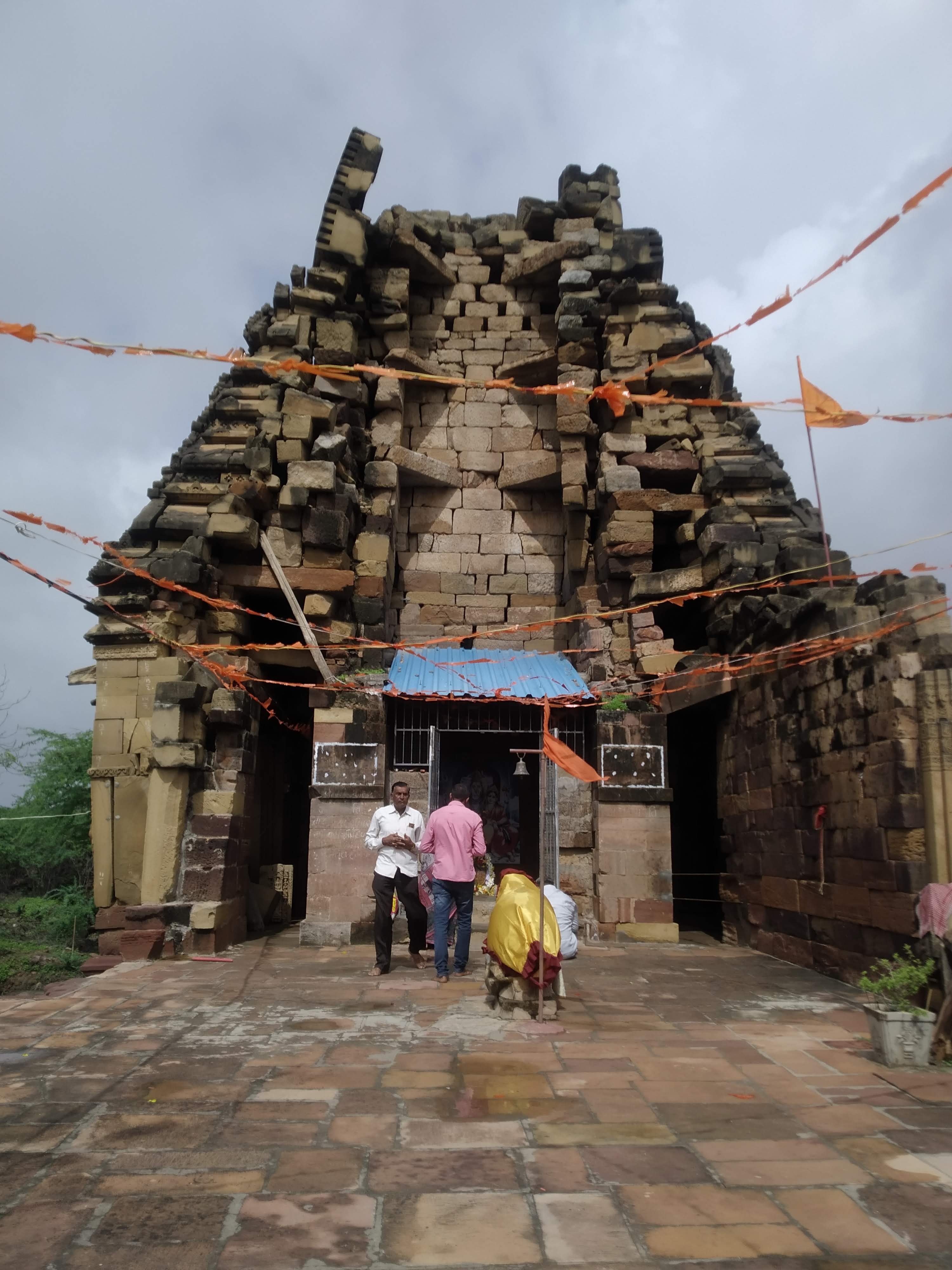
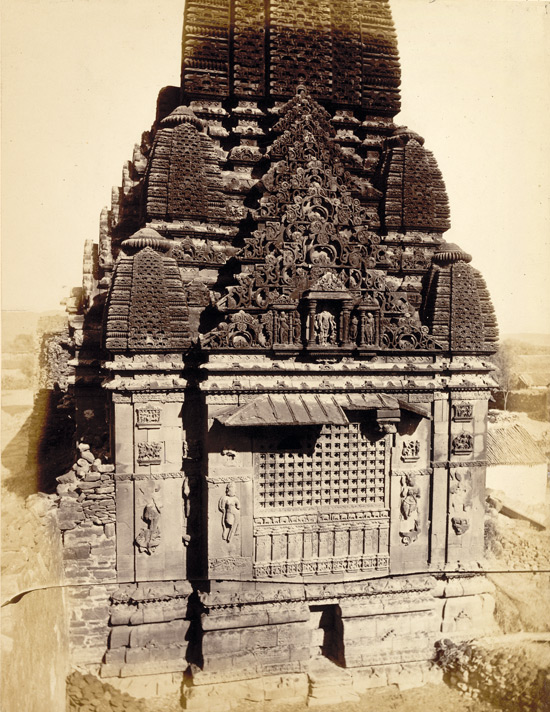
The temple's design reflects the Solanki architectural vocabulary of its period, with particular attention to the spire and the inner sanctum where the Shiva Linga is housed. The structure has endured two major earthquakes—one in 1819 and another in 2001, the latter being particularly destructive across the Bhuj region. Despite this trauma, the temple's central sanctum, spire, and sculptural elements remain in good condition, allowing visitors to appreciate both the original craftsmanship and the temple's remarkable structural integrity. The survival of these key elements offers insight into how medieval builders engineered temples to withstand the geological forces of their landscape.
Visiting Hours and Access
The temple is open daily from 6:00 AM to 6:00 PM, allowing visitors flexibility in planning their darshan. The site is located in Kera village, approximately 22 kilometres south of Bhuj on the Mundra–Bhuj road. Bhuj, the nearest significant town, serves as the primary access point and has rail, road, and air connections. From Bhuj, visitors can reach Kera by road; the journey takes roughly 45 minutes to an hour depending on traffic and road conditions. Those arriving by train or air should arrange local transport from Bhuj to complete the journey to the temple.
Practical Information for Visitors
Visitors should dress modestly when entering the temple, as is customary at Hindu shrines. Shoes are typically removed before entering the inner sanctum. The temple operates during daylight hours, so plan your visit accordingly if you wish to see the sculptures and architectural details clearly. While the sources do not detail specific facilities at the site, visitors should come prepared with water and sun protection, as Kutch experiences a hot climate. The peaceful setting suggests a contemplative atmosphere suited to prayer and reflection rather than a heavily commercialised pilgrimage destination.
The Shiva Linga and Daily Worship
At the heart of the temple lies the Shiva Linga, the symbolic form through which devotees worship Lord Shiva. Temples of this tradition typically observe daily rituals centred on the Linga, though specific details of worship practices at Kera are not documented in available sources. Visitors who wish to participate in or witness these rituals should arrive during the morning hours, when temple activity is generally most active. The inner sanctum, which has retained its integrity despite earthquake damage, remains the focal point of devotional practice.
A Living Monument to Kutch's Heritage
The Shiva Temple at Kera represents more than a place of worship; it is a physical record of Kutch's medieval past and its geological challenges. The temple draws both pilgrims seeking spiritual connection and heritage enthusiasts interested in understanding the region's architectural and cultural history. Its location in a village setting, away from major urban centres, preserves a quieter, more intimate atmosphere than larger pilgrimage sites. For those exploring Kutch's historical landscape, the temple offers an opportunity to encounter a structure that has witnessed centuries of change while maintaining its essential character and purpose.
How to reach
Temples near Shiva Temple, Kera
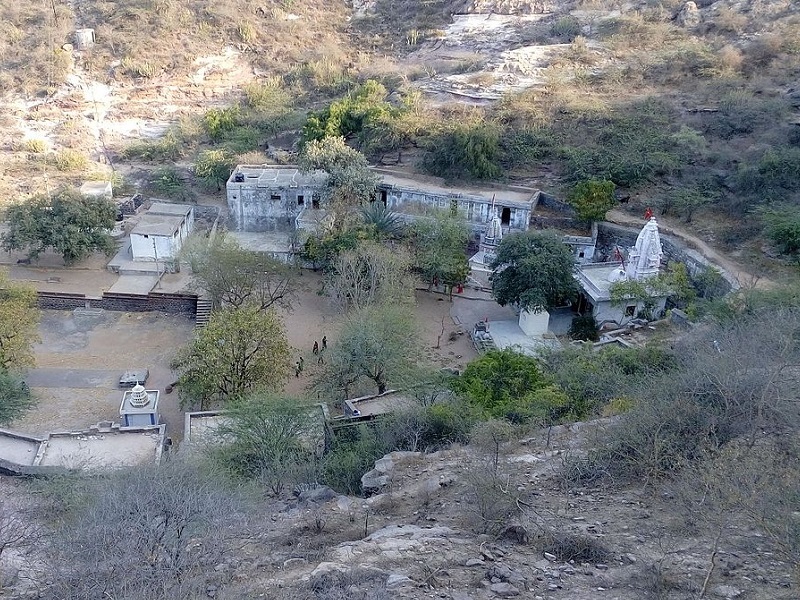
Tapkeshwari Temple
Tapkeshwari Temple is a sacred cave shrine dedicated to Goddess Tapkeshwari, nestled in the hills south of Bhuj in Gujarat's Kutch district, revered for its natural caves and sp…
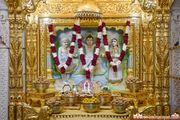
Shri Swaminarayan Mandir, Bhuj
Shri Swaminarayan Mandir in Bhuj is a historic temple established in 1823, dedicated to Nar Narayan and founded by Swaminarayan, the founder of the Swaminarayan Sampradaya.
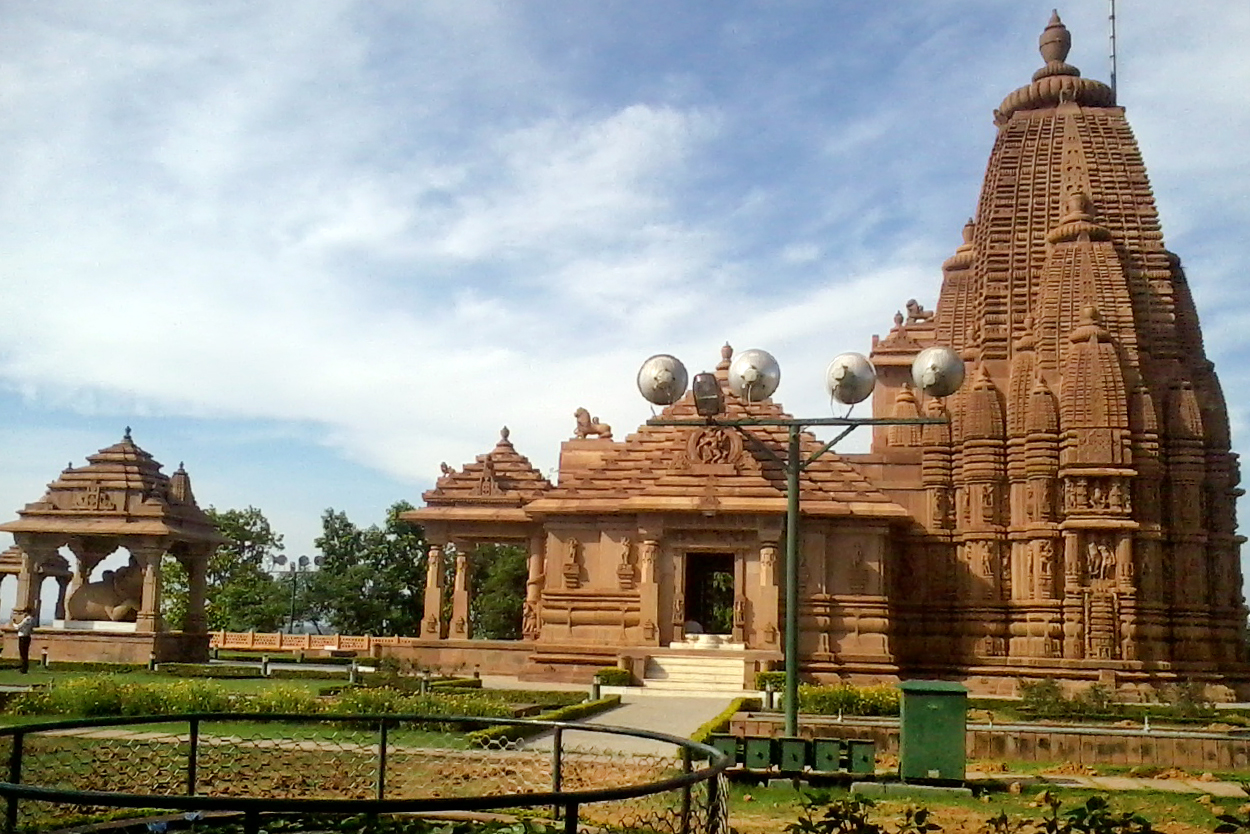
Mahadev Temple
Renukeshwar Mahadev Temple in Renukoot, Sonbhadra district, is a modern shrine built by the Birla Group in 1972, situated along the sacred Rihand River and dedicated to Lord Shiva.
Bhuvadeshwar Mahadev Temple
Shree Bhuvaneshwar Mahadev Shiv Mandir is a Hindu temple dedicated to Lord Shiva located in Matunga, Mumbai. Described as one of the oldest Shiv mandirs in the area, it is known…

Hanuman Dandi temple
The Hanuman Dandi Temple on Beyt Dwarka island in Gujarat is dedicated to Lord Hanuman and his son Makardhwaj, marking the legendary site of their first meeting and featuring a…
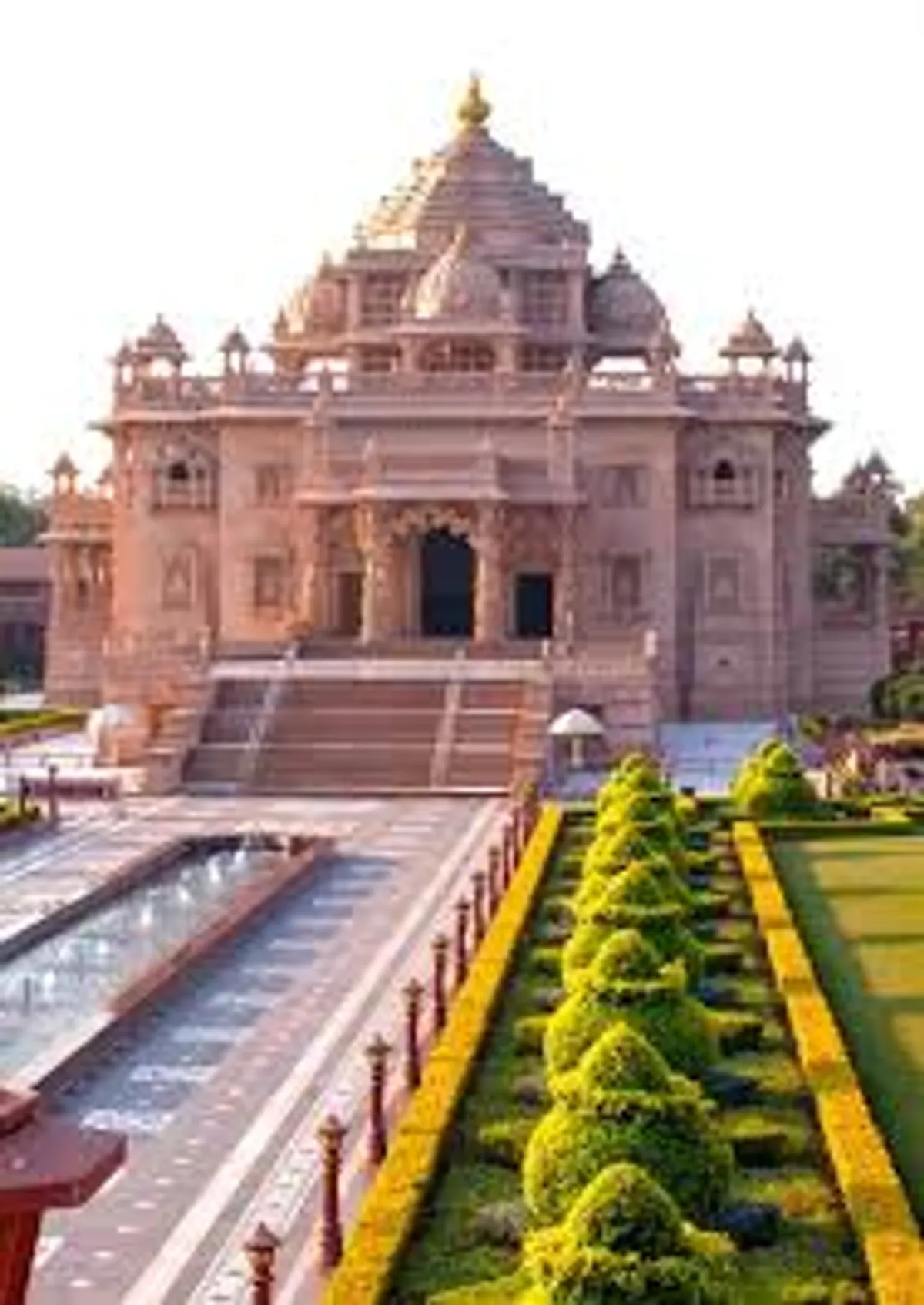
Shri Keshavraiji Temple, Bet Dwarka
Shri Keshavraiji Temple on Bet Dwarka island is an ancient Krishna shrine built by the Pushkarna Brahmin community, situated near the sacred Shankh Sarovar lake approximately on…