Sreekanteswaram Mahadeva Temple
About Sreekanteswaram Mahadeva Temple
The temple exemplifies the architectural principles that have defined Kerala's Hindu sanctuaries across centuries. Its gopuram—the tower that rises above the sanctum—and the sanctum itself reflect proportions, materials, and spatial arrangements distinctive to the region. This architectural vocabulary sets Kerala temples apart visually and functionally from temples in other parts of India, creating a particular aesthetic and spiritual environment. The temple's design supports its role as an active center of worship while maintaining visual and spiritual continuity with Kerala's broader temple heritage. Visitors will recognize in the temple's form the regional character that distinguishes Kerala's sacred architecture.
Daily Worship and Darshan
The temple opens its doors for morning darshan from 04:00 to 12:00, welcoming devotees who wish to view the deity in the early hours before the day's activities begin. Evening darshan is available from 17:00 to 20:30. Throughout the day, ritual moments structure the worship experience. Deeparadhana—the lighting of lamps as an offering—takes place at 05:00. At 07:40, Natesa Alankaram and Deeparadhana occur together, and the Athazha Pooja Aarti follows at 19:45. These aartis, in which light and prayer are ritually offered, form the rhythmic core of the temple's daily worship, inviting devotees to participate in moments of collective reverence.
The early morning hours between 04:00 and 07:00 offer a particularly contemplative atmosphere, with fewer visitors present and a quieter environment suited to focused worship. Devotees seeking this experience should plan their visit accordingly. It is advisable to confirm darshan timings before traveling, as schedules may shift on festival days or during special observances.
The Annual Festival
The temple observes an annual festival during the Malayalam month of Dhanu, which falls in December and January. This period draws devotees seeking to participate in the temple's seasonal celebrations. Specific details regarding the festival's rituals, duration, and special observances are best confirmed directly with the temple or through local sources, as festival practices can vary year to year.
Visiting the Temple
The temple is located at North Fort, Pazhavangadi, Thiruvananthapuram, at coordinates 8.4875, 76.9525. Visitors should dress modestly, as is customary in Hindu temples; women typically wear sarees or salwar kameez, while men wear dhotis or simple trousers. Shoes are generally removed before entering the sanctum. Photography policies vary; it is respectful to ask permission before photographing the deity or rituals. Specific information about facilities such as ablution areas, prasadam distribution, or accommodation should be confirmed with the temple authorities, as these details are not documented in available sources.
Reaching the Temple
Thiruvananthapuram is Kerala's capital and is well connected by road, rail, and air. The city's central location makes it accessible from across Kerala and neighboring states. Visitors arriving by train or air will find the temple within the city; local transportation such as auto-rickshaws or taxis can facilitate travel to North Fort. Those traveling by personal vehicle can use the provided coordinates for navigation. It is advisable to allow time for parking and to plan the visit around darshan hours, particularly if seeking the quieter early morning experience.
How to reach
Temples near Sreekanteswaram Mahadeva Temple
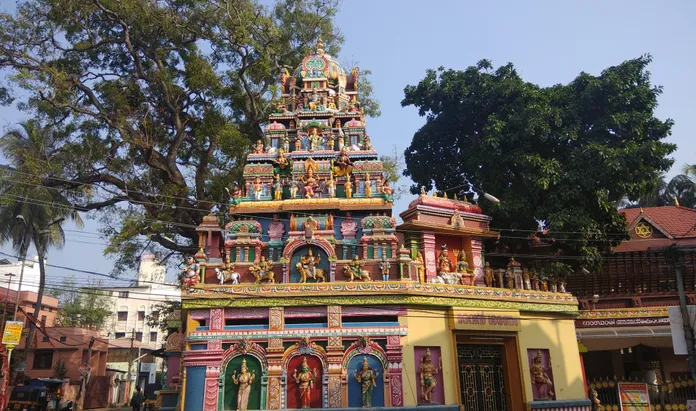
Gandhari Amman Kovil
Gandhari Amman Kovil is a Hindu temple in Mele Thampanoor, Thiruvananthapuram, dedicated to Gandhari Amman with subsidiary shrines for Ganesha, Muruga, Naga Devathas, Bhairavar,…
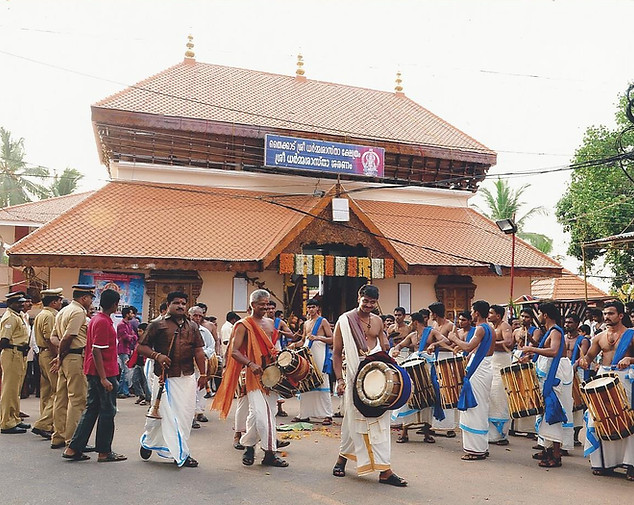
Thycaud Dharma Sastha Temple, Thiruvananthapuram
Sree Dharma Sastha Temple at Thycaud in Thiruvananthapuram is a centuries-old shrine where the deity manifests as Dhanwanthari holding the sacred Neelathamara, administered by t…
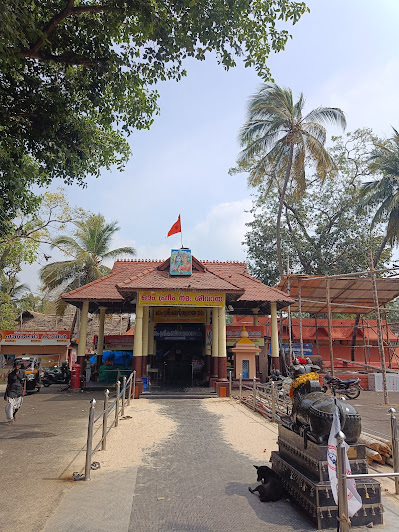
Pazhaya Sreekanteswaram Temple
Pazhaya Sreekanteswaram Temple is an ancient shrine dedicated to Shiva and Vishnu, located in Thiruvananthapuram's North Fort area. Established by at least 1000 AD, it serves as…
Venkatachalapathy Temple
Sri Venkatachalapathy Temple in Trivandrum, Kerala, is a historic shrine dedicated to Lord Venkateswara, established in 1898 and located near Sri Padmanabhaswamy Temple. Known b…
Irumkulangara Durga Devi Temple
Irumkulangara Durga Devi Temple in Thiruvananthapuram honors the goddess Durga in a serene setting approximately 1.8 kilometers southwest of Sree Padmanabhaswamy Temple. The shr…

Sreevaraham Lakshmi Varaha Temple, Thiruvananthapuram
Sreevaraham Lakshmi Varaha Temple in Thiruvananthapuram is a historic Kerala shrine where the deity Varaha, Vishnu's third avatar, is uniquely depicted alongside Lakshmi. The te…