Pazhaya Sreekanteswaram Temple
About Pazhaya Sreekanteswaram Temple
Historical records suggest the temple has existed for at least a thousand years, according to the research of historian Elamkulam Kunjan Pillai. The temple holds particular significance in Thiruvananthapuram's sacred geography: it was positioned along the ceremonial route taken by the Travancore royal household during the Pallivetta procession connected to the Sri Padmanabhaswamy Temple. This placement underscores the temple's standing within the region's religious and political life.
The current Sreekanteswaram Mahadeva Temple, located just outside the North Fort, is understood to be the newer establishment, with this older temple representing the original sacred site. According to temple tradition, an elderly sweeper from the original temple experienced a divine vision that led to the discovery of a self-manifested Shiva Linga at the location of the present-day temple, marking a significant moment in the sanctuary's evolution.
Architecture and Setting
The temple preserves the traditional architectural vocabulary of Kerala's temple-building tradition. Its design reflects the regional style that has characterised sacred spaces in Kerala for centuries. The temple operates under the stewardship of the Travancore Devaswom Board, the administrative body responsible for managing many of Kerala's major Hindu temples, ensuring the maintenance of both its physical structure and its ritual practices.
The temple's location within the North Fort area of Thiruvananthapuram places it within the historical and cultural heart of the city, accessible to both residents and pilgrims visiting the broader temple circuit of the region.
Daily Worship and Darshan
The temple opens for morning darshan from 04:00 to 12:00, accommodating early risers and those who prefer the quieter hours of dawn worship. Evening darshan runs from 17:00 to 20:30, allowing devotees to visit after their daily activities. The temple observes a structured ritual calendar throughout each day.
Four principal aartis mark the devotional rhythm: Deeparadhana at 05:00 opens the day's worship with the offering of lamps; Usha Pooja follows at 07:40, honouring the dawn; Natesa Alankaram and Deeparadhana occur at 19:00, adorning the deity in the evening; and Athazha Pooja at 19:45 concludes the day's major rituals. These ceremonies represent the traditional Kerala temple practice of marking sacred moments through coordinated offerings and prayers. Visitors wishing to participate in specific rituals should arrive accordingly, keeping in mind that timings may shift on festival days.
Festivals and Observances
The temple celebrates Thiruvathira Festival during the December–January season, a significant observance in Kerala's ritual calendar. Maha Shivaratri, the great night dedicated to Lord Shiva observed across the Hindu tradition, also draws devotees to the temple. These festivals typically involve special rituals, extended darshan hours, and increased temple activity. Visitors planning to attend festivals should confirm exact dates and any schedule variations with the temple in advance.
Visiting Information
The temple is located at North Fort, Pazhavangadi, Thiruvananthapuram, Kerala. Modest dress is customary when visiting Hindu temples; visitors should wear clothing that covers shoulders and knees. Shoes are typically removed before entering the inner sanctum, and photography policies vary—it is respectful to ask permission before photographing rituals or the deity.
The temple's early morning opening at 04:00 reflects the traditional Hindu practice of dawn worship, when many devotees prefer to visit. Those unable to attend at this hour can visit during the extended morning or evening windows. It is advisable to confirm current timings and any temporary changes by contacting the temple directly before travelling, particularly if planning a visit around festival periods.
How to reach
Temples near Pazhaya Sreekanteswaram Temple
Venkatachalapathy Temple
Sri Venkatachalapathy Temple in Trivandrum, Kerala, is a historic shrine dedicated to Lord Venkateswara, established in 1898 and located near Sri Padmanabhaswamy Temple. Known b…
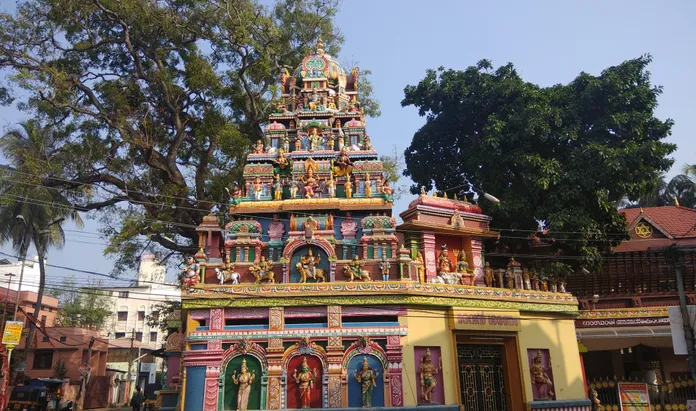
Gandhari Amman Kovil
Gandhari Amman Kovil is a Hindu temple in Mele Thampanoor, Thiruvananthapuram, dedicated to Gandhari Amman with subsidiary shrines for Ganesha, Muruga, Naga Devathas, Bhairavar,…
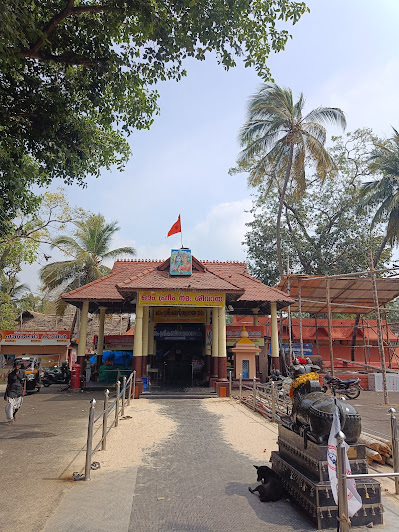
Sreekanteswaram Mahadeva Temple
Sreekanteswaram Mahadeva Temple in Thiruvananthapuram is an ancient shrine dedicated to Lord Shiva, revered as Sreekanteswara and Gowri Shankara, with over 700 years of spiritua…

Sreevaraham Lakshmi Varaha Temple, Thiruvananthapuram
Sreevaraham Lakshmi Varaha Temple in Thiruvananthapuram is a historic Kerala shrine where the deity Varaha, Vishnu's third avatar, is uniquely depicted alongside Lakshmi. The te…
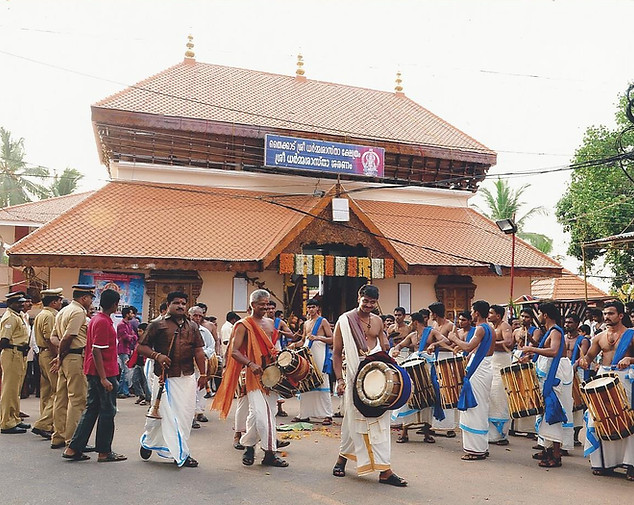
Irumkulangara Durga Devi Temple
Irumkulangara Durga Devi Temple in Thiruvananthapuram honors the goddess Durga in a serene setting approximately 1.8 kilometers southwest of Sree Padmanabhaswamy Temple. The shr…
Thycaud Dharma Sastha Temple, Thiruvananthapuram
Sree Dharma Sastha Temple at Thycaud in Thiruvananthapuram is a centuries-old shrine where the deity manifests as Dhanwanthari holding the sacred Neelathamara, administered by t…